Home Video & Intimacy Timeline Explorer
Click on a specific era below to explore the technology, privacy levels, and social dynamics of that period.
Pre-1975
Cinema Era1976–1984
VCR Intro1985–1999
Portable TV2000–Present
SmartphonePre-1975: The Public Spectacle
Technology & Device
Primary viewing occurred in cinemas or peep shows. There was no consumer hardware for recording or playing back explicit content at home.
Social Impact
No control over who saw you watching; exposure to strangers was inevitable.
You know that feeling when you finally get a moment alone at home? For most of human history, privacy was a luxury few could afford. Families slept in single rooms, walls were thin, and the concept of a truly private space for intimacy didn't really exist for the average person. Then came a small, black plastic rectangle that changed everything. Home Video is a technology that allows users to record and playback moving images and sound on magnetic tape or digital media within a domestic setting. When this tech met Pornography, it didn't just change what we watched; it rewired how we experienced our own bedrooms.
The Shift from Public to Private Viewing
Before the late 1970s, if you wanted to see something risqué, you had to leave your house. You went to a theater, often in a seedy part of town, surrounded by strangers. It was a public act with private implications. The introduction of consumer-grade video equipment shattered that barrier. Suddenly, the living room became a cinema, and the bedroom became a sanctuary. This wasn't just about convenience; it was about control. You decided who saw what, when they saw it, and crucially, whether anyone else knew you were watching.
This shift created a new kind of psychological space. Historians note that the availability of VHS (Video Home System) tapes coincided with a broader cultural move toward individualism in the West. The screen acted as a shield. You could explore desires without judgment, creating a feedback loop between fantasy and reality that happened entirely behind closed doors. It’s hard to overstate how radical this was. For the first time, sexual exploration was decoupled from social risk.
The Technology That Enabled Intimacy
We can’t talk about this cultural shift without looking at the hardware. The battle between formats mattered less than the fact that recording became possible. Betamax might have had better picture quality, but VHS won because it offered longer recording times and lower costs. Why does this matter for intimacy? Because length meant depth. Early films were short loops. Longer tapes allowed for narrative structures, which helped viewers immerse themselves more deeply.
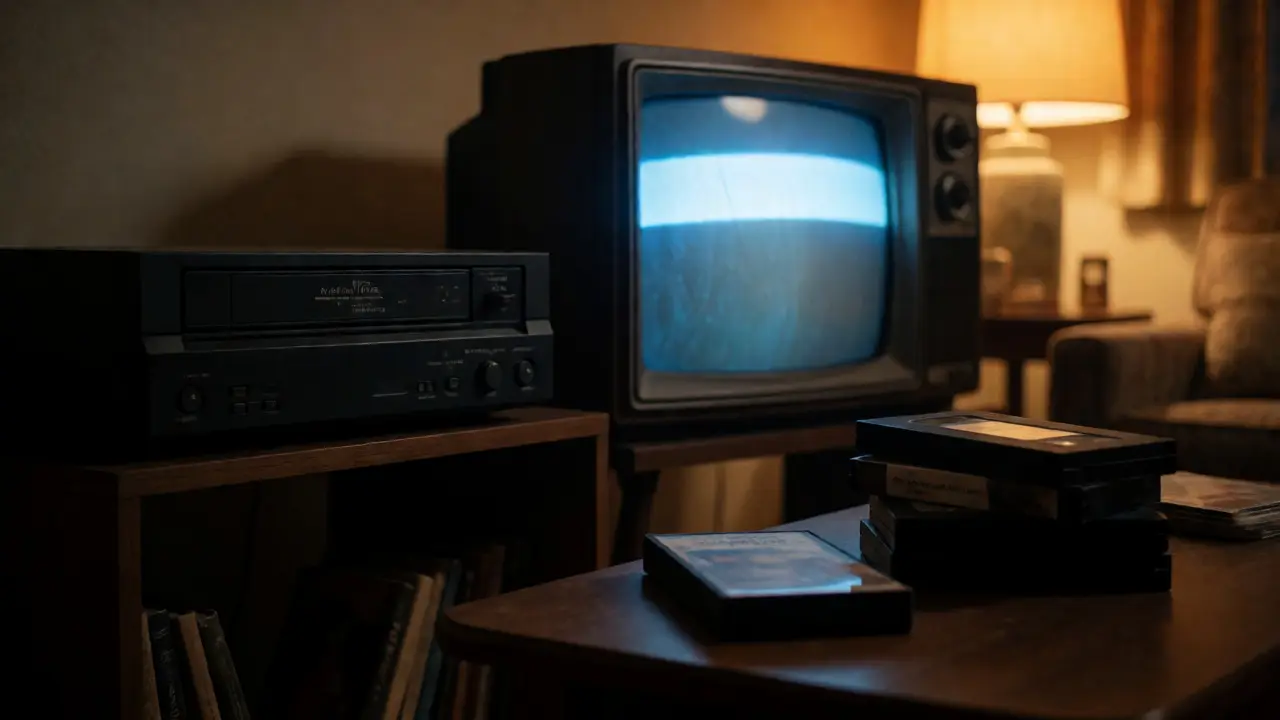
Consider the device itself. The Video Cassette Recorder (VCR) was bulky, expensive, and required a television set. In many households, the TV was in the living room, shared by the whole family. This forced couples to be creative. They moved TVs into bedrooms, bought smaller portable sets, or stayed up late after kids went to bed. These small logistical hurdles actually enhanced the sense of occasion. Watching a film together became an event, a deliberate choice rather than passive background noise.
| Format Era | Primary Device | Privacy Level | Social Impact |
|---|---|---|---|
| Pre-1975 | Cinema / Peep Show | Low | Public shame, limited access |
| 1976-1984 | Betamax/VHS VCR | Medium | Shared living room viewing, discreet rental |
| 1985-1999 | Portable TV + VCR | High | Bedroom culture, personal collections |
| 2000-Present | Smartphone / Tablet | Total | Individual consumption, infinite choice |
Redefining Couple Dynamics
Did pornography help or hurt relationships? The answer isn't simple, but home video certainly complicated the conversation. Before VHS, couples rarely discussed specific visual preferences openly. With the ability to watch together, some partners found common ground. They could identify what turned them on without the awkwardness of verbal description. "Like this," became a viable form of communication.
However, it also introduced comparison. If one partner preferred a certain type of performer or scenario, it could create tension. Was this a critique of our sex life? A desire for novelty? The Adult Film Industry responded by marketing directly to couples, selling titles framed as "romantic" or "educational." This era normalized the idea that sexual satisfaction was a joint project, not just a biological imperative. Yet, it also planted seeds of dissatisfaction for those who felt their real-life intimacy couldn't compete with the polished, unrealistic standards on screen.
The Rental Store as a Social Hub
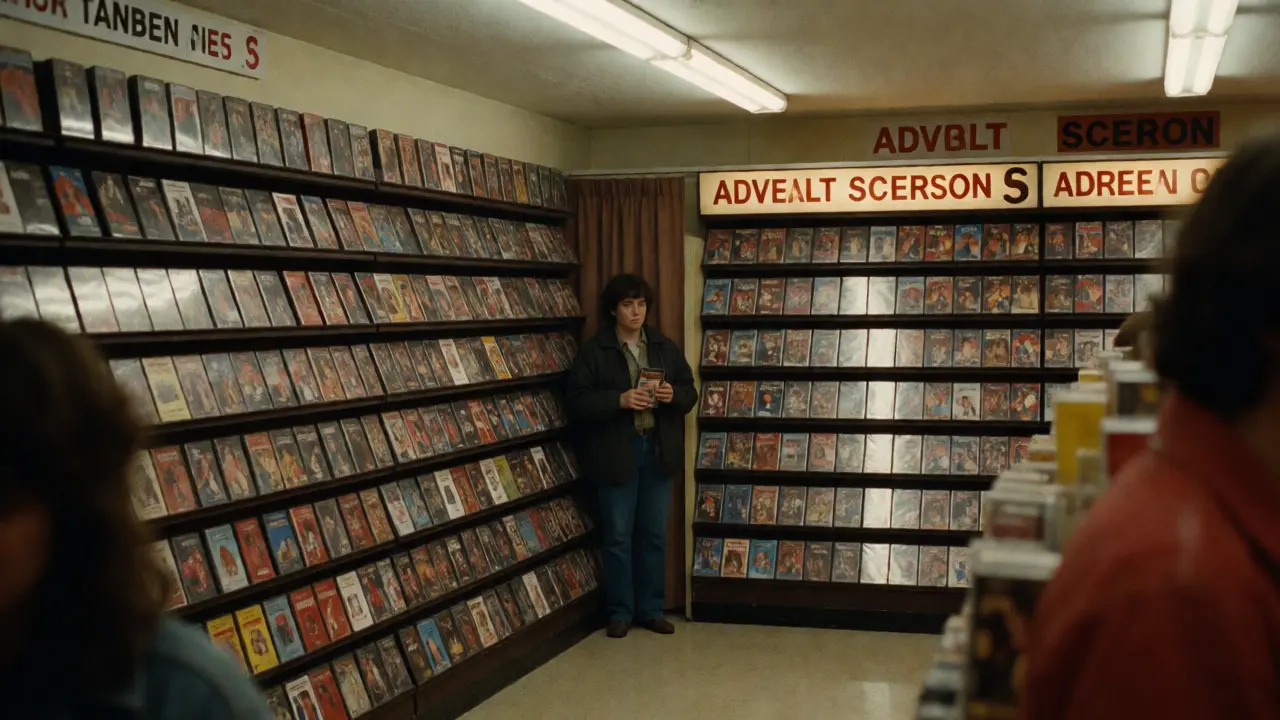
You can't discuss this topic without mentioning the video rental store. Places like Blockbuster or local independent shops weren't just businesses; they were social interfaces. Walking into the adult section required courage. The layout mattered-often tucked away in the back, sometimes behind curtains or separate counters. This physical separation reinforced the taboo while simultaneously acknowledging its prevalence.
For many people, especially in conservative communities, the rental store was the only place to access these materials without internet connectivity. It created a unique social dynamic where you might run into neighbors. Did you hide the tape under a jacket? Did you use a pseudonym? These small rituals added a layer of thrill to the acquisition process. The anticipation of watching began the moment you walked out the door with the bag. This ritualistic aspect has largely vanished with streaming, making today's consumption far more instantaneous but perhaps less ceremonial.
From Analog to Digital: The Loss of Shared Space?
As we moved from VHS to DVD, and then to streaming, the nature of privacy evolved again. DVDs offered better quality and easier navigation, but smartphones took it further. Now, intimacy is no longer tied to a specific room or even a shared screen. One person can be in bed scrolling through content on their phone while their partner sleeps beside them. This fragmentation challenges the notion of shared sexual culture.
With Internet Streaming, the algorithm knows your tastes better than your partner does. Personalization means two people in the same relationship might consume vastly different types of erotic media without ever knowing it. The shared experience of renting a tape together has been replaced by isolated consumption. Is this a loss? Some argue it reduces pressure; others say it erodes the communal aspect of sexuality. The home video era gave us privacy; the digital era gives us solitude. There is a difference.

Legacy of the VHS Era
The impact of home video on private life extends beyond just what we watch. It changed how we talk about sex. By bringing explicit imagery into the domestic sphere, it demystified certain acts and body types. It forced society to confront the reality that sexual curiosity is universal. Parents had to navigate explaining the world to children who might stumble upon forgotten tapes. Couples had to negotiate boundaries around what was acceptable to watch.
Moreover, it fueled the economic engine of the adult industry. The revenue generated from rentals and sales in the 1980s and 1990s funded higher production values and specialized niches. This variety meant that almost every preference could find a market. That inclusivity, however flawed, helped individuals feel seen. If you liked something obscure, there was likely a tape for it. That validation played a role in shaping modern sexual identities.
Key Takeaways
- Privacy Revolution: Home video shifted sexual consumption from public theaters to private homes, reducing social stigma.
- Tech Impact: The affordability and length of VHS tapes enabled deeper immersion compared to earlier formats.
- Relationship Dynamics: Shared viewing created new forms of communication but also introduced unrealistic comparisons.
- Ritual Change: The physical act of renting tapes added anticipation and ceremony, now lost to instant streaming.
- Cultural Normalization: Bringing porn into the living room helped destigmatize sexual curiosity and diverse preferences.
How did VHS specifically change pornography consumption?
VHS made pornography accessible, affordable, and private. Unlike cinema visits, which required leaving the home, VHS allowed users to rent tapes and watch them in their own living rooms or bedrooms. This eliminated the social embarrassment associated with purchasing tickets and sitting among strangers, fundamentally changing the user experience from public spectacle to private entertainment.
Did home video improve sexual satisfaction in marriages?
The effects were mixed. For some couples, watching together sparked conversations about preferences and introduced new ideas, enhancing intimacy. For others, it created unrealistic expectations or feelings of inadequacy when comparing real-life partners to performers. The key factor was often communication; couples who discussed their viewing habits tended to report more positive outcomes.
Why was the video rental store important for this cultural shift?
Rental stores served as the primary distribution point before the internet. Their physical layout, often separating adult sections from general movies, reflected societal attitudes toward privacy and shame. The act of visiting a store added a ritualistic element to consumption, involving decision-making and potential social interaction that is absent in today's anonymous online downloads.
How does current streaming compare to the home video era regarding intimacy?
Current streaming offers greater variety and ease of access but often leads to solitary consumption via smartphones. The home video era frequently involved shared screens, fostering joint experiences. Today, algorithms personalize content so heavily that partners may share little overlap in what they watch, potentially reducing shared sexual references and discussions.
What role did Betamax play in this history?
While VHS dominated the market due to longer recording times and lower costs, Betamax initially competed for the same audience. Its failure to capture the mass market meant that the standardization around VHS accelerated the widespread adoption of home video. Without a unified format, the rapid expansion of the rental infrastructure would have been slower, delaying the cultural shift toward private viewing.