Pre-Stonewall Homophile Movement Timeline
Explore the key organizations, people, and milestones that built the foundation of LGBTQ+ activism before Stonewall in 1969.
Mattachine Society Founded
Mattachine SocietyLoading...
Before the riots at Stonewall Inn in 1969 shook up the civil rights landscape, a quieter but equally vital movement was already taking shape. These were the homophile organizations, groups dedicated to social acceptance rather than radical liberation. For decades, historians often skipped over this era, focusing instead on the dramatic shifts of the late 1960s. But understanding who organized first helps explain how we got here. This guide breaks down the key groups, their strategies, and why their work mattered so much.
The Birth of Modern Homophile Movements
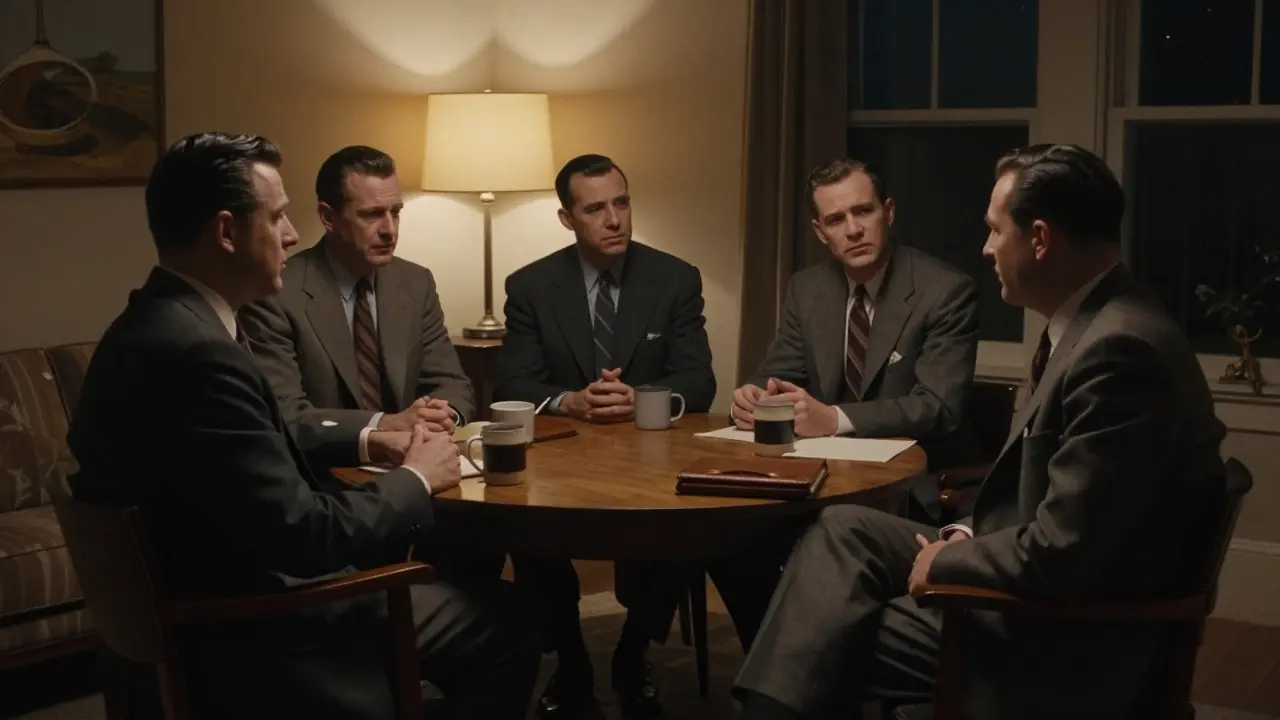
To understand the pre-Stonewall era, you have to look back to 1950. In Los Angeles, a group of men formed the Mattachine Society. It is considered the first modern gay rights organization in the United States. The name comes from the biblical character Matthew, symbolizing a secret identity. Unlike later activist groups, Mattachine focused heavily on respectability. They wanted to prove that gay people were normal, productive citizens. Members wore suits, spoke formally, and avoided anything that might look "excessive" to the straight public. This approach was born out of necessity. In the 1950s, being openly gay could mean losing your job, facing police raids, or even prison time for "moral turpitude." So, these early organizers played it safe to survive while building a foundation.
The society operated as a network of chapters across major cities like New York, San Francisco, and Chicago. Each chapter held meetings where members shared personal stories and discussed legal issues. They also published newsletters to keep members informed. One of their biggest achievements was helping to change the definition of homosexuality in the American Psychiatric Association's Diagnostic Manual. In 1973, they succeeded in removing it from the list of mental illnesses, a huge win that relied on groundwork laid by these earlier efforts.
Daughters of Bilitis: Pioneering Lesbian Visibility
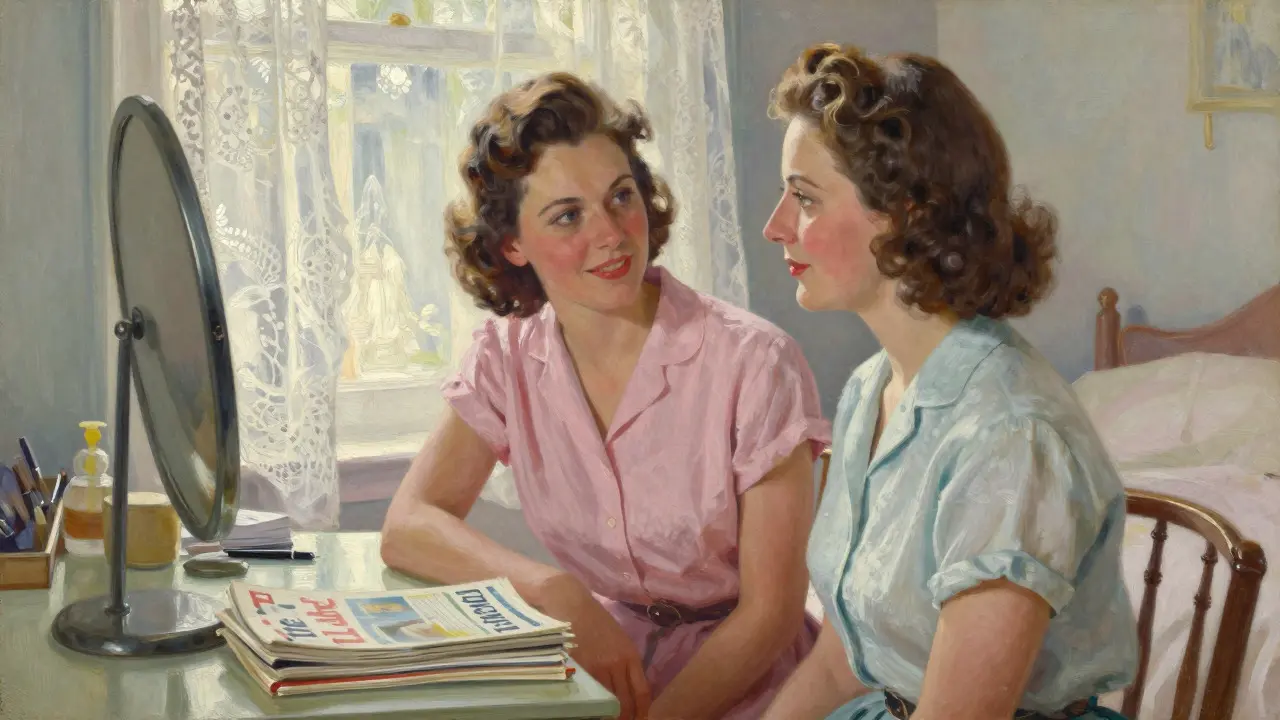
While Mattachine focused primarily on men, women faced different challenges. In 1955, Del Martin and Phyllis Lyon founded the Daughters of Bilitis (DOB) in San Francisco. Named after the Assyrian queen Bilitis, the group became the first lesbian civil rights organization in the U.S. Lesbians in the 1950s had less visibility than gay men, often being seen through a male-centric lens. DOB changed that by creating a space specifically for women. They published The Ladder, a magazine that ran from 1956 to 1972. This publication was crucial because it gave lesbians a voice and a community connection without relying on male-dominated spaces.
Unlike Mattachine, DOB was more open about its mission from the start. They didn't just want respectability; they wanted recognition. Their meetings were smaller and more intimate, fostering deep personal bonds. However, they still adhered to some conservative norms. Many early members were married to men, and the group initially encouraged discretion. Yet, over time, DOB pushed for greater equality in employment and housing. They lobbied against discriminatory laws and supported single-parent families, laying the groundwork for future family law battles.
Strategies of Respectability vs. Liberation
The core strategy of homophile organizations was what scholars call "respectability politics." The idea was simple: if straight people saw gay people as stable, employed, and patriotic, they would accept them. This contrasted sharply with the liberation movements that emerged after Stonewall. Post-Stonewall groups like the Gay Liberation Front rejected respectability. They marched in drag, used slogans like "Gay Power," and challenged societal norms directly. Before 1969, however, such tactics were risky. Police could arrest anyone for wearing cross-dressing clothes, and media coverage was almost always negative.
This difference in approach created tension within the movement itself. Older activists often criticized younger radicals for being too loud or unprofessional. Younger activists felt the older generation was too timid. Despite these clashes, both sides contributed to progress. Homophile organizations built the legal and social infrastructure. They hired lawyers, lobbied legislators, and established a vocabulary for discussing sexual orientation publicly. Without this foundation, the bold actions of the late 1960s might not have had anywhere to land.
Key Figures and Their Contributions
Few names are as central to this era as Harry Hay, the founder of Mattachine. Hay was a former Communist Party member who believed that sexuality was a political issue. He argued that gay people needed an organization to fight for their rights, similar to how labor unions fought for workers. Another key figure was Frank Kameny, who served as the executive director of Mattachine. Kameny was one of the first openly gay men to demand equal treatment in the federal government. In 1958, he appeared before the American Psychiatric Association to argue that homosexuality was not a disease. His testimony was controversial but planted seeds for future scientific debates.
On the side of Daughters of Bilitis, Del Martin and Phyllis Lyon were lifelong partners who co-founded the group. They advocated for lesbian rights long before the term "lesbian feminism" was common. Their work highlighted the specific needs of women in the LGBTQ+ community. These individuals did not just organize meetings; they risked their careers and safety to build a movement. Their stories remind us that progress rarely happens overnight. It requires persistent, often invisible work behind the scenes.
Challenges and Limitations of Early Organizing
Despite their successes, homophile organizations faced significant hurdles. Funding was scarce. Most groups relied on membership dues and small donations. They couldn't afford large offices or full-time staff. Meetings were often held in private homes or rented hotel rooms to avoid police attention. Legal risks were constant. If a meeting was raided, members could be arrested for vagrancy or lewdness. Media coverage was hostile. Newspapers often described these groups as "secret societies" or "deviant clubs." Public opinion polls showed that most Americans viewed homosexuality as abnormal or criminal.
There was also internal diversity. Early organizations tended to attract white, middle-class professionals. Working-class queer people, people of color, and those living outside major cities were often underrepresented. This gap would become a major point of criticism in the years following Stonewall. Nevertheless, the existence of these groups proved that collective action was possible. They demonstrated that isolated individuals could find strength in numbers. Even if their methods seemed slow, they created a sense of belonging that was essential for survival.
Legacy and Impact on Later Movements
The legacy of homophile organizations is complex. On one hand, they paved the way for legal victories. The removal of homosexuality from the psychiatric diagnosis list, the gradual decriminalization of sodomy laws, and the beginning of anti-discrimination protections all trace back to their lobbying efforts. On the other hand, their focus on respectability sometimes excluded those who didn't fit the mold. Drag queens, street queens, and non-conforming individuals were often left out of formal organizing. This exclusion fueled the energy of the post-Stonewall liberation movement. When the bar owners at Stonewall refused to pay protection money and patrons fought back, it was partly a reaction to the limitations of the previous decade's approach.
Today, historians recognize that both eras were necessary. You can't skip the groundwork. The homophile organizations taught the movement how to operate legally, how to speak to the press, and how to build institutional memory. They provided the structure upon which the more radical movements could build. Understanding this timeline helps us appreciate the full scope of LGBTQ+ history. It wasn't just a series of protests; it was a long, evolving struggle involving diverse strategies and communities.
| Organization | Founded | Primary Focus | Key Publication | Notable Achievement |
|---|---|---|---|---|
| Mattachine Society | 1950 | Social acceptance, legal reform | The Bell | Helped remove homosexuality from DSM |
| Daughters of Bilitis | 1955 | Lesbian civil rights, visibility | The Ladder | First lesbian civil rights org in US |
| ONE, Inc. | 1953 | Media representation, publishing | ONE Magazine | Pioneered positive media coverage |
Frequently Asked Questions
What was the main goal of homophile organizations?
The primary goal was to achieve social acceptance and legal protection for gay and lesbian people. They sought to present LGBTQ+ individuals as respectable citizens to reduce prejudice and change laws that discriminated against them.
How did homophile organizations differ from post-Stonewall groups?
Homophile organizations focused on respectability, quiet lobbying, and assimilation into mainstream society. Post-Stonewall groups, like the Gay Liberation Front, embraced visibility, radical politics, and challenging cultural norms directly through protests and pride marches.
Who founded the Mattachine Society?
Harry Hay is credited with founding the Mattachine Society in 1950 in Los Angeles. He was influenced by his background in leftist politics and believed that gay people needed a structured organization to fight for their rights.
Why was the Daughters of Bilitis important?
It was the first lesbian civil rights organization in the United States. Founded in 1955, it provided a dedicated space for women to discuss their experiences and advocate for their rights, countering the male-dominated narrative of the early gay movement.
Did homophile organizations face legal risks?
Yes, significantly. Police raids on meetings were common, and members could be arrested for vagrancy or lewdness. Because homosexuality was often treated as a crime or mental illness, organizing openly required careful planning and discretion to avoid legal trouble.