Victorian Moral Panic Timeline
Loading...
LegislationSelect a year on the slider above to view details.
The "Social Evil":
The Contagious Diseases Acts (CDAs) targeted women in garrison towns, using police discretion to enforce compulsory medical exams. This timeline highlights how local control created a national moral panic that was eventually dismantled by organized resistance.
- Men were exempt from inspection due to Victorian gender norms.
- Josephine Butler's speeches helped shift public opinion.
- Disease rates among soldiers remained high despite the laws.
Imagine a city where women could be stopped on the street by police simply because they looked "suspect." No crime committed. No warrant needed. Just a glance from an officer who decided you fit the profile of a prostitute. This wasn't science fiction; it was daily life in mid-19th century Britain under the Contagious Diseases Acts is a series of laws passed between 1864 and 1869 that allowed for the compulsory medical examination of women suspected of being prostitutes in garrison towns. These laws didn't just regulate health; they created a specific type of social anxiety known as moral panic is a widespread fear or anxiety about a perceived threat to social order, often driven by media sensationalism and political rhetoric, targeting commercial sex as a "social evil" that threatened the fabric of the nation.
The story isn't just about shame. It’s about how local governments used the guise of public health to enforce strict social hierarchies. When we look at Victorian sexuality through this lens, we see a system where municipal control is the regulation of urban spaces and populations by local authorities, including policing, zoning, and public health mandates became a tool for managing gender roles and class boundaries. The "evil" wasn't always the sex work itself, but the idea that women had bodily autonomy outside of marriage. Let's unpack how this machinery worked and why it still echoes in how we discuss sex work today.
To understand why these laws passed, you have to look at what was actually frightening the ruling class. In the 1860s, the British Army was stationed heavily in southern garrison towns like Plymouth, Chatham, and Portsmouth. Officers were worried about venereal disease, specifically syphilis and gonorrhea, which could incapacitate soldiers. But the deeper fear was moral: if officers contracted diseases from "unruly" lower-class women, did it reflect poorly on their discipline? Did it threaten the stability of the family unit?
Syphilis is a bacterial infection transmitted primarily through sexual contact, which in the 19th century was often fatal or led to severe long-term disability was the primary driver. Medical experts, many of whom held strong views on female virtue, argued that the only way to protect the army was to control the source: the women. This created a perfect storm for a moral panic. The media, particularly newspapers with large circulations, amplified the fear, portraying sex workers not as individuals making economic choices, but as vectors of decay spreading from the slums into respectable society.
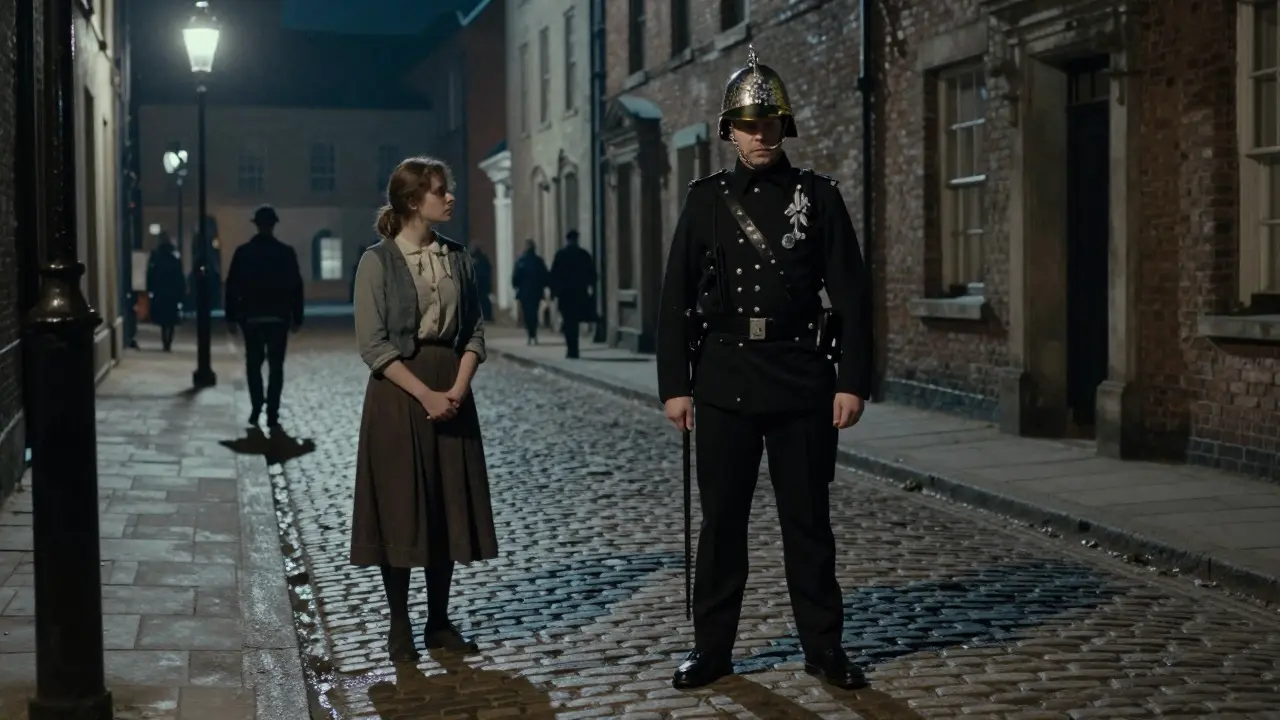
This panic wasn't unique to Britain, but the legal response was distinct. Instead of trying to reduce risk through education or protection (like condoms, which were available but stigmatized), the state chose surveillance. The logic was simple: if you can't stop the behavior, you can monitor those involved. This set the stage for the most controversial aspect of the Acts: compulsory inspection. The implementation of the Contagious Diseases Acts fell largely to local police forces and magistrates. This is where the abstract law met the messy reality of street-level enforcement. In garrison towns, police officers were given broad discretion to stop any woman who appeared to be a prostitute. If she couldn't produce a certificate proving she had been recently examined and found healthy, she could be arrested and sent to a lock-up hospital.
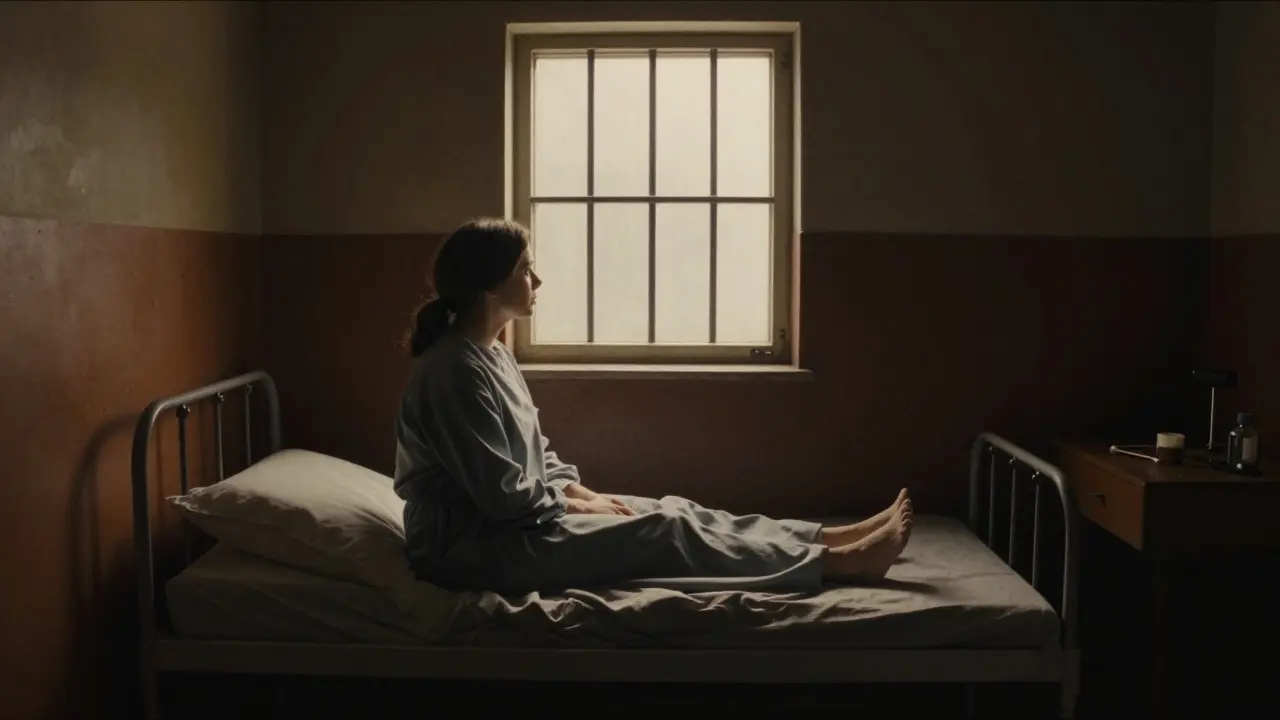
Lock-up hospitals are facilities established under the CDAs where women suspected of having contagious diseases were detained for treatment and observation served as both medical centers and prisons. Women stayed there until doctors declared them "fit" for duty again. There was no trial. No jury. Just a doctor's word and a police officer's suspicion.
For the municipalities, this was efficient. It removed "undesirable" elements from public view and kept the army healthy. For the women, it was a nightmare. Many were innocent of any disease. Some were even married women visiting relatives. The system relied on visual cues-clothing, demeanor, location-to determine guilt. This made police discretion is the authority granted to law enforcement officers to make decisions based on their judgment rather than strict rules a dangerous power. One officer might let a woman go; another might drag her away. This inconsistency fueled resentment and highlighted the arbitrariness of the regime.
Why weren't men inspected? Why weren't officers required to carry certificates? The answer lies in the Victorian concept of separate spheres. Men were seen as rational actors capable of self-control; women were viewed as emotional beings prone to moral weakness. Therefore, the "duty" of preventing disease fell on the woman's body. This double standard was central to the moral panic. Commercial sex was framed as a female failing, a lack of maternal instinct, rather than a mutual exchange between adults.
Critics, however, saw right through this. They argued that if the goal was public health, then everyone should be regulated. If the goal was morality, then punishing only half the participants was unjust. This argument would eventually lead to the repeal of the Acts, but for nearly a decade, the narrative held. The "social evil" label stuck because it allowed society to ignore the complex economic realities of poverty and labor markets. It was easier to blame a single category of women than to address the systemic issues driving women into sex work.
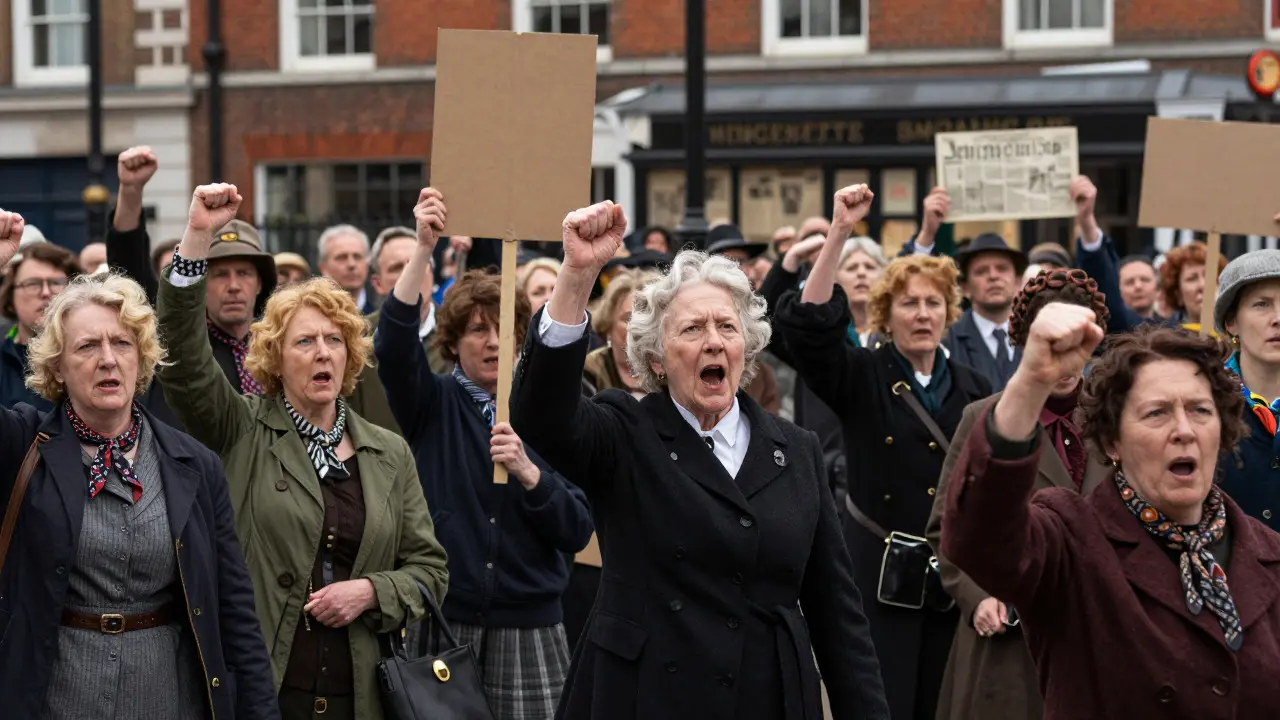
You might think that such an oppressive system would have faced immediate backlash. And it did, but it took time to coalesce. The opposition came from unexpected quarters. Liberal politicians, radical feminists, and even some religious groups joined forces. They formed the Anti-Contagious Diseases Act Association in 1870. Their strategy was two-fold: highlight the injustice of the double standard and expose the inefficiency of the system.
Josephine Butler is a prominent English suffragist and social reformer who played a key role in campaigning against the Contagious Diseases Acts became the face of this movement. She argued passionately that the Acts violated basic human rights and Christian ethics. Her speeches traveled across Britain, turning a local policy issue into a national debate. She pointed out that the disease rates among soldiers hadn't dropped significantly despite the inspections. In fact, some data suggested they remained stubbornly high. This undermined the core justification for the laws.
The campaign also leveraged the press effectively. While earlier coverage had fueled the panic, later articles began to question the motives behind the laws. Were they really about health, or were they about controlling women? As public opinion shifted, Parliament began to act. By 1883, the Acts were fully repealed. This victory was significant not just for the women directly affected, but for the broader movement for civil liberties and gender equality. It proved that organized resistance could overturn powerful state mechanisms built on moral panic.
Does this history matter today? Absolutely. The framework established during the era of the Contagious Diseases Acts still influences how many societies view sex work. The idea that sex workers need to be "managed," "inspected," or "rescued" rather than treated as workers with rights is a direct descendant of Victorian thinking. We see echoes of this in modern debates over zoning laws, mandatory testing, and the criminalization of clients versus providers.
Sex work advocacy is a movement seeking to decriminalize sex work and secure labor rights, healthcare access, and social protections for sex workers often draws parallels to the historical struggle against the CDAs. Advocates argue that just as the Victorians failed to recognize the agency of women, modern policymakers often fail to listen to sex workers themselves. The shift from viewing sex work as a "social evil" to recognizing it as a form of labor is a long process, but understanding its roots helps us identify where old biases still linger.
Moreover, the role of municipal control remains relevant. Cities still use zoning to push sex work into hidden corners, creating unsafe conditions for workers. Police discretion still plays a huge role in who gets harassed and who doesn't. Recognizing these patterns allows us to ask better questions: Who benefits from keeping sex work invisible? Who bears the cost of surveillance? And does the current approach actually improve health outcomes, or does it just manage symptoms while ignoring causes?
The Contagious Diseases Acts were a series of British laws passed between 1864 and 1869. They allowed police in specific garrison towns to stop and detain women suspected of being prostitutes for compulsory medical examinations to check for venereal diseases. Women found to be infected were sent to lock-up hospitals until deemed healthy. Victorian society viewed men as rational and women as morally weaker. The prevailing belief was that women were the primary source of moral corruption and disease. Therefore, the burden of prevention was placed solely on the female body, reflecting the gender norms of the era rather than scientific necessity. A diverse coalition opposed the laws, including liberal politicians, radical feminists, and religious groups. Josephine Butler was a leading figure in the Anti-Contagious Diseases Act Association, using public speaking and press campaigns to highlight the injustice and ineffectiveness of the regulations. Most historians agree the Acts had limited success. Disease rates among soldiers remained high, and the stigma associated with the exams often drove sex work underground, making it harder to track infections. Critics argued that the focus on punishment rather than prevention hindered effective public health measures. The Victorian emphasis on moral panic and surveillance laid the groundwork for modern attitudes that view sex work as a problem to be managed rather than a profession to be regulated. Today's debates over decriminalization and labor rights continue to grapple with the legacy of seeing sex workers as objects of social control rather than autonomous agents.The Anatomy of a Moral Panic
How Municipal Control Operated on the Ground
Aspect Description Impact on Women Compulsory Examination Mandatory medical check-ups for suspected prostitutes Invasion of privacy; physical pain; stigma Police Discretion Officers could stop women based on appearance Racial and class bias; arbitrary arrests Lock-up Hospitals Detention facilities for treatment Loss of freedom; separation from families Certificates of Health Paper proof of recent examination Burden of proof shifted entirely to women The Gendered Nature of the "Evil"
Resistance and the Road to Repeal
Legacy: From Victorian Streets to Modern Policy
Frequently Asked Questions
What exactly were the Contagious Diseases Acts?
Why were only women subject to inspection?
Who campaigned against the Acts?
Did the Acts succeed in reducing disease?
How does this history relate to modern views on sex work?