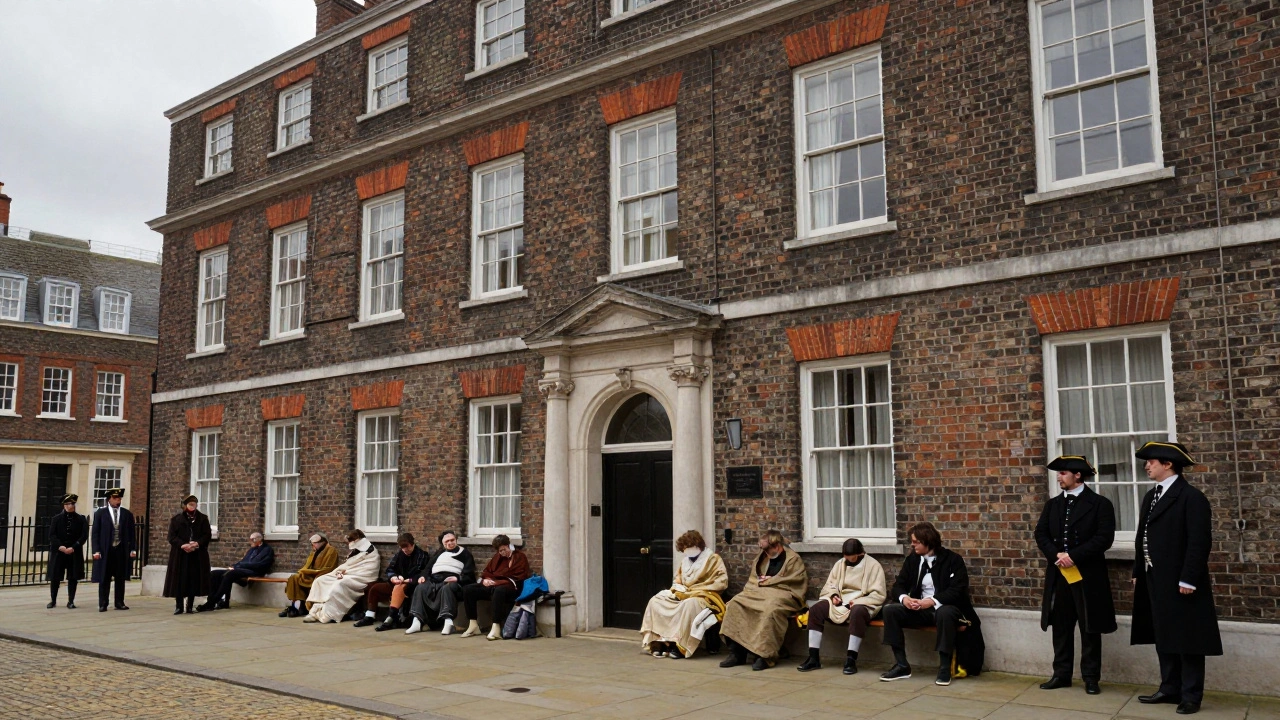
London Lock Hospital Timeline Explorer
Event Details
Select a year from the timeline to view details.
Imagine walking into a hospital in the mid-18th century where the primary purpose isn't just to heal your body, but to save your soul. This was the reality at the London Lock Hospital, the first voluntary hospital dedicated exclusively to treating venereal diseases such as syphilis and gonorrhea. Founded in 1746 (with its doors officially opening on January 31, 1747), this institution didn't just change how Britain treated sexually transmitted infections; it changed how society viewed illness, morality, and charity. Before this place existed, if you had an STI and no money, you were largely on your own or forced into overcrowded general wards. The London Lock Hospital created a new model: specialized care for those who couldn't afford private doctors.
The Origins of a Revolutionary Institution
So, why did the London Lock Hospital appear when it did? To understand this, we have to look at what came before. For centuries, medieval Europe relied on lazar houses-hospitals specifically built for lepers. But by the 1700s, leprosy had become rare in England. These buildings sat empty, and their charitable funds went unused. At the same time, venereal diseases like syphilis were rampant. Surgeon William Bromfeild saw an opportunity. He proposed repurposing the existing charitable infrastructure to treat the "new" epidemic. With the backing of 106 governors-mostly aristocrats who wanted to maintain social order and public health-he established the hospital at Grosvenor Place in London.
This wasn't just a medical decision; it was a social one. By having high-status patrons support the hospital, the stigma around venereal disease began to shift slightly. It moved from being seen purely as a punishment for moral failure to a medical condition that required professional treatment. Bromfeild employed two surgeons to run the clinic, setting a precedent for specialized medical staffing that would influence healthcare for decades.
Decoding the Name: What Does 'Lock' Mean?
You might wonder about the name itself. Why "Lock"? There are two main theories that historians still debate today. The first is linguistic. Some believe it comes from the French word *loques*, which means "rags." In the 18th century, patients with syphilitic sores were often wrapped in lint or rags to manage their wounds. Calling it the "Rag Hospital" made sense in a literal way, though "Lock" sounds less harsh in English.
The second theory is geographical. Southwark, a district in London known for its poverty and vice, had a medieval spittal (hospital) called the "Loke" or "Lock" for leprous persons. As leprosy faded, the name may have transferred to the new institution dealing with the new scourge. Regardless of the origin, the name stuck, and soon "Lock Hospital" became the generic term for any facility specializing in venereal disease across Britain.
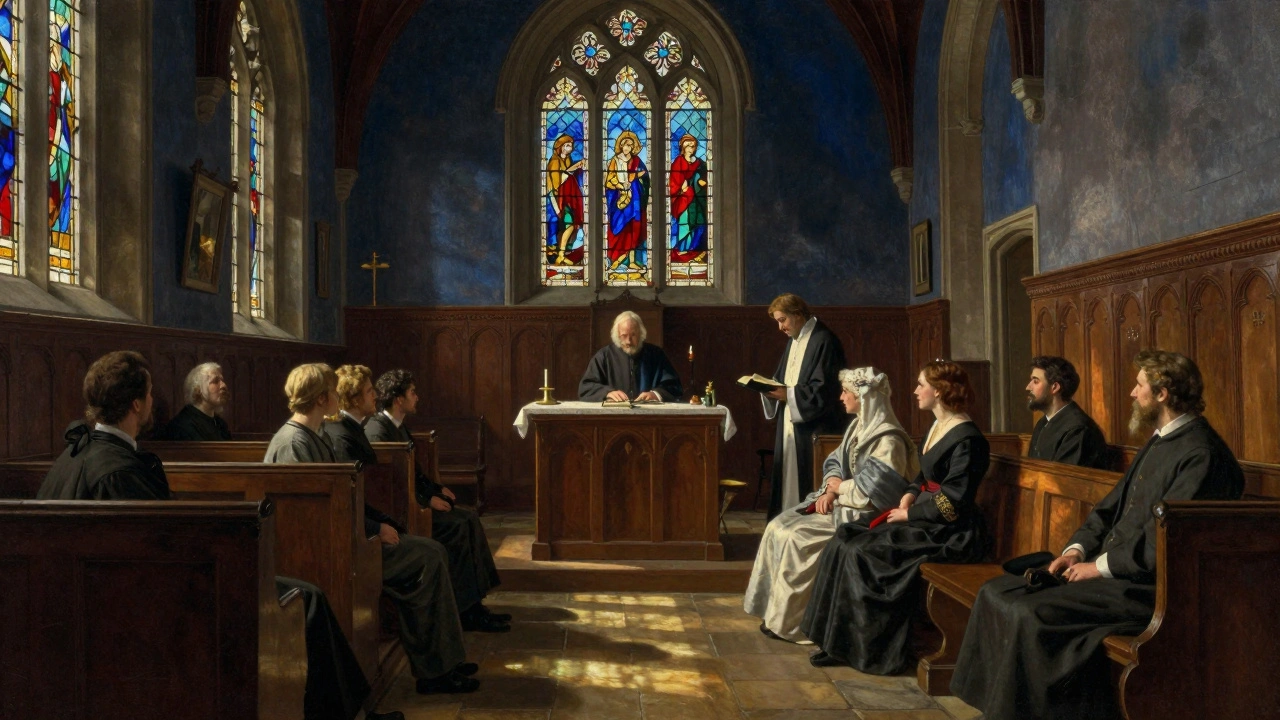
Medicine Meets Morality: The Chapel and the Asylum
The London Lock Hospital wasn't just about pills and poultices. In the 18th and 19th centuries, medicine and morality were tightly woven together. The hospital leadership believed that curing the body wasn't enough; they needed to cure the spirit. In 1764, they added a chapel to the site. This served a dual purpose: it provided spiritual comfort to patients and acted as a fundraising tool. Charitable donations poured in during services, helping to fund the expensive treatments that poor patients could not pay for themselves.
But the moral dimension went even further. In 1787, Reverend Thomas Scott, a Bible commentator, established an Asylum at Westbourne Green connected to the hospital. This facility was specifically for women who had completed their medical treatment. They were labeled "penitent females" or "Magdalenes." The goal wasn't just recovery; it was reformation. These women were expected to abandon their previous lifestyles and reintegrate into society as respectable members. This approach highlights the gendered nature of STI treatment at the time. While men might visit the hospital and leave, women were often subjected to stricter social surveillance and moral judgment.
Expanding Services: From Syphilis to Maternity Care
As the years passed, the medical understanding of venereal disease grew more complex. Doctors realized that untreated syphilis didn't just affect the individual; it affected future generations. Congenital syphilis, passed from mother to child, caused severe deformities and death in infants. This realization forced the London Lock Hospital to expand its scope. It began offering maternity and gynecology services.
This expansion marked a significant shift. The hospital evolved from a simple treatment center for acute infections into a comprehensive reproductive health institution. It acknowledged that sexual health was linked to maternal health and child welfare. This holistic approach was ahead of its time, recognizing the cascading effects of infectious diseases on family structures. The move to Harrow Road later in its history allowed for more space to accommodate these broader services and a growing patient population.
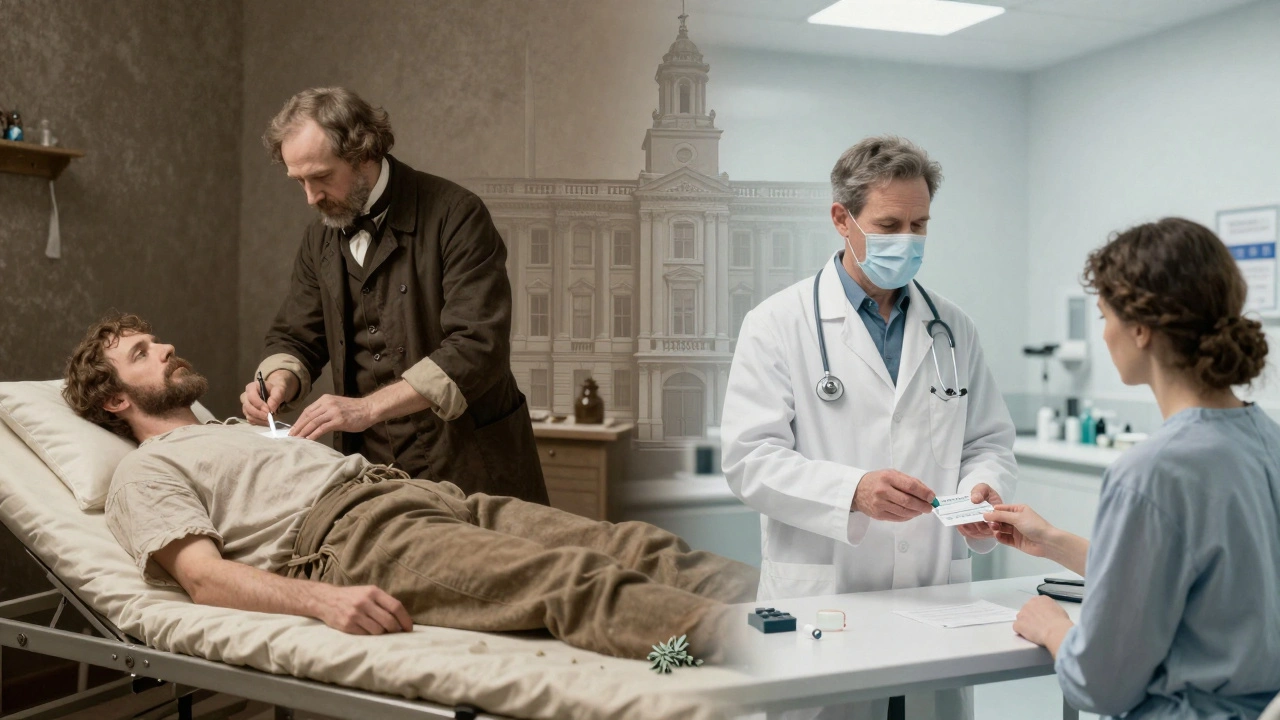
The End of an Era: Penicillin and the NHS
For nearly 200 years, the London Lock Hospital operated under the shadow of limited medical options. Treatments involved mercury, arsenic, and other toxic substances that were often as damaging as the disease itself. Then came the 1940s. The discovery of penicillin revolutionized medicine overnight. Antibiotics could cure syphilis and gonorrhea quickly, cheaply, and without the need for long-term hospitalization.
In 1948, the National Health Service (NHS) was established in the UK, nationalizing healthcare. The London Lock Hospital was incorporated into the NHS. You might think this would secure its future, but it actually signaled the end. With penicillin available, there was no longer a need for specialized, isolated hospitals for venereal disease. Treatment moved to outpatient clinics and general practices. Just four years after joining the NHS, in 1952, the London Lock Hospital closed its doors permanently. Its mission was complete because modern medicine had rendered its specific institutional model obsolete.
| Year | Event | Significance |
|---|---|---|
| 1746/1747 | Founded by William Bromfeild | First voluntary hospital dedicated to venereal disease |
| 1764 | Chapel Added | Integrated spiritual care with medical treatment |
| 1787 | Asylum Established | Focused on moral reformation of female patients |
| 1948 | Incorporated into NHS | Became part of nationalized healthcare system |
| 1952 | Closed | Antibiotics made specialized hospitalization unnecessary |
Legacy of the Lock Model
The London Lock Hospital didn't just disappear; it left a blueprint. It proved that charitable, non-profit institutions could provide high-quality, specialized medical care to the indigent. This "voluntary hospital" model became the standard for many other specialized facilities in Britain and beyond. It also set the stage for modern public health approaches to communicable diseases. By isolating and treating specific conditions, it helped contain epidemics and improve overall community health.
Today, when we talk about sexual health, we focus on biology and prevention. But the London Lock Hospital reminds us that healthcare has always been intertwined with social policy, morality, and economics. It shows how far we've come-from treating syphilis with mercury in a chapel-equipped asylum to prescribing antibiotics in a quick clinic visit. Understanding this history helps us appreciate the complexity of current health challenges and the importance of destigmatizing care.
Who founded the London Lock Hospital?
The London Lock Hospital was founded by surgeon William Bromfeild in 1746, with official operations beginning in January 1747. He was supported by a board of 106 governors, primarily from the aristocracy, who provided funding and oversight.
Why was it called the 'Lock' Hospital?
There are two main theories. One suggests it derives from the French word 'loques,' meaning rags, referring to the dressings used for syphilitic sores. The other links it to the 'Loke' or 'Lock' in Southwark, a medieval hospital for lepers, whose name was repurposed as leprosy declined.
What types of diseases did the London Lock Hospital treat?
It primarily treated venereal diseases, most notably syphilis and gonorrhea. Over time, it expanded to include gynecological and maternity care due to the impact of congenital syphilis on mothers and infants.
When and why did the London Lock Hospital close?
The hospital closed in 1952. Its closure was driven by the advent of penicillin and other antibiotics, which made long-term hospitalization unnecessary for venereal diseases. Additionally, its integration into the NHS in 1948 led to a restructuring of services towards outpatient care.
Was the London Lock Hospital only for men?
No, it treated both men and women. However, women faced additional moral scrutiny. An attached Asylum was established in 1787 specifically for women to undergo "moral reformation" after medical treatment, reflecting the gendered attitudes of the time.