Etruscan Festival Myth Buster
Select the characteristics of a festival scene below. We will analyze them against archaeological evidence versus Roman propaganda to tell you if this event truly reflects Etruscan history.
Analysis Result
Etruscan Historical Accuracy
There's a persistent whisper in ancient history circles suggesting that Etruscan festivals weren't just about praying-they were about partying in ways that shock modern sensibilities. You've likely heard stories of wild orgies disguised as religious acts. But when you dig into the actual archaeological dirt, the picture gets blurry. Did the Etruscans really mix sex and sacrifice, or was it mostly gossip from their neighbors?
We often look at ancient Italy through the eyes of the Romans who followed them. Rome claimed the Etruscans were loose with their morals, especially during sacred times. However, the physical evidence tells a slightly different story. To understand this, we need to separate the artistic flourishes on a tomb wall from the strict laws that actually governed their daily worship.
The Strict Rules Behind the Etruscan Faith
Before we talk about anything chaotic, we have to acknowledge that Etruscan religion was incredibly organized. It wasn't free-for-all spirituality. Etrusca Disciplina refers to a massive collection of texts and codes that dictated every move a priest made. These books covered everything from predicting lightning strikes to reading animal livers.
This rigidity matters because it contradicts the idea of random sexual freedom. If the priests were obsessed with exact protocols-like digging foundation trenches in specific directions or sacrificing animals in precise order-it makes sense that public festivals followed similar scripts. Tinia is the chief deity of the Etruscan pantheon, equivalent to Jupiter. Serving Tinia required discipline, not debauchery.
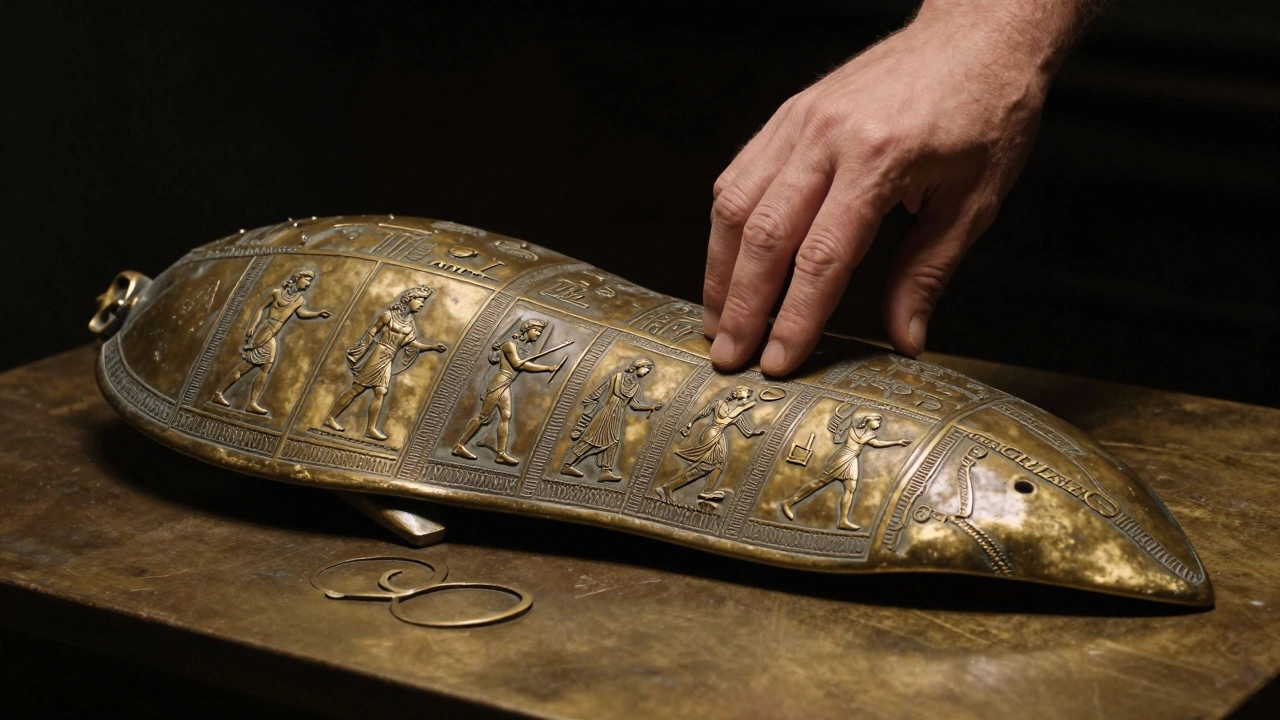
The high priests, known as haruspices, spent their lives studying omens. They didn't interpret signs based on feelings; they used charts. The famous Liver of Piacenza, a bronze model of a sheep liver, served as a guide for priests to predict future events. Imagine holding a map where every bump tells you something serious about the gods' mood. In a system that rigid, uncontrolled behavior during key rituals would be seen as dangerous, not holy.
The Big Gathering at Fanum Voltumnae
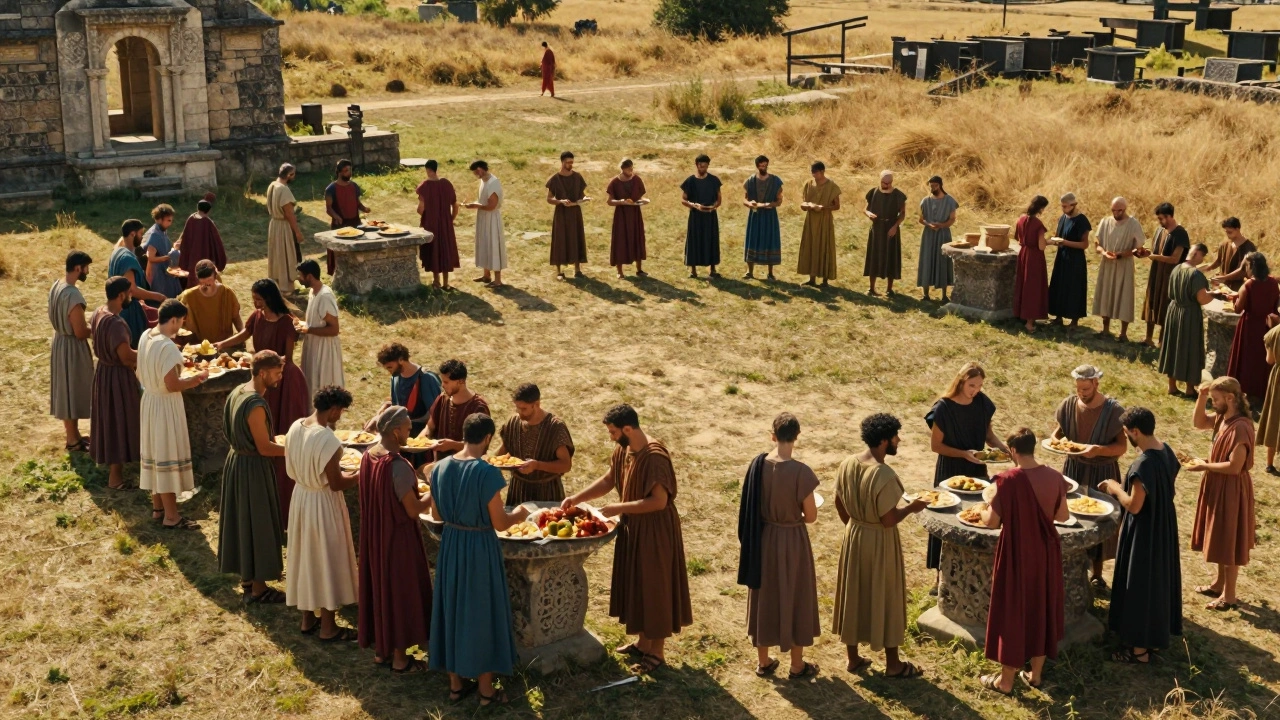
If you want to find the heart of their celebration culture, you look at Fanum Voltumnae, the main sanctuary where cities gathered annually. This event was the closest thing to a national holiday. Elders from different city-states met here to discuss politics and offer prayers. It sounds boring until you add the crowd dynamics.
These gatherings involved food and drink shared by the community. We see lots of evidence of wine consumption and banquets. In many cultures, eating together blurs the line between sacred duty and social bonding. For the Etruscans, these feasts were likely rowdy, yes, but 'rowdy' doesn't automatically mean 'sexual.'
- Processions moved through the city in prescribed orders.
- Music and dancing filled the spaces between speeches.
- Meat from sacrifices was eaten publicly, not hidden.
The danger lies in assuming that getting drunk at a festival meant everyone started having public relations. While intoxication happened, the texts describe the sharing of sacrificial meat as a way to maintain cosmic balance. It was a meal with a purpose, not a rave without consequences.
Tomb Paintings: Art or Instruction?
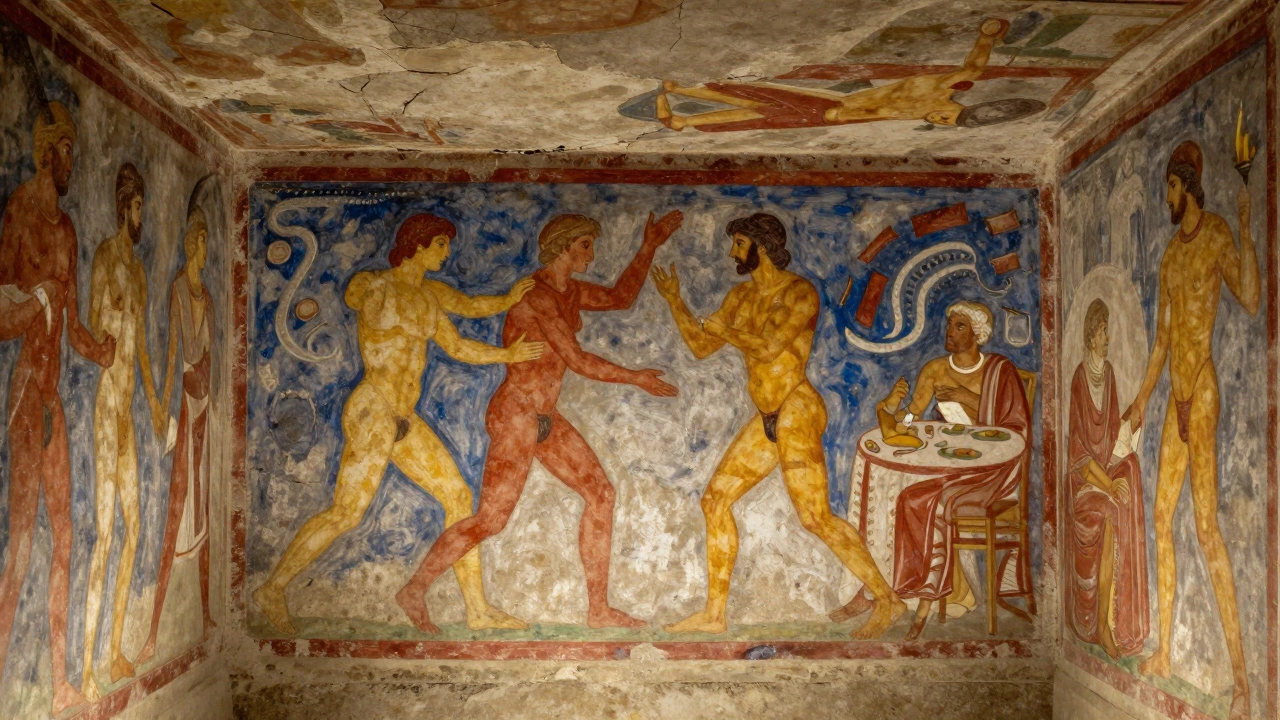
So why do people insist on the sexual angle? It comes down to the art. Etruscan tombs are full of vibrant scenes showing reclining diners, musicians, dancers, and sometimes naked figures. Necropolis means city of the dead, and these burial grounds hold most of our clues.
In some paintings, couples lie together under drapery. Others show athletic contests where participants are stark naked. When you combine nudity with a festive atmosphere, your brain jumps to 'sex.' But Etruscan culture viewed the body differently than later Christian societies. Nudity often symbolized heroism or purity in athletics, not necessarily lust.
We also have to remember where these pictures hang. They are inside tombs. Art placed over the deceased usually depicted their happiest memories or their hopes for an afterlife paradise. A scene of intimacy might represent a happy marriage lasting forever, not a report of last year's spring festival.
The Roman Smear Campaign
A huge chunk of what we think we know comes from Roman writers who came after the Etruscans collapsed. Rome loved to hate its predecessors. They claimed the Etruscans were corrupt and that their women had too much power.
This hostility explains the rumors about sexual license. By accusing the Etruscans of moral decay, Rome justified taking over their land and absorbing their wealth. We shouldn't trust the propaganda. Just because a Roman writer said "they all got crazy during holidays" doesn't mean archaeologists found evidence of it.
| Culture | Primary Focus | View on Female Participation | Typical Activities |
|---|---|---|---|
| Etruscan | Community Harmony | Women joined banquets | Dancing, singing, feasting |
| Roman | Civic Order | Women excluded from rites | Sacrifice, voting, games |
| Greek | Purification | Limited participation | Running, wrestling, prayer |
The difference is striking. Etruscan women did appear in public dining scenes, which shocked conservative Greeks and Romans. That visibility made outsiders accuse them of impropriety. Seeing a woman drinking wine next to a man was radical enough to fuel rumors of open adultery.
Funeral Games and Physical Displays
Another place where things get intense is the funeral. Etruscan funerals often featured athletic competitions. Wrestling, boxing, and chariot races honored the dead. These events drew huge crowds and energy.
Fufluns was the god of fertility and harvest, associated with wine and vitality. Festivals honoring him naturally involved plenty of energy and physical movement. Sometimes this included gladiatorial displays, which were popular before Rome appropriated them.
The presence of Ritual Dancers, called ludiones, who wore conical hats and pointed beards, added drama to the proceedings. They influenced Roman theater later on. Their performances could be wild and acrobatic, possibly involving exaggerated movements that looked suggestive to outsiders.
The Divination Factor
Don't forget the role of fear. Religion in the Etruscan world was scary. You were always watching out for angry gods. Lightning storms were read for symbols of good and bad luck. If the heavens threw a thunderbolt, someone had to calm the storm with a ritual.
This mindset leaves little room for casual sexual indulgence during solemn moments. While there might have been private relaxation after long ceremonies, the public eye remained fixed on the safety of the state. A festival gone wrong due to bad behavior could theoretically anger the gods and bring plague upon the city.
Why the Confusion Persists
Modern readers love the idea of ancient "libertines." We imagine civilizations where people were freer than us. That narrative is appealing. But the evidence points to a complex society balancing pleasure with law.
They enjoyed food, wine, music, and company. They dressed their bodies boldly. But they also lived by written codes that demanded precision. The gap between what looks like "sexual license" and what actually constituted ritual conduct is vast.
If you walk through the Necropolis today, you see the beauty of the art, but you have to filter out the gossip left by conquerors. The truth is likely in the middle: vibrant, joyful, communal, but not defined by the extreme rumors.