#MeToo Justice Pathway Simulator
Pick a scenario and toggle the factors that apply. The gauge shows how much harder or easier it is for a survivor to be believed, report safely, and reach a resolution.
1. Choose your situation
2. Adjust what applies to you
Your justice outlook
The hashtag #MeToo is a global social media campaign that emerged in 2017 to raise awareness about sexual harassment and abuse, particularly in the workplace. While it started as a viral trend following the Harvey Weinstein scandal, it quickly evolved into a massive movement for systemic change. Today, nearly a decade later, we are seeing the long-term effects of this shift in public consciousness. The silence that once protected perpetrators is cracking, but the path to true justice remains complex.
From Hashtag to Legal Revolution
You might remember the initial shock when stories began pouring out on social media platforms. It wasn't just entertainment industry gossip; it was a reckoning. The movement forced companies and governments to look at how they handled complaints. Before #MeToo, many victims felt trapped by Non-Disclosure Agreements (NDAs) and arbitration clauses. These legal tools were designed to keep cases quiet and cheap for the accused. Now, the landscape has shifted significantly.
In the United States, legislative bodies have responded with new laws aimed at transparency. For example, several states have passed legislation requiring employers to provide paid leave for employees who need to attend medical or legal appointments related to domestic violence or sexual assault. This isn't just about sympathy; it’s about removing practical barriers that kept survivors from seeking help. When you remove the fear of losing your job during a critical time, you empower people to speak up.
The Role of Corporate Accountability
Corporate culture plays a huge role in whether sexual violence goes unreported. Large tech firms and Hollywood studios have had to overhaul their HR departments. They can no longer rely on a single, often biased, internal investigation. Instead, many organizations are now hiring independent investigators or using third-party ombudspersons. This separation helps ensure that the person handling the complaint doesn’t have a conflict of interest.
However, accountability isn't just about firing the bad actor. It’s about changing the environment. Companies are now investing in mandatory training that goes beyond checking boxes. They are teaching managers how to spot power imbalances and how to listen without judgment. If a manager treats a complaint as a nuisance rather than a serious matter, the victim feels dismissed again. True cultural change requires leadership to model respectful behavior daily.
Challenges in the Judicial System
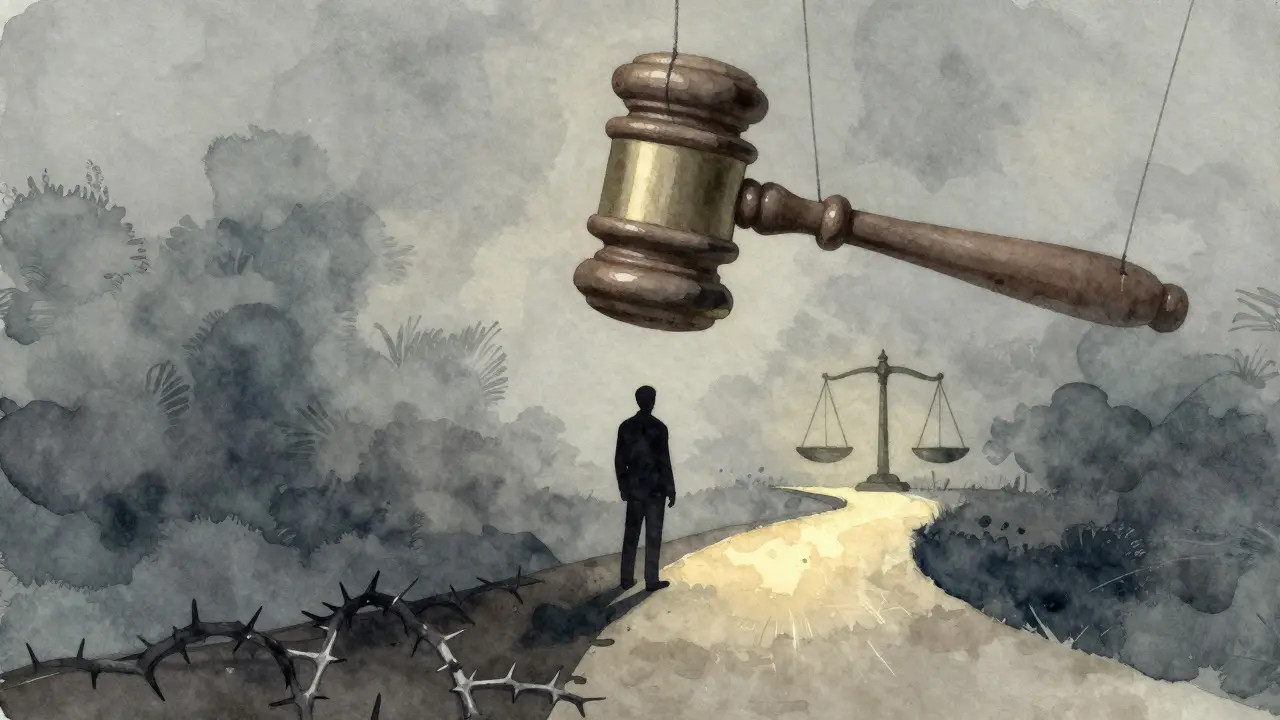
While corporate policies are tightening, the judicial system still faces hurdles. Proving sexual violence in court is notoriously difficult because it often happens in private, without witnesses. The legal standard of "beyond a reasonable doubt" is high. Many survivors struggle with the trauma of testifying against someone who holds power over them. This is why civil lawsuits have become an alternative path. In civil cases, the burden of proof is lower-"preponderance of the evidence"-which means it only needs to be more likely than not that the event happened.
This distinction matters. It allows survivors to seek financial compensation and public acknowledgment without needing a criminal conviction. Yet, even here, delays are common. Court backlogs mean that some cases take years to resolve. During that time, the emotional toll on the survivor is immense. Advocates argue that we need faster, specialized courts dedicated solely to sexual violence cases to reduce this drag on the process.
Supporting Survivors Beyond the Headlines
Media attention spikes during major scandals, but support needs to be consistent. Local shelters and non-profit organizations often operate on tight budgets. They provide essential services like counseling, legal aid, and safe housing. When funding dries up between news cycles, these resources become scarce. Community support is vital. Neighbors, friends, and colleagues play a crucial role in believing the survivor. A simple act of listening without judgment can make a world of difference in their recovery journey.
We also need to address intersectionality. Not all survivors face the same obstacles. Women of color, LGBTQ+ individuals, and those with disabilities often encounter additional layers of bias. For instance, Black women report being less believed by police officers compared to white women. Addressing these disparities requires targeted policy changes and diverse representation in law enforcement and legal teams.
| Aspect | Pre-#MeToo Era | Post-#MeToo Era |
|---|---|---|
| Reporting Mechanisms | Internal HR only, often secretive | Third-party options, anonymous hotlines |
| Legal Protections | Widespread use of NDAs | Limits on NDAs in settlement agreements |
| Public Perception | Victim-blaming common | Greater emphasis on belief and support |
| Workplace Training | Annual compliance checklists | Behavioral workshops on power dynamics |

Looking Ahead: What Still Needs to Change
We’ve made progress, but we aren’t done. One major gap remains in the protection of gig workers. Since the rise of the platform economy, many workers are classified as independent contractors. This status often strips them of employee protections, making it harder to report harassment without fear of being dropped from the app. As work becomes more decentralized, labor laws need to catch up to protect these vulnerable populations.
Education is another front. We need to teach consent and healthy relationships starting in middle school. If we normalize open conversations about boundaries early on, we reduce the likelihood of misunderstandings turning into violations. It’s not about policing behavior; it’s about building empathy and communication skills. When young people understand that consent is ongoing and reversible, they grow up with healthier expectations.
Frequently Asked Questions
What is the primary goal of the #MeToo movement?
The primary goal is to break the silence surrounding sexual harassment and abuse, hold perpetrators accountable, and drive systemic changes in workplaces and legal systems to better protect survivors.
How did #MeToo change workplace policies?
It led to stricter anti-harassment training, the reduction of Non-Disclosure Agreements, and the adoption of independent investigation processes to ensure fairness in reporting complaints.
Is it easier to get justice now than before?
In many ways, yes. Civil avenues are clearer, and social stigma has decreased. However, legal delays and evidentiary challenges in criminal courts remain significant hurdles for many survivors.
Who benefits most from recent legal reforms?
Employees in traditional corporate settings benefit most from paid leave laws and NDA restrictions. Gig workers and marginalized communities still face gaps in protection that require further legislative attention.
What role does education play in preventing sexual violence?
Early education on consent and healthy relationships helps normalize communication and reduces misunderstandings. It builds a cultural foundation where respect for boundaries is expected rather than exceptional.