Inclusive Education Readiness Assessment
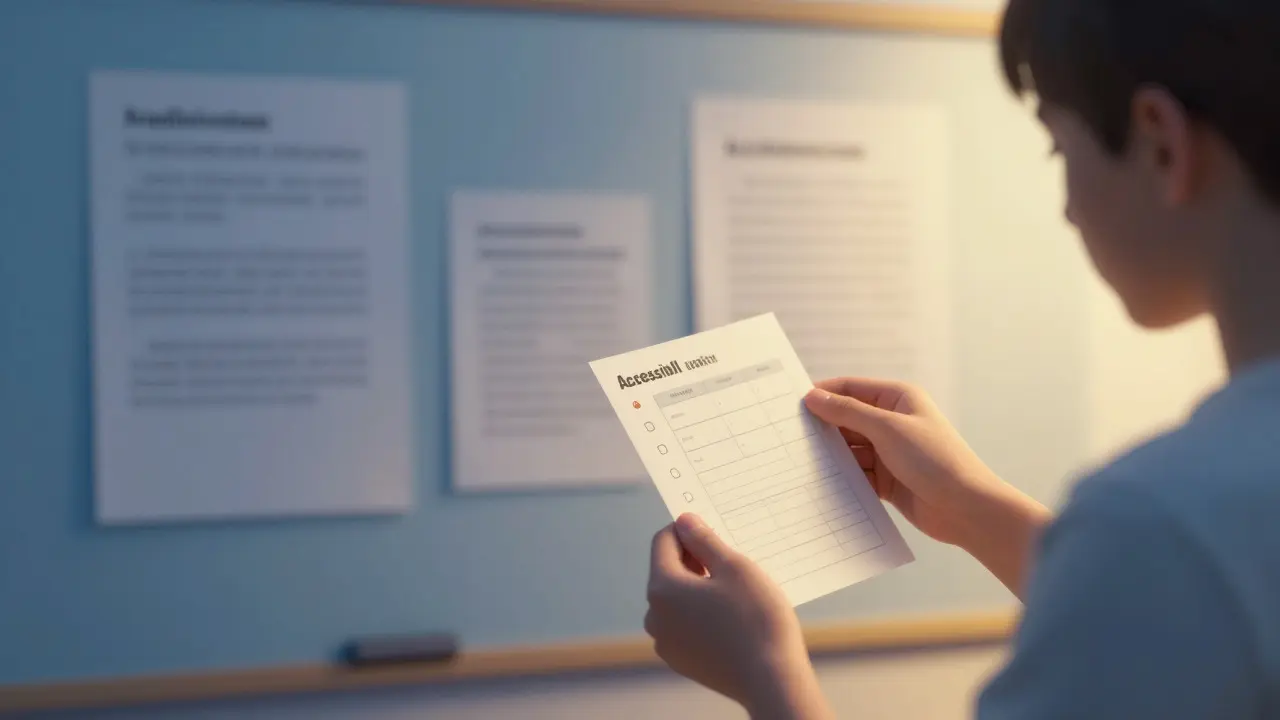
Use this tool to assess your school's or classroom's approach to supporting disabled students' social and sexual development. Answer the following questions based on current policies and resources.
Is sexual development and health explicitly included in the Individualized Education Program (IEP) goals for applicable students?
Are adaptive materials (tactile models, visual schedules, video modeling) available to explain anatomy and hygiene?
Do teachers receive specific professional development on dismantling myths about disability and sexuality?
Are there designated private areas where students can change, use restrooms, or speak with counselors without being observed?
Do non-verbal students have access to AAC devices or tools to express preferences, boundaries, and questions?
Is there an active partnership with families to ensure school-based sex ed aligns with home values while covering safety basics?
Readiness Level
Description
For decades, the conversation around disabled children is individuals with physical, intellectual, or developmental differences who require tailored educational and social support in schools has focused almost exclusively on academics. Can they read? Can they pass the math test? But there is a quieter, more complex struggle happening in hallways and health classrooms: the right to understand their own bodies, navigate relationships, and develop a healthy sense of self without stigma. This is where sexual development is the biological and psychological process of maturing into adulthood, including understanding anatomy, consent, and relationships meets inclusive education is an educational approach that ensures all students, regardless of ability, learn together in general education settings. When these two concepts collide, families often find themselves fighting not just for grades, but for dignity.
The Hidden Gap in Inclusive Classrooms
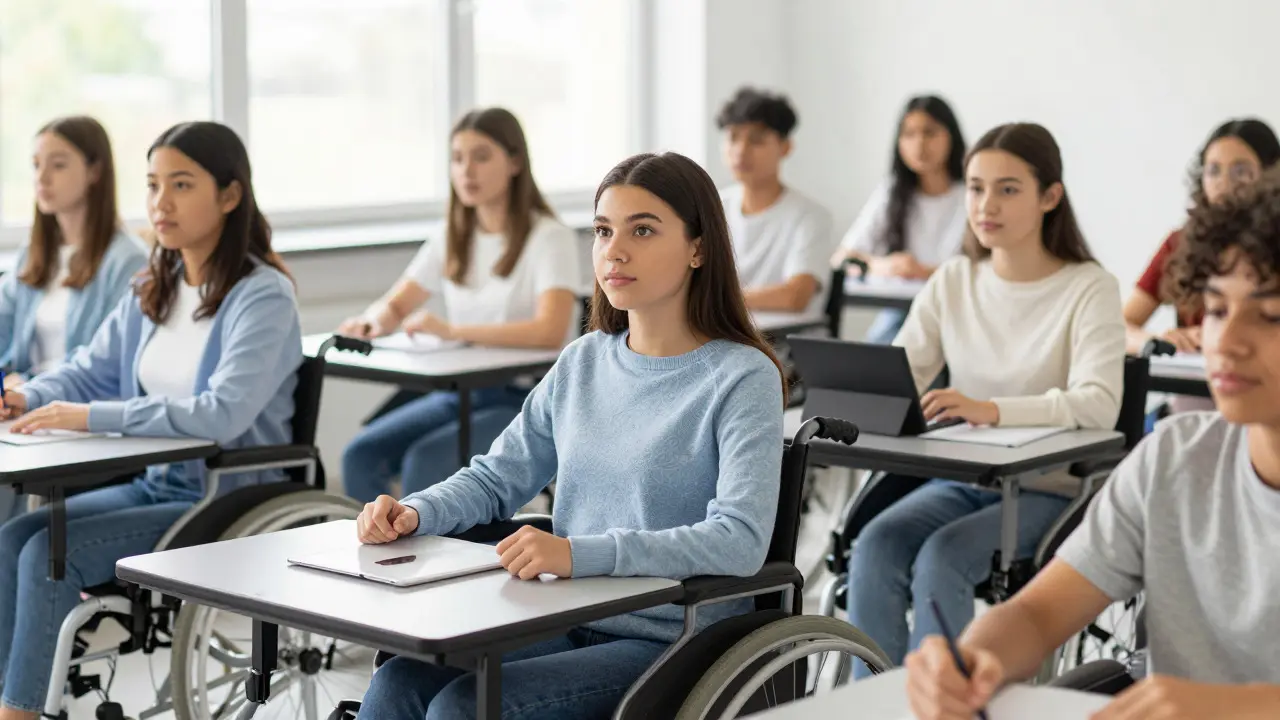
Inclusive education is a policy framework requiring schools to provide equal access to learning environments for students with disabilities has transformed how we view school integration. Instead of segregating students into separate special education tracks, modern policies like the Individuals with Disabilities Education Act (IDEA) mandate that children spend as much time as possible in general classrooms. The goal is social normalization. However, this integration often stops at the academic door. While a student with autism might sit next to neurotypical peers during history class, the moment the topic shifts to puberty or dating, the teacher often steps back. Why? Because sex education is rarely standardized, and teachers fear saying the wrong thing.
This hesitation creates a vacuum. For many disabled students, sexuality is the capacity to experience desire, intimacy, and romantic connection, which is universal across all human groups remains an abstract concept taught by well-meaning but untrained adults. The result is a generation of young people who are academically integrated but socially isolated when it comes to their most personal needs. They know what a mitochondria is, but they may not know how to ask for a date or recognize the signs of abuse because no one ever explained them in a way that made sense to their specific cognitive or sensory profile.
Why Sexual Development Is a Human Right
We often treat sexual development is the natural progression of physical and emotional maturity leading to adult identity as a private matter, something to be handled at home. But for children in institutional care, foster systems, or those with significant communication barriers, "home" is not always a safe place for this education. Schools become the primary source of information. If a child cannot speak clearly, or if they rely on an augmentative and alternative communication (AAC) device, the barrier to asking questions about their body is massive. Without explicit instruction, they are left to guess. Guessing leads to risk. It leads to exploitation. It leads to shame.
The United Nations Convention on the Rights of Persons with Disabilities explicitly states that persons with disabilities have the right to maintain their fertility and to make informed choices about reproduction. Yet, in practice, medical professionals and educators often operate under a paternalistic assumption that disabled individuals are less capable of making these decisions. This bias is dangerous. It strips agency from the individual and places power entirely in the hands of caregivers. True integration is the process of bringing marginalized groups into mainstream society with full participation and equality means recognizing that a teenager with Down syndrome has the same curiosity, the same desires, and the same need for privacy as any other teenager.
Barriers to Effective Communication
The biggest hurdle in teaching disability sexuality is the intersection of disability rights and sexual health education, focusing on autonomy and respect is language. Standard sex ed materials are designed for average reading levels and typical sensory processing. They don't account for non-verbal students, students with visual impairments, or those who process information differently. A textbook diagram of reproductive organs doesn't help a student who learns best through tactile experiences. A lecture on consent doesn't help a student who struggles with abstract social cues.
Teachers also face their own biases. Many hold outdated views that disabled people are asexual or that their sexuality is inherently problematic. This "hypersexuality" myth suggests that because disabled people lack verbal control, they must be constantly seeking touch. Conversely, the "asexual" myth assumes they don't feel anything at all. Both are false. Both lead to poor care. When a teacher believes a student is asexual, they skip the lesson. When they believe a student is hypersexual, they over-monitor. Neither approach respects the student's actual experience. Bridging this gap requires training that goes beyond pedagogy; it requires a shift in cultural attitude toward disability and desire.
Practical Strategies for Schools
So, how do we fix this? It starts with curriculum design. Special education is educational services provided to students with unique learning needs, often involving individualized plans programs must include health education is instructional content covering physical, mental, and social well-being, including hygiene and relationships as a core component, not an optional extra. Here are concrete steps schools can take:
- Use Multi-Sensory Materials: Incorporate dolls, tactile maps, and video modeling to explain anatomy and hygiene routines. Visual schedules can help students understand the sequence of events during intimate moments.
- Teach Consent Explicitly: Break down consent into simple, actionable steps. Use role-play scenarios that reflect real-life situations, such as borrowing a jacket or sharing a desk, before moving to more intimate contexts.
- Train Staff on Bias: Professional development should focus on dismantling myths about disability and sexuality. Teachers need confidence to discuss these topics without awkwardness.
- Involve Families Early: Parents are the first teachers. Schools should provide resources that align with family values while ensuring basic facts are covered. Collaboration prevents conflicting messages at home and school.
- Create Safe Spaces: Ensure there are private areas in schools where students can change, use the restroom, or talk to a counselor without being watched. Privacy is a fundamental part of sexual health.
The Role of Technology and AAC
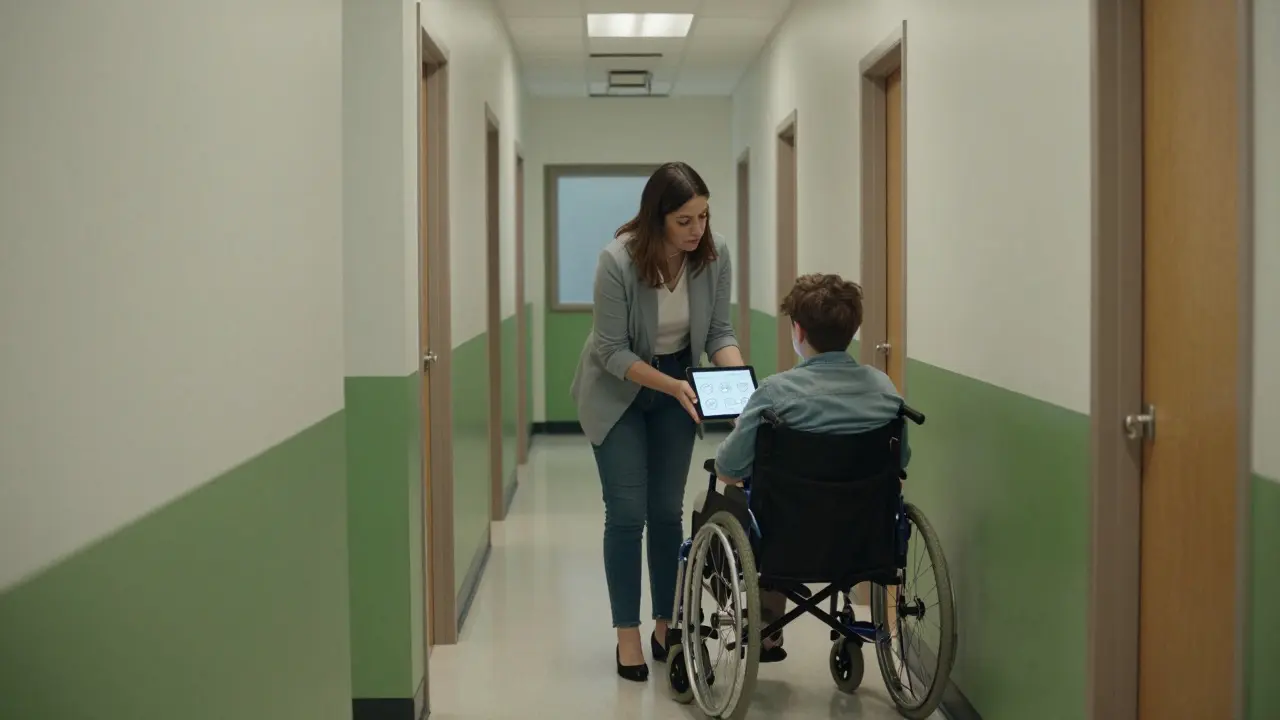
Technology offers a powerful tool for bridging communication gaps. Augmentative and Alternative Communication (AAC) devices allow non-verbal students to express preferences, set boundaries, and ask questions. Imagine a student using a tablet to show a picture of a heart to indicate they like someone, or a stop sign to indicate they want space. These tools empower students to participate in social interactions on their own terms. Schools that invest in AAC technology are not just buying hardware; they are buying voice. They are giving students the ability to say "yes," "no," and "maybe" in ways that are clear and undeniable.
Digital platforms also offer discreet ways to deliver sensitive information. Apps designed for special populations can provide step-by-step guides on hygiene, menstruation, or masturbation in a private setting. This reduces the anxiety of public discussion and allows students to learn at their own pace. As technology advances, so does the potential for personalized learning paths that adapt to each student's cognitive level and sensory needs.
| Feature | Traditional Approach | Inclusive/Adaptive Approach |
|---|---|---|
| Target Audience | Average cognitive level | All learners, including non-verbal |
| Materials | Textbooks, lectures | Tactile models, videos, AAC apps |
| Teacher Training | Basic biology knowledge | Bias reduction, adaptive techniques |
| Goal | Information transfer | Autonomy, safety, social inclusion |
| Assessment | Written tests | Observation, practical application |
Challenges in Implementation
Despite the clear benefits, implementation is tough. Funding is often the first obstacle. Special education budgets are tight, and sex ed is frequently viewed as a low priority compared to reading and math. Districts may cut funding for specialized materials or staff training first. There is also the issue of parental opt-outs. Some parents prefer to handle these topics at home, fearing that school-based instruction will contradict their religious or cultural beliefs. While respecting family choice is important, it shouldn't mean withholding basic safety information from children who depend on the school for guidance.
Another challenge is consistency. If one teacher handles the topic with sensitivity and another avoids it, students get mixed signals. Curriculum standards need to be clear and mandatory. Without standardization, quality depends entirely on the individual teacher's comfort level, which is an unreliable metric for a critical life skill.
Looking Ahead: A Culture of Respect
The path forward isn't just about better textbooks or more tablets. It's about changing how we see disabled people. We need to move away from viewing them as objects of care and start seeing them as subjects of their own lives. This shift requires effort from educators, policymakers, and families. It means acknowledging that education rights is legal entitlements ensuring equal access to learning opportunities for all citizens includes the right to know your body. It includes the right to make mistakes, to fall in love, and to grow up with dignity. When we integrate sexual development into the broader framework of inclusive education, we aren't just teaching biology. We are teaching humanity. And that is a lesson every child deserves.
What is the main difference between special education and inclusive education regarding sexual health?
Special education often focuses on individualized academic goals, while inclusive education emphasizes social integration. Regarding sexual health, inclusive approaches aim to teach skills in general settings using adaptive methods, whereas special education might isolate these lessons in private sessions, potentially limiting social exposure.
How can schools ensure privacy for disabled students discussing sexual development?
Schools should designate quiet, private rooms for counseling or health discussions. Using AAC devices allows students to communicate privately without needing to speak aloud. Additionally, scheduling one-on-one time with trusted staff members helps reduce anxiety and ensures confidentiality.
Are there legal requirements for sex education in schools for disabled children?
While laws vary by state and country, federal mandates like IDEA require that Individualized Education Programs (IEPs) address transition planning, which often includes vocational and social skills. Sexual health is increasingly recognized as part of social skills and independence, though specific curricular requirements may not be uniform nationwide.
What role do parents play in this process?
Parents are crucial partners. They should communicate their values and expectations to the school. Collaborative planning ensures that the school's approach complements the home environment. Parents can also advocate for specific accommodations or resources if they feel the current plan is insufficient.
How can teachers overcome their own discomfort discussing these topics?
Professional development focused on reducing bias and providing scripted, factual language can help. Starting with small, neutral topics like hygiene builds confidence. Over time, as teachers see positive outcomes in student engagement and safety, their comfort level typically increases.