Contraceptive Access Impact Simulator
Based on the 2013 Texas exclusion study by Stevenson et al., explore what happens when a major provider is removed from the safety net.
LARC Access
Stable
Long-Acting Reversible Contraception availability remains consistent across clinics.Unintended Births
Baseline Level
Rate of Medicaid-covered births among low-income women.Patient Access
Full Capacity
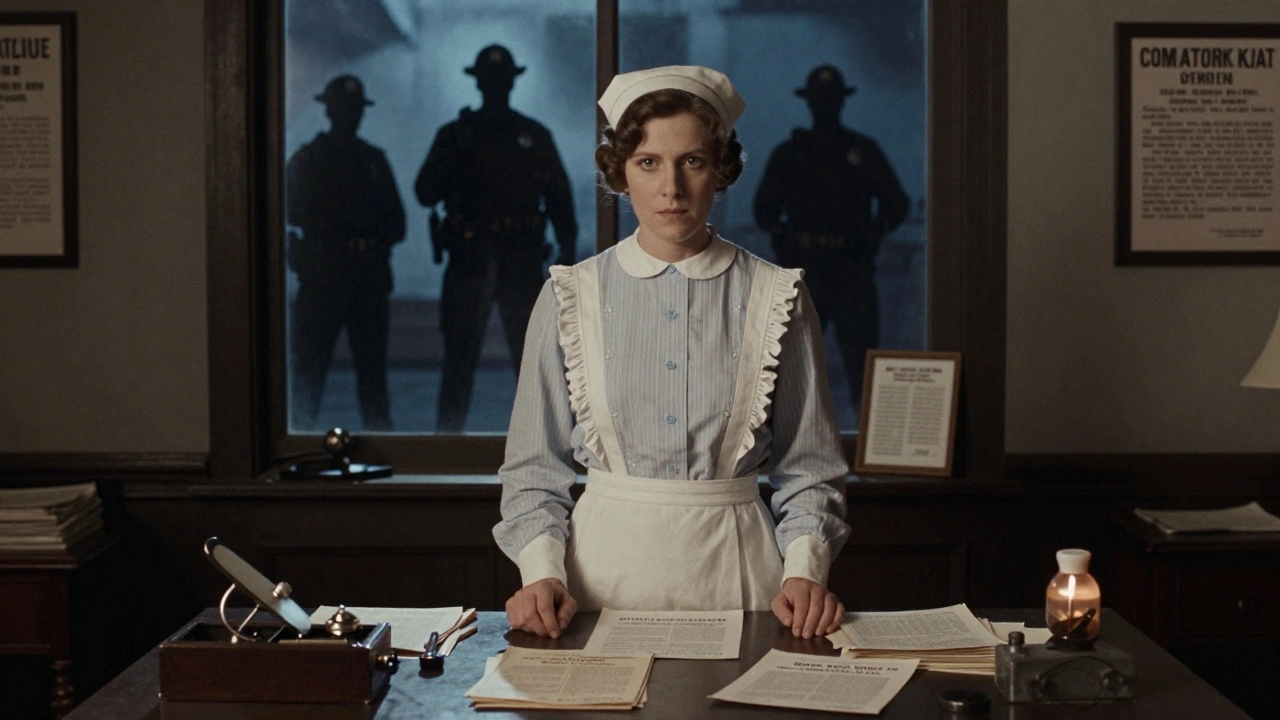
Ability of safety-net providers to absorb patient volume.Imagine trying to buy birth control in 1916. You couldn’t just walk into a pharmacy. It was illegal. Distributing information about contraception violated federal laws known as the Comstock Act. If you were caught helping someone avoid pregnancy, you could go to prison. That is exactly what happened to Margaret Sanger, a nurse and activist who opened the first birth control clinic in Brooklyn, New York, on October 16, 1916. She was arrested ten days later.
A century later, the landscape looks completely different. Today, millions of people rely on one organization to provide that same care: Planned Parenthood Federation of America (PPFA), the largest provider of publicly supported contraceptive services in the United States. But how did a small, illegal clinic become such a massive pillar of public health? And what happens when political winds shift?
This isn’t just a history lesson. It’s about understanding why access to birth control varies so wildly depending on where you live, who pays for it, and which clinics are open. We’ll look at the data, the legal battles, and the real-world impact of cutting off these services.
The Origins: From Illegal Clinics to Medical Innovation
To understand Planned Parenthood’s role today, you have to look at its roots. Before it had that name, it was a movement fighting criminalization. After Sanger’s arrest, she founded the American Birth Control League in 1921. In 1942, this group merged with the Birth Control Clinical Research Bureau to form the Planned Parenthood Federation of America.
But they didn’t just fight laws; they helped create the technology we use today. In the 1950s, Gregory Pincus, then the medical director for Planned Parenthood, worked with biologist Min Chueh Chang and obstetrician John Rock. They developed the first oral contraceptive pill. Philanthropist Katharine McCormick funded the research, and Planned Parenthood networks facilitated clinical trials. The FDA approved Enovid in 1960. Suddenly, women had a reliable way to prevent pregnancy without relying solely on barrier methods or abstinence. Planned Parenthood clinics became the primary channel for distributing this new freedom, especially for women who couldn’t afford private doctors.
The Legal Backbone: Griswold, Eisenstadt, and Title X
Technology alone doesn’t guarantee access. You need legal protection. Two Supreme Court cases changed everything:
- Griswold v. Connecticut (1965): Established a constitutional right to privacy for married couples to use contraception.
- Eisenstadt v. Baird (1972): Extended that right to unmarried individuals.
These rulings turned contraception from a crime into a civil right. Then came government funding. In 1970, Congress created Title X, the first federal grant program dedicated exclusively to family planning and preventive health services. It went into effect in 1971. Planned Parenthood affiliates quickly became some of the largest grantees. Why? Because they knew how to set up low-cost, confidential clinics for uninsured and low-income patients.
In 1972, Medicaid began covering family planning services with a high federal matching rate. By the 2010s, Medicaid insured nearly 17 million women aged 19-49. This made it the biggest public payer for family planning. Planned Parenthood sat right at the intersection of Title X grants and Medicaid reimbursements, acting as a critical node in the U.S. safety net.
Scale and Reach: Disproportionate Impact
You might think Planned Parenthood has thousands of clinics. Actually, it operates around 600 health centers in 49 states and D.C. That sounds like a lot, but compared to other providers, it’s a small footprint. So, how does it serve so many people?
A 2016 analysis by the Guttmacher Institute revealed a striking disparity. Planned Parenthood clinics made up only 10% of all safety-net family planning sites. Yet, they served 36% of all clients using publicly funded contraceptive providers. In 332 counties, Planned Parenthood was the *only* safety-net family planning provider. In another 103 counties, they served at least half of all such clients.
In the 2018-2019 fiscal year, affiliates provided about 9.8 million services to 2.4 million patients. About 38% of those services were contraceptive-related. This includes counseling, prescribing pills, inserting IUDs, and providing emergency contraception. The rest covered STI testing, cancer screenings, and abortion services. Contraception remains their largest single category of care.
| Provider Type | Share of Sites | Share of Clients | LARC Availability Onsite |
|---|---|---|---|
| Planned Parenthood | 10% | 36% | 94% offer hormonal/copper IUDs |
| Federally Qualified Health Centers (FQHCs) | 26% | 30% | Varies widely |
| Public Health Departments | 29% | 19% | 52% offer hormonal/copper IUDs |
The table shows why Planned Parenthood is unique. They are more likely to offer Long-Acting Reversible Contraception (LARC) methods onsite, like IUDs and implants. They also often have evening or weekend hours, making them accessible to working people. FQHCs provide broader primary care, but they often lack the specialized staffing or appointment slots to replace the volume of contraceptive care Planned Parenthood provides.

The Texas Experiment: What Happens When You Cut Funding?
We don’t have to guess what happens if Planned Parenthood loses funding. We’ve seen it happen. In 2013, Texas excluded Planned Parenthood from its state-funded Women’s Health Program. Researchers studied the results.
Economist Amanda Jean Stevenson and her team analyzed claims data from 2011 to 2014. In counties with Planned Parenthood clinics, the exclusion led to a 35% drop in LARC use. Injectable contraception also fell. Meanwhile, Medicaid-paid births among affected women rose by 31%. Another study by Jason Lindo and Analisa Packham found a 27% increase in births among low-income women in areas with deep budget cuts.
This proves a simple point: removing a major provider doesn’t just shift patients to other clinics. It reduces overall access. Other providers, like community health centers, often couldn’t absorb the sudden surge in demand. They lacked the exam rooms, staff, and inventory to insert hundreds of extra IUDs overnight.
Political Battles and Policy Shifts
Access to contraception has always been tied to politics. The Patient Protection and Affordable Care Act (ACA), signed in 2010, required most private insurance plans to cover all FDA-approved contraceptives without copays. Planned Parenthood fought hard for this rule and defended it against religious exemption challenges, like the *Burwell v. Hobby Lobby* case.
However, the landscape shifted again in 2019. The Trump administration revised Title X regulations, banning grantees from referring patients for abortion. Planned Parenthood chose to withdraw from the Title X program rather than comply, forfeiting about $60 million in annual funding. A Guttmacher analysis showed that after this change, 1.6 million fewer patients were served by Title X in 2019. Nearly half of that decline was due to Planned Parenthood’s exit.
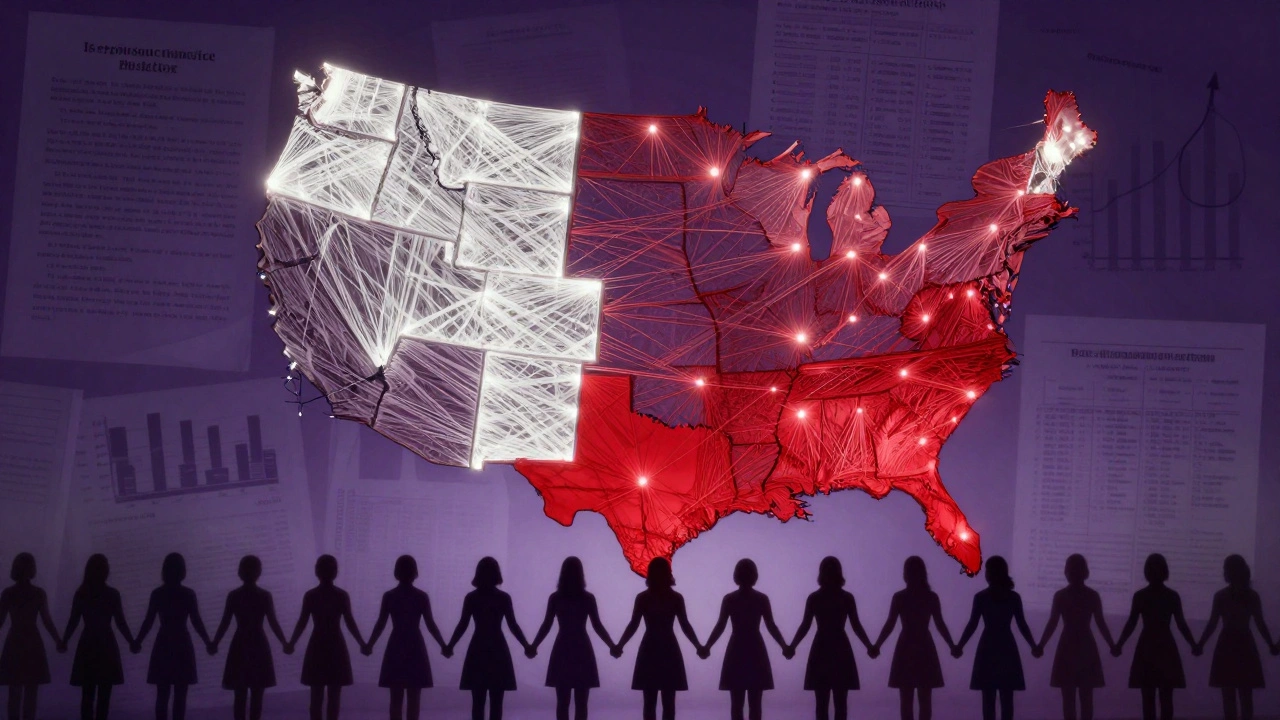
As of 2025, the situation remains volatile. Executive orders rolled back protections for reproductive health access. In March 2025, nearly 20% of Title X grantees received notice that their federal funding would be withheld. This affected an estimated 879 clinics across 23 states. Projections suggested that 834,000 people could lose access to Title X care within a year. Since Planned Parenthood affiliates are major grantees, these policy shifts directly threaten their ability to provide free or low-cost contraception.
Modern Tools: Telehealth and Over-the-Counter Pills
Planned Parenthood hasn’t just relied on old models. They’ve adapted to modern barriers. During the COVID-19 pandemic, they expanded telehealth services rapidly. Some affiliates reported that over 30% of contraceptive consultations happened remotely at the height of the crisis. This removed geographic and transportation hurdles for many patients.
They also pushed for easier access to medications. For years, advocates lobbied the FDA to allow oral contraceptives to be sold without a prescription. In July 2023, the FDA approved Opill (norgestrel) as the first daily oral contraceptive available over-the-counter (OTC). Planned Parenthood immediately integrated counseling about OTC options into its educational materials and telehealth visits. While Opill is manufactured by HRA Pharma, Planned Parenthood acts as a key educator, helping patients navigate side effects and follow-up care.
Digital tools play a big role too. Their website gets tens of millions of visits annually. Features like "Which birth control is right for me?" help users compare effectiveness rates. For example, IUDs and implants are over 99% effective with typical use, while condoms are about 85% effective. Apps like "Spot On" help users track cycles and missed pills. These resources normalize contraceptive use and empower people to make informed choices.
User Experience: Satisfaction and Barriers
What do patients actually experience? Surveys of Title X clients often show satisfaction rates above 85% for counseling and privacy. Online forums reveal common themes. Many young adults praise Planned Parenthood for confidentiality and sliding-scale fees. Users frequently report paying $0-$25 for visits that would cost over $100 elsewhere. Same-day prescriptions and IUD insertions are highly valued.
But there are complaints. Wait times can be long-sometimes 2-6 weeks for IUD appointments in busy urban areas. Rural clinics may have limited hours. Some patients feel they weren’t warned enough about side effects, like bleeding changes with implants. There’s also the stress of protesters outside clinics in certain states. Despite these issues, the consensus among users is that Planned Parenthood remains a lifeline for those who cannot access private care.
The Future of Contraceptive Access
Looking ahead, the role of Planned Parenthood will likely remain central but uneven. In some states, affiliates are partners in state initiatives. In others, they face legal threats or exclusion from public programs. Experts predict continued growth in telehealth and OTC pill usage. However, attempts to defund Planned Parenthood at the state or federal level could reduce LARC access and increase unintended pregnancies, unless alternative providers receive massive new investments.
The debate over abortion will continue to shape public discourse. But when it comes to contraception, the empirical evidence is clear. Planned Parenthood serves a disproportionate share of clients, particularly with highly effective methods. Cutting off their funding leads to measurable declines in contraceptive use and increases in Medicaid-financed births. For millions of low-income, young, and marginalized people, Planned Parenthood is not just an option-it’s the only option.
Does Planned Parenthood provide free contraception?
Yes, for eligible patients. Planned Parenthood uses a sliding fee scale based on federal poverty guidelines. Patients at or below 100% of the federal poverty level who qualify for Title X or Medicaid often pay nothing out-of-pocket. Those with higher incomes may pay partial fees. Prices vary by affiliate and method.
What happens if Planned Parenthood is defunded?
Studies from Texas show that excluding Planned Parenthood from state funding leads to a significant drop in the use of long-acting reversible contraception (LARC) and an increase in Medicaid-covered births. Other providers often lack the capacity to absorb the displaced patients.
Can I get birth control online through Planned Parenthood?
Yes. Planned Parenthood offers telehealth services for contraceptive counseling and prescribing. This allows patients to complete the process without an in-person visit, unless a physical exam is medically necessary.
Is the birth control pill available without a prescription?
Yes. As of July 2023, the FDA approved Opill (norgestrel) as the first over-the-counter daily oral contraceptive. Planned Parenthood helps educate patients on using OTC pills and managing side effects.
How does Planned Parenthood compare to other clinics?
While Federally Qualified Health Centers (FQHCs) provide broader primary care, Planned Parenthood specializes in reproductive health. They are more likely to offer LARC methods onsite, provide same-day insertions, and operate during evenings and weekends, making them more accessible for urgent contraceptive needs.