Peep Show Revenue & Legacy Estimator
Estimate how much a single loop projector cabinet could earn in a day during the 1960s based on foot traffic and pricing.
Projected Earnings
| Metric | 1960s Peep Show | Modern Streaming |
|---|---|---|
| Access Cost | $0.25 - $0.50 per view | $10 - $30 monthly sub |
| Content Length | 3-5 mins (Loop) | Variable (Hours) |
| Privacy | Public Booth | Private Home |
| Interaction | Physical Coin/Mechanical | Digital Click/Stream |
Before the internet turned adult entertainment into a click-away commodity, there was a tactile, mechanical era where curiosity required physical presence. In the 1960s, peep shows and loop projectors that played short pornographic films on continuous reels dominated the underground sex trade. These devices weren't just about viewing; they were an interactive experience that blurred the line between consumer and participant. For many adults today, the concept seems archaic, but for those who lived through the decade, these machines represented a significant shift in how private desire met public technology.
The core mechanism was simple yet effective. A loop projector used a single, continuous strip of film-often 8mm or Super 8-that circled around two spools without beginning or end. This eliminated the need for rewinding, allowing the machine to run indefinitely. The content was typically brief, ranging from 3 to 5 minutes, focusing on specific acts rather than narrative arcs. This brevity was crucial because it kept the cost low and the cycle fast, encouraging repeat views and higher revenue per machine.
The Mechanics of the Loop Projector
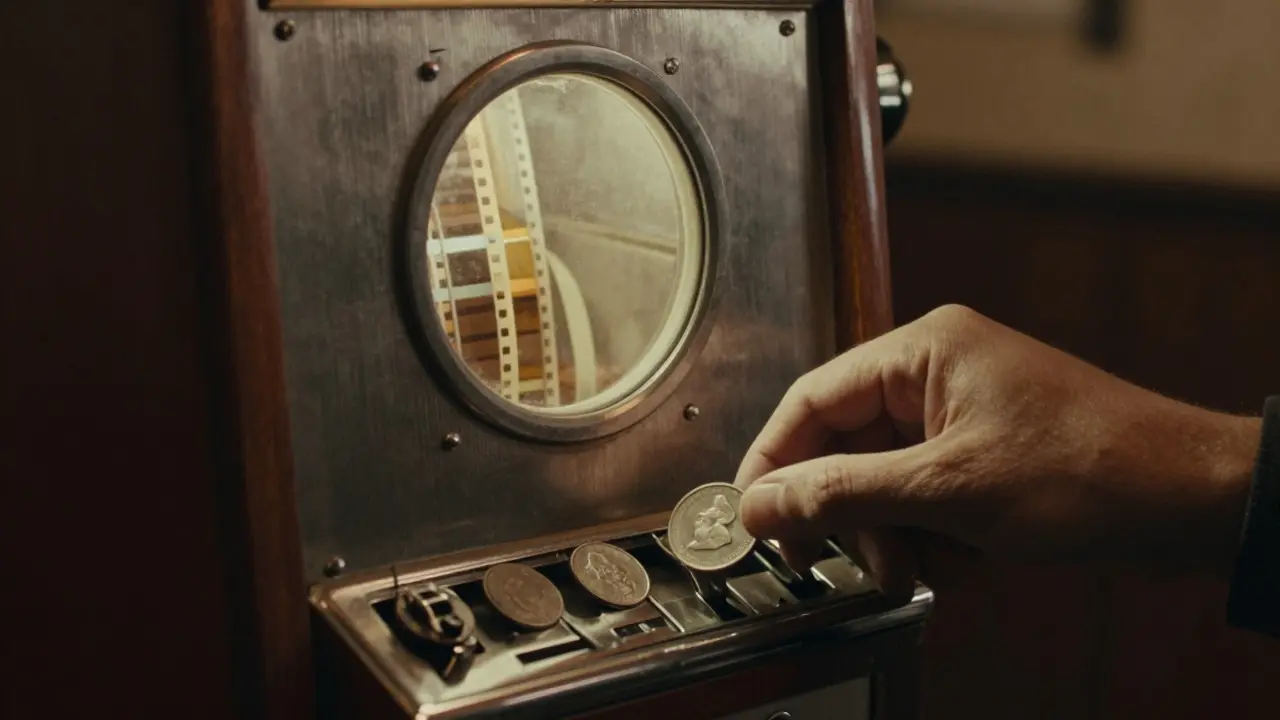
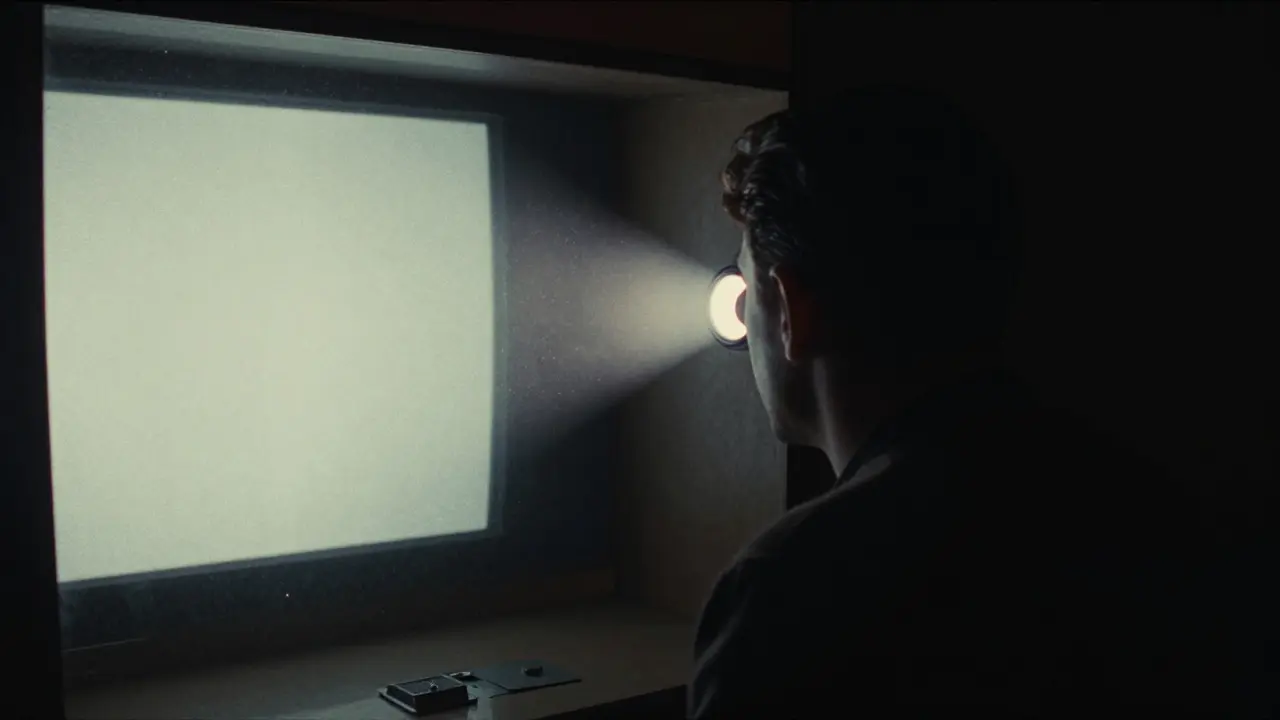
To understand why these films took hold, you have to look at the hardware. A standard loop projector consisted of a light source, a lens, and a film gate where the moving image passed. The 'loop' aspect referred to the film itself being cut and joined into a circle. Unlike traditional cinema reels that had a start and finish, this design meant the movie never stopped. If a viewer paid 25 cents or 50 cents (prices varied by city and year), they would insert a coin, pull down a handle or press a button, and watch the scene play out in a darkened booth.
- Film Format: Primarily 8mm or Super 8, which was affordable for mass production.
- Duration: Typically 3-5 minutes, long enough for a full sexual act but short enough to maintain high turnover.
- Sound: Many early units were silent; later models added crude mono audio tracks.
- Capacity: A single machine could hold one reel, limiting variety per location unless multiple cabinets were installed.
This technical simplicity made the equipment durable. It didn’t require complex electronics that could fail easily. It ran on basic DC motors and bulbs. For operators running out of back rooms in bars or dedicated peep show parlors, reliability was money. If the machine broke, you lost customers. The loop design minimized wear points compared to standard projection systems.
The Content: What Was on the Reels?
The films themselves were raw, unpolished, and distinctly different from modern productions. There was no studio lighting, no script, and often no professional acting. The subjects were frequently amateur or semi-professional performers who understood they were making something for a niche, clandestine audience. The camera work was static, usually a fixed shot capturing the entire frame. This lack of cinematic flair gave the material a documentary-like quality that many viewers found more authentic and appealing than staged theatrical performances.
| Feature | 1960s Peep Show Loops | Modern Digital Streaming |
|---|---|---|
| Access Method | Physical location, coin-operated | Internet connection, subscription/app |
| Content Length | 3-5 minutes (single act) | Variable (minutes to hours) |
| Production Quality | Amateur, static camera, low resolution | Professional, multi-camera, HD/4K |
| Cost to Viewer | $0.25 - $0.50 per view | Monthly subscription ($10-$30) or free with ads |
| Privacy Level | Public setting, isolated booth | Private home, device-based |
| Legal Status (1960s US) | Often legally gray, subject to local ordinances | Largely legal, regulated by federal/state laws |
Themes varied but tended to focus on straightforward heterosexual encounters, though gay and lesbian content existed in separate, often riskier venues. The actors were rarely credited, and their faces were sometimes obscured or framed in shadow to protect them from social stigma. This anonymity was a key feature. In a time when divorce was stigmatized and homosexuality was criminalized in many jurisdictions, watching a film in a dimly lit booth offered a safe distance from judgment.
The Business Model and Legal Gray Areas
Running a peep show parlor was a low-overhead business. You needed a storefront, electricity, and a supply of film reels. The profit margins were substantial because the marginal cost of showing the same reel to hundreds of people was near zero. Operators often bought bulk packs of reels from distributors who operated out of mail-order catalogs or industry trade publications like Adult Film News.
However, the legal landscape was treacherous. While the First Amendment provided some protection for artistic expression, courts often ruled that pornography lacked 'serious literary, artistic, political, or scientific value.' The landmark case Roth v. United States (1957) defined obscenity as material whose dominant theme appeals to 'prurient interest.' By the 1960s, this definition was still being tested. Local police frequently raided peep show locations, not always for obscenity charges, but for vagrancy, disorderly conduct, or failure to pay licenses. The threat of raid created a constant tension for operators, who had to stay one step ahead of local law enforcement.
Social Impact and Cultural Context
The rise of peep shows coincided with the Sexual Revolution. As societal norms began to loosen, the demand for accessible erotic media grew. Peep shows filled a gap left by mainstream cinema, which remained heavily censored by the Hays Code until its collapse in the late 1960s. For many young men and women, these booths were their first exposure to explicit imagery. It was a formative experience that shaped attitudes toward sexuality, intimacy, and gender roles.
The isolation of the booth also changed the nature of consumption. Viewing was no longer a communal or shared activity, even within a household. It became a solitary, controlled experience. This shift foreshadowed the digital age, where consumption is increasingly individualistic. Yet, unlike today’s screens, the peep show required you to leave your home, engage with a physical object, and interact with a space designed specifically for voyeurism.
The Decline and Legacy
By the mid-1970s, the dominance of peep shows began to wane. Several factors contributed to this decline. First, the legalization of more explicit content in mainstream cinema (post-Hays Code) and television reduced the novelty of hidden screenings. Second, the advent of VHS and Betamax home video players allowed consumers to buy films and watch them in the privacy of their own living rooms. Third, changing social attitudes made the act of visiting a peep show parlor less necessary and slightly more embarrassing for the middle-class demographic that had previously flocked to them.
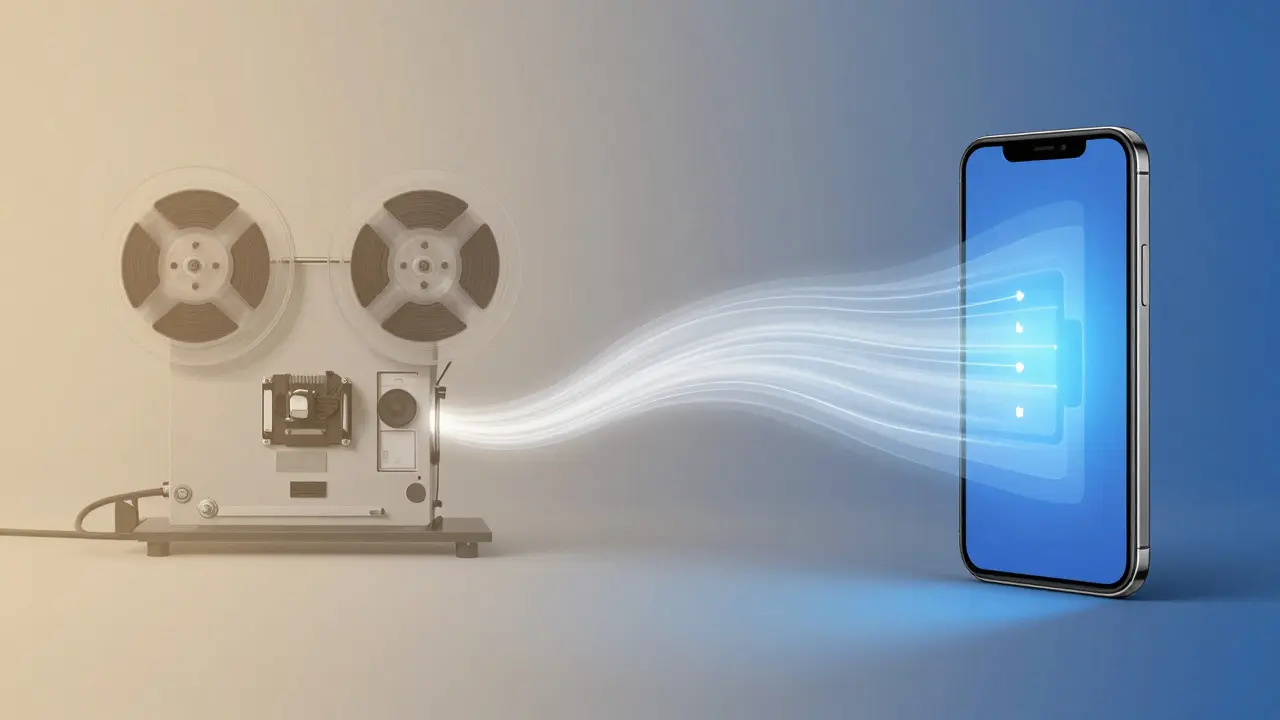
Today, peep shows are largely historical artifacts. Museums occasionally exhibit loop projectors, and collectors seek out original reels as curiosities. However, the legacy of the 1960s peep show remains embedded in our current habits. The preference for short, clip-based content, the emphasis on visual immediacy over narrative, and the normalization of private, on-demand access all trace their roots back to those simple, looping reels in dimly lit booths.
What was the typical price for a peep show view in the 1960s?
Prices varied by location and economic conditions, but generally ranged from 25 cents to 50 cents per view. In major cities or upscale locations, prices could be higher, while rural areas might charge less. The cost reflected the inflation rates of the time and the operational costs of maintaining the machines.
Were peep shows legal in the 1960s?
Legality was highly dependent on local jurisdiction. While federal law defined obscenity broadly, enforcement was inconsistent. Many cities had specific ordinances regulating or banning peep shows. Operators often operated in a legal gray area, relying on the fact that the content was shown to consenting adults in a private booth, though raids were common.
How did loop projectors differ from standard film projectors?
Loop projectors used a continuous strip of film with no beginning or end, allowing for infinite playback without rewinding. Standard projectors used finite reels that had to be manually rewound after each screening. This made loop projectors ideal for coin-operated, high-turnover environments like peep shows.
What happened to the actors in these films?
Actors were often anonymous or pseudonymous to avoid social stigma. Many were amateurs or working-class individuals seeking extra income. As the industry professionalized in the late 1960s and early 1970s, some performers transitioned into the emerging mainstream adult film industry, gaining recognition under stage names.
Did peep shows influence modern pornography?
Yes, significantly. The format established several key conventions: short duration, focus on specific acts rather than plot, static camera angles, and the expectation of immediate gratification. These elements persist in modern online clips and streaming platforms, demonstrating the lasting impact of the peep show era on contemporary consumption habits.