Reproductive Rights Legal Timeline
Click on a milestone to explore the impact of these pivotal moments on reproductive healthcare and privacy laws.
Select an event from the timeline to see details
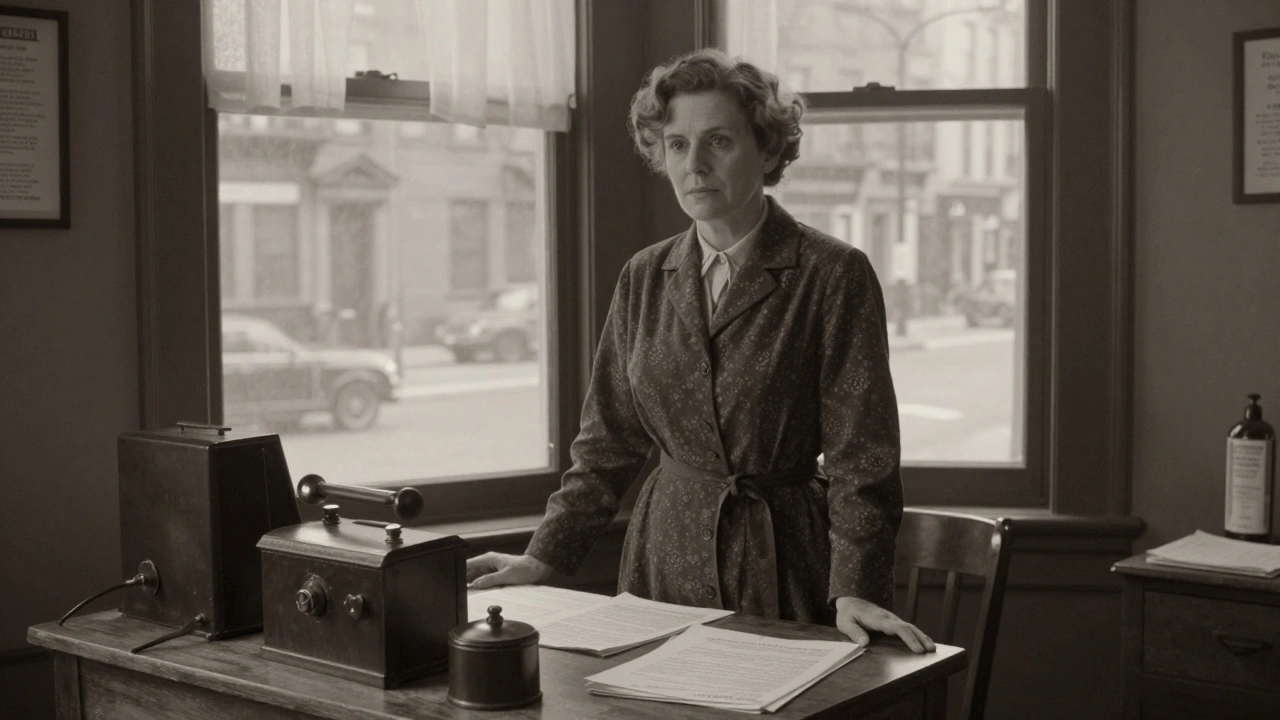
Imagine a world where talking about how to prevent pregnancy could land you in a jail cell. That wasn't a distant dystopian future; it was the reality in the United States over a century ago. When Margaret Sanger opened a clinic in Brooklyn to give women basic family planning information, she wasn't just providing a medical service-she was committing a crime. Just ten days after opening, she was arrested. This moment of state crackdown didn't stop the movement; it ignited a century-long battle over who controls a person's body.
The Early Fight for Birth Control
Before it became a household name, Planned Parenthood is a nonprofit organization that provides reproductive health care and advocacy for reproductive rights. Its roots go back to the early 20th century, driven by the belief that family planning was a fundamental necessity for women's health and economic stability. The organization officially formed as the Planned Parenthood Federation of America (PPFA) in 1942, but the groundwork was laid long before then by Sanger and her colleagues who defied illegal statutes to provide contraception.
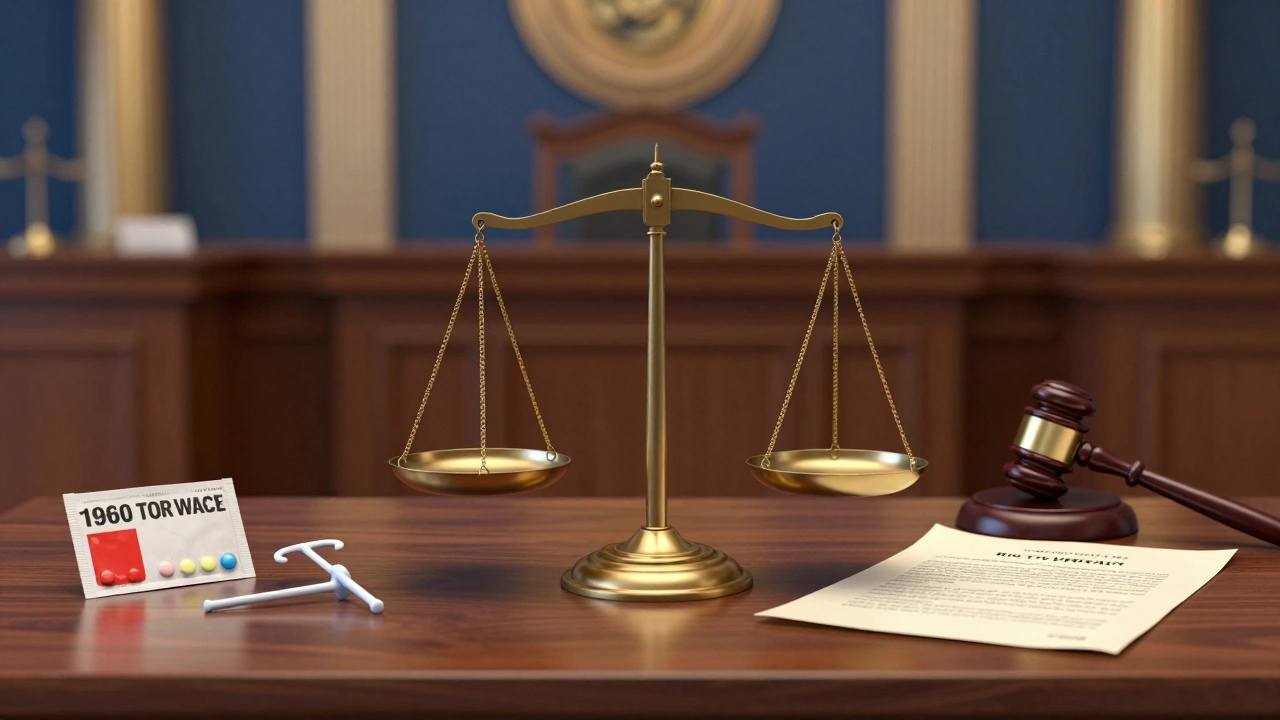
Throughout the 1940s and 60s, the focus was largely on public awareness and getting the government to recognize family planning as a legitimate healthcare need. They didn't just provide counseling; they were instrumental in the rollout of game-changing technology. Think about the birth control pill, which the Food and Drug Administration approved in 1960, or the intrauterine device (IUD) approved in 1968. These weren't just medical milestones; they were tools of liberation that shifted the power dynamic in the bedroom and the workplace.
Winning the Right to Privacy
You can't talk about reproductive health without talking about the law. Planned Parenthood realized early on that providing services wasn't enough if the laws were designed to punish them. They shifted their strategy toward the courts, focusing on the concept of privacy. This led them to serve as a plaintiff in Griswold v. Connecticut, a landmark case that established that married couples had a constitutional right to use contraception without government interference.
By 1969, the organization moved its sights toward a more controversial frontier: abortion. They called for the repeal of all anti-abortion laws, arguing that pregnancy termination was a critical part of reproductive healthcare. This advocacy played a pivotal role in the 1973 Roe v. Wade decision. The Supreme Court ruled that the 14th Amendment's due process clause protected a woman's right to choose an abortion, essentially deciding that the right to privacy was broad enough to cover the decision to terminate a pregnancy.
| Case/Event | Year | Core Impact |
|---|---|---|
| Griswold v. Connecticut | 1965 | Established right to privacy for contraceptive use. |
| Roe v. Wade | 1973 | Legalized abortion nationwide based on privacy rights. |
| Planned Parenthood v. Casey | 1992 | Reaffirmed abortion rights but created the "undue burden" standard. |
| Gonzales v. Planned Parenthood | 2003 | Upheld the Partial-Birth Abortion Ban Act. |
The Transition to Abortion Provision
Once the legal tide turned, Planned Parenthood didn't just advocate for the right to an abortion-they became the ones providing it. In 1970, New York state legalized abortion. Only one day after that law took effect, a center in Syracuse performed the first legal abortion under the new statutes. This marked a fundamental shift in the organization's operational model.
Fast forward to today, and they are the largest provider of reproductive health services in the US. But it's not just about abortion. For millions of people-especially those in rural areas or low-income brackets-these clinics are the only place they can get a cancer screening, an STI test, or prenatal care. When a clinic closes in a small town, it's not just the abortion services that vanish; it's the entire spectrum of preventative care.

The Political Crossfire and Modern Battles
Being the biggest provider makes them the biggest target. Planned Parenthood is constantly in the middle of a political tug-of-war. One of the most heated areas of conflict involves minors. The organization strongly opposes parental consent laws, arguing that such laws push teenagers toward unsafe, illegal procedures. They often point to the tragic case of Becky Bell, a young girl who died after an illegal abortion because she was too terrified to seek parental consent for a legal one.
They've also fought high-stakes battles in the Supreme Court over specific procedures. In 2003, they challenged the Partial-Birth Abortion Ban Act in the case of Gonzales v. Planned Parenthood. While lower courts initially sided with the organization, the Supreme Court eventually overturned those decisions in a tight 5-4 vote, showing just how narrow the margin of victory often is in these legal fights.
Beyond the Clinic Walls
What does the organization actually do on a daily basis? It's a mix of healthcare and political activism. They operate as a massive health network while simultaneously functioning as a lobbying arm. This duality is why they are so polarizing. To some, they are a lifeline providing essential medical care to the marginalized. To others, they are a political entity pushing a specific social agenda.
Their reach isn't limited to the US, either. In 1971, they launched the Family Planning International Assistance program. This move recognized that reproductive autonomy is a global human rights issue, not just an American one. By exporting their expertise in contraception and maternal health, they aimed to lower infant mortality and improve the quality of life for women in less-developed countries.
When was Planned Parenthood founded?
The Planned Parenthood Federation of America was officially founded in 1942, though its roots trace back much further to the early 20th-century birth control movement led by Margaret Sanger, who opened the first family planning clinic in Brooklyn.
Does Planned Parenthood provide services other than abortions?
Yes. They provide a wide array of reproductive health services, including cancer screenings (like Pap smears), STI testing and treatment, vaccinations, prenatal care, infertility services, and sex education.
What was the significance of the Griswold v. Connecticut case?
This 1965 case was pivotal because it established the constitutional right to privacy, specifically regarding the use of contraceptives by married couples, which laid the legal groundwork for the later Roe v. Wade decision.
Why does Planned Parenthood oppose parental consent laws?
They argue that requiring parental consent or notification can prevent minors from accessing safe, legal medical care, potentially driving them toward dangerous, unregulated "back-alley" abortions.
How did the organization influence the development of birth control?
Planned Parenthood played a crucial role in raising public awareness and providing the clinical framework necessary for the successful rollout and adoption of the birth control pill (approved in 1960) and the IUD (approved in 1968).