Sexual Revolution Impact Calculator
This calculator shows how the economic benefits of the 1960s sexual revolution varied across different demographic groups. Based on historical data and the article's analysis, see how access to reproductive freedom, job opportunities, and social acceptance differed by race, class, and gender.
When people talk about the sexual revolution of the 1960s, they often picture free love, contraceptive pills, and counterculture music. But behind the posters and protest songs was a deeper story-one shaped by money, power, and who got to benefit from it. The truth is, not everyone gained from sexual liberation. For some, it opened doors. For others, it tore down walls they couldn’t afford to rebuild.
Who Got the Pill First?
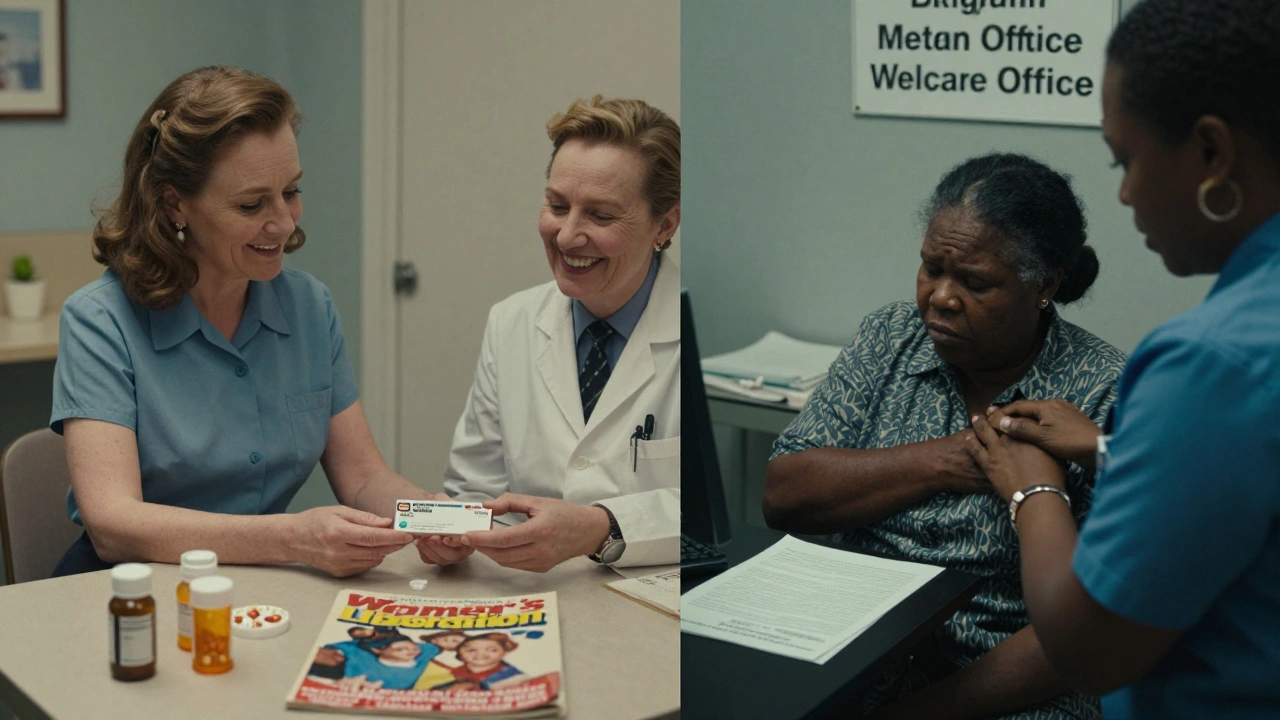
The birth control pill hit the market in 1960. It was hailed as a miracle for women’s freedom. But who actually had access to it? Middle- and upper-class white women were the first to get prescriptions. Doctors trusted them. Pharmacies stocked it. Insurance covered it. In contrast, low-income women, especially women of color, often couldn’t get the pill without a husband’s signature-or worse, were pressured into using it without consent. In Puerto Rico, the pill was tested on poor women before it was approved for U.S. use. In the American South, Black women were routinely sterilized under the guise of family planning. The promise of reproductive freedom didn’t mean the same thing for everyone.Class and the Collapse of the Nuclear Family
The 1960s saw a big shift: sex was no longer tied to marriage. But that shift didn’t happen the same way for all classes. The middle class used sexual liberation to redefine relationships-delaying marriage, prioritizing personal fulfillment, and building careers. Meanwhile, working-class communities, already struggling with job instability and low wages, were hit harder by the erosion of traditional family structures. When factories closed or wages stagnated, the safety net of two-parent households didn’t vanish because people chose freedom. It vanished because they couldn’t afford to stay together. Men who lost jobs couldn’t support families. Women who entered the workforce out of necessity were labeled “irresponsible” for not staying home. The same behaviors-single motherhood, nonmarital sex-were celebrated in one neighborhood and criminalized in another.Race and the Hidden Cost of "Liberty"
Sexual liberation was sold as universal. But racial inequality shaped who could enjoy it. White middle-class couples could experiment with open relationships, move to co-ed housing, or live together without stigma. Black and Latino families faced surveillance, policing, and welfare rules that punished sexual autonomy. The 1965 Moynihan Report labeled Black families as "broken" because of high rates of single motherhood-ignoring how systemic racism, job discrimination, and mass incarceration made stable partnerships harder to maintain. Meanwhile, white families with similar outcomes were seen as "progressive." The sexual revolution didn’t erase racial hierarchies-it mirrored them. And when AIDS hit in the 1980s, Black and Latino communities bore the brunt of the government’s silence, not because they were more promiscuous, but because they were less visible, less funded, and less protected.
The Economic Engine Behind the Revolution
The sexual revolution didn’t just happen because of hippies or activists. It was fueled by capitalism. As factories automated and service jobs replaced manufacturing, the economy needed workers who were mobile, flexible, and unburdened by family obligations. Women were pushed into the workforce-not because society suddenly valued equality, but because companies needed cheap labor. The pill made it easier to keep women working without the "cost" of maternity leave. Men were expected to be breadwinners even as wages stagnated. The result? A double standard: women were told to be sexually free, but punished for not being financially stable. Men were told to be providers, even when jobs disappeared. The system didn’t change to support people-it changed to serve the economy.Who Paid the Price?
The sexual revolution created new freedoms, but it also created new vulnerabilities. For middle-class white women, it meant more control over their bodies and careers. For working-class women of all races, it meant fewer safety nets. For Black men, the loosening of marriage norms didn’t mean liberation-it meant being blamed for family breakdown while prisons filled up. For LGBTQ+ people, especially those of color, sexual freedom was a luxury they couldn’t afford. Gay men in New York could form communities in Greenwich Village, but gay men in rural Alabama faced violence, job loss, and rejection. The revolution was never about everyone-it was about who had the power to define freedom.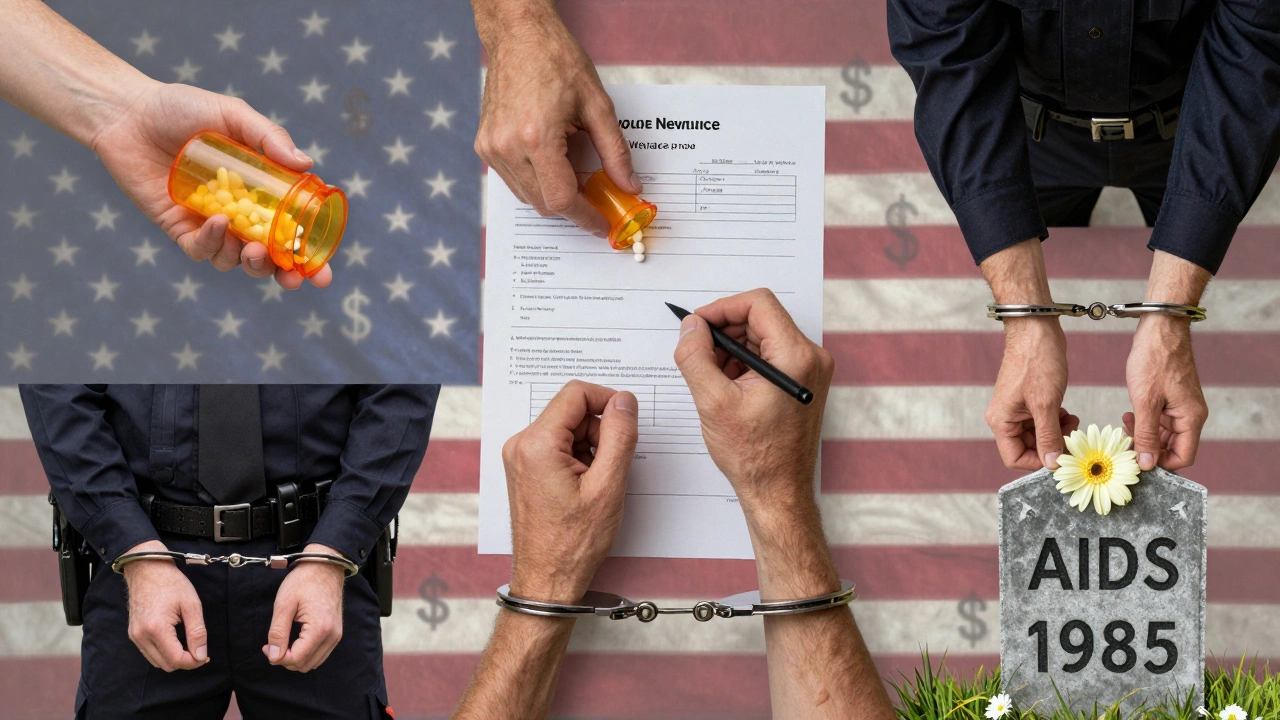
The Myth of Universal Progress
We’ve been told that the 1960s brought progress for everyone. But progress isn’t a tide that lifts all boats. Sometimes, it’s a wave that only hits certain shores. The sexual revolution didn’t erase inequality-it rearranged it. The people who had money, education, and racial privilege used sexual liberation to climb higher. Those without those advantages were left to navigate a world where freedom came with fewer protections and more penalties.The pill didn’t free women. The wage increase did. The legalization of abortion didn’t end unwanted pregnancies. Access to healthcare did. The end of sodomy laws didn’t make gay people safe. Housing, jobs, and police reform did. Sexual liberation looked like freedom to some. To others, it looked like abandonment.
What We Still Don’t Talk About
Today, we celebrate the achievements of the 1960s without asking who was left behind. We don’t talk about how welfare cuts in the 1980s punished single mothers while wealthier women got tax breaks for childcare. We don’t talk about how the rise of pornography didn’t empower women-it exploited poor women of color who had few other options. We don’t talk about how the same cultural shifts that gave white college students the freedom to explore their sexuality made it harder for Black teenagers to get comprehensive sex education.True liberation doesn’t come from changing laws alone. It comes from changing who has power. The sexual revolution didn’t fail-it was never meant to include everyone.
Did the sexual revolution help all women equally?
No. Middle-class white women gained the most. They got access to birth control, better jobs, and social acceptance. Working-class women and women of color often faced increased economic pressure without the safety nets they lost. Many were pushed into low-wage work while still being blamed for "breaking up families." The pill didn’t liberate them-it often just made them more disposable to the economy.
How did race shape who benefited from sexual liberation?
Race determined access, safety, and consequences. White communities could experiment with nontraditional relationships without stigma. Black and Latino communities were policed for the same behaviors. Sterilization, welfare cuts, and incarceration targeted women of color under the guise of "moral reform." Sexual freedom was a privilege, not a right, for most people of color.
Why didn’t the working class benefit from the sexual revolution?
Because the revolution was shaped by capitalism, not compassion. As jobs disappeared and wages stagnated, working-class families lost economic stability. Sexual freedom became another burden: women had to work more to survive, while men were told to be providers even when they couldn’t find work. The system didn’t adapt to support them-it used their instability to justify blaming them.
Was the sexual revolution a result of cultural change or economic pressure?
It was both, but economics drove the change. Cultural shifts like the Kinsey reports and feminist ideas gave language to what was already happening. But the real engine was the economy: factories closing, women needed as workers, and the state needing to manage labor supply. Sexual norms changed not because people suddenly became more open-minded, but because the economy needed them to.
Did the sexual revolution improve LGBTQ+ lives?
For some, yes-but mostly for those who were already privileged. White, middle-class gay men in cities like San Francisco and New York gained visibility and community. But LGBTQ+ people of color, especially those in poverty, faced violence, job loss, and homelessness. The revolution didn’t end discrimination-it just made it more visible in certain places. True liberation came later, through activism, not cultural trends.