Penicillin Dosing Calculator for Syphilis
Historical Treatment Calculator
Based on 1943 clinical trials and CDC guidelines
Recommended Dose
Administered via intramuscular injection
Historical Impact: 93% reduction in U.S. syphilis cases between 1944-1954 following penicillin introduction
Before penicillin, syphilis wasn’t just a disease-it was a slow, terrifying death sentence. In the 1930s, if you were diagnosed with syphilis, your doctor might have prescribed arsenic injections so toxic they could burn your skin, or forced you to endure malaria-induced fevers to fight the neurological damage. There was no cure. Only temporary relief. And even then, relapse was common. By the early 1940s, syphilis was killing as many people in the U.S. as AIDS did at the height of the epidemic in the early 1990s. Then, in 1943, everything changed.
The First Cures: Penicillin in Action
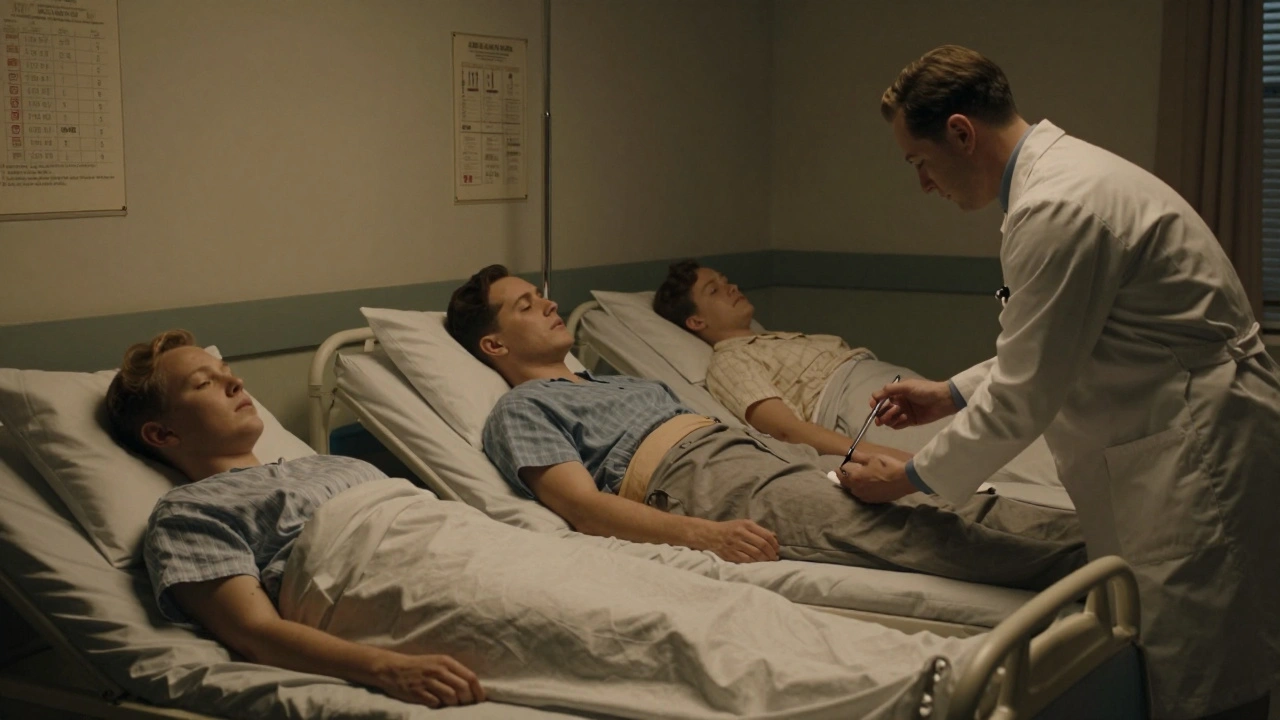
It started with four patients at a U.S. Marine Hospital in Staten Island. Doctors John Mahoney, Richard Arnold, and A.D. Harris gave each one intramuscular injections of penicillin every four hours for eight days-totaling 1.2 million units. Within weeks, their sores healed. Their blood tests turned negative. No relapses. No side effects. It was the first time anyone had seen syphilis truly disappear after treatment. This wasn’t luck. It was science. Joseph Earle Moore and his team took the next step. They tested penicillin on over 1,400 patients across multiple clinics, carefully tracking dosages, outcomes, and relapses. What they found was revolutionary. A dose of 60,000 units? Too weak. Lesions healed slower than with old arsenic treatments. But at 300,000 units and above, penicillin didn’t just match the old methods-it crushed them. The magic number? 600,000 units minimum for early syphilis. For secondary cases? 1.2 million units. And the injections? Always into the muscle. Intravenous? Disaster. Patients given IV penicillin relapsed five to six times more often.Why Penicillin Worked When Nothing Else Did
The old treatments were brutal. Mercury ointments burned skin. Salvarsan, the arsenic-based drug, caused liver failure, nerve damage, and vomiting. Even worse, neurosyphilis-when the infection reached the brain-required malariotherapy: deliberately infecting patients with malaria to spike their body temperature and kill the syphilis bacteria. Many didn’t survive the treatment. Penicillin changed all that. It was safe. It was fast. It worked on every stage of syphilis, including the deadliest forms. And unlike anything before it, it didn’t just mask symptoms-it erased the bacteria. Treponema pallidum, the spiral-shaped microbe behind syphilis, had no defense. It had never encountered penicillin before. And in the decades since, it still hasn’t developed resistance. That’s rare. Almost unheard of. Most bacteria, like the ones causing gonorrhea or staph infections, quickly evolved to fight penicillin. But syphilis? Still vulnerable. Even today, penicillin remains the gold standard.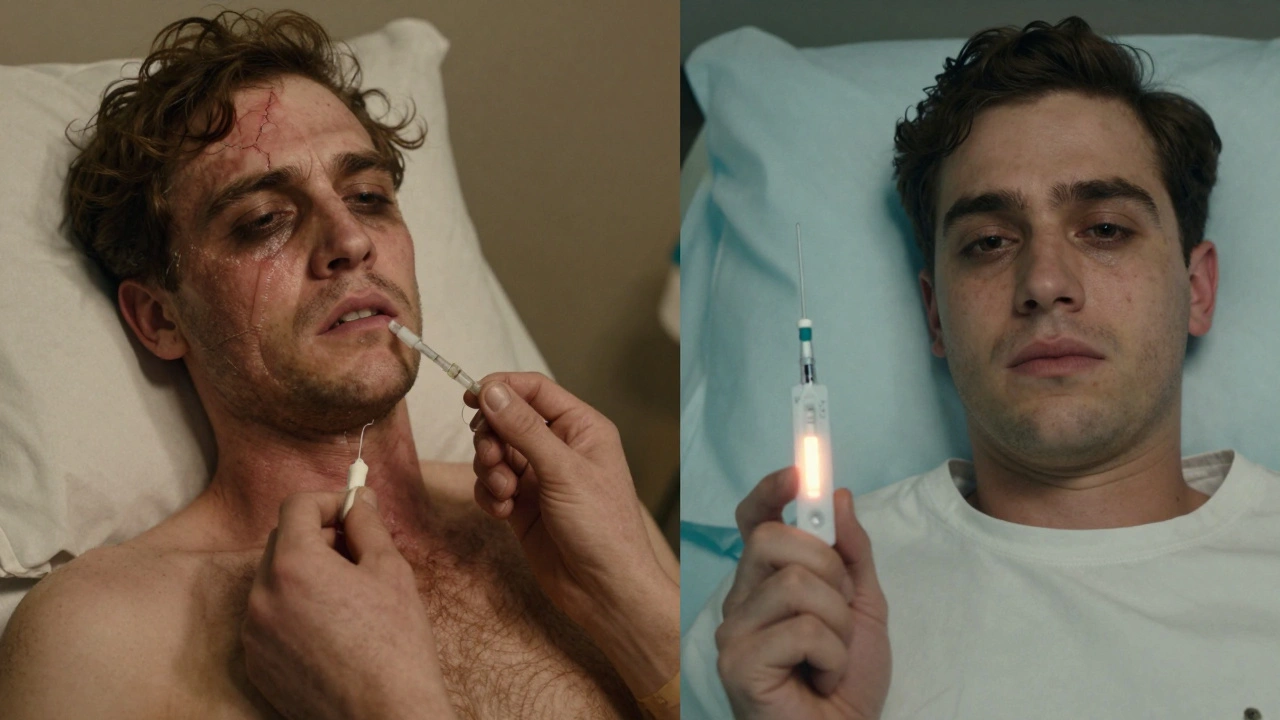
The Public Health Revolution
The drop in syphilis cases after 1943 wasn’t gradual-it was a cliff. In the U.S., reported cases of all stages of syphilis plunged from 368 per 100,000 people in 1944 to just 83 by 1954. Primary and secondary syphilis? From 62 per 100,000 to 4.5. That’s a 93% drop. In the U.K., new cases fell by 95% between 1946 and 1955. These weren’t just medical wins-they were societal ones. Hospitals started routine screening. Blood donors? Tested. Prisoners? Tested. People applying for health insurance? Tested. No longer was syphilis something hidden in shame. Penicillin made testing safe, effective, and worth doing. Doctors no longer feared treating patients-they could actually cure them. And with that, stigma began to crack. Public health campaigns shifted from fear-based warnings to clear messages: “Get tested. Get cured.”The Hidden Benefit: Treating What You Didn’t Know You Had
Here’s something most people don’t realize: penicillin didn’t just treat syphilis. It treated a lot of other infections too. Pneumonia. Strep throat. Infected wounds. As penicillin became widely available during and after World War II, millions of people were treated for common bacterial illnesses-many without ever knowing they had latent syphilis. And those hidden cases? They got cured too. That’s one reason the drop in syphilis was so steep. It wasn’t just targeted treatment. It was accidental mass therapy.
A New Standard for Medicine
Moore’s study wasn’t just about dosing. It was the first time doctors across multiple cities agreed to use identical protocols. They used the same blood tests. The same definitions of cure. The same follow-up schedules. This was the birth of modern clinical trial design for STIs. Before this, research was scattered, inconsistent, and often biased. After this, science had a blueprint. The Subcommittee of Venereal Diseases didn’t just collect data-they set standards. And those standards became the foundation for how we treat infections today.Why This Matters Today
Penicillin didn’t just cure syphilis. It changed how we think about disease. Before 1943, bacterial STIs were seen as inevitable, chronic, and shameful. After? They became treatable, curable, and manageable. The idea that a single injection could erase a lifelong threat reshaped public health policy, medical ethics, and patient trust. Today, we face new STI challenges. Gonorrhea is becoming resistant to antibiotics. Chlamydia rates are rising. But we still rely on the same basic principle penicillin proved: if you can identify the bug and match it with the right drug, you can stop it cold. Penicillin remains the only antibiotic that still works perfectly on syphilis after 80 years. That’s not just a miracle-it’s a lesson.What we learned from penicillin is simple: the right drug, given the right way, at the right dose, can change history. And sometimes, it’s not about inventing something new. It’s about using what you have, wisely.
Why didn’t syphilis develop resistance to penicillin like other bacteria?
Treponema pallidum, the bacterium that causes syphilis, has a unique biology. It lacks the genetic tools to easily swap or mutate resistance genes. Unlike gonorrhea or staph, which quickly adapt to antibiotics by sharing resistance traits, syphilis can’t. It also has a slow reproduction cycle and lives mostly inside human tissues, limiting its exposure to antibiotics. This made it vulnerable-and still does. No resistant strains have ever been confirmed in over 80 years of penicillin use.
Was penicillin the first antibiotic used for STIs?
No. Before penicillin, doctors used arsenic-based drugs like Salvarsan and mercury compounds. These were toxic, required long-term treatment, and often caused severe side effects. Malariotherapy-intentionally infecting patients with malaria to treat neurosyphilis-was also used. Penicillin was the first truly safe, effective, and fast-acting cure.
How did penicillin change public health policies?
Before penicillin, testing for syphilis was rare because there was no cure-and treatment was dangerous. After penicillin, screening became routine. Blood banks started testing donors. Hospitals screened inpatients. Prisons and insurance applicants were tested. The ability to cure meant testing became ethical, practical, and widespread. This shift laid the groundwork for modern STI screening programs.
Did penicillin work on gonorrhea too?
Yes-at first. Penicillin was highly effective against gonorrhea in the 1940s. But by 1946, the first penicillin-resistant strains of Neisseria gonorrhoeae appeared. Since then, gonorrhea has evolved resistance to nearly every antibiotic we’ve thrown at it. That’s why penicillin is no longer used for gonorrhea today, even though it still works perfectly for syphilis.
Is penicillin still used to treat syphilis today?
Yes. The CDC still recommends penicillin as the only first-line treatment for all stages of syphilis. Even with newer antibiotics available, none match its reliability, safety, and long-term effectiveness. A single injection can cure early syphilis. Later stages require more doses, but the drug remains unchanged since 1943. It’s one of the few medical treatments that’s lasted 80 years without needing replacement.