Renaissance Erotica Timeline Explorer
Click on the markers below to explore key moments in the life and work of Marcantonio Raimondi, focusing on the creation and reception of his controversial 1524 prints.
Select a point on the timeline to view details.
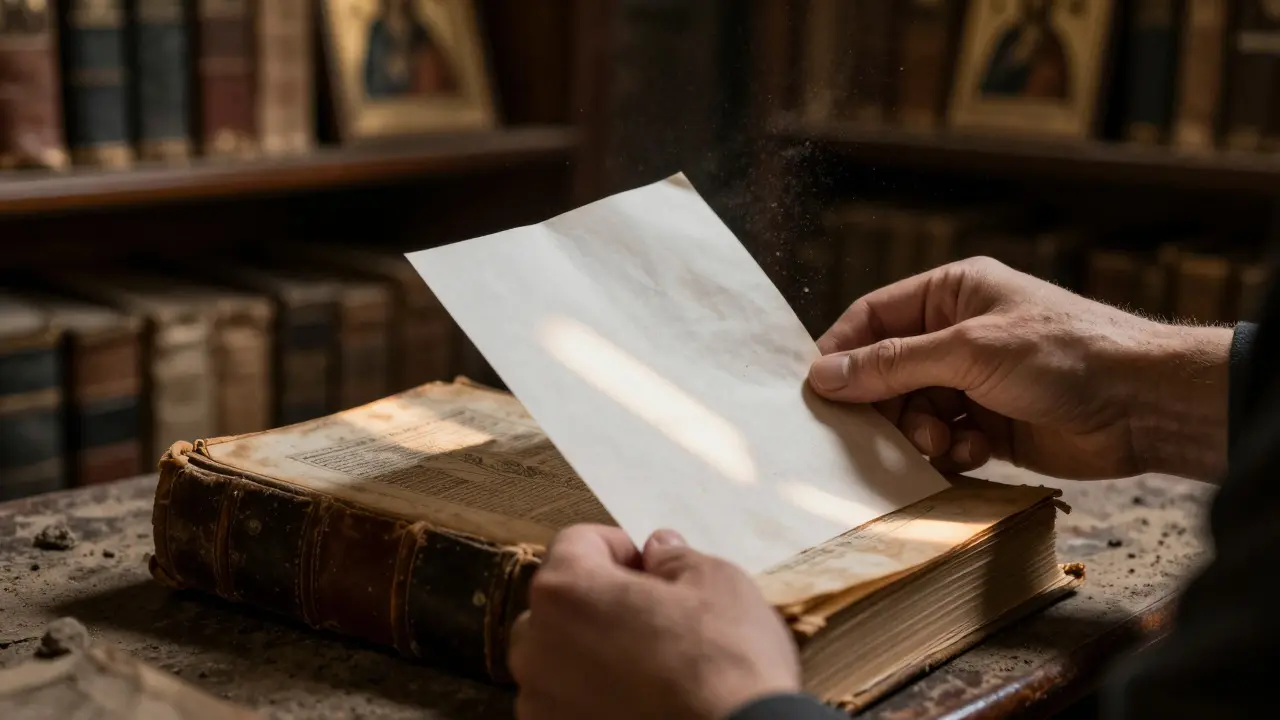
Imagine walking into a dusty archive in Rome and pulling out a small, folded sheet of paper. It’s not a religious icon or a portrait of a pope. It’s a detailed, explicit depiction of two people in the act, printed on crisp white paper from the early 16th century. This is the reality of Marcantonio Raimondi’s work. While we often associate the Renaissance with grand cathedrals and idealized nudes like Michelangelo’s David, there was a shadowy, underground market for erotic media that circulated among the elite despite Church censorship. Raimondi, one of the most skilled printmakers of his time, carved these images to satisfy a specific, hungry audience. His 1524 engravings are not just historical curiosities; they are a window into how sexuality was viewed, consumed, and suppressed during a period of intense religious reform.
The Artisan Behind the Lines
To understand why these prints mattered, you have to look at who made them. Marcantonio Raimondi (born c. 1480, died 1534) was an Italian engraver and painter from Mantua. He wasn’t just a craftsman; he was a celebrity in the art world. In fact, he was so famous for copying masterpieces that other artists sometimes accused him of plagiarism because his copies were nearly indistinguishable from the originals. He worked closely with Raphael and helped spread the High Renaissance style across Europe through woodcuts and copperplate engravings.
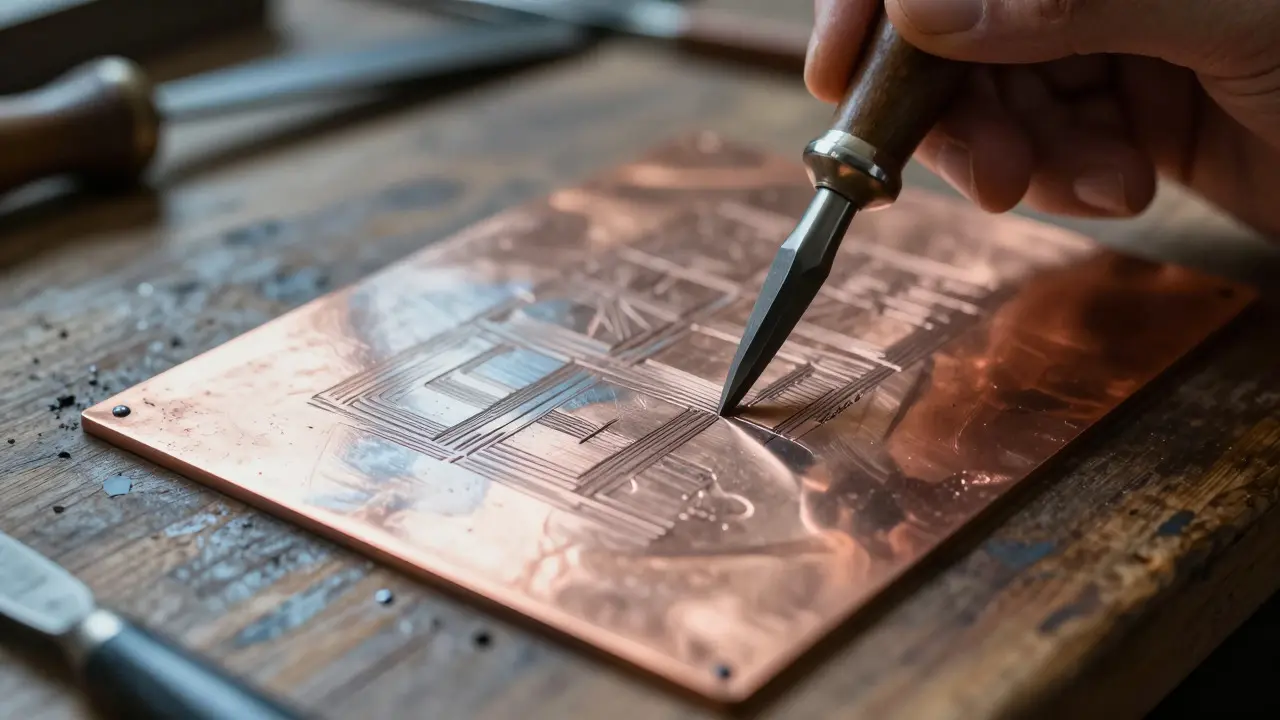
His technical skill was unmatched. An engraving requires incising lines into a metal plate, usually copper, which is then inked and pressed onto paper. The pressure creates a sharp, dark image. For erotic subjects, this medium was perfect. Unlike paintings, which required large canvases and expensive pigments, engravings could be produced in multiples. A single plate could yield dozens or even hundreds of impressions. This made them affordable enough for private collectors but discreet enough to hide in a drawer or a locked cabinet. Raimondi understood this economic model better than anyone else in Italy.
What Was Actually Printed in 1524?
The year 1524 is significant because it marks a peak in Raimondi’s production of smaller, intimate works. While many of his surviving erotic pieces are undated, scholars have grouped several key sheets around this period. These works typically feature classical themes. You might see a scene inspired by Ovid’s Metamorphoses, such as Leda and the Swan or Venus and Adonis. By wrapping explicit nudity in mythological context, Raimondi gave patrons a layer of intellectual justification. If questioned, a collector could claim they were studying mythology, not indulging in lust.
However, don’t let the classical venear fool you. The anatomical detail is precise. The poses are dynamic and unidealized compared to the serene nudes of public altarpieces. There is a rawness to the figures. They breathe. Their skin looks soft under the engraved lines. One notable series involves couples in various states of undress, often set against minimal backgrounds to keep the focus entirely on the physical interaction. These weren't mass-produced junk; they were high-quality artistic objects intended for a literate, wealthy class that appreciated both beauty and the forbidden fruit of realism.
The Audience: Who Was Buying These Prints?
You might wonder who had the money and the nerve to buy explicit art in 1520s Italy. The answer lies in the social structure of the Italian city-states. The primary buyers were humanists, clergy members of higher rank, and wealthy merchants. Humanists, who studied ancient Greek and Roman texts, saw nudity as a return to natural truth. For them, the body was a subject of philosophical inquiry, not just sin. Clergy, particularly those in universities or courts, often maintained private libraries where such "curiosities" were kept away from the general public. Merchants, having traveled widely and exposed to different cultures, often collected exotic or scandalous items as status symbols.
This audience valued discretion. These prints were rarely displayed openly. They were part of a *cabinet de curiosités*, a collection of oddities and wonders. Owning a Raimondi erotic engraving signaled that you had access to rare knowledge and superior taste. It was a badge of sophistication. The fact that they were hidden doesn’t mean they were shameful to the owner; rather, they were precious, personal treasures that reinforced their identity as cultured individuals separate from the common populace.
Censorship and the Shadow Market
Living in the heart of Catholicism meant navigating a minefield of moral rules. The Church didn’t ban all nudity-think of the countless statues of Adam and Eve-but it did frown upon explicit sexual acts. This created a gray area. Raimondi operated within this space. He avoided overtly obscene gestures or overly graphic details that would make the work impossible to defend. Instead, he relied on implication and classical precedent. If a bishop asked about a print of Venus, Raimondi could point to the statue of Venus de Medici and say, "It’s just art."
Despite this caution, the threat of censorship was real. The rise of the Counter-Reformation later in the 16th century would tighten these reins significantly. But in the 1520s, the situation was fluid. Local authorities often looked the other way if the art stayed within the walls of a noble home. This tension between artistic freedom and religious morality drove the creation of a robust black market for such prints. They were sold quietly, often through trusted dealers or directly from the artist’s workshop, ensuring that the transaction remained private.
Preservation and Discovery Today
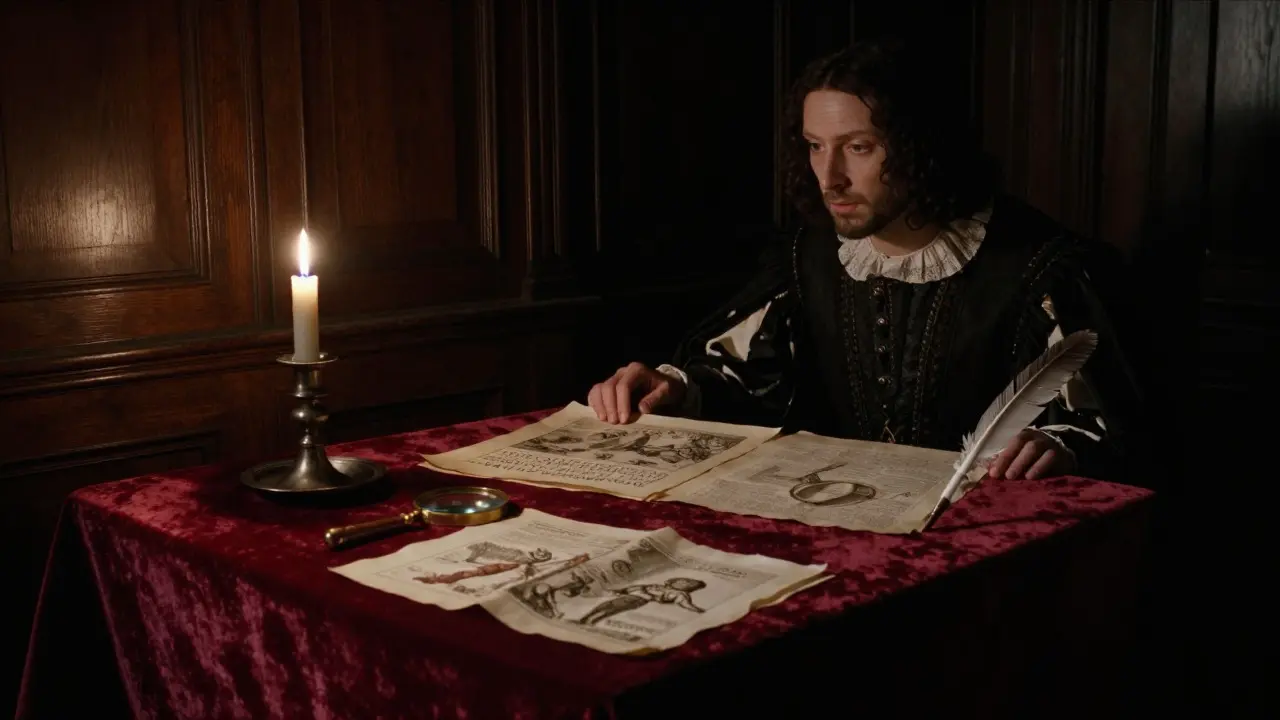
How do we know all this? Most of these prints survived because they were well-preserved in dry, cool environments like monastic libraries or aristocratic estates. Today, major collections hold examples of Raimondi’s erotic work. The Vatican Library holds several sheets, often cataloged under broader categories of "antique" or "mythological" scenes to maintain a degree of institutional modesty. Other examples can be found in the British Museum and the Metropolitan Museum of Art in New York. When curators handle these pieces, they treat them with the same reverence as any other Renaissance masterpiece. The paper is fragile, the ink faded in places, but the lines remain sharp. Each impression tells a story of the hand that pulled it from the press and the eye that judged it worthy of preservation.
Why It Matters Beyond History
Raimondi’s 1524 engravings challenge our modern assumptions about the Renaissance. We tend to view this era as a monolith of religious devotion and classical revival. But these prints reveal a more complex society, one where desire, intellect, and commerce intersected in surprising ways. They show us that art has always served multiple purposes: to inspire, to decorate, to educate, and to entertain. By looking at these works, we gain insight into the private lives of the people who shaped the modern world. They weren’t just saints and kings; they were humans with appetites, curiosities, and a love for beautiful, provocative imagery. Raimondi captured that duality perfectly, leaving behind a legacy that is as intriguing now as it was five centuries ago.
Where can I see Marcantonio Raimondi’s erotic engravings today?
You can view original examples in major museum collections such as the Vatican Library, the British Museum in London, and the Metropolitan Museum of Art in New York. Many institutions also offer high-resolution digital scans online, allowing you to examine the fine details of the engraving without visiting the physical location.
Why did Raimondi use classical myths for erotic subjects?
Using classical myths provided a layer of cultural legitimacy. In the Renaissance, referencing Greek and Roman stories was considered scholarly and refined. By depicting scenes like Leda and the Swan or Venus and Adonis, Raimondi allowed patrons to own explicit art while maintaining the appearance of studying antiquity, thus reducing the risk of moral censure.
Were these prints mass-produced or unique?
They were mass-produced in the sense that multiple impressions could be taken from a single copper plate. However, they were not cheap street literature. They were high-quality prints intended for a specific, affluent audience. The cost of the paper and the skill required to make the plate ensured they remained luxury items rather than everyday commodities.
How does Raimondi’s work compare to other Renaissance nude art?
Unlike public sculptures or altarpiece paintings which often idealized the body for religious or civic glory, Raimondi’s engravings focused on intimacy and realism. The setting is usually private, the poses are more active, and the intent is clearly to evoke sensuality rather than divine perfection. This makes them distinct from the more formal nudes seen in churches or palaces.
Unlike public sculptures or altarpiece paintings which often idealized the body for religious or civic glory, Raimondi’s engravings focused on intimacy and realism. The setting is usually private, the poses are more active, and the intent is clearly to evoke sensuality rather than divine perfection. This makes them distinct from the more formal nudes seen in churches or palaces.
Did the Church officially ban these prints in 1524?
There was no single official ban specifically targeting Raimondi’s 1524 works. Censorship was inconsistent and often local. The Church generally tolerated nudity if it had a religious or classical context. It was only later, during the stricter enforcement of the Counter-Reformation in the mid-to-late 16th century, that explicit erotic content faced more rigorous suppression.