Ancient Athens Wage & Brothel Calculator
Input Parameters
Adjust the slider to see how many times a typical Athenian laborer could visit a state-regulated brothel.
Calculation Results
The "Pornikotelos" Impact
If the state collected a tax equivalent to 10% of the service fee, this individual's daily activity would generate 3 obols for public infrastructure and temple construction.
Imagine a city where the state doesn’t just tolerate sex work but actively manages it, taxes it, and uses the revenue to build temples. This wasn’t a dystopian fiction or a modern policy experiment. It was ancient Athens, the cradle of democracy and classical Greek culture under the rule of Solon, the legendary lawmaker who lived from approximately 630 to 560 BCE. While we often remember Solon for his economic reforms and debt cancellations, one of his most controversial yet enduring legacies was the legalization and regulation of prostitution. He didn’t just look away; he built a system.
The Social Pressure Cooker of Archaic Athens
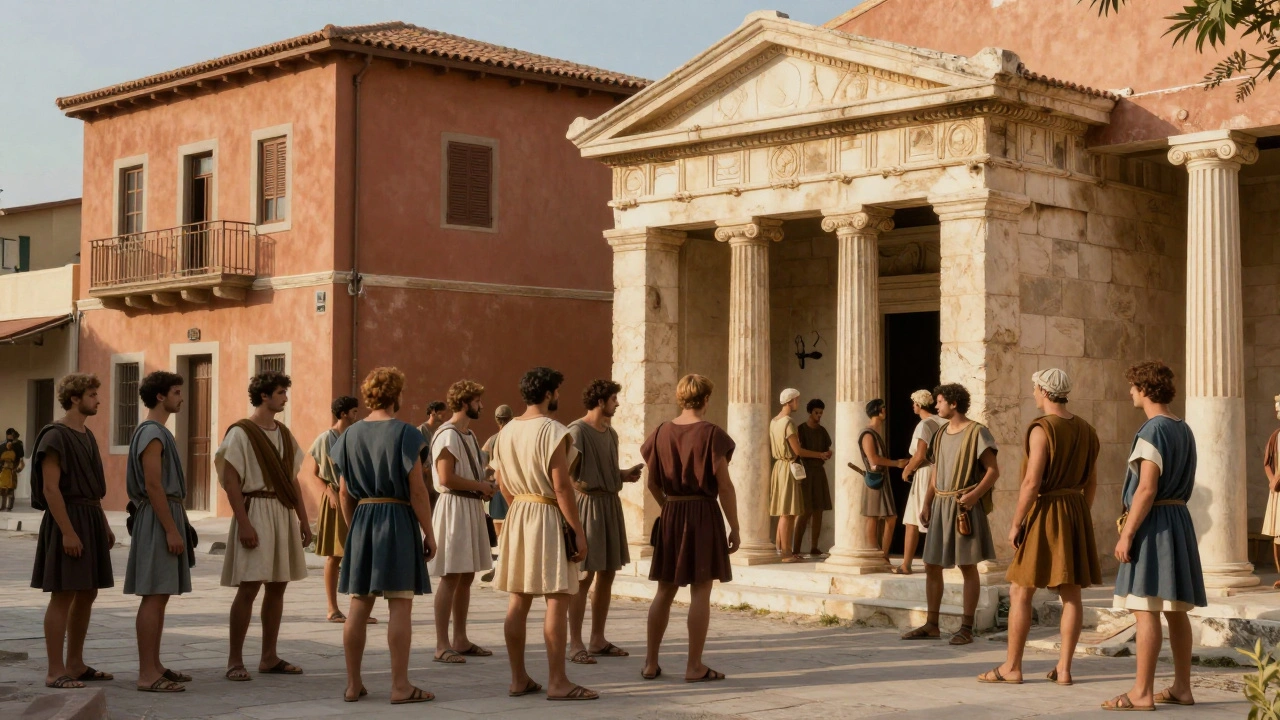
To understand why Solon took such a radical step, you have to look at the demographics of Athens in the late 7th century BCE. The city was booming. Trade was expanding, and young men were flooding into the city to work as crew members on merchant ships. At the same time, Athenian society had a strict cultural norm: men typically married after the age of 30. This created a massive gap between sexual maturity and social acceptance of marriage. You had thousands of young, single men with no legal outlet for their desires, leading to potential social unrest and adultery scandals that threatened family stability.
Solon saw this not just as a moral failing but as a structural problem. His solution was pragmatic rather than puritanical. Instead of trying to suppress natural urges through harsh punishment, he channeled them into a controlled environment. By establishing state-supervised brothels, he aimed to provide sexual release for these transient workers and young citizens before they settled down. It was a public health measure designed to contain adultery and maintain social order. The goal wasn’t to eliminate vice but to manage it so it wouldn’t tear the fabric of society apart.
Building the First State Brothel
Solon didn’t leave this to chance. Historical records indicate he personally oversaw the creation of the first official brothel in Athens, likely located near the Kerameikos, a major district in ancient Athens known for its pottery industry and cemetery. He acquired a building, referred to in Greek as a deikterio, in the name of the Municipality of Athens. This wasn’t an ad-hoc arrangement; it was a deliberate institutional setup.
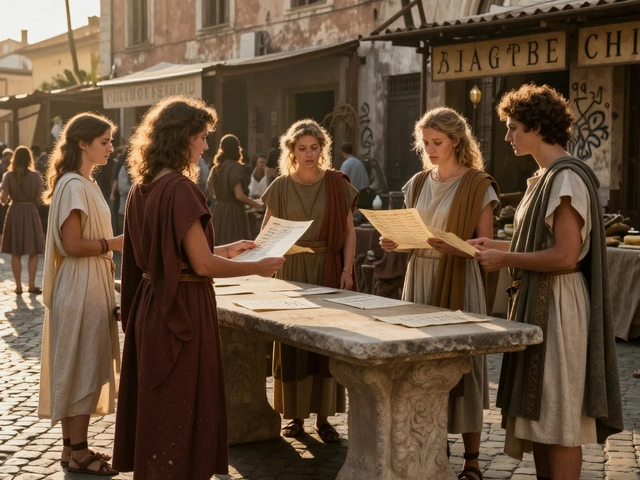
To staff this facility, Solon reportedly approached Levantine slave-traders to secure women who were trained in the arts of erotic cajolery. This highlights the systematic nature of the project. The state was essentially creating a service industry infrastructure. The workforce included slaves, free citizens, ex-slaves, and metics, resident foreigners living in Athens without full citizen rights. This diversity shows that prostitution was not confined to one social class but was integrated into the broader labor market of the city.
The One-Obol Price Tag: Democracy in Practice
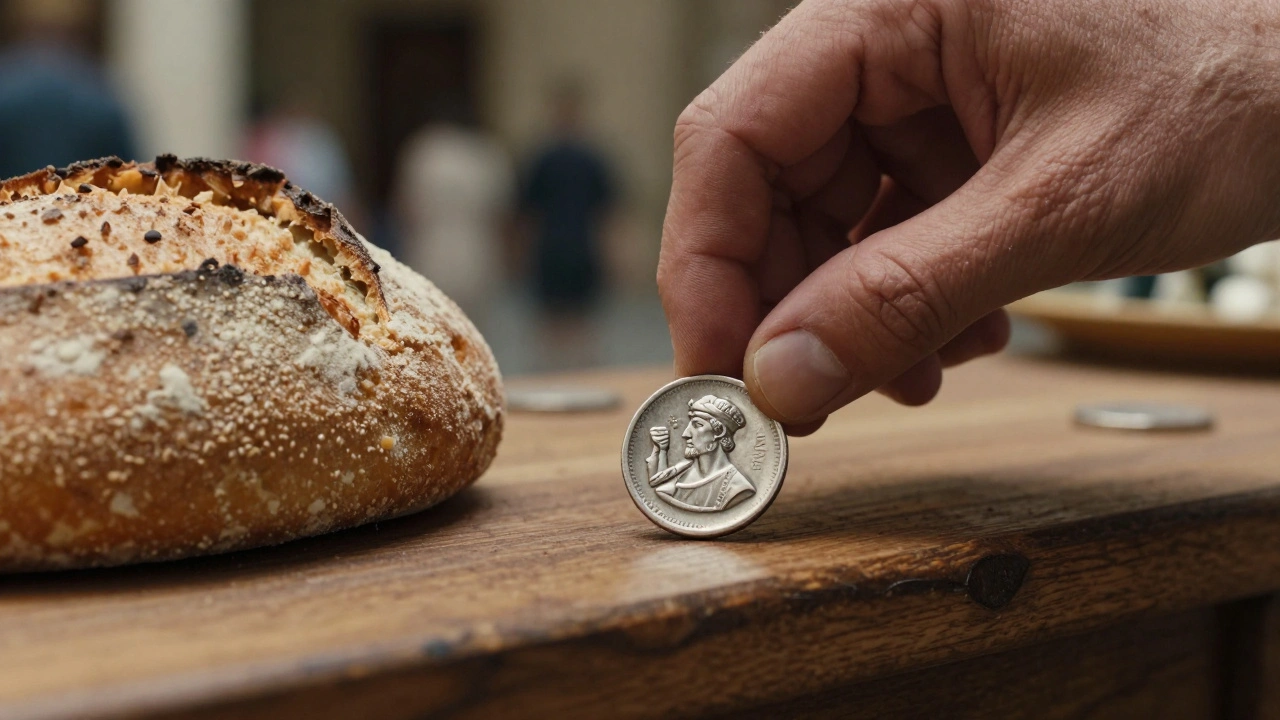
One of the most striking features of Solon’s brothels was their pricing structure. The entrance fee was fixed at one obol, a small silver coin worth one-sixth of a drachma. To put that in perspective, an obol cost about the same as a loaf of bread. It was also roughly one-sixth of a day’s wage for a laborer. This made the service accessible to almost every man in Athens, regardless of his income level.
This accessibility was a political masterstroke. As the playwright Philemon later noted in his play Adelphoi, the Solonian brothels provided a service open to all. In a society moving toward greater democratic participation, ensuring that even the poorest citizen could afford this basic human need helped prevent resentment and social friction. It gained Solon high praise from voters because it treated the lower classes with a degree of dignity and practicality that previous regimes had ignored. Interestingly, despite the low price, these brothels eventually became popular among the wealthy too, giving some prostitutes a certain social cachet and invitations to elite parties.
| Feature | Detail | Purpose |
|---|---|---|
| Price | 1 Obol | Ensure universal accessibility for all income levels |
| Location | Near Kerameikos | Centralized management and visibility |
| Workforce | Slaves, Metics, Free Citizens | Integrate diverse social groups into the economy |
| Legal Status | Inviolate Sanctuary | Protect clients and workers from arbitrary arrest |
The Pornikotelos: Taxing Vice for Public Good
If accessibility was the hook, taxation was the engine. Solon introduced a specific tax on brothels and independent prostitutes called the pornikotelos, the tax levied on prostitutes and pimps in ancient Athens (or telos pornikon). This wasn’t just a minor fee; it became a cornerstone of Athenian fiscal policy. The right to collect this tax was often farmed out to private individuals who paid the state a lump sum upfront and then worked hard to maximize their returns. This created a competitive market for tax collection itself.
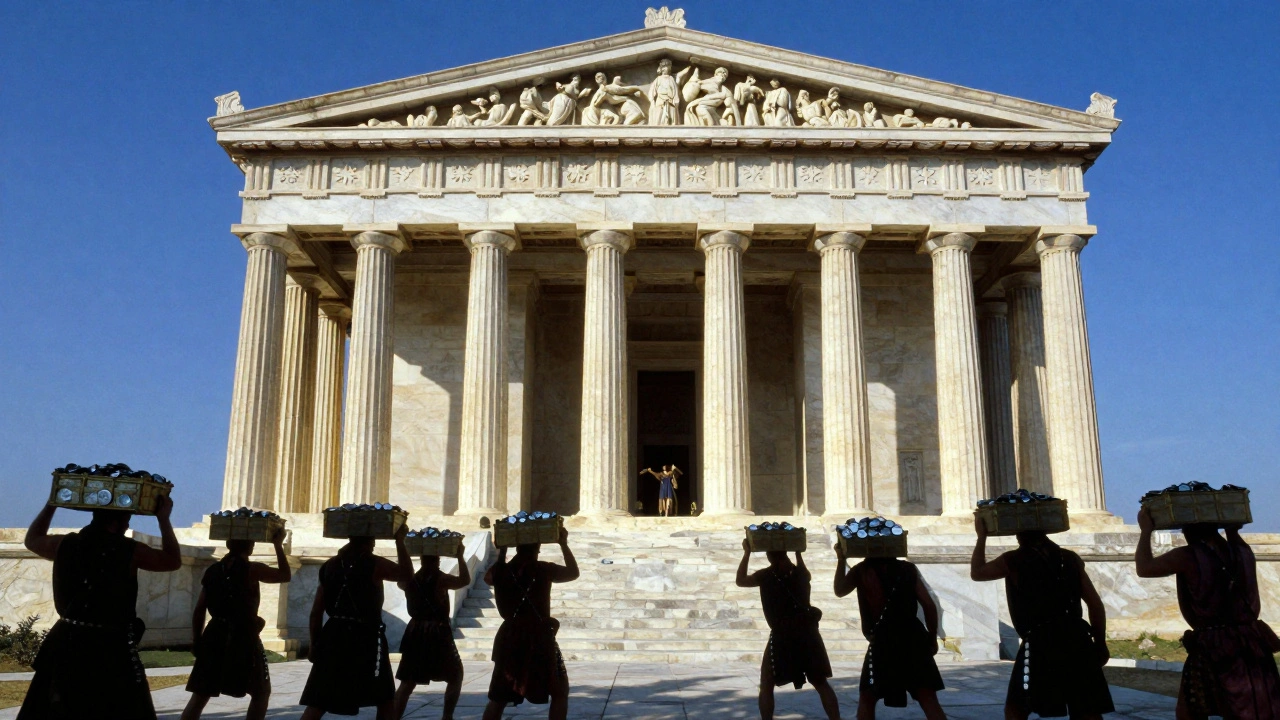
Where did the money go? Initially, Solon intended the revenues to fund the construction of temples to honor the gods, particularly Athena, the patron goddess of Athens associated with wisdom and warfare. However, the most famous use of these funds was the construction of a temple dedicated to Aphrodite Pandemos, Aphrodite 'of all the people,' a deity representing communal sexuality and civic unity. The name "Pandemos" is key here-it means "of all the people." By funding her temple with brothel taxes, Solon symbolically linked the sex trade to civic welfare and community benefit. It transformed a potentially shameful source of income into a sacred contribution to the city’s spiritual life.
Over time, these funds were also used for public buildings, monuments, and road repairs. The message was clear: the state recognized the economic value of regulated sex work and reinvested it directly into the infrastructure that kept Athens running. This pragmatic approach helped normalize the industry and reduced stigma by associating it with public good.
Legal Protections and the Limits of Regulation
Solon’s regulations went beyond taxes. He granted brothels a unique legal status: they were inviolate, much like temples. This meant that no father could pursue a son inside, and no constable could arrest a criminal within the walls of a brothel. This sanctuary status protected both clients and workers, ensuring that business could be conducted without fear of sudden interference. It signaled that these establishments were integral parts of the civic structure, not hidden underground operations.
However, there were strict boundaries. The primary concern of Athenian lawmakers was protecting the integrity of the citizen body. Laws were enacted to prohibit the selling of an Athenian’s children for prostitution. This distinction was crucial. Sexual commerce involving non-citizens, slaves, or metics was acceptable and taxed, but exploiting citizen-born individuals was strictly forbidden. This reinforced the social hierarchy and ensured that the core of the political community remained untainted by commercial sexual exploitation.
Solon also regulated pederasty, the sexual relationship between adult men and adolescent boys, which was a significant part of Greek social life. He didn’t ban it but taxed those who procured boys and youths, just as he taxed those supplying women. This comprehensive approach showed that Solon viewed all forms of sexual activity as areas requiring state oversight and revenue generation, rather than purely private matters.
Public Morality and Civic Order
Critics might argue that legalizing prostitution undermines morality, but Solon’s contemporaries saw it differently. The role of the Athenian brothel was framed as a guardian of social safety. By providing a legal outlet, the state reduced the likelihood of rape, adultery, and domestic conflict. It was a tool for maintaining peace in a densely populated urban center.
This system proved remarkably durable. Established during the Greek Archaic Period (800-479 BCE), it continued well into the Classical Period (480-323 BCE). Its longevity suggests that it met the needs of successive generations of Athenians. The combination of affordable access, reliable taxation, and legal protection created a stable framework that balanced individual desires with collective interests.
Solon’s approach teaches us that regulation isn’t always about prohibition. Sometimes, it’s about integration. By bringing the sex trade into the light, taxing it fairly, and using the proceeds for public benefit, Solon turned a potential social liability into a civic asset. Whether you view this as enlightened governance or cynical pragmatism, there’s no denying its effectiveness in keeping Athens orderly and prosperous.
Did Solon invent prostitution in Athens?
No, prostitution existed before Solon. However, he was the first to legalize it systematically, establish state-run brothels, and implement a formal taxation system. Before his reforms, it was likely more informal and less regulated.
How much did it cost to visit a Solonian brothel?
The entrance fee was one obol, which was equivalent to the price of a loaf of bread or about one-sixth of a daily wage for a laborer. This low price ensured that even poor citizens could afford the service.
What was the pornikotelos tax used for?
The pornikotelos tax funded public infrastructure, including roads, monuments, and religious temples. Most notably, it helped build the Temple of Aphrodite Pandemos, linking the sex trade to civic religious life.
Were Athenian citizens allowed to become prostitutes?
Yes, free citizens, slaves, and metics could all work as prostitutes. However, there were strict laws against selling Athenian children into prostitution to protect the integrity of the citizen body.
Why did Solon regulate pederasty alongside female prostitution?
Pederasty was a common social practice in ancient Greece. Solon chose to regulate and tax it rather than ban it, applying the same principle of state oversight and revenue generation to male sexual services as he did to female ones.