Sexual Violence: History, Power, and the Fight for Consent
When we talk about sexual violence, any non-consensual sexual act that uses force, manipulation, or power to control another person. Also known as sexual assault, it’s not just a crime—it’s a pattern woven into laws, culture, and everyday interactions for centuries. It doesn’t always look like a stranger in the dark. More often, it’s a partner pressuring you into sex after you said no, a boss implying promotion depends on compliance, or a family member using guilt to silence a child. This isn’t new. For generations, systems of power—from marriage contracts in medieval Europe to Victorian medical myths about female hysteria—were built to control women’s bodies and erase their autonomy.
Coercion, the quiet, emotional pressure that makes "yes" feel like the only option is the hidden engine behind much of sexual violence. It doesn’t need a weapon. A raised voice, a threat to leave, a reminder of past favors—it all counts. And consent, an ongoing, enthusiastic, and freely given agreement that can be withdrawn at any time. Also known as affirmative consent wasn’t even a legal concept until the 1990s. Before that, silence was treated as permission. The stories in this collection trace how we got here: from the erasure of lesbian relationships in archives to the medicalization of female desire, from police raids on gay bars to the legal battles over reproductive rights. These aren’t separate issues—they’re all parts of the same system that treats bodies as property instead of people.
What you’ll find here aren’t just stories of harm. They’re stories of resistance. Anne Koedt challenged the myth that vaginal orgasms were the standard of female maturity. Activists fought to make police raids on gay bars a national scandal. Survivors pushed back against the idea that "she was asking for it"—and slowly, the language changed. The articles below show how sexual violence isn’t random. It’s systemic. And because it’s built, it can be dismantled. You’ll read about how power shaped medieval marriages, how Victorian doctors labeled masturbation as madness, and how modern laws still fail survivors. But you’ll also see the moments when people refused to stay silent—and how those moments changed everything.
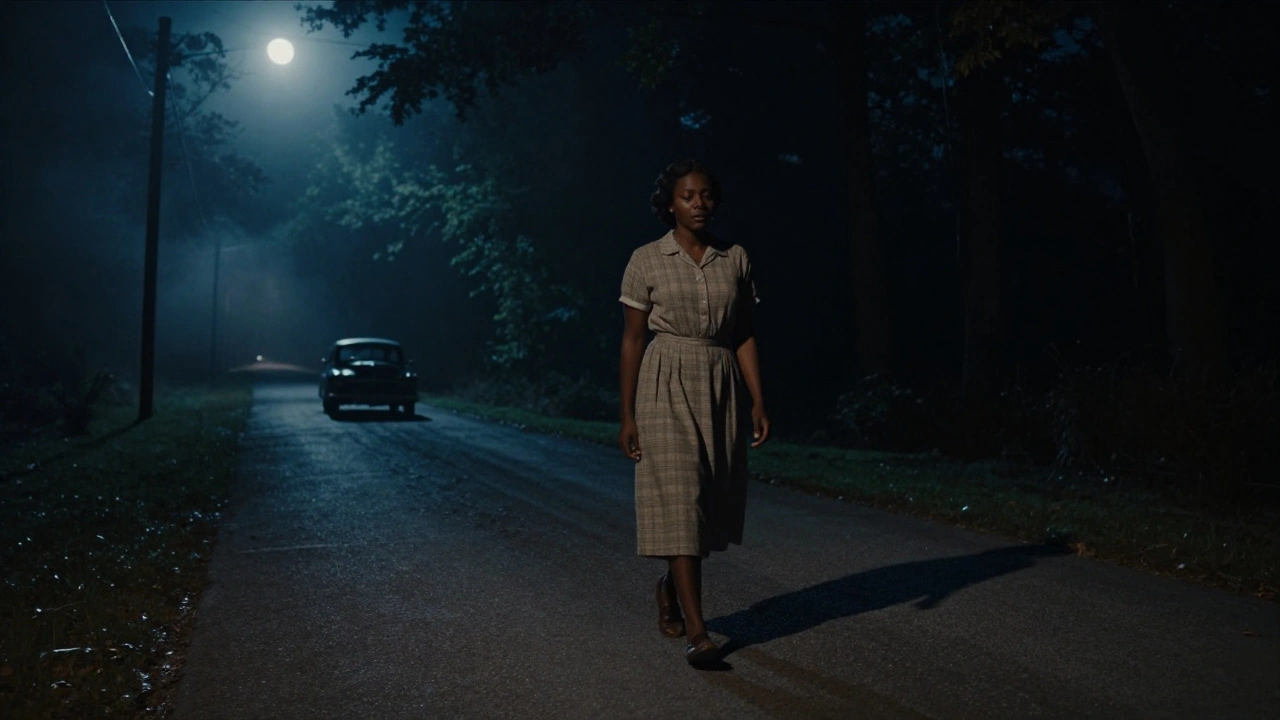
Civil Rights Era Cases: Recy Taylor and the Failure of Justice
Jan 20 2026 / History & CultureRecy Taylor, a Black sharecropper raped by seven white men in 1944 Alabama, became the center of a groundbreaking civil rights campaign led by Rosa Parks. Despite overwhelming evidence, the justice system refused to indict her attackers-until a national outcry forced a historic apology decades later.
VIEW MORE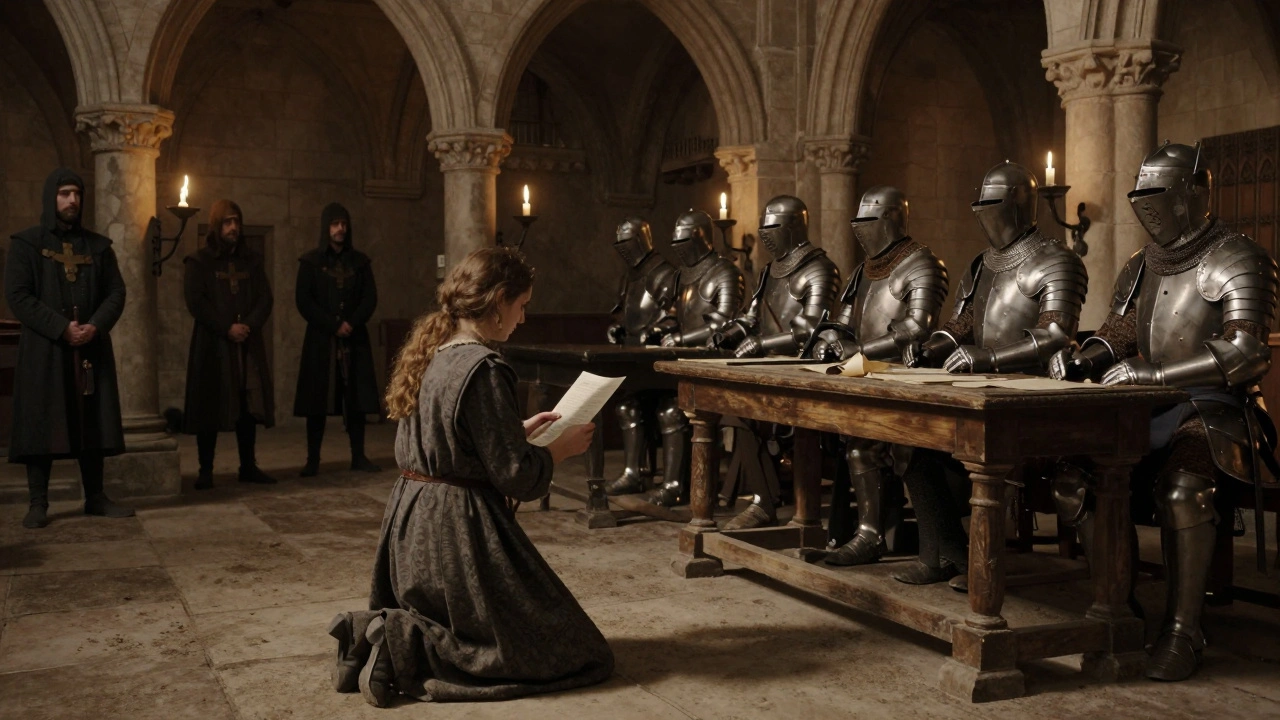
Convictions During the Hundred Years’ War: How Military Justice Handled Sexual Violence
Dec 14 2025 / History & CultureDuring the Hundred Years’ War, rape by soldiers was common but rarely punished. Royal pardons, weak enforcement, and a justice system focused on military needs left civilian women with no protection.
VIEW MORE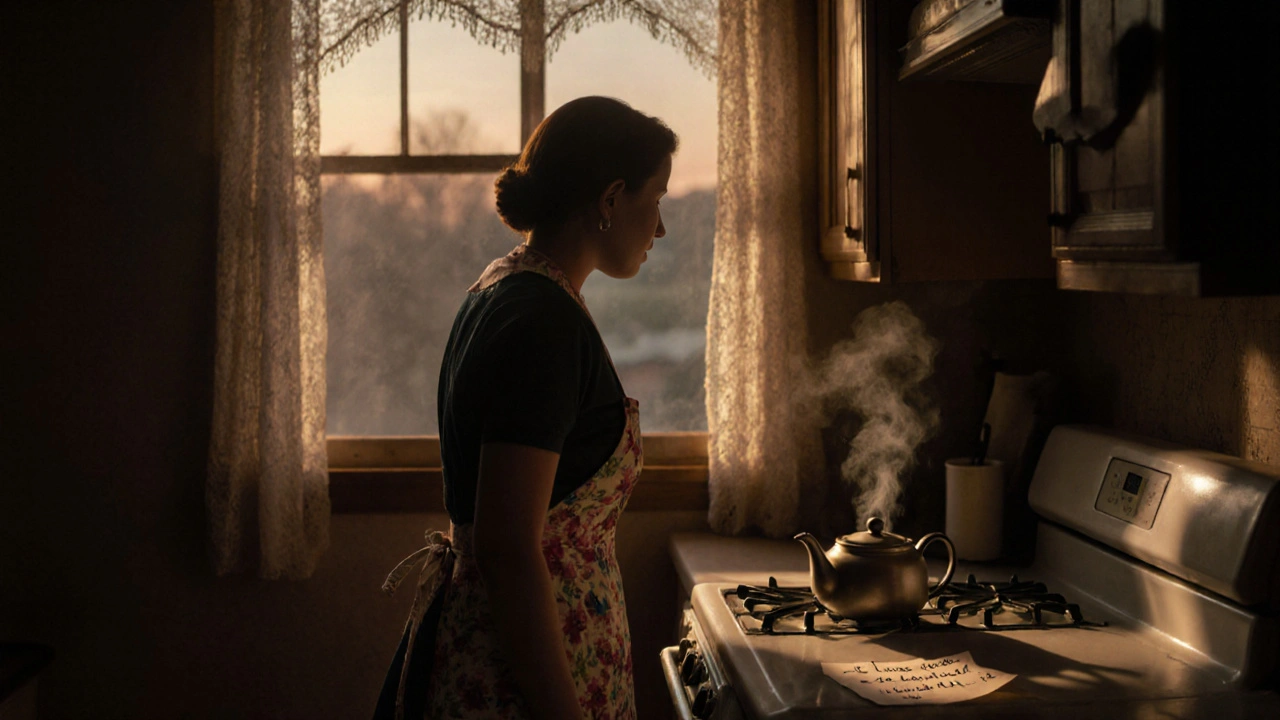
Rethinking Repression: How Silence and Speech Shape Sexual Histories
Nov 10 2025 / History & CultureSilence in sexual histories isn't just repression-it's strategy. From coded language in oral histories to strategic refusal in courtrooms, this article explores how speech and silence coexist in shaping sexual experiences across time.
VIEW MORE