Myth vs. Reality: Temple Roles Checker
Select a role from the list below to explore its true historical function versus popular myth. Based on archaeological evidence and textual analysis.
Hierodule
Mostly MythTemple administration, managing assets, performing rituals, and maintaining shrine sanctity. They were essentially high-ranking clergy or administrators.
Often misinterpreted as mandatory temple prostitutes. The idea that they were primarily sex workers assigned by priests is a sensationalized exaggeration by later writers.
Rare, ritual-specific only. Legally owned by the temple but dedicated for service. Social status was that of a dedicated servant, not a commercial sex worker.
When you think of Ancient Greece is often associated with marble statues, philosophical debates, and athletic competitions, but there is a shadowy corner of its history that fascinates many people: the idea of temple prostitution. Did priests really assign sex to gods? Was sex in the temple considered holy? The short answer is complicated. While the concept of sacred sexuality exists in various ancient cultures, the specific practice of mandatory temple prostitution in Greece is largely a myth or a significant exaggeration by later writers.
The Myth of Hierodouloi: Who Were They Really?
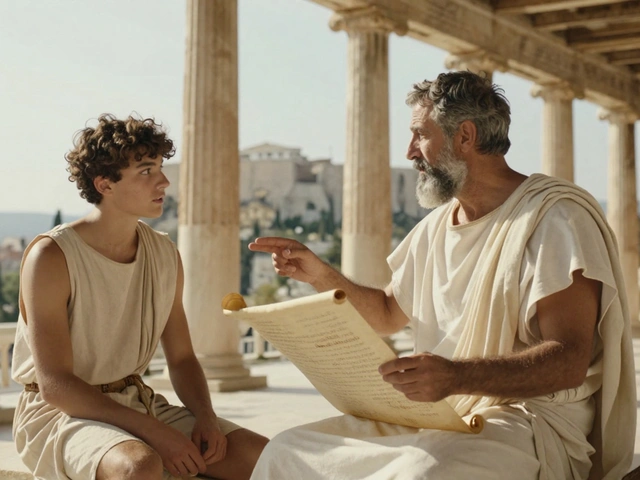
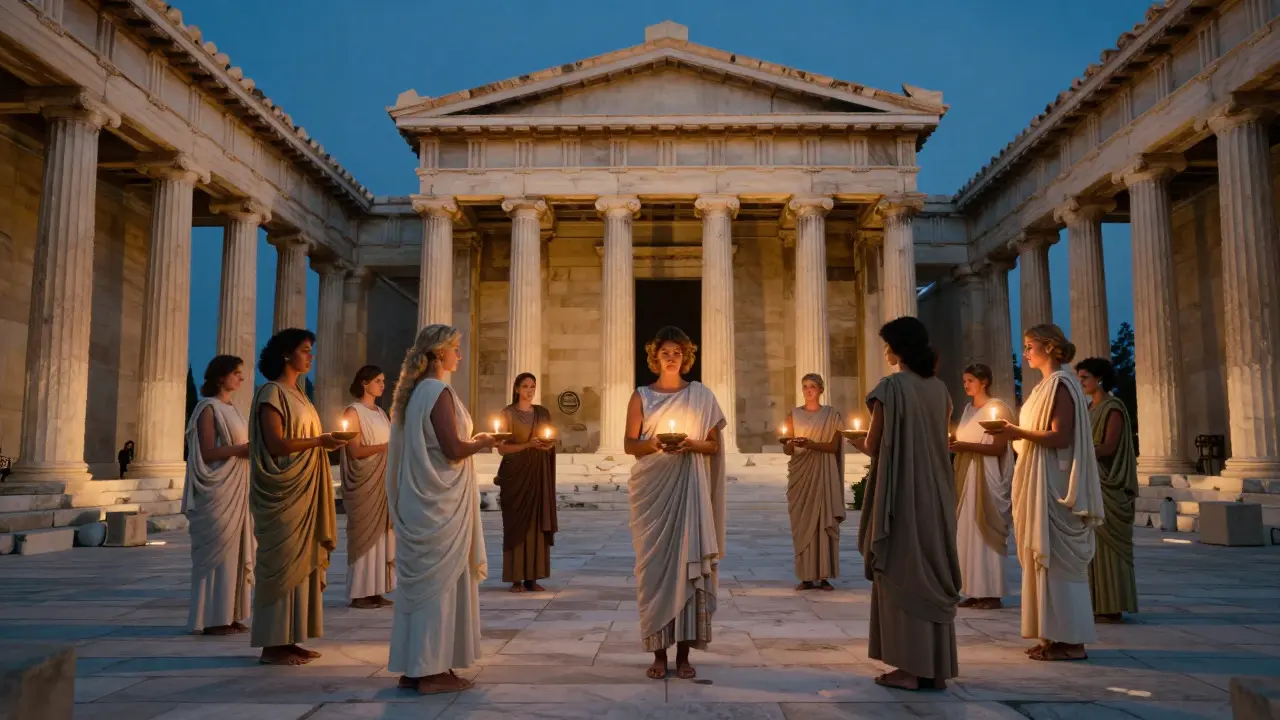
To understand the confusion, we have to look at the word itself. You will often see the term hierodouloi (literally "slaves of the god") used interchangeably with "temple prostitutes." But this translation is misleading. In reality, hierodouloi were dedicated servants of a deity. Their role was primarily religious and administrative, not sexual. They managed temple assets, performed rituals, and maintained the sanctity of the shrine. Think of them as high-ranking clergy or temple administrators rather than sex workers. The idea that every hierodule was a prostitute comes from a misinterpretation of their status as property of the temple, which could be lent out for various tasks, including labor, but rarely for sex.
However, there is a grain of truth buried under the myth. In certain cults, particularly those dedicated to Aphrodite or Demeter, ritualized sexual acts did occur. These were not commercial transactions where a client paid for access. Instead, they were part of a religious rite meant to ensure fertility, cosmic balance, or divine favor. This distinction is crucial. One is a business transaction; the other is a spiritual obligation. Confusing the two has led to centuries of sensationalized storytelling about Greek temples being essentially brothels run by priests.
Historical Sources: Where Did the Story Start?
So why do so many people believe this happened? The primary source is Herodotus, the famous historian who wrote in the 5th century BCE. He described the practices of Egyptian temples, specifically the temple of Isis at Bubastis, claiming that women had to spend time in a brothel before returning home. Some later Roman writers, like Strabo, applied similar descriptions to Greek cities like Corinth and Samos. But here is the catch: these accounts are often second-hand, biased, or written centuries after the events. Modern archaeologists and historians, such as those analyzing the excavations at Delphi and Olympia, have found little physical evidence to support widespread institutionalized temple prostitution in mainland Greece.
In contrast, the city-state of Corinth is often cited as the exception. Plutarch mentions a large temple of Aphrodite in Corinth that supposedly housed thousands of priestesses. If true, this would be a massive operation. Yet, archaeological surveys of the Acropolis of Corinth show no distinct structures that look like a brothel complex separate from the main sanctuary. It is more likely that the "prostitutes" mentioned were actually hierodouloi who engaged in occasional ritual intimacy, or that the number was vastly inflated by Roman tourists looking for exotic tales. The reality is probably a mix of ritual service and private socializing, rather than a rigid economic system of state-run sex work.
Sacred Sexuality vs. Commercial Prostitution
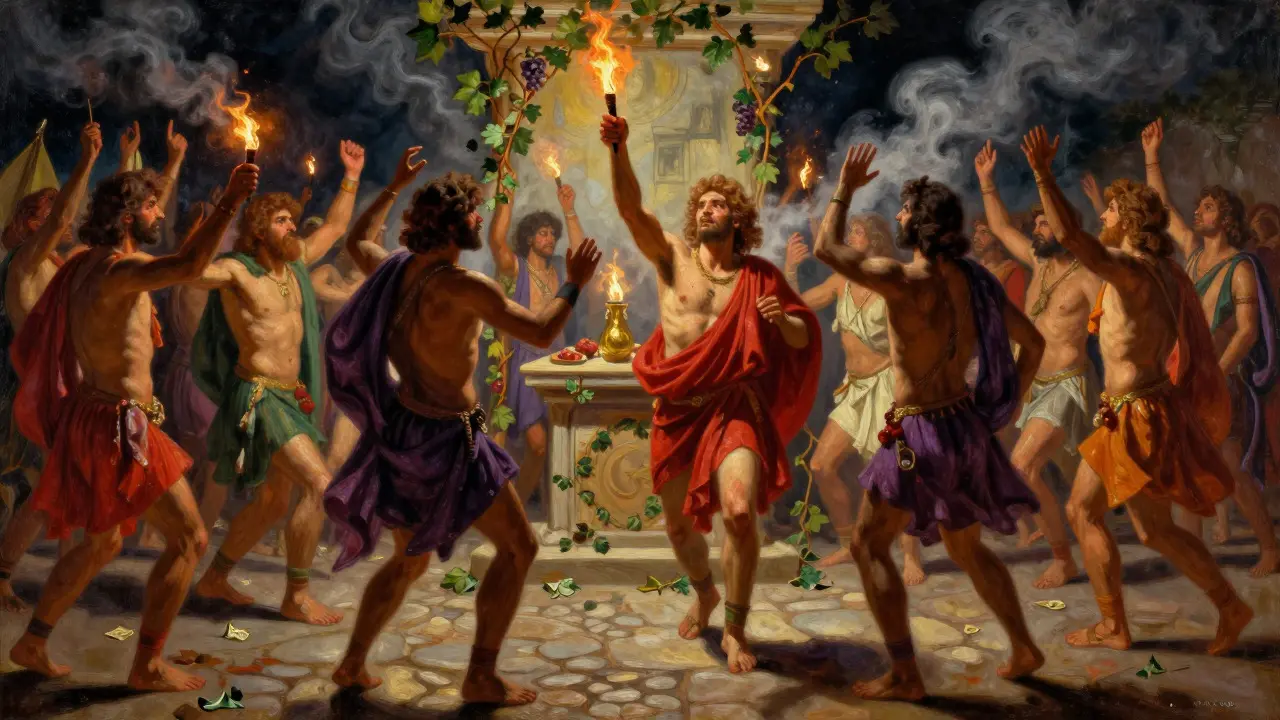
It is helpful to separate two different concepts that get tangled up in this topic: sacred sexuality and commercial prostitution. Sacred sexuality refers to acts performed within a religious context to honor a deity. In Ancient Greece, this might involve dancing, feasting, or symbolic union during festivals like the Thesmophoria or the Dionysia. These acts were believed to refresh the earth’s fertility or please the gods. They were communal, ritualistic, and tied to the calendar of the seasons.
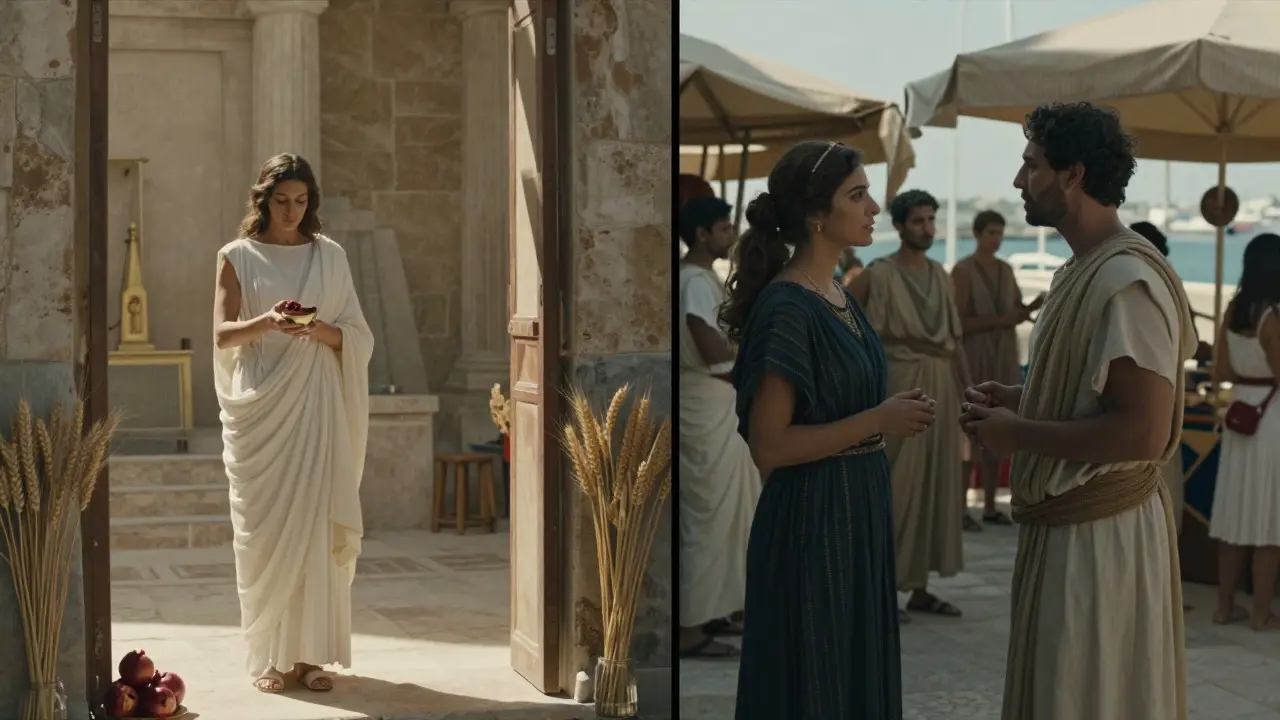
Commercial prostitution, on the other hand, was a common feature of daily life in Greek cities, but it was not necessarily linked to temples. Brothels existed in public areas, near markets, or in port cities. Women working in these establishments were often metics (non-citizens), slaves, or freedwomen. Their work was legal and regulated, but it was viewed with a mix of practical acceptance and moral suspicion. A citizen man visiting a hetaira (a high-class courtesan) was socially acceptable if he kept it discreet, but visiting a low-end brothel was frowned upon. Crucially, neither of these groups was typically employed by the temple priesthood. The overlap between the sacred and the sexual was real, but it was narrow and specific to certain cults, not a universal Greek practice.
The Role of Aphrodite and Other Deities
No discussion of sacred sexuality in Greece is complete without mentioning Aphrodite, the goddess of love and beauty. Her cult was widespread, from Cythera to Athens. In her temples, the atmosphere was undoubtedly sensual. Statues depicted her in states of undress, and hymns praised her power over desire. However, sensuality in worship does not equal mandatory prostitution. Devotees might offer gifts, pray for romantic success, or participate in ecstatic dances. The idea that priests would auction off virgins to the highest bidder is a dramatic invention that lacks solid historical footing. Similarly, the cult of Demeter involved themes of fertility and the cycle of death and rebirth, but the rites were strictly female-only and focused on agricultural abundance, not sexual commerce.
Another figure worth noting is Dionysus. His festivals, the Dionysia, were known for revelry, wine, and loosening of social norms. During these times, boundaries between the human and divine blurred. Participants might engage in wild dancing and drinking, which could lead to spontaneous sexual encounters. But again, this was part of a festival experience, not a scheduled service provided by the temple administration. The chaos of the Dionysian celebration was about transcendence and release, not a business model.
| Role | Primary Function | Sexual Context | Social Status |
|---|---|---|---|
| Hierodule | Temple administration, ritual maintenance | Rare, ritual-specific only | Dedicated servant, legally owned by temple |
| Hetaira | Companionship, conversation, entertainment | Commercial, private arrangements | Free woman or slave, high social visibility |
| Porne | Sexual services | Commercial, public brothels | Low status, often slave or metic |
| Priestess | Leading public rituals, sacrifices | Generally celibate or married separately | Citizen, high prestige |
Why Does This Myth Persist?
So, if the evidence is weak, why does the image of the Greek temple prostitute stick in our minds? Partly, it is because it fits a modern narrative of the ancients as morally loose or sexually liberated. We project our own ideas about freedom onto the past. Also, the sheer volume of art depicting nudity and erotic scenes makes it easy to assume that everything was open and unregulated. But Ancient Greece was a conservative society regarding family structure and citizenship rights. Sex outside of marriage was tolerated, but it was not celebrated as a civic duty. The myth persists because it is more exciting than the truth: that most temple activities were bureaucratic, agricultural, or purely devotional.
Furthermore, early Christian writers often exaggerated pagan practices to highlight the purity of their own faith. When comparing Christianity to paganism, making the Greeks seem overly sexual helped create a clear moral boundary. This rhetorical strategy has colored how we view the past for nearly two thousand years. Today, historians rely on archaeology, pottery inscriptions, and careful textual analysis to strip away these biases. The result is a picture that is less scandalous but far more nuanced.
Practical Implications for Understanding Ancient Society
Understanding the difference between myth and reality helps us appreciate the complexity of Ancient Greek social structures. It shows that religion was deeply intertwined with economics, politics, and gender roles. For example, the fact that hierodouloi were often slaves highlights the central role of slavery in Greek religious life. Their dedication was a way to manage labor resources while honoring the gods. Similarly, the presence of hetairas in high society indicates that elite men valued intellectual companionship and aesthetic pleasure alongside political alliances. By correcting the record on temple prostitution, we gain a clearer view of how ordinary people lived, worked, and worshipped in one of history’s most influential civilizations.
Next time you encounter a claim about sacred sex in Greece, ask yourself: Is this based on primary sources or later commentary? Is there archaeological proof? And what is the context-is it a ritual act or a commercial one? These questions will help you navigate the rich and often confusing landscape of ancient history.
Did all Greek temples have prostitutes?
No. Only specific cults, such as those of Aphrodite in certain locations, had associations with ritualized sexuality. Most temples focused on sacrifice, prayer, and community festivals without any sexual component.
What is the difference between a hierodule and a prostitute?
A hierodule was a person dedicated to a god, usually for administrative or ritual duties. A prostitute was someone who sold sexual services. While some hierodouloi may have participated in rare ritual acts, they were not primarily sex workers.
Was sex in the temple considered sinful?
Not necessarily. In the context of a ritual, sex could be seen as a holy act meant to please the gods. However, casual sex in the temple precincts was generally discouraged as it disrupted the sanctity of the space.
Who wrote about temple prostitution in Ancient Greece?
Herodotus and Strabo are the most famous ancient authors who described these practices, though their accounts are often debated by modern historians due to potential bias or lack of direct evidence.
Did women have more sexual freedom in Ancient Greece?
Generally, no. Citizen women were restricted to the household. Sexual freedom was more associated with non-citizen women, slaves, and hetairas, who operated outside the strict moral codes governing citizen families.