19th Century Surgery Evolution Timeline
Explore the dramatic transformation of surgery from a brutal last resort to a standardized medical practice. Click through each era to understand how techniques, ethics, and societal norms evolved.
The Era of Speed and Suffering
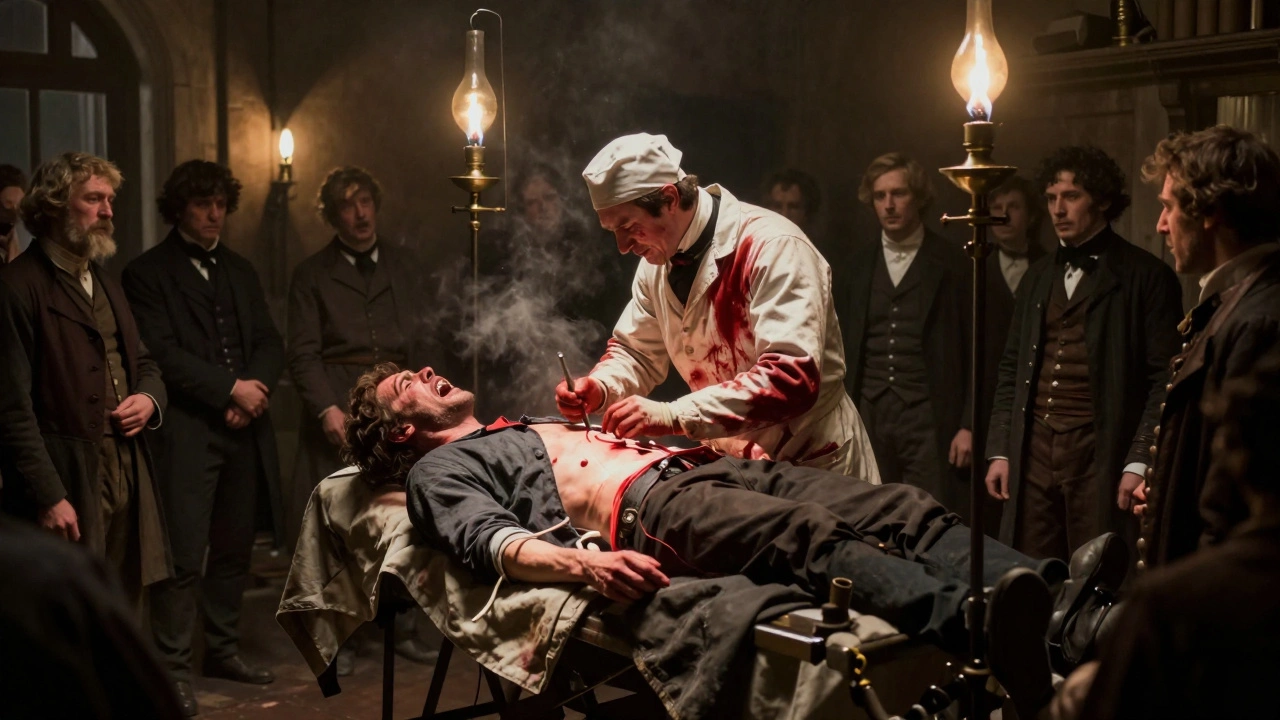
Surgery was a brutal gamble. Without anesthesia or antiseptics, surgeons competed for speed. Robert Liston's famous 28-second leg amputation exemplified this era—fast enough to save the patient but deadly to bystanders.
Introduction of Anesthesia
Ether and chloroform revolutionized surgery by eliminating pain during procedures. This allowed surgeons to work more carefully rather than rushing to finish before patients collapsed from shock.
Sims' Fistula Experiments
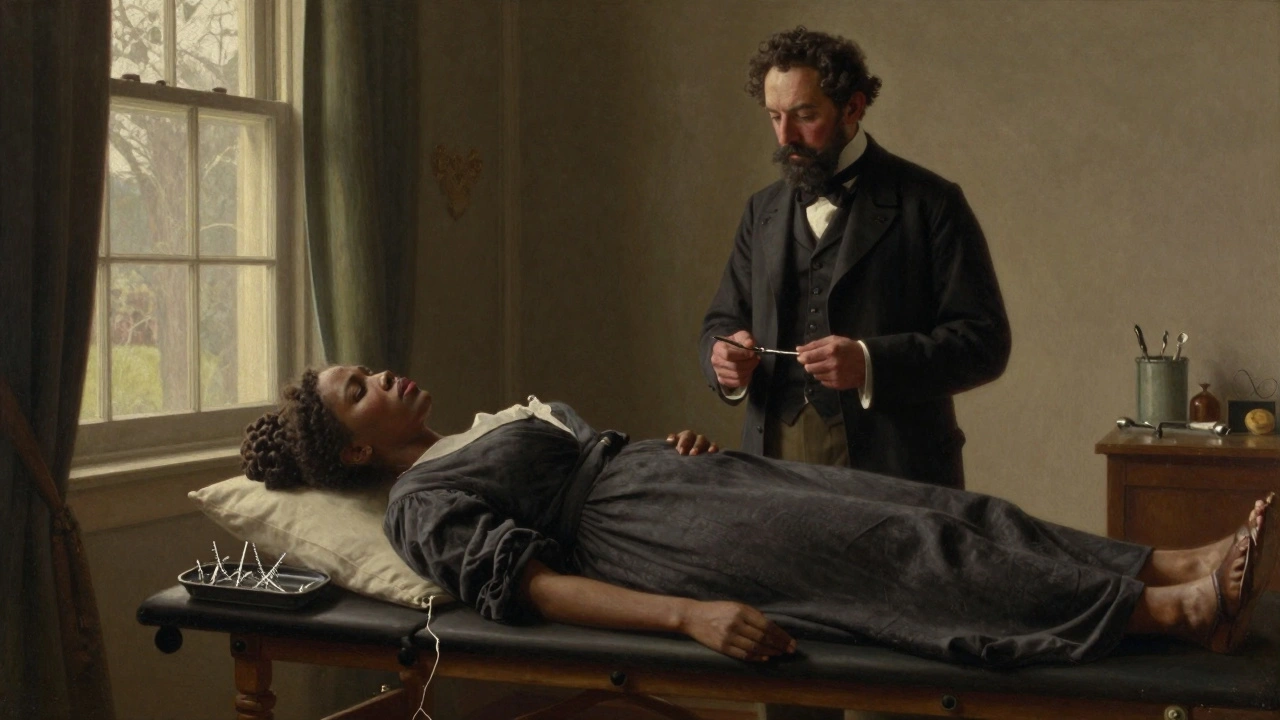
James Marion Sims developed successful fistula repair techniques using silver sutures. However, he performed dozens of experimental surgeries on enslaved women Anarcha, Lucy, and Brenna without anesthesia or true consent.
Lister's Antiseptic Revolution
Joseph Lister applied germ theory to surgery, using carbolic acid to disinfect wounds and instruments. Death rates from post-surgical infections plummeted, transforming surgery from a death sentence into a reliable treatment.
Professionalization of Surgery
The American Surgical Association was founded, establishing training standards and ethics. Surgery moved from informal apprenticeships to regulated education, giving surgeons unprecedented authority.
From Repair to Normalization
As techniques improved, surgeons began altering bodies deemed "abnormal" by Victorian standards. This mindset laid groundwork for intersex surgeries, prioritizing binary gender conformity over individual autonomy.
Key Insight
The 19th century gave us life-saving techniques built on ethical failures. Understanding this dual legacy helps us build healthcare systems that prioritize consent and equity.
When we think about modern medicine, we often picture sterile operating rooms, informed consent forms, and doctors who prioritize patient comfort. But if you traveled back to the mid-1800s, you would find a very different reality. Surgery was a brutal last resort. It was fast, bloody, and frequently fatal. The shift from this chaotic violence to the "normal" medical intervention we accept today did not happen by accident. It happened through a series of controversial experiments that changed how we define the body-and who gets to decide what a body should look like.
This era laid the groundwork for everything from standard sterilization techniques to the ethical debates surrounding gender-affirming care and intersex surgeries today. To understand where we are, we have to look at where we started: a time when surgeons were trying to fix broken bodies while ignoring the human rights of the people lying on their tables.
The Era of Speed and Suffering
In the early 19th century, surgery was not a gentle science. Without anesthesia or antiseptics, speed was the only way to keep patients alive. Surgeons competed to see who could amputate a limb the fastest. Robert Liston, a famous London surgeon, once removed a leg in just 28 seconds. He was so fast that he accidentally cut off his assistant’s fingers and severed a spectator’s thigh-but the patient survived. That was considered a success.
Why was it so violent? Because pain management was nonexistent. Before the widespread use of ether and chloroform, patients had to endure every second of the procedure. Operating theaters were filled with spectators, including students and curious locals, who watched as patients screamed. Surgeons wore blood-stained gowns as badges of honor. If your coat wasn’t stained, people assumed you hadn’t done enough work.
But there was an even bigger killer than pain: infection. Doctors didn’t know about germs yet. They believed that "bad air" caused infections. So, they would open windows during operations, thinking fresh air would heal wounds. In reality, hospitals were death traps. A condition called "hospitalism" killed more patients than the diseases themselves. Pus in a wound was seen as a sign of healing, not sepsis. This misunderstanding meant that surviving the knife was often just the beginning of a slow, painful death from infection.
James Marion Sims and the Fistula Experiments
Amidst this chaos, one surgeon began to change the game: James Marion Sims is a pioneering American physician known for developing surgical techniques to repair vesicovaginal fistulas. These fistulas were tears between the bladder and vagina, often caused by prolonged labor or injury. Women with these conditions suffered constant leakage of urine, leading to severe skin infections, social isolation, and depression. At the time, there was no cure. Women were told to live with it or die from the complications.
Sims decided to fix it. But his methods were ethically catastrophic. Between 1845 and 1849, he performed dozens of experimental surgeries on enslaved African American women in Montgomery, Alabama. His first subject was a woman named Anarcha. She had already endured 12 failed surgeries by other doctors. Sims used her body as a testing ground. He tried silk sutures, which failed. Then he switched to silver wire, which held better. Over three years, he operated on Anarcha at least ten times. He also experimented on two other enslaved women, Lucy and Brenna.
Did they consent? Historical records show that Sims paid them $300 each after their treatments were successful-a significant sum at the time. However, they were enslaved people. Their legal status meant they could not truly refuse their owners’ decisions. Furthermore, these initial surgeries were performed without anesthesia. Sims claimed that the women did not experience pain because the tissue involved lacked nerve endings. Modern medical understanding rejects this claim entirely. The trauma inflicted on these women was immense, both physically and psychologically.
Despite the horrific context, Sims’ technique worked. The silver sutures allowed the tissue to heal properly. By 1852, he published his findings, and the procedure became the standard treatment for fistulas worldwide. Today, Sims is celebrated in some circles as the "father of gynecology." Statues of him stand in public squares. But this celebration ignores the exploitation at its core. His success came at the cost of violating the bodily autonomy of Black women who had no power to say no.
The Rise of Antisepsis and Professional Standards
While Sims was refining sutures, another revolution was happening across the Atlantic. Joseph Lister is a British surgeon who pioneered antiseptic surgery using carbolic acid. In the 1860s, Lister read about Louis Pasteur’s germ theory. He realized that bacteria, not bad air, caused infections. He started soaking dressings in carbolic acid (phenol), a substance used to clean sewage. The results were dramatic. Death rates from post-surgical infections dropped significantly.
Lister’s work transformed surgery from a gamble into a predictable science. Suddenly, surgeons could take their time. They didn’t need to rush anymore because the risk of infection was manageable. This shift allowed for more complex procedures. For example, Ludwig Rehn performed the first thyroidectomy in 1880, and William Stewart Halsted developed the radical mastectomy in 1882. These procedures required precision, not just speed.
At the same time, surgery was becoming a formal profession. In the United States, the American Surgical Association was founded in 1880 by Dr. Samuel Gross. This organization established standards for training and ethics. Medicine was moving away from informal apprenticeships toward regulated education. This professionalization gave surgeons more authority. It also created a culture where medical expertise was rarely questioned by the public or the law.
From Repair to Normalization
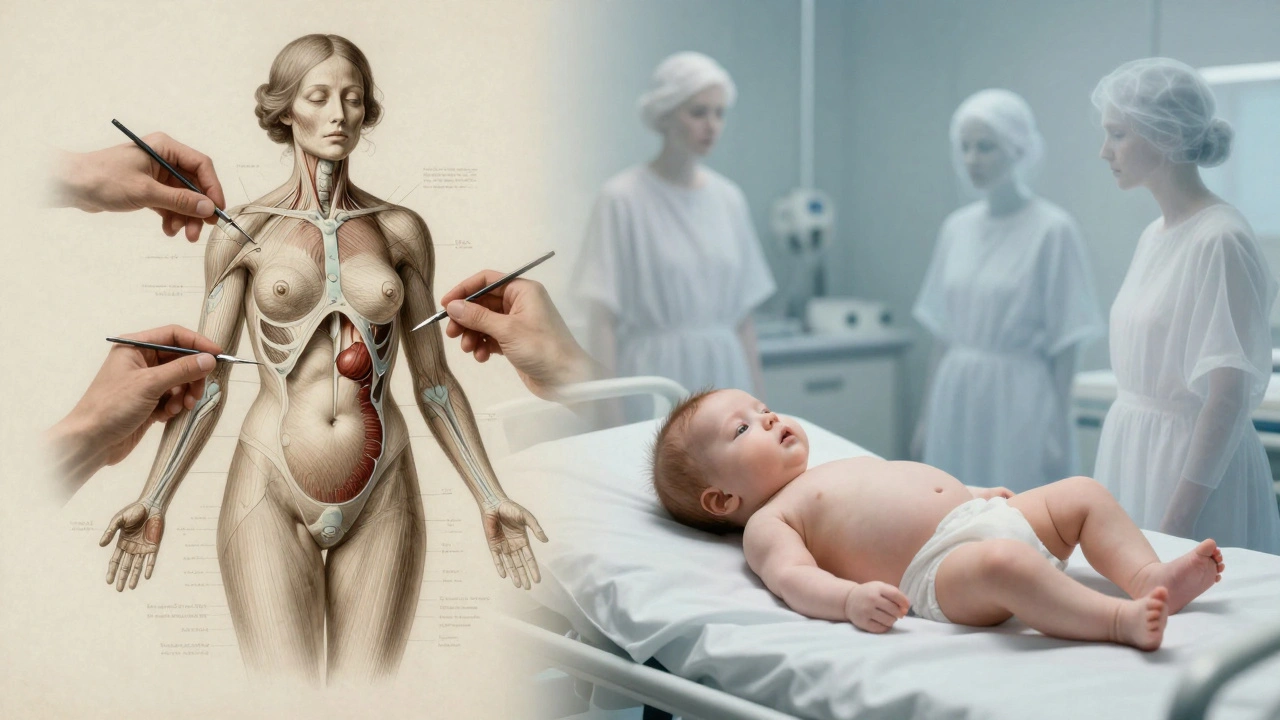
Here is where the story gets complicated. The 19th century didn’t just teach us how to fix broken bodies. It taught us how to define "normal" bodies. As surgical tools improved, surgeons began to intervene in ways that went beyond saving lives. They started correcting variations in anatomy that were not life-threatening but were deemed "abnormal" by societal standards.
This mindset laid the foundation for what we now call "normalizing surgeries," particularly in the context of intersex individuals. If a surgeon could repair a fistula to restore "proper" function, why couldn’t they alter genitalia to fit binary gender norms? The logic was similar: the body needed to conform to a specific ideal to be healthy and socially acceptable. This perspective ignored the individual’s identity and focused solely on external appearance and perceived functionality.
The concept of "normal" was heavily influenced by Victorian ideals of modesty and rigid gender roles. Any deviation from these norms was seen as a defect requiring correction. This medicalized view of gender and sex differences persists today. Many intersex people undergo unnecessary surgeries in infancy to make their genitals look typically male or female. These procedures are often justified by the same logic that drove 19th-century surgeons: the belief that the body must be fixed to prevent psychological or social harm.
Ethical Legacies and Modern Debates
We cannot separate the technical advances of the 19th century from their ethical failures. The legacy of James Marion Sims is a stark reminder that medical progress does not always equal moral progress. His techniques saved countless women from suffering, but they were built on the exploitation of enslaved people. Similarly, the push to "normalize" bodies has led to the violation of bodily autonomy for intersex children and others whose bodies do not fit strict binaries.
Today, we are reevaluating these histories. Statues of Sims have been moved or removed in some places. Medical schools are teaching the full story, including the lack of consent and anesthesia. There is a growing movement to delay non-essential surgeries on intersex infants until the individuals can consent for themselves. This shift reflects a deeper understanding of medical ethics: that patient autonomy matters more than surgical perfection.
The 19th century gave us the tools to heal. It gave us antisepsis, anesthesia, and standardized procedures. But it also gave us a dangerous precedent: the idea that doctors have the right to reshape bodies to fit societal expectations. Recognizing this dual legacy helps us build a healthcare system that prioritizes consent, equity, and respect for all bodies, regardless of how they look or function.
Who was James Marion Sims and why is he controversial?
James Marion Sims was a 19th-century American surgeon who developed the first successful surgical technique for repairing vesicovaginal fistulas. He is controversial because he performed numerous experimental surgeries on enslaved African American women-Anarcha, Lucy, and Brenna-without their fully informed consent and without anesthesia. While his medical innovations saved many lives, they were built on the exploitation and suffering of vulnerable individuals.
What were "normalizing surgeries" in the 19th century?
In the 19th century, "normalizing surgeries" referred to procedures aimed at restoring anatomical structures to what was considered "standard" or "healthy" based on Victorian societal norms. Initially, this included life-saving repairs like fistula closures. Later, the concept expanded to include altering bodies that deviated from binary gender norms, laying the groundwork for modern intersex surgeries.
How did Joseph Lister change surgery?
Joseph Lister introduced antiseptic surgery in the 1860s by using carbolic acid to disinfect wounds and instruments. This drastically reduced post-operative infections and deaths, transforming surgery from a high-risk, last-resort option into a safer, more reliable medical practice. His work validated the germ theory of disease.
Did patients in the 19th century receive anesthesia?
Early in the 19th century, anesthesia was not widely available, and surgeries were performed without it, causing extreme pain. Ether and chloroform were introduced in the 1840s, gradually changing this practice. However, James Marion Sims famously performed his early fistula surgeries on enslaved women without anesthesia, claiming the tissue lacked nerves, a claim that is medically incorrect.
How does 19th-century medical history relate to intersex rights today?
The 19th century established the medical precedent that doctors could alter bodies to fit societal definitions of "normal." This mindset contributed to the practice of performing non-consensual surgeries on intersex infants to align their genitalia with binary gender norms. Modern advocates argue for delaying such surgeries until the individual can provide informed consent, rejecting the historical model of paternalistic medical intervention.