Bride Switch Risk Simulator
Adjust the historical conditions to see if a bride could be successfully swapped without the groom noticing before the vows.
Groom's Visibility Index
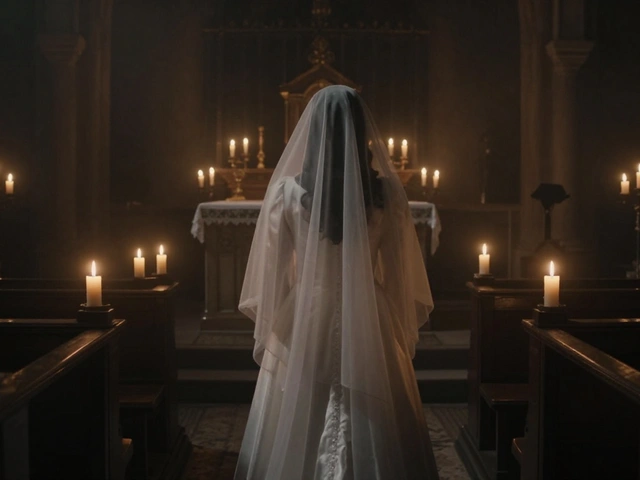
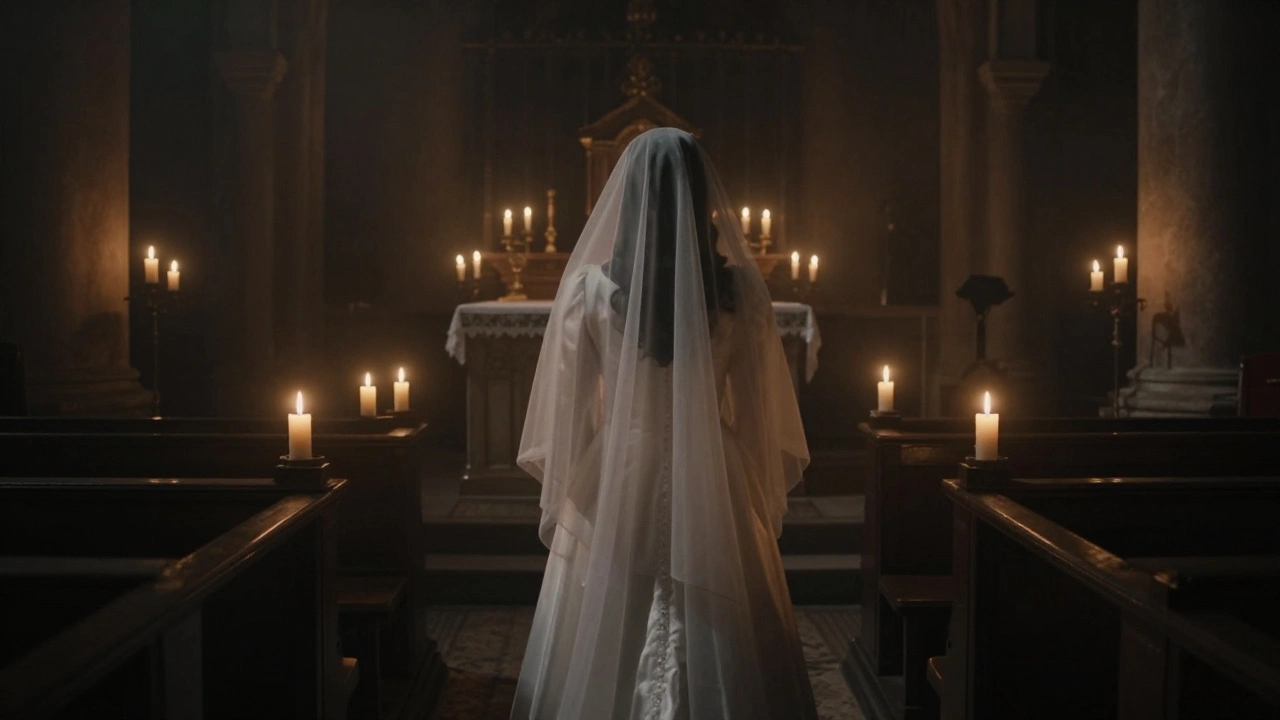
Imagine walking down the aisle, the air thick with incense and the dim glow of wax candles. You're wearing a heavy, opaque veil that hides every inch of your face. The groom is waiting at the altar, but here is the twist: he doesn't actually know who you are. In the 19th century, this wasn't just a romantic mystery-it was a loophole. In some circles, bride switching is the historical practice where families substituted one daughter for another during a wedding ceremony to ensure all daughters were married off. It sounds like a plot from a gothic novel, but it was a calculated move based on poor lighting and strict social hierarchies.
The Perfect Storm of Dim Lights and Heavy Fabric
To understand how someone could possibly swap a bride without the groom noticing, you have to look at the tech of the time. We're talking about the pre-electricity era, where churches were lit by flickering candles. This created a natural haze and deep shadows that made visual identification nearly impossible. Combine that with the wedding veil of the 1800s-which wasn't the sheer, light lace we see today, but a thick, heavy fabric designed to completely obscure the face-and you have a recipe for a switcheroo.
Grooms often didn't see the bride's face until the very last second, just before the vows. If the church was dark enough and the veil was thick enough, a father could easily slide a different daughter into the procession. Why? Usually, it was about the "spinster" daughters. In a society where an unmarried woman was a financial burden on her parents, substituting a less desirable daughter for a more popular one was a way for families to clear their ledger and ensure every girl was "off their hands."
Marriage as a Property Transaction
This wasn't just a prank or a freak occurrence; it was rooted in the way arranged marriage functioned. In these systems, marriage wasn't about two people falling in love; it was a business deal. The bride was essentially treated as property being transferred from the father to the husband. When we hear the phrase "giving the bride away," we think of it as a sweet sentiment, but historically, it was a literal transfer of ownership.
Because the negotiations happened between fathers and grooms, the actual identity of the woman was often secondary to the dowry and the family connection. This created a massive institutional gap. If the groom had never seen the bride and the father had already secured the financial agreement, the specific person under the veil became a negotiable detail. It was a brutal form of social control where neither the bride nor the groom had any real agency in the choice of their partner.
| Element | Folklore/Spiritual Purpose | Social Control Purpose |
|---|---|---|
| Heavy Veil | Ward off demons and evil spirits | Hide the bride's identity to prevent groom's cold feet |
| Identical Bridesmaids | Confuse jealous ex-lovers/spirits | Create visual chaos to mask a bride switch |
| Candlelit Setting | Create a sacred, spiritual atmosphere | Limit visibility to enable daughter substitution |
The Role of Bridesmaids in the Confusion
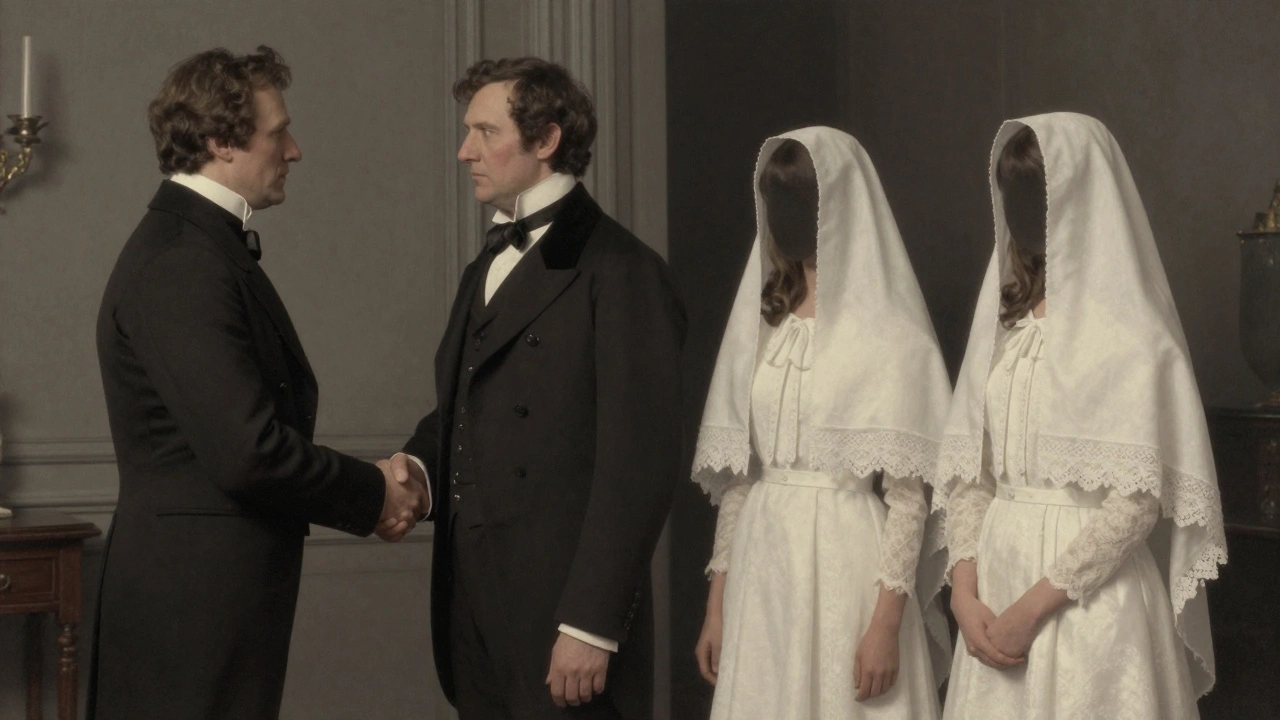
If you've ever wondered why bridesmaids wear similar dresses, there's a weird bit of wedding folklore for that. The tradition suggests that bridesmaids dressed like the bride to confuse evil spirits or jealous exes who might want to curse the couple. While that sounds like a spooky superstition, it served a very practical purpose for the families practicing bride switching.
When half a dozen women in the room are dressed in similar colors and fabrics, all with their faces obscured, the visual noise becomes a shield. If everyone looks the same, it's much harder for a groom-or any guest-to realize that the woman walking down the aisle isn't the one who was promised in the marriage contract. The spiritual "protection" was a perfect cover for a very human act of deception.
How Electricity Killed the Switch
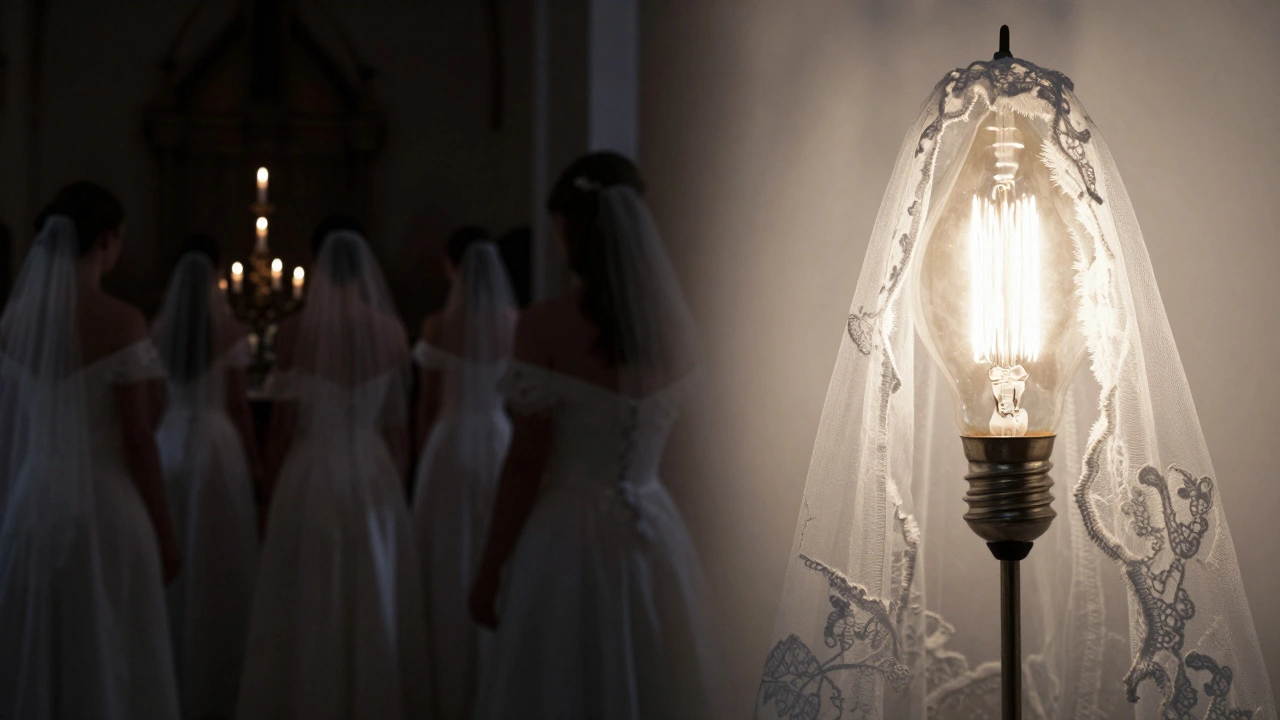
The end of bride switching didn't come from a moral awakening, but from a lightbulb. The introduction of electric lighting in churches during the late 19th and early 20th centuries stripped away the darkness that made these swaps possible. Suddenly, you could actually see who was standing at the altar. At the same time, fashion shifted. Veils became thinner and more transparent, reflecting a broader cultural move toward less restrictive clothing for women.
The fear of misidentification was so real that it actually left a mark on the law. In the UK, there were restrictions on wedding times-requiring them to happen between 8 am and 6 pm-largely because they needed the daylight to ensure the groom knew exactly who he was marrying. This legal quirk lasted until 2012 (except in Scotland, who usually do things their own way), proving that the "visibility problem" was a legitimate concern for centuries.
The Lingering Echoes of Control
Today, we look back at these stories and feel a mix of horror and curiosity. We still use veils, we still have bridesmaids, and fathers still "give away" their daughters, but the context has changed. We now operate on a foundation of mutual consent. However, these traditions carry the "DNA" of a time when women had almost no power over their own lives.
The practice of switching brides is a stark reminder that folklore often masks a harder reality. While the stories told to the public were about warding off demons, the reality was about managing family assets and enforcing patriarchal authority. It shows how easily "tradition" can be used to justify the removal of a person's basic identity for the sake of a family's social standing.
Was bride switching common in all cultures?
There isn't a huge amount of formal legal data on this because it was an informal, often secret practice. Most of what we know comes from folk history and analyses of 19th-century customs. It was most likely prevalent in areas with strict arranged marriage systems and high social pressure to marry off all daughters, regardless of the groom's preference.
Why did the bridesmaids have to look like the bride?
The folklore excuse was to trick evil spirits or jealous ex-lovers so they wouldn't know which woman to target. In reality, this visual confusion made it much easier for a family to swap a bride without the groom or the congregation noticing the change in the person's physique or presence.
When did this practice actually stop?
It phased out as electric lighting became standard in churches and as veil fabrics became thinner and more sheer. Once visibility improved, the "darkness loophole" vanished, making it impossible to hide a bride's identity until the vows were spoken.
Were there any laws against this?
While not always explicitly banned as "switching," the UK had laws restricting weddings to daylight hours (8 am to 6 pm) specifically to prevent the misidentification of the bride due to poor lighting and heavy veils. This was an institutional acknowledgment of the risk.
Did the grooms ever find out?
In many cases, the groom didn't realize until the veil was lifted at the altar. Since the marriage was a financial and social contract between families, the groom often had little recourse, as the dowry and agreements had already been finalized.