Consent isn’t just a modern buzzword. It’s not something that started with college workshops or #MeToo hashtags. For thousands of years, human societies have wrestled with one simple, powerful question: When does someone truly agree? The answer has changed dramatically - sometimes violently - depending on who you were, where you lived, and what century you lived in.
Consent Wasn’t Always About Individuals
In ancient Mesopotamia, consent wasn’t about the individual. It was about the family, the clan, the gods. Marriage agreements were signed by fathers, not brides. In Sparta, girls were married off young, often without their input. Their consent? Irrelevant. What mattered was lineage, land, and political alliance. Even in early Athens, where democracy was born, consent meant something different. When Cleisthenes set up direct democracy in 507 BCE, it wasn’t that every citizen got to say yes to every law. It was that citizens had a voice in choosing who made the laws. Consent was collective, not personal. In many Indigenous cultures across the Americas, Africa, and Asia, consent operated through community consensus. A marriage wasn’t valid unless elders approved. A hunting trip wasn’t organized unless everyone in the group felt safe and willing. Consent here wasn’t a one-time yes - it was an ongoing check-in, woven into daily life. It wasn’t written down. It was felt.The Church Changed Everything - But Not the Way You Think
By the 12th century, the Catholic Church made a radical move: it said a marriage only counted if both the bride and groom freely said yes. No parent could force it. No dowry could replace it. This was the first time in Western history that consent became a legal requirement for a personal relationship - not just a political one. But here’s the catch: this rule didn’t apply to everyone. Peasants, slaves, women of color, and non-Christians were still treated as property. The Church’s consent rule was a tool of control as much as liberation. It gave men more power over their wives’ bodies, not less. A woman could say no - but if she did, she risked being labeled a heretic, a whore, or worse.When Consent Became a Political Weapon
Fast forward to 1621. Sir Edward Coke stood before Parliament and said something dangerous: “The king’s power comes from the people’s consent.” He wasn’t talking about sex. He was talking about rule. His words helped spark the English Civil War and later, the American Revolution. Consent wasn’t just about bodies anymore - it was about who had the right to govern. This idea spread. The U.S. Constitution didn’t say “consent” outright, but it was built on it. The Bill of Rights was a list of things the government couldn’t do without your permission. Consent became the foundation of democracy - and yet, it was still denied to millions. Enslaved people? No consent. Women? No vote. Native Americans? No land rights. Consent was a privilege, not a right.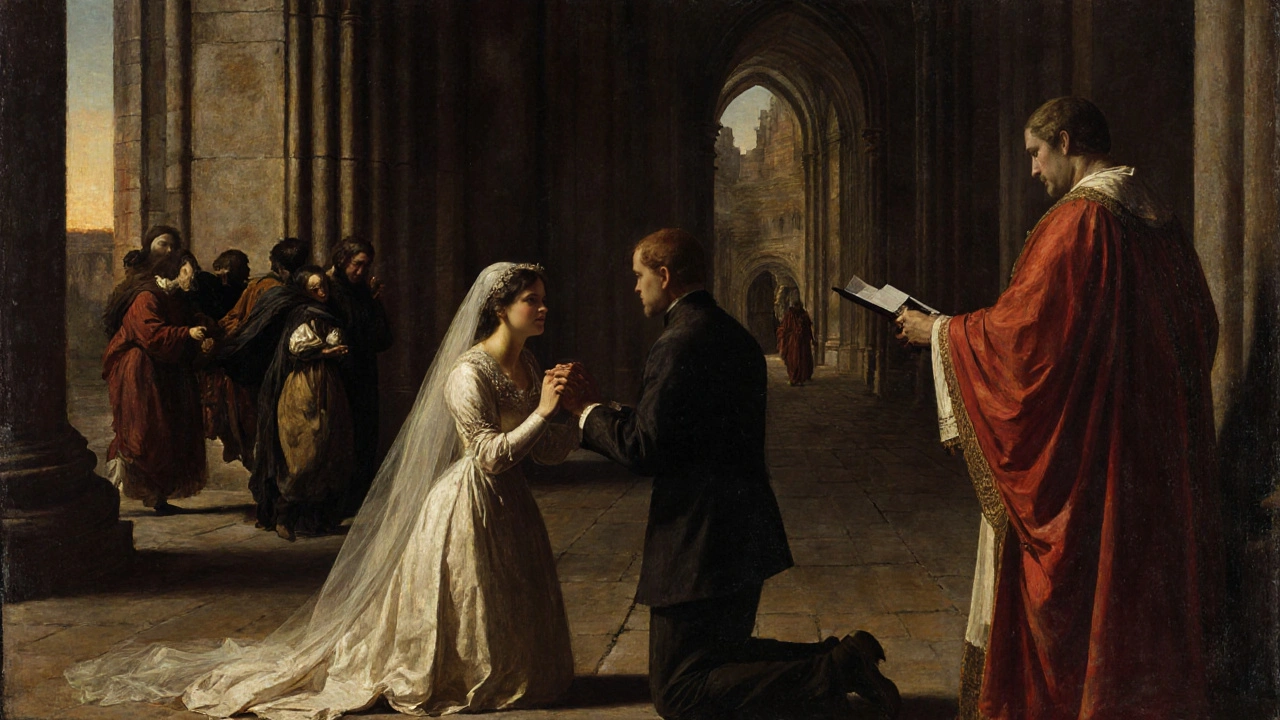
The Sexual Revolution Didn’t Fix Consent - It Just Made It Louder
In the 1970s and 80s, feminists started asking: Why do we assume sex is okay unless someone screams no? That’s when “no means no” became popular. But it had a flaw: silence could be fear. Compliance could be survival. What if someone was too scared to say no? What if they’d been taught their body wasn’t their own? By the 1990s, a new idea took hold: yes means yes. It wasn’t enough to not say no. You needed a clear, enthusiastic yes. This shift didn’t come from lawyers. It came from survivors. From students. From people tired of being blamed for what happened to them. In 2014, California became the first U.S. state to make affirmative consent the law for colleges. The University of California system followed. The rule was simple: consent must be affirmative, conscious, and voluntary. No assumptions. No ambiguity. No “she didn’t say no.”Consent Isn’t Just About Sex - It’s About Power
Consent isn’t just a legal term. It’s a mirror of power. Think about it: who gets to say no without consequences? Who gets to say yes without being pressured? In workplaces, doctors’ offices, classrooms, and even families, consent is often a luxury for those with the most power. The European Union’s GDPR law, passed in 2018, recognized this. It said: you can’t just click “agree” on a website and call it consent. You have to be told clearly what you’re agreeing to. You have to be able to say no without losing access. This isn’t about privacy - it’s about control. The same principle applies to sex, to medical treatment, to data, to your body. Anthropologist Campo found that Western cultures treat consent as a legal contract. But in many other cultures, consent is relational. It’s about trust, not rules. In some Indigenous communities, consent is shown through shared silence, not spoken words. In parts of Southeast Asia, saying “yes” too loudly can be seen as rude. The Western model doesn’t work everywhere - and pretending it does erases entire ways of being.What Does Real Consent Look Like Today?
Canada’s Criminal Code gives us the clearest modern definition: consent must be voluntary, affirmative, person-specific, conscious, and ongoing. That means:- It can’t be given under pressure, threats, or manipulation.
- It has to be a clear “yes” - not just silence or nodding.
- It only applies to that one person, in that one moment.
- You can’t consent if you’re passed out, drunk, or traumatized.
- You can change your mind - even in the middle of something.

The Gaps Still Exist - And They’re Dangerous
Even with all the laws and workshops, consent is still messy. A 2022 survey at Columbia Basin College found that 63% of students could define legal consent correctly. But only 29% felt confident applying it in real life. Why? Because consent isn’t a checklist. It’s a skill. It requires emotional intelligence. It requires listening. It requires knowing when to stop - even if no one says “no.” And then there’s the “enthusiasm gap.” A 2022 Canadian study found 68% of young adults couldn’t tell the difference between someone who was genuinely excited and someone who was just trying to please. That’s not ignorance. That’s a culture that taught women to be polite, not powerful.Consent Is Evolving - But Not Everywhere
In 2022, Spain passed its “Only Yes Means Yes” law. It removed the legal distinction between sexual assault and abuse. If you didn’t get a clear yes, you’re guilty. In the U.S., 28 states now have affirmative consent laws on college campuses - down from 35, as courts rolled some back. Meanwhile, in parts of the world, consent is still a luxury. In some countries, a woman’s testimony in court carries less weight than a man’s. In others, marriage is still a contract between families - not individuals. Consent isn’t universal. It’s constructed. And it’s still being fought for.What’s Next?
MIT is testing wearable tech that tracks heart rate and body language to detect enthusiasm. RAINN has over 140 resources for schools and workplaces. The global consent education market is worth $2.8 billion - and growing fast. But technology won’t fix this. Laws won’t fix this. Only culture will. Real consent means teaching kids from age five that their body belongs to them. It means training doctors to ask, “Is this okay?” instead of assuming. It means men learning to sit with silence instead of filling it. It means believing survivors - not because it’s politically correct, but because it’s true. Consent isn’t about policing sex. It’s about respecting people. And that’s a revolution that’s still just beginning.Is consent only important in sexual situations?
No. Consent applies to every interaction where someone’s autonomy is involved - from medical procedures and data sharing to asking to borrow a shirt or taking a photo. The same principles apply: free, informed, and ongoing agreement. Ignoring consent in small moments normalizes ignoring it in big ones.
Can someone consent if they’re drunk or high?
Legally, no. In most countries, including the U.S. and Canada, a person who is intoxicated, unconscious, or impaired by drugs cannot give valid consent. The law assumes they can’t make a clear, rational decision. This isn’t about judgment - it’s about protection. Someone who can’t speak clearly or remember what happened didn’t consent.
Why do some people say “yes means yes” is too strict?
Some argue it makes intimacy feel transactional or anxious. Others say it’s unrealistic to expect verbal confirmation every time. But the goal isn’t to make sex awkward - it’s to prevent harm. Most people who practice affirmative consent say it actually deepens connection. It removes guesswork. It builds trust. The discomfort comes from unlearning old habits, not from the model itself.
Does consent culture ignore cultural differences?
Yes, if it’s applied without context. Western models often assume verbal communication and individualism. But in many cultures, consent is shown through body language, silence, or community approval. A one-size-fits-all approach can erase those traditions. Effective consent education respects cultural norms while still protecting personal boundaries.
Why do some survivors still blame themselves?
Because society spent centuries teaching them they were responsible for preventing assault. From “don’t wear that” to “why didn’t you scream?” - the message was always on them. Even today, legal systems and media often focus on the victim’s behavior instead of the perpetrator’s actions. Healing takes time - and it starts when we stop asking “what did they do?” and start asking “what did they do to them?”