The 'Cultural Shift' Knowledge Check
How well do you know the 'Sex and the City' effect?
Test your knowledge on how a single TV episode shifted the global conversation about female pleasure and sexual wellness.
Question text goes here?
Quiz Complete!
Your result message goes here.
The "Sex and the City" effect wasn't just about a product; it was about the sudden, loud normalization of the idea that women's pleasure is a priority and a right.
The Episode That Changed Everything
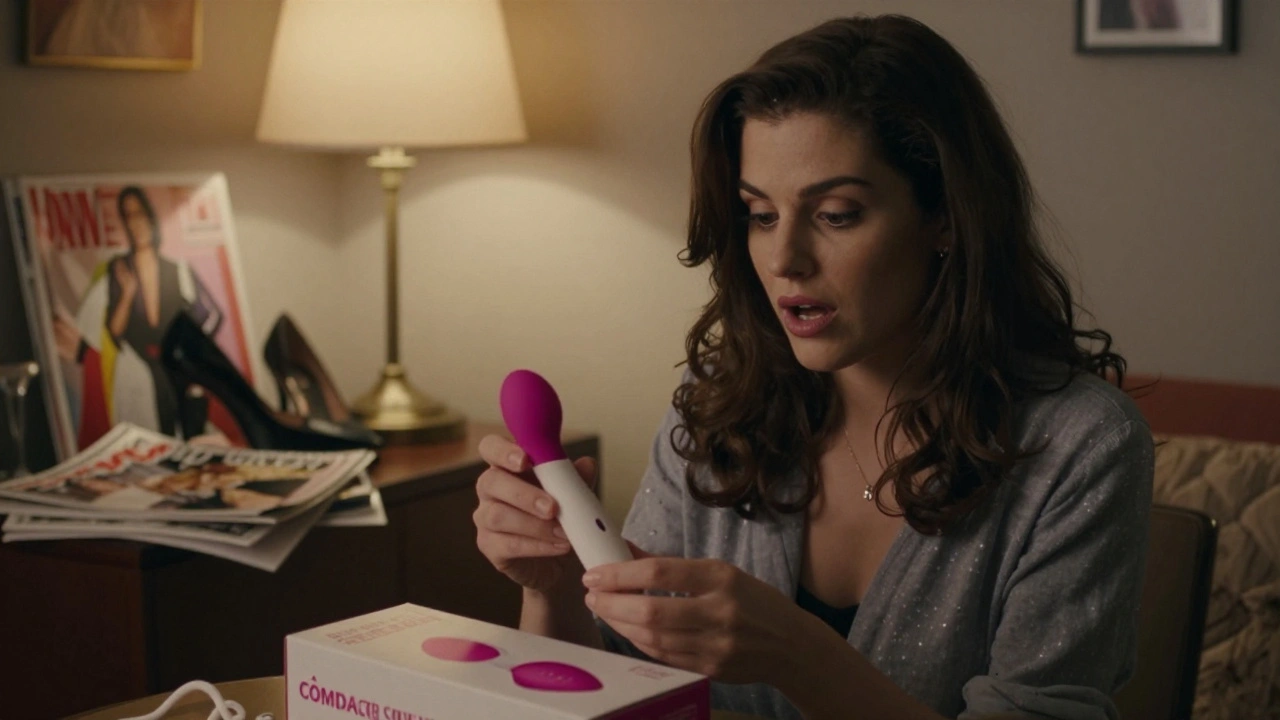
The turning point happened in Season 1, Episode 9, titled "The Turtle and the Hare," which aired on August 2, 1998. The plot centers on Charlotte York, the most traditional and reserved of the group. In a comedic but telling arc, Charlotte discovers the Rabbit and becomes so obsessed with the device that she virtually retreats from the world. She stops chasing men and locks herself in her apartment for days, completely absorbed in her own satisfaction until her friends, Carrie and Miranda, have to stage an intervention to get her back into society.
While the show played the situation for laughs-painting Charlotte's devotion as an extreme addiction-the underlying message was revolutionary. For the first time on a mainstream HBO series, a woman was depicted as falling "head-over-heels" for a piece of technology designed for her own pleasure. It framed self-pleasure not as a desperate act or a shameful secret, but as something so intensely rewarding that it could compete with a romantic relationship.
Breaking the Taboo of the Sex Shop
One of the most impactful moments wasn't actually the vibration, but the shopping trip. The episode showed women walking into a sex toy retail environment, discussing products openly, and encouraging each other to invest in their own satisfaction. This was a massive departure from the norms of the late 90s. Before this, the "adult store" was a place of mystery and fear for many women.
By showing characters like Carrie and Miranda supporting Charlotte's exploration, the show rebranded the act of buying a sex toy as an act of empowerment. It suggested that spending money on a high-quality device was a worthwhile investment in one's own wellness and happiness, putting it on the same level as buying a luxury handbag or a designer dress. This linked sexual autonomy directly to economic independence; women who controlled their own finances could now control their own pleasure.
| Metric | Early 1990s Baseline | Post-Show Influence |
|---|---|---|
| Weekly Masturbation (Women 21-29) | < 10% reporting any masturbation | Approx. 21% reporting weekly |
| Perception of Sex Toys | Taboo / "Underground" | Lifestyle / Wellness Accessory |
| Public Conversation | Private/Shame-based | Open/Empowerment-based |

Industry Growth and the 'Self-Sufficient' Woman
The ripples of this episode were felt immediately across the industry. CalExotics, a major player in the adult toy market, noted that the cultural shifts triggered by shows like Sex and the City were overwhelmingly positive. Susan Colvin, the founder and CEO of CalExotics, pointed out that women were emerging as self-sufficient individuals who took control of their lives, extending that control all the way into the bedroom.
This shift in consumer behavior turned the sex toy industry from a niche market into a mainstream powerhouse. The "Rabbit" specifically became a gold standard for design, proving that there was a massive demand for multi-functional devices that addressed both internal and external stimulation. It moved the industry away from simple, single-speed vibrators toward more complex, ergonomic tools designed specifically for female anatomy.
The Psychological Impact of Normalization
Why did a fictional show have such a real-world impact? It comes down to the power of visibility. When millions of viewers saw a 30-something woman talk openly about her pleasure with her friends, it gave them a vocabulary to discuss their own desires. The show provided a social "script" that made it okay to be curious and okay to be satisfied.
The data reflects this. The jump in reported masturbation among young women-nearly doubling in some demographics-wasn't just about the existence of the toys, but the permission to use them. The show effectively removed the guilt associated with self-pleasure. It shifted the narrative from "why do I need this if I have a partner?" to "why shouldn't I have this regardless of my partner?"
Lasting Legacy in Modern Sexuality
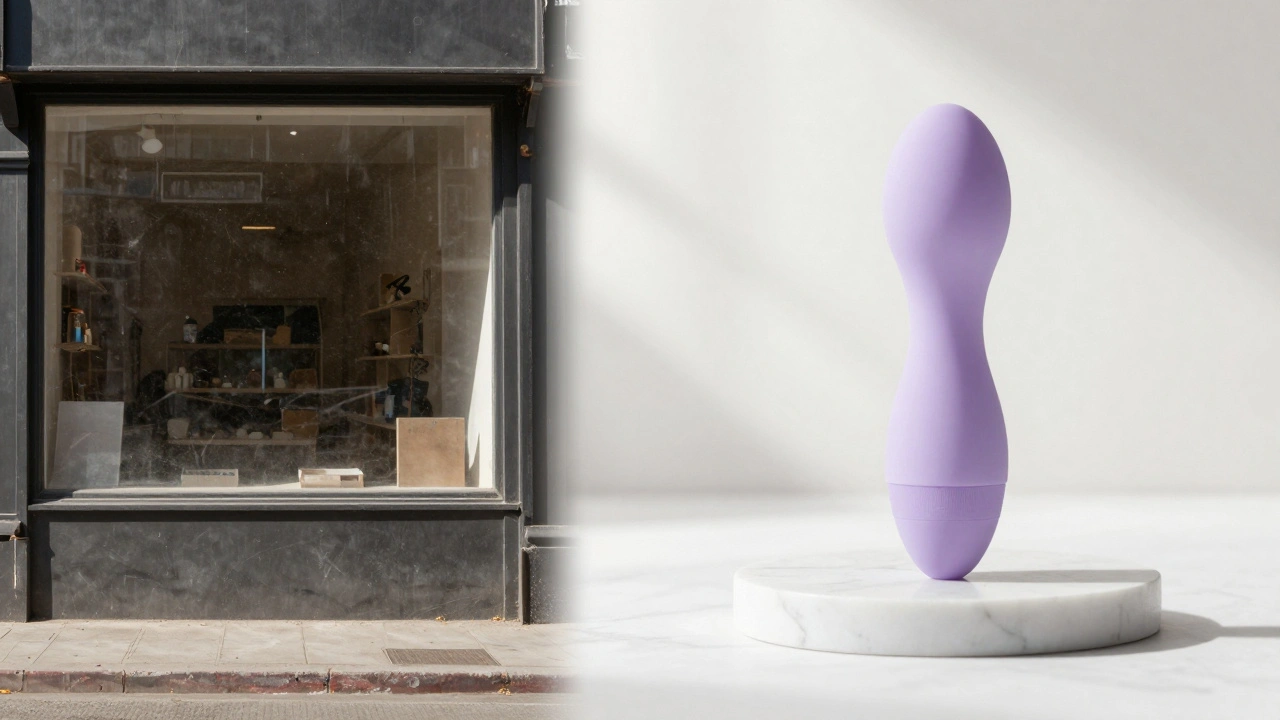
If you look at the current landscape of "sexual wellness" brands today-with their minimalist packaging, pastel colors, and medical-grade silicone-you can see the DNA of the Rabbit episode. The modern industry doesn't sell these products as "adult toys" in a seedy sense; they sell them as health and wellness tools. This is the direct evolution of the empowerment message started in 1998.
The Rabbit vibrator was the catalyst. While Charlotte's extreme isolation in the episode was an exaggeration for comedy, the core truth remained: the discovery of one's own body is a powerful experience. By bringing that discovery into the living rooms of millions, the show helped dismantle decades of silence surrounding female sexual autonomy.
Which episode of Sex and the City featured the Rabbit vibrator?
The Rabbit vibrator was featured in Season 1, Episode 9, titled "The Turtle and the Hare," which first aired on August 2, 1998.
What are the technical features of a Rabbit-style vibrator?
A Rabbit-style vibrator is characterized by dual stimulation. It typically features an internal shaft with rotating beads for G-spot stimulation and an external, flexible arm designed to stimulate the clitoris simultaneously.
How did the show affect the sex toy industry?
The show helped normalize female masturbation and the purchase of sex toys, moving them from underground shops to mainstream consumer awareness. This led to increased sales and a shift toward "sexual wellness" branding.
Was the portrayal of Charlotte's addiction to the toy realistic?
No, the portrayal was intentionally exaggerated for comedic effect. The idea that a woman would lock herself away for days and abandon all human contact for a vibrator was a plot device to highlight the intensity of the pleasure, rather than a clinical reality.
Did female masturbation rates actually increase after the show?
Research indicates a significant rise. In the early 90s, less than 10% of women aged 21-29 reported masturbating; following the era of the show's influence, that number rose to approximately 21% reporting weekly activity.