Ancient Greek Lubricant Quality & Usage Estimator
Analysis Result
Imagine trying to keep your skin soft or prevent friction burns without modern lotions. You reach for a jar of golden liquid that has been used for thousands of years. This isn't just cooking oil; it is the backbone of ancient personal care. Olive oil was far more than a food staple in the Ancient Greece. It served as the primary ancient lubricants source for everything from athletic preparation to intimate hygiene. Understanding this dual use helps clarify how Greeks managed physical comfort and health long before synthetic products existed.
The connection between olive oil and sexual wellness might seem surprising to modern readers, but it makes perfect sense when you look at the daily life of an Athenian citizen. In a world where water was scarce and soap was a luxury, oil was the universal solution for cleanliness and protection. When we talk about device use in these sources, we are often referring to simple tools like sponges or wooden implements, not complex machinery. The "devices" were auxiliary tools for applying or removing the oil, creating a ritualized approach to bodily maintenance.
The Dual Role of Olive Oil in Daily Life
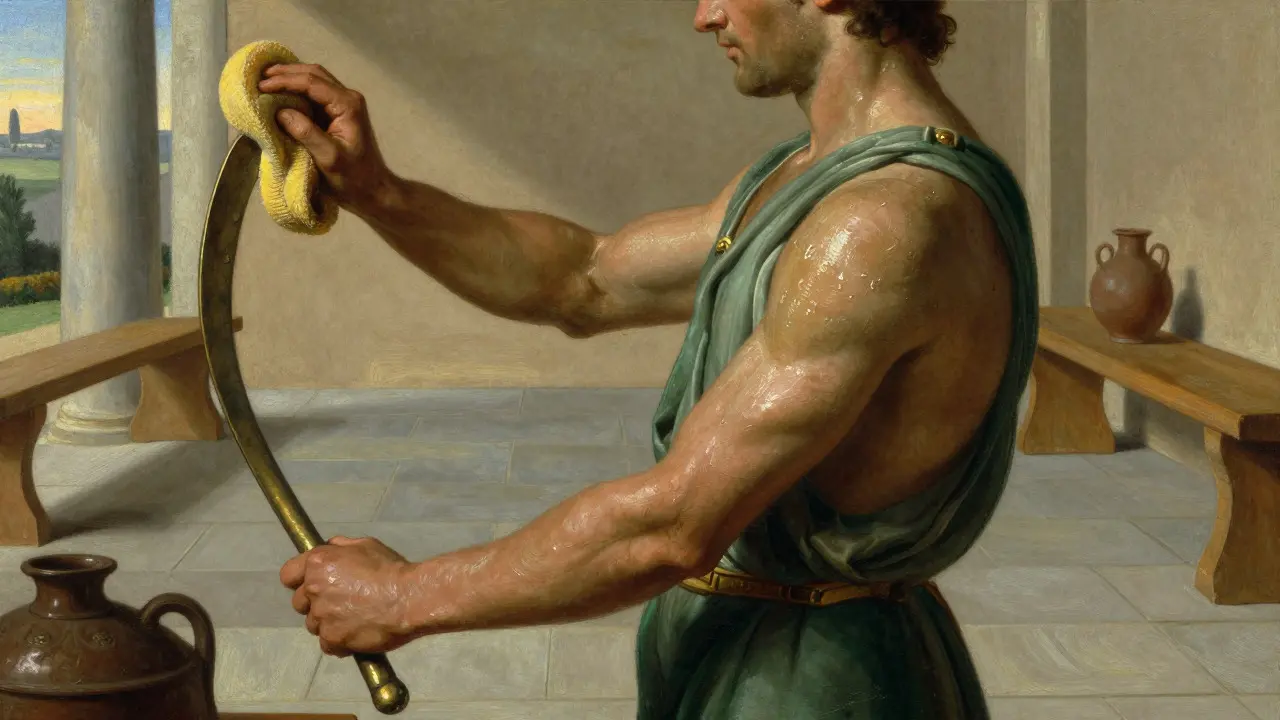
To understand why olive oil was chosen for intimate purposes, you have to understand its role in public life. Athletes in the Panathenaic Games rubbed their bodies with thick layers of oil before competing. This wasn't just for looks; the oil helped muscles stay supple and prevented chafing during intense physical exertion. After the competition, they used a tool called a strigil to scrape the oil and sweat off their skin. This process, known as ablation, was considered essential for hygiene.
If athletes trusted oil to protect their skin during high-friction sports, it is logical that they would trust it for other sensitive areas. The same principle applied to private moments. Olive oil acted as a barrier against dryness and irritation. Unlike modern petroleum-based products, which can sometimes trap bacteria if not cleaned properly, olive oil is naturally antibacterial due to its oleic acid content. This made it a safer choice for repeated use on mucous membranes, provided it was fresh and pure.
What Greek Sources Actually Say About Devices
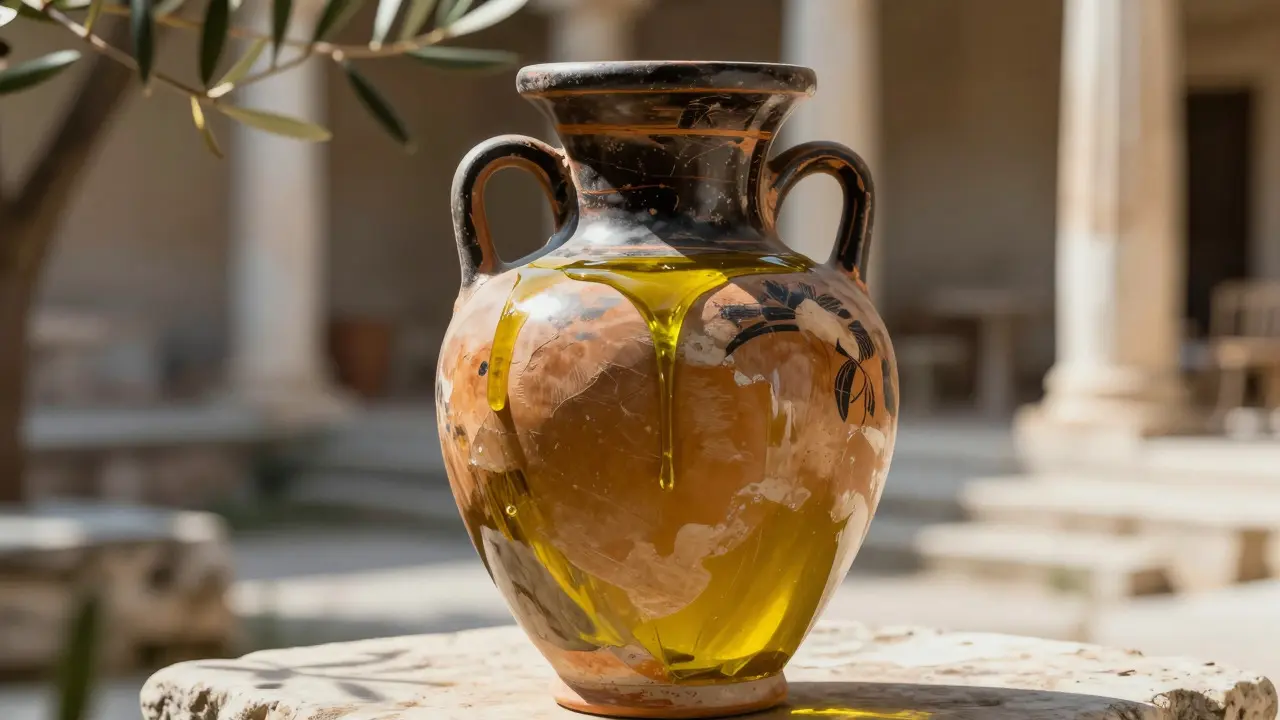
When historians mention "devices" in the context of ancient Greek sexuality, there is often confusion. Most references point to simple household items rather than elaborate contraptions. The most common "device" associated with oil use was the lekythos, a small, narrow-necked jar specifically designed for holding and pouring oil. These jars were often found in tombs, suggesting they held significant value even after death.
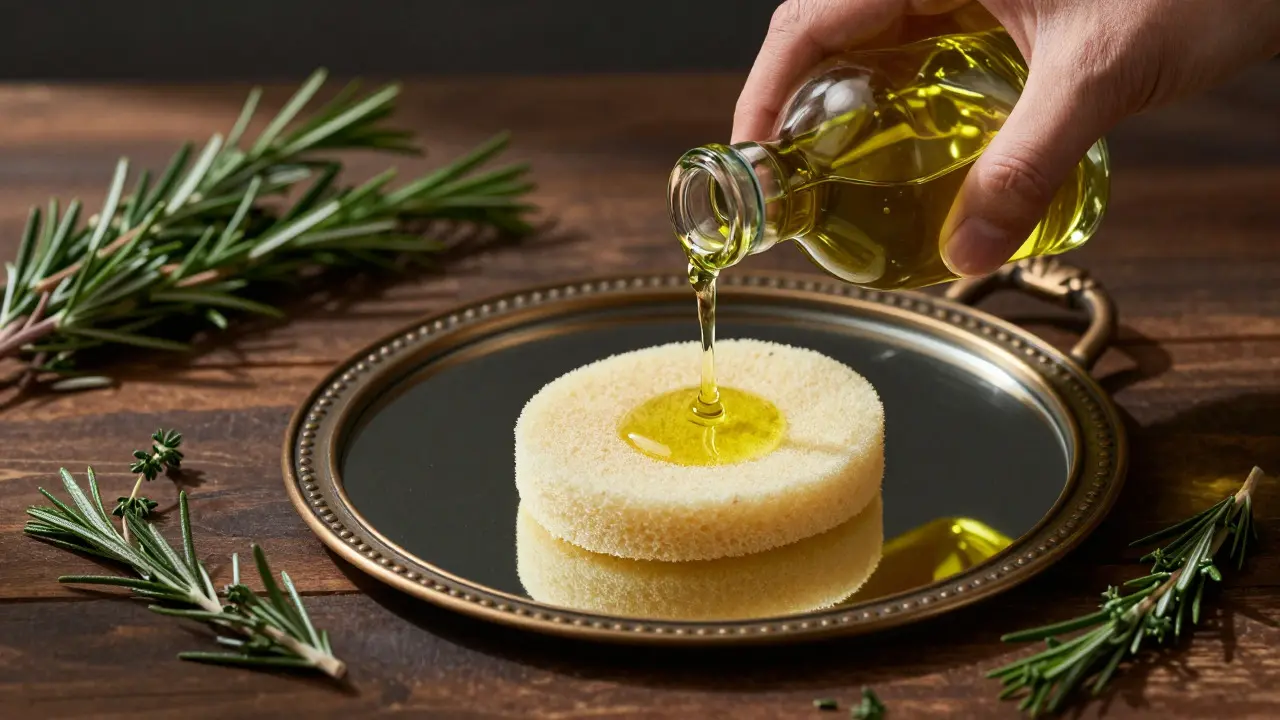
Another key item was the sponge. In ancient times, sponges were attached to sticks and used for cleaning after defecation. However, they also served a secondary purpose in intimate hygiene. A dampened sponge could help apply oil evenly or remove excess residue. Some texts suggest that specific types of sponges, treated with vinegar or honey, were used for different effects, indicating a nuanced understanding of chemical interactions.
- Lekythos: A ceramic vessel for storing and dispensing oil.
- Strigil: A curved metal or bone tool for scraping oil from the body.
- Sponge on a stick: Used for general hygiene and potentially for application.
- Mirrors: Polished bronze mirrors allowed users to inspect their skin and ensure even coverage.
These tools formed a complete kit for bodily maintenance. The presence of such items in archaeological sites confirms that this was a standard practice, not an isolated eccentricity. The combination of oil and these simple devices created a system that was both effective and accessible to most citizens.
Hygiene and Health Considerations
One major question people ask is whether this practice led to infections. The short answer is: it depended on the quality of the oil and the cleanliness of the tools. Ancient Greeks had a sophisticated understanding of bodily fluids and their effects. They knew that stagnant matter could cause disease, so regular cleansing was vital. The use of oil actually aided this process by allowing dirt and dead skin cells to be wiped away more easily than with water alone.
However, not all oils were equal. Extra virgin olive oil, which was cold-pressed and unrefined, was the preferred choice for personal care. Lower-grade oils, which might contain impurities or be rancid, were reserved for industrial uses like lamp fuel or leather tanning. Using rancid oil on sensitive skin would likely cause inflammation, so quality control was important. Merchants who sold oil for personal use had a reputation to maintain, ensuring that consumers received fresh, high-quality product.
There is also evidence that certain herbs were infused into the oil to enhance its properties. For example, rosemary or thyme might be added for their antimicrobial qualities. This suggests that ancient Greeks were experimenting with natural compounds to improve the efficacy of their lubricants. While we don't have exact recipes, the archaeological record shows containers with residues of various plants, hinting at a diverse range of formulations.
Comparison with Other Ancient Civilizations
It is helpful to compare Greek practices with those of their neighbors. The Egyptians, for instance, favored almond oil and castor oil for similar purposes. Almond oil is lighter and absorbs faster, making it popular for cosmetic use. Castor oil, being thicker, was often used for hair and nails. In contrast, the Greeks preferred olive oil because it was locally abundant and versatile. This local availability shaped their cultural norms around personal care.
| Civilization | Primary Oil | Common Tools | Key Purpose |
|---|---|---|---|
| Ancient Greece | Olive Oil | Lekythos, Strigil | Skin protection, hygiene, athletic prep |
| Ancient Egypt | Almond/Castor Oil | Wooden applicators | Cosmetic enhancement, moisturizing |
| Roman Empire | Olive Oil (imported) | Similar to Greek tools | Hygiene, medical treatment |
This table highlights how geography influenced product choice. The Romans, while heavily influenced by Greek culture, relied on imported olive oil, which made it a slightly more premium commodity. Despite these differences, the core function remained the same: using plant-based fats to reduce friction and protect the skin. The consistency across these civilizations suggests that the benefits of oil-based lubrication were widely recognized across the Mediterranean world.
Modern Relevance and Misconceptions
Today, some people view ancient practices with skepticism, assuming they were primitive or unhygienic. This is a misconception. The Greeks developed a systematic approach to body care that prioritized prevention over cure. By using oil regularly, they reduced the risk of cracks, abrasions, and bacterial growth. This proactive mindset aligns with modern dermatological advice, which emphasizes moisturizing and barrier protection.
Furthermore, the psychological aspect cannot be ignored. Applying oil was a ritual. It required time, attention, and a clean space. This ritualistic nature likely contributed to a sense of well-being and self-care. In our fast-paced modern world, we often rush through personal hygiene routines. The ancient Greek approach reminds us that taking time to care for our bodies can have both physical and mental benefits.
For those interested in historical accuracy, it is important to distinguish between myth and reality. Many popular stories about ancient sex life are exaggerated or invented by later writers. Focusing on the practical aspects, like the use of olive oil and simple tools, gives us a clearer picture of daily life. It shows that ancient people were pragmatic and resourceful, using what was available to meet their needs effectively.
Frequently Asked Questions
Did ancient Greeks use olive oil exclusively for sexual purposes?
No, olive oil was a multi-purpose product. It was used for cooking, lighting lamps, athletic preparation, religious rituals, and personal hygiene. Its use as a lubricant was one of many applications, driven by its versatility and availability.
What was a strigil and how did it relate to oil use?
A strigil was a curved tool made of metal, bone, or wood used to scrape oil and sweat off the body. It was primarily used by athletes after exercise but also by civilians for general hygiene. It helped remove excess oil, leaving the skin clean and refreshed.
Were there any risks associated with using olive oil internally?
While safe for external use, internal application required caution. Rancid or low-quality oil could cause irritation. However, extra virgin olive oil is generally considered biocompatible and was used in some medical treatments for intestinal issues, suggesting it was deemed safe for limited internal contact when pure.
How does ancient Greek hygiene compare to modern standards?
Ancient Greek hygiene was highly systematic but lacked antibiotics and sterile environments. They relied on natural antiseptics like wine, vinegar, and herbs. Modern hygiene offers more precise control over bacteria, but the core principles of regular cleansing and barrier protection remain similar.
Can I find authentic Greek-style oil kits today?
Yes, many companies sell historical replicas of lekythoi and strigils. High-quality extra virgin olive oil is widely available. Combining these elements allows you to recreate the ancient experience, focusing on the ritual and tactile aspects of the practice.