Woman-Identified Woman Self-Assessment
1. Who do you primarily look to for emotional support and validation?
2. When making major life decisions, whose opinion matters most to you?
3. How do you view the concept of 'Political Lesbianism' (centering women's power)?
4. Whose stories and perspectives do you actively amplify in your media consumption?
5. Do you feel comfortable existing without relying on male validation for your worth?
Your Result
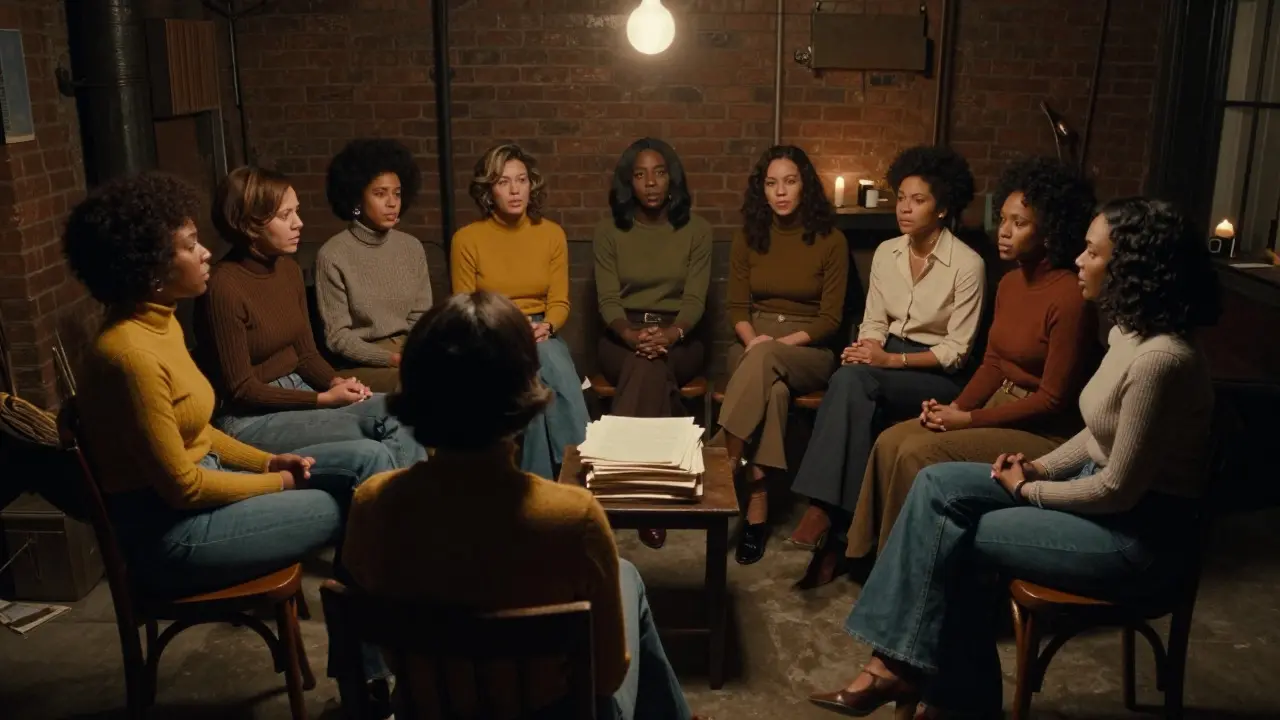
In 1970, a small group of women in New York City decided that the fight for gender equality wasn't just about equal pay or voting rights. It was about who held power in every aspect of life, including love. They wrote a short document called The Radicalesbians and The Woman-Identified Woman: A Manifesto. This text didn't just describe being gay; it argued that being a lesbian was a political act against patriarchy. If you are reading this today, you might wonder why a piece of writing from over fifty years ago still matters. It matters because it changed how we think about identity, politics, and freedom.
Let's look at what actually happened. The manifesto was written by a collective known as The Radicalesbians is a feminist organization active in New York City during the early 1970s that advocated for lesbian separatism and political lesbianism. They were part of the broader second-wave feminist movement but felt that mainstream feminism ignored the specific experiences of queer women. Their core argument was simple: if men hold all the power, then loving another man reinforces that system. To break free, women needed to identify with other women first.
The Core Concept: What Is a Woman-Identified Woman?
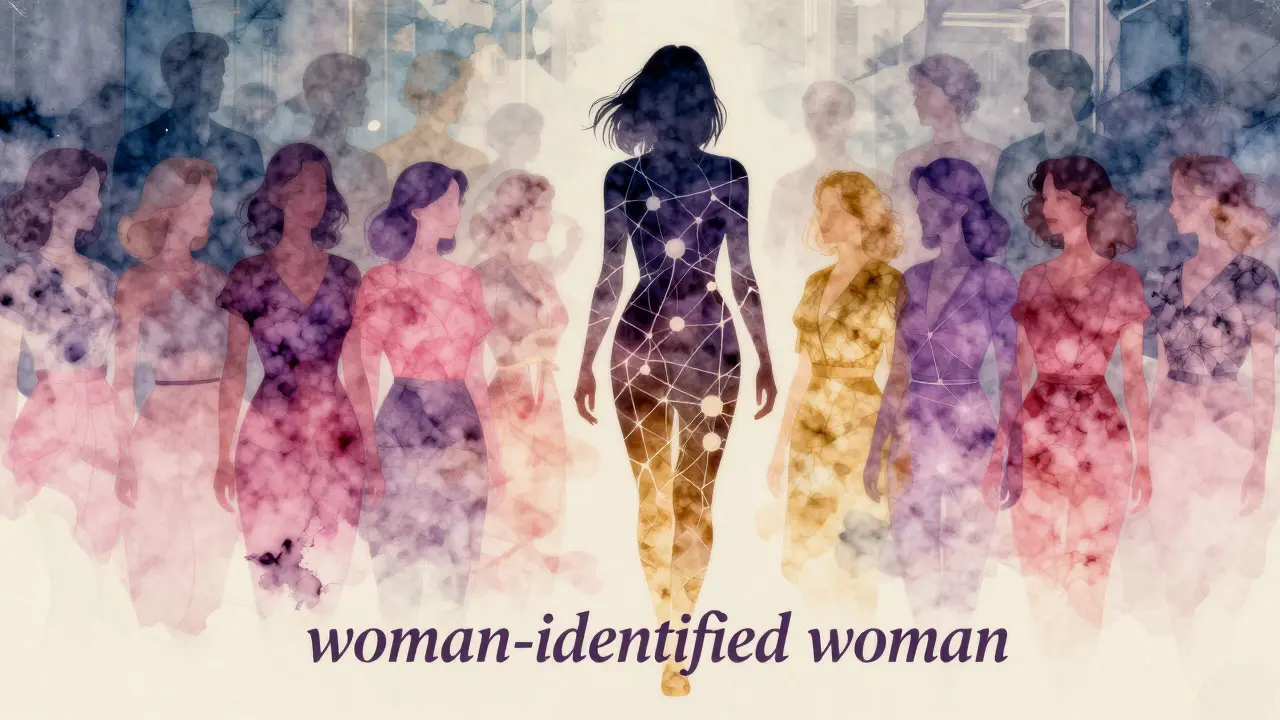
The phrase "woman-identified woman" sounds technical, but the idea is personal. It means shifting your primary focus from men to women. This isn't just about romance. It’s about where you spend your energy, who you trust, and who you celebrate. In 1970, most social structures pushed women to define themselves through their relationship with a father, husband, or son. Being a woman-identified woman meant rejecting that script. You defined yourself through your work, your friendships, and your community with other women.
This concept challenged the idea that heterosexuality was the default or natural state. The manifesto suggested that heterosexuality was often a form of compliance with male authority. By choosing to center women in your life, you made a political statement. You said that women’s needs, opinions, and company were enough. You didn’t need a man to validate your existence. This was radical not because it was new, but because it was visible. It forced society to acknowledge that women could be whole without men.
Political Lesbianism vs. Social Identity
A key part of the manifesto was the introduction of "political lesbianism." This term confused many people at the time, and it still does today. Did it mean you had to be sexually attracted to women? Not necessarily. For some, it was a strategic choice. If you lived in a world where men controlled resources and status, separating from men could be an act of resistance. Some straight women joined these groups to support the cause, even if they weren't gay. They identified with women politically, even if not romantically.
However, for others, it was simply living their truth. The manifesto validated both paths. It didn't force anyone into a box. It just asked a question: Who do you identify with? If the answer is women, then you are aligned with the liberation of women. This flexibility made the movement inclusive while keeping the focus on female solidarity. It created a space where sexuality and politics were linked, but not strictly defined by one another.
| Aspect | Traditional Patriarchal View | Woman-Identified View |
|---|---|---|
| Primary Focus | Men (father, husband, son) | Women (friends, partners, community) |
| Source of Validation | Male approval | Female solidarity and self-worth |
| Economic Role | Dependent or subordinate to male provider | Autonomous, sharing resources among women |
| Sexuality | Heterosexual norm as default | Liberated from male gaze, centered on female desire |
Why It Mattered in the 1970s
To understand the impact, you have to look at the world in 1970. Women were fighting for legal rights, but social norms were still rigid. Homosexuality was often treated as a mental illness or a crime. Queer women faced double discrimination: sexism from the general public and homophobia from some feminists. The Radicalesbians bridged this gap. They showed that liberating women required liberating queer women too. You couldn't have full gender equality if half the women were hiding their identities.
The manifesto also pushed for separatism. This doesn't mean hating men. It means creating spaces where women could thrive without male dominance. Think of it like a safe house. In these spaces, women could speak freely, share resources, and plan movements without worrying about being interrupted or judged by men. This idea influenced everything from bookstores to housing co-ops to political parties. It gave women a physical and social infrastructure to support each other.
Legacy and Modern Relevance
Fifty years later, the ideas in the manifesto are still alive, though the language has changed. Today, we talk about intersectionality, which recognizes that different forms of oppression overlap. The Radicalesbians were pioneers of this thinking. They understood that being a woman and being a lesbian created a unique experience that mainstream feminism missed. Their work paved the way for modern LGBTQ+ rights movements, which now fight for marriage equality, workplace protections, and healthcare access.
But the core question remains relevant. Do you identify primarily with men or women? In a world where media often sells us images of male beauty and success, choosing to center women is still a conscious decision. It affects who we hire, who we vote for, and who we listen to. The manifesto reminds us that identity is not just personal; it’s political. Every time you choose to support a woman-owned business, read a book by a female author, or build a friendship across gender lines, you are practicing the principles laid out in 1970.
Common Misconceptions About the Manifesto
Many people think the manifesto demanded that everyone become a lesbian. That’s not true. It offered a framework for thinking about power. It asked women to examine their relationships with men and decide if those relationships served their liberation. Some women chose to stay in heterosexual relationships but shifted their daily focus to female communities. Others chose to live entirely within female networks. Both choices were valid under the manifesto’s logic.
Another misconception is that it was anti-men. While it critiqued patriarchy, it didn’t call for the destruction of men. It called for the dismantling of systems that kept women down. Men who supported women’s liberation were welcome, provided they respected female autonomy. The goal was balance, not exclusion. However, in practice, the emphasis on female-centered spaces did lead to significant tension with male-dominated institutions, which is exactly what the authors intended.

How to Apply These Ideas Today
You don’t need to write a manifesto to apply these ideas. Start by looking at your inner circle. Who are the five people you rely on most? Are they diverse? Do they include women who challenge you and support you? If your network is heavily male-dominated, consider building stronger ties with other women. This isn’t about excluding men; it’s about ensuring women have a strong support system independent of male validation.
Next, look at your consumption habits. Whose stories do you amplify? When you recommend movies, books, or podcasts, do you default to male protagonists? Try shifting that habit. Support female creators. Listen to female leaders. These small actions reinforce the idea that women’s perspectives are central, not peripheral. Over time, these choices shape your worldview and help you identify more closely with the experiences of other women.
Frequently Asked Questions
Who wrote The Radicalesbians and The Woman-Identified Woman: A Manifesto?
The manifesto was written by a collective of women known as The Radicalesbians, based in New York City. Key figures included Carol Hanisch and Ann Snitkin, among others. It was published in 1970 as part of the second-wave feminist movement.
What does "woman-identified woman" mean in simple terms?
It means a woman who prioritizes her relationships, validation, and community with other women rather than defining herself through her relationship with men. It is a shift in focus from patriarchal standards to female solidarity.
Was political lesbianism only for gay women?
No. Political lesbianism was a strategy for resisting patriarchy. Straight women could adopt the mindset by centering their lives around female community and autonomy, even if they remained in heterosexual relationships. It was about political alignment, not just sexual orientation.
Why is this manifesto still important today?
It established the link between gender equality and queer liberation. It showed that you cannot fully liberate women without addressing the specific oppressions faced by queer women. Its ideas about female-centered spaces and autonomy remain foundational to modern feminist and LGBTQ+ activism.
Did the manifesto advocate for hatred of men?
Not exactly. It criticized the system of patriarchy, which gives men disproportionate power. It encouraged women to separate from male-dominated structures to find their own voice. While it led to tensions, the goal was liberation and balance, not personal animosity toward individual men.