Ancient Remedy Explorer: Amenorrhea Botanicals
Click on a botanical entity to discover how ancient healers used these plants to stimulate menstrual flow and balance the body's "warmth".
Select a plant
Click one of the cards above to see the ancient application and intended effects.
N/A
Imagine a world where a missing period wasn't just a medical mystery, but a potential spiritual crisis. For women in the ancient world, the sudden stop of menstruation-what we now call amenorrhea is the absence of menstruation in a woman of reproductive age-was often viewed as a blockage, either physical or supernatural. To fix it, ancient healers didn't have ultrasounds or hormone panels. Instead, they turned to the earth, the stars, and the depths of the pharmacy of nature. They used a combination of pungent oils, potent herbs, and rhythmic incantations to "unlock" the womb.
The Power of Emmenagogues: Nature's Period Starters
Ancient practitioners relied heavily on emmenagogues, which are plants or substances that stimulate or promote menstrual flow by increasing blood circulation to the pelvic area. These weren't just random guesses; many of these plants contained volatile oils and flavonoids that actually interact with the body's hormonal systems.
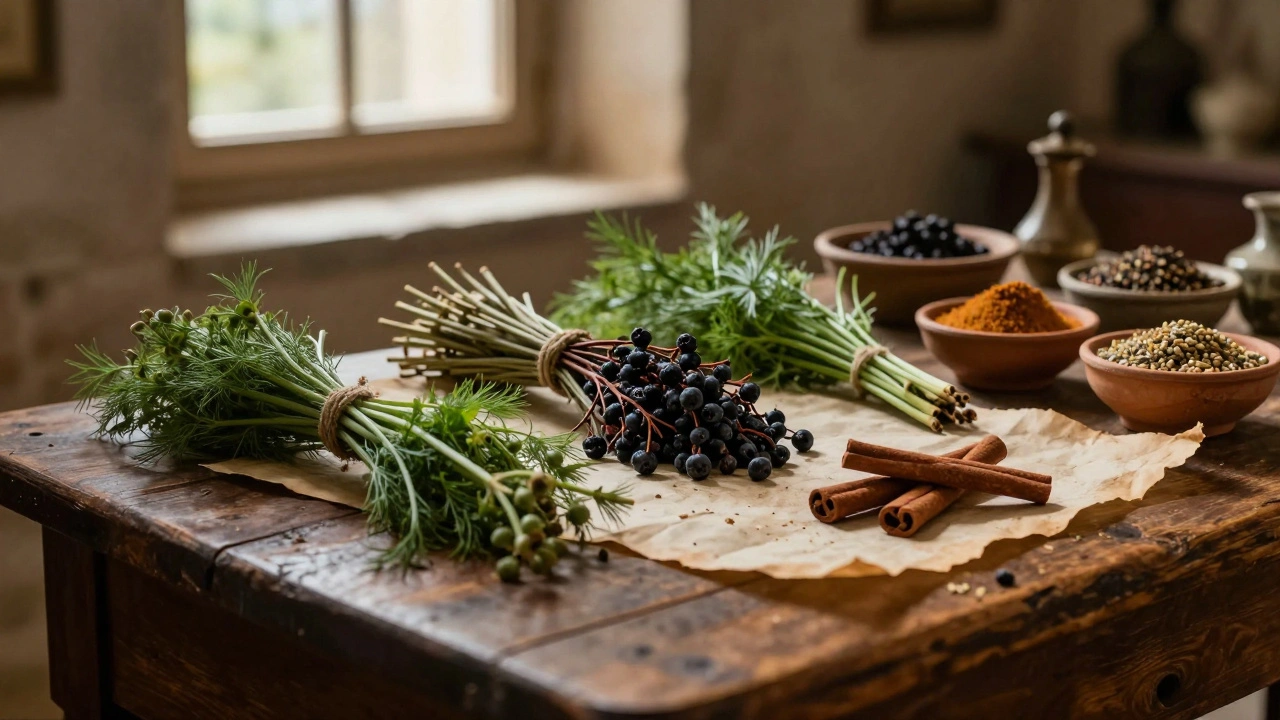
One of the most enduring tools was Vitex agnus-castus, also known as Chasteberry. Growing wild in the Mediterranean and Middle East, it was a staple in ancient Greek and Roman medicine. Healers used it to regulate hormones and jumpstart a stalled cycle. Its reputation was so strong that it was often associated with purity and the suppression of libido, but its primary medical use was keeping the menstrual clock ticking.
Other botanical allies included Foeniculum vulgare (Fennel) and Cinnamomum verum (True Cinnamon). These were often brewed into teas or concentrated into syrups. The goal was to create warmth in the body, as ancient medical theories-from the Humoral theory of Greece to the concepts in Traditional Chinese Medicine-often linked amenorrhea to "coldness" or stagnation in the uterus.
| Plant Entity | Common Name | Intended Effect | Ancient Application |
|---|---|---|---|
| Vitex agnus-castus | Chasteberry | Hormonal regulation | Infusions/Decoctions |
| Althea officinalis | Marshmallow Root | Inflammation reduction | Mucilage-based drinks |
| Paeonia lactiflora | Chinese Peony | Blood enrichment | TCM Prescriptions |
| Urtica dioica | Stinging Nettle | Uterine toning | Tea/Poultices |
Oils and the Art of External Stimulation
Ancient medicine didn't stop at what you drank. The skin was seen as a gateway. Essential oils and infused fats were massaged into the abdomen to stimulate blood flow and relax the pelvic muscles. These oils often contained the same emmenagogue properties as the herbs, but delivered through the skin to avoid the harsh taste of some potent plants.
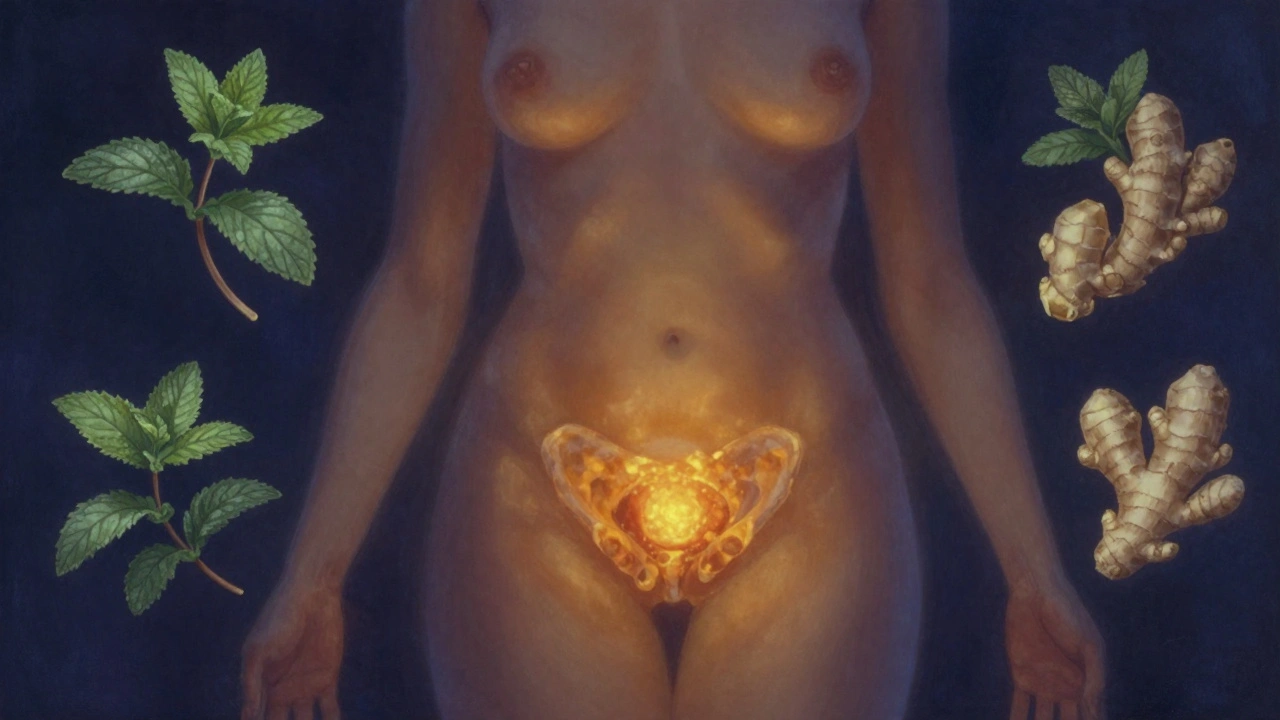
In many cultures, the use of warmth was critical. This evolved into practices like Yoni Steaming, a ritual involving the inhalation of steam from a brew of medicinal herbs. By applying heat and moisture directly to the vulva, practitioners believed they could clear "blockages" and invite the menstrual flow back. This combined the chemical power of the herbs with the physical power of heat, creating a holistic approach to gynecological health.
Sesame oil (Sesamum indicum) was particularly prized in traditional Persian and Ayurvedic practices. It was used as a carrier for more potent extracts, allowing a healer to massage the lower back and abdomen to "awaken" the uterus. The physical act of massage, combined with the aromatic properties of the oils, served to reduce stress-which we now know can be a primary cause of amenorrhea.
Incantations and the Supernatural Cure
We can't talk about antiquity without talking about magic. In the ancient world, the line between a doctor and a priest was very thin. If an herb didn't work, the problem wasn't seen as a failure of the plant, but perhaps a spiritual blockage or the interference of a deity.
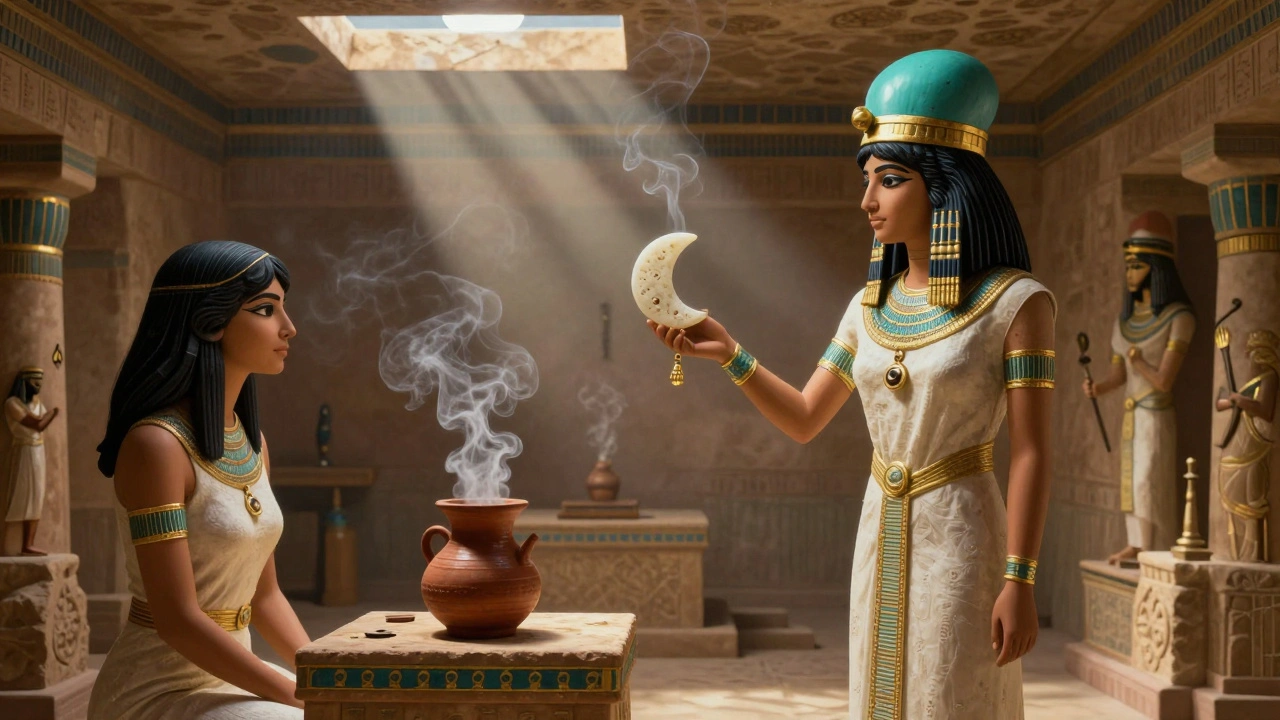
Incantations were used to "command" the blood to flow. These weren't just rhymes; they were structured linguistic tools designed to focus the mind of the patient and the intent of the healer. In Mesopotamian and Egyptian practices, a treatment might involve drinking a potion while reciting a specific spell to appease a goddess of fertility. The psychological effect of these rituals likely played a role in reducing the cortisol levels of the patient, potentially triggering the return of a period inhibited by stress.
The use of amulets and charms often accompanied these spells. A woman might wear a specific stone or a piece of leather inscribed with symbols of the moon-which has always been linked to the menstrual cycle-to harmonize her internal rhythm with the cosmos.
Comparing Ancient and Traditional Systems
While the Greeks focused on balancing the four humors (blood, phlegm, black bile, and yellow bile), Traditional Chinese Medicine (TCM) looked at the flow of Qi and the warmth of the meridians. Despite these different philosophies, the actual tools were surprisingly similar.
For instance, TCM practitioners used medicinal evodia fruits and cassia twigs as "monarch herbs" to warm the body. This mirrors the Western use of cinnamon and ginger to achieve the same goal: removing the "cold" that was thought to freeze the menstrual flow. Whether it was a Persian healer using 198 different emmenagogue plants or a Chinese physician prescribing Radix Ginsengs, the goal remained the same: restore the natural cycle.
Pitfalls and Perils of Ancient Gynecology
It wasn't all soothing teas and gentle massages. Some ancient treatments were incredibly dangerous. The desperation to restore fertility or a menstrual cycle led some to use heavy metals or toxic plants that could cause uterine contractions so violent they risked permanent damage or hemorrhage.
There was also the risk of treating a pregnancy as amenorrhea. Without a pregnancy test, an ancient healer might administer a powerful emmenagogue to a woman who was actually pregnant, unintentionally causing a miscarriage. This highlights the precarious nature of ancient medical knowledge, where the lack of diagnostic tools meant that the "cure" could sometimes be more dangerous than the condition itself.
What exactly are emmenagogues?
Emmenagogues are herbs or substances that stimulate blood flow to the pelvic and uterine regions. In antiquity, they were used to induce menstruation or regulate irregular cycles by toning the uterine tissues and promoting vasodilation.
Did ancient people understand the hormones behind amenorrhea?
No, they didn't have a concept of estrogen or progesterone. Instead, they framed the issue through "humors," "Qi," or spiritual blockages. However, by using plants like Vitex, they were inadvertently influencing the endocrine system.
Why were incantations used alongside herbs?
In antiquity, medicine and spirituality were intertwined. Incantations were believed to remove supernatural barriers that physical medicines couldn't reach, and they likely provided a psychological placebo effect that reduced stress.
Is Yoni Steaming an ancient practice?
While it's widely used in various traditional cultures today to increase circulation and warmth to the vulva, specific dating to a single ancient civilization is difficult to pinpoint due to a lack of written records for some regional practices.
Which ancient herb was most common for period regulation?
Vitex agnus-castus (Chasteberry) was one of the most prevalent, especially in Mediterranean cultures, due to its ability to assist with hormone regulation and promote regular ovulation.
Moving Forward: Lessons from the Past
If you're interested in how these ancient practices evolved, you might want to look into the history of pharmacology or the transition from humoral medicine to germ theory. For those curious about the botany, exploring the modern clinical studies on Vitex or the properties of flavonoids can show how ancient "intuition" is often backed by modern chemistry. Just remember, while these historical methods are fascinating, always consult a modern healthcare provider before trying potent emmenagogue herbs, as they can interfere with current medications or undiagnosed conditions.