China Digital Content Penalty Calculator
Calculate Your Potential Penalties
Enter your details above to see potential penalties.
When you think of pornography laws in Asia, China is the one country that doesn’t just enforce rules-it rebuilds them every few years to stay ahead of technology. As of January 1, 2026, China’s updated Law on Public Security Administration Punishments is a sweeping overhaul that turns private digital communication into a legal battleground. This isn’t about blocking websites anymore. It’s about monitoring your messages.
From Public to Private: The New Enforcement Frontier
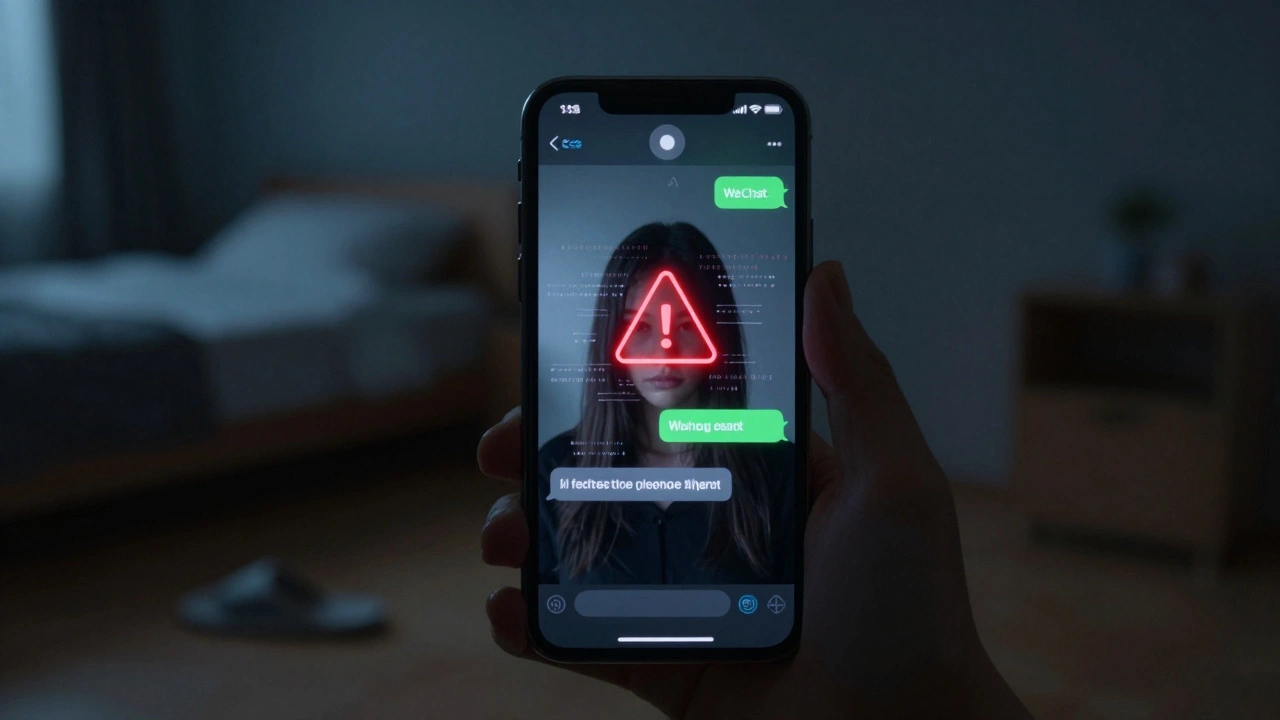
For decades, China’s anti-pornography laws focused on public distribution. If you sold a DVD or ran a website full of explicit content, you were asking for trouble. But in 2026, the rules changed. Now, even sending a single intimate photo through WeChat can land you in detention. The key update is Article 80 of the revised law, which explicitly bans using digital networks-phones, apps, messaging platforms-to share "pornographic information". That includes private chats. Authorities say this closes a loophole where people thought, "If it’s just between two adults, it’s not illegal." The government’s response? "It’s not a moral issue-it’s a public order violation." Penalties are harsh. If you’re caught sharing, you could face 10 to 15 days of administrative detention and a fine up to 5,000 yuan ($700). Even if it’s "minor," you’re looking at 5 days or a fine between 1,000 and 3,000 yuan. And it doesn’t matter if both parties consented. If someone reports it and authorities verify the content, you’re liable.Technology Is the Enforcer
You can’t outsmart a system that watches everything. China doesn’t rely on human reviewers. It uses AI-powered censorship tools built by companies like Alibaba and Tuputech to scan every message, image, and video in real time. These systems don’t just block content-they learn from it. If a new slang term or emoji pattern emerges as a way to hide sexual content, the algorithm adapts within hours. What’s scarier is that these systems aren’t just scanning public feeds. They’re accessing personal messages. Legal experts warn this creates a chilling effect: people stop sharing anything intimate, even with partners, for fear of being reported or misidentified. There’s no appeal process. No judge. Just an algorithm and a detention order.LGBTQ+ Content Is Disproportionately Targeted
Here’s the uncomfortable truth: the crackdown isn’t random. In early 2025, female writers were arrested for publishing homoerotic novels on Haitang Literature City, a platform based in Taiwan. Their crime? Writing about women in love with women. The government didn’t call it literature. It called it pornography. This pattern repeats. Boys’ Love (BL) authors, danmei creators, and queer content moderators have been among the most frequent targets of Operation Qinglang-the government’s ongoing digital cleanup campaign. In contrast, heterosexual content, even if explicit, is often overlooked unless it’s commercial. In September 2025, an Australian film titled "The Wedding" was altered before being shown in Chinese theaters. The original featured a same-sex wedding. The version approved by censors? Two men became a man and a woman. No one asked the filmmakers. No one explained why. The message was clear: only one kind of love is acceptable.
Minors Are the Justification-But Not the Only Target
The government says it’s protecting children. And yes, distributing explicit material to minors carries extreme penalties. In Jiangsu province, a man received a 12.5-year prison sentence for sharing videos with nearly 100 girls aged 11 to 13. That’s a clear, horrific crime. But here’s the twist: the same laws used to punish that man are now used to jail someone for sending a nude selfie to their girlfriend. The law doesn’t distinguish. It just says: "If it’s sexual and digital, it’s illegal." And enforcement is expanding. In 2021-2022 alone, over 19 million pieces of "harmful" content were removed. In 2025, more than 60,000 apps and websites were shut down.Live Streaming, Film, and Financial Control
Live-streaming platforms like Blued used to host sexual content. After 2016, the government gave them an ultimatum: ban it or be banned. Blued complied. Many users migrated to international platforms like Twitter, but even there, Chinese IP addresses are monitored. If you’re using a VPN to access content, you’re still flagged. Film censorship is equally strict. Since 2021, 50 movies have been forced to edit scenes, and 13 were outright banned on "national security" grounds. Taiwanese films face extra scrutiny. "Family Matters" was pulled from the Hong Kong International Film Festival after censors demanded cuts. "Deadline" sat in approval limbo for over a year. And it’s not just about content-it’s about money. Authorities track bank transactions linked to adult websites. If you’re running a site that accepts Alipay or WeChat Pay, you’re easy to find. International sites using Bitcoin or foreign payment processors are harder to hit, but even they’re not safe. China has been pressuring global financial networks to cut off services to any platform deemed illegal.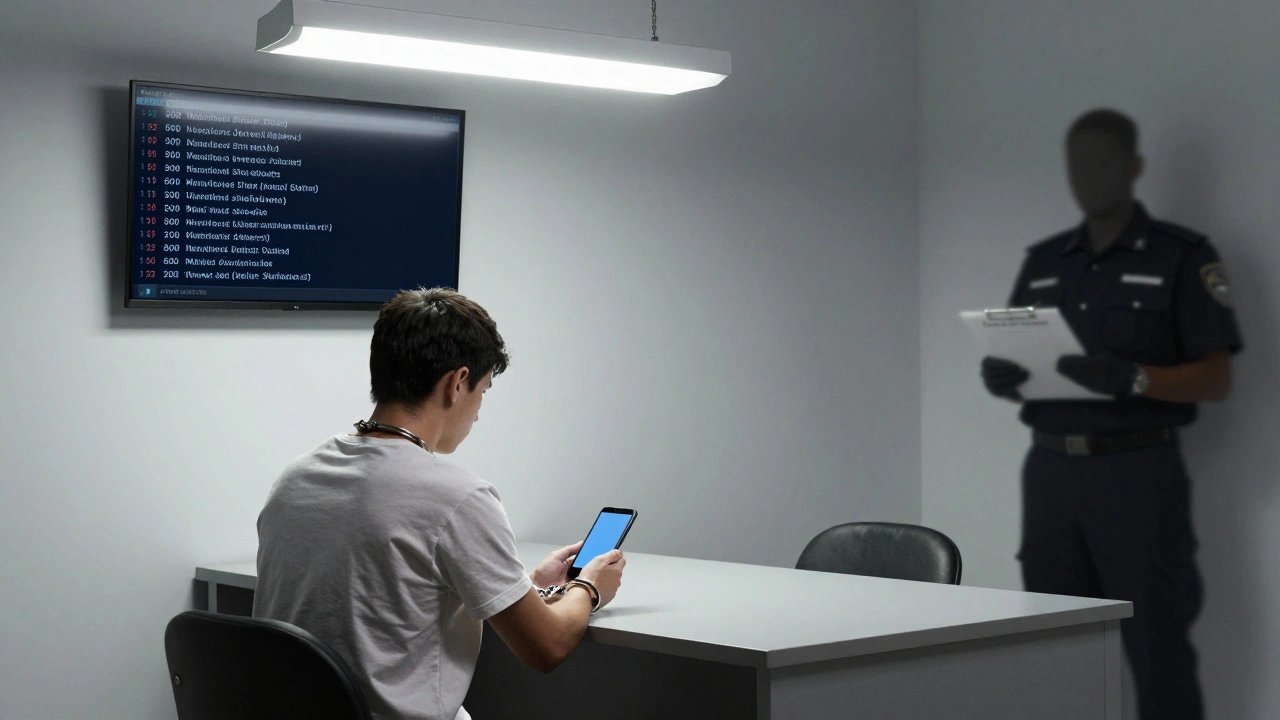
What Happens If You’re Accused?
There’s no trial. No jury. No public record. You get picked up by local police. Your phone is seized. Your messages are reviewed. If even one file is flagged, you’re detained. You might be released after 5 days. Or you might be held for 15. Fines are common. But if you’re accused of distributing to minors-or if you’re part of a "large-scale" operation-you could face criminal charges and years in prison. There’s no right to legal counsel during the initial detention. No access to a lawyer until after the fact. And once you’re labeled a violator, your name can be added to a national digital blacklist. This affects your ability to get loans, travel, or even find a job.Is This Just China? Or Is It Spreading?
Right now, no other Asian country has adopted China’s level of digital intrusion. But the model is clear: use technology to monitor, use fear to control, and use minors as the moral shield. Other nations watch closely. South Korea tightened its own laws in 2024 after similar public backlash. Japan’s courts have started reviewing private sharing cases more aggressively. Even Singapore has increased monitoring of encrypted messaging apps. China isn’t just setting a law. It’s setting a precedent. The question isn’t whether other countries will copy it. The question is: when?What’s Next?
Authorities have already hinted at "further steps" in controlling other internet offenses. What comes next? Maybe monitoring dating apps. Maybe scanning social media for "inappropriate" flirtation. Maybe banning entire genres of fiction. The pattern is consistent: anything that challenges state-defined norms of sexuality, gender, or intimacy is at risk. The result? A society where intimacy becomes dangerous. Where trust is replaced by surveillance. Where love, even between consenting adults, is treated as a potential crime.Is sharing intimate photos with a partner illegal in China now?
Yes. Under China’s 2026 revision of the Law on Public Security Administration Punishments, even consensual sharing of intimate images through messaging apps like WeChat is classified as a public security violation. Authorities treat it as "disseminating pornographic information," regardless of consent. Penalties include 5 to 15 days of administrative detention and fines up to 5,000 yuan. The law does not distinguish between public and private sharing.
Why are LGBTQ+ creators being targeted under these laws?
LGBTQ+ content, especially homoerotic novels and films, is frequently labeled as "pornographic" by Chinese censors-even when it contains no explicit nudity. Writers on platforms like Haitang Literature City have been arrested for publishing same-sex romance stories. Authorities claim the content "undermines social morality," but critics argue this is a tool to suppress non-heteronormative expression. The crackdown on BL and danmei authors has intensified since 2020 as part of broader efforts to enforce traditional gender norms.
How does China detect pornographic content on encrypted apps?
China doesn’t break encryption. Instead, it uses AI systems trained on millions of previously flagged images and videos to identify patterns-like body shapes, poses, or even color tones associated with sexual content. These systems scan messages before they’re encrypted for storage, and they monitor metadata. If a user sends multiple flagged files, their account is flagged. Authorities also rely on tip-offs from other users, and they can legally compel tech companies to hand over user data without a court order.
Can you be arrested for just possessing pornographic material?
Possession alone is not typically prosecuted unless it’s linked to distribution. However, if authorities find over 40 files on your device during an investigation, you’re likely to be charged with "dissemination by possession," especially if the files were downloaded from a banned site. In practice, enforcement focuses on those who share, upload, or profit from content-but even private downloads can lead to detention if reported.
Are there any legal alternatives to accessing adult content in China?
There are no legal alternatives within China’s borders. All domestic platforms must comply with state censorship. Even video platforms that once allowed "educational" sexual content have removed it. Some users use VPNs to access international sites, but doing so is technically illegal under China’s cybersecurity laws. Authorities actively block and penalize VPN use, and users caught accessing foreign adult content risk being flagged for "browsing harmful information."