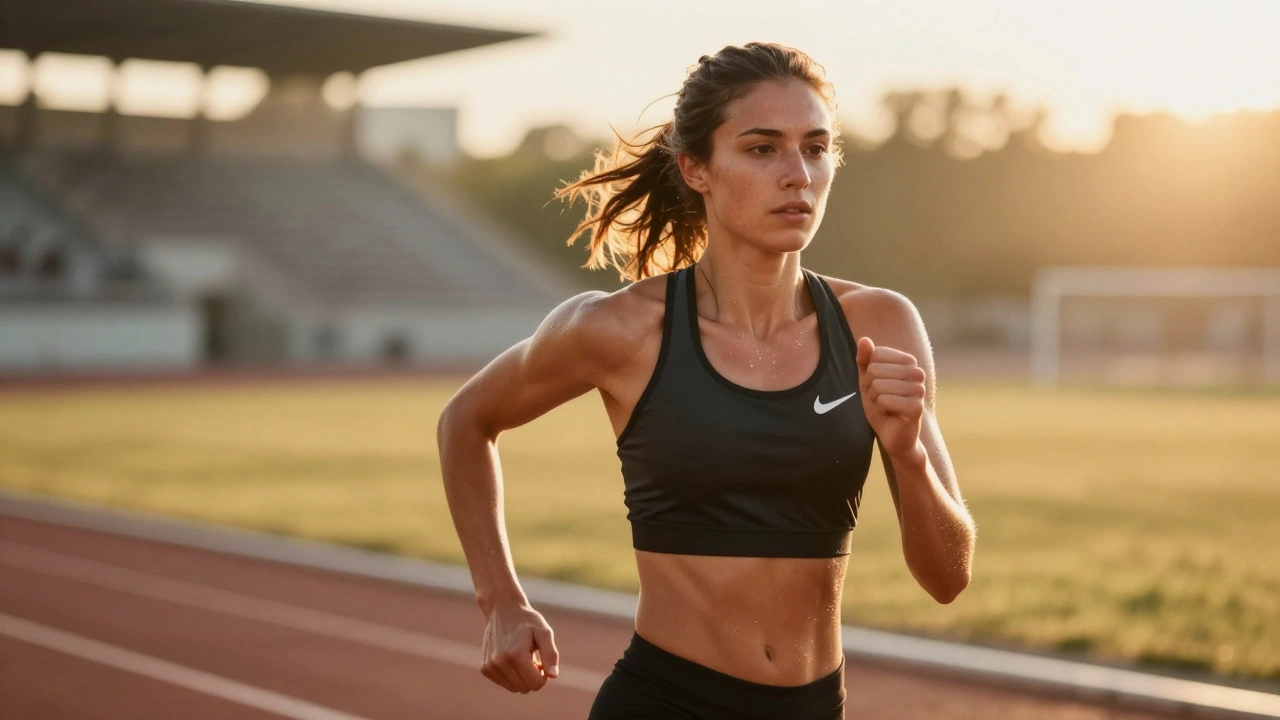
Menstrual Health & Performance Myth Checker
Do you believe exercise is unsafe during menstruation? Does missing a period mean you're fit? Test your knowledge against the latest sports science.
Question goes here...
Explanation
Details go here.
Quiz Complete!
Here is how well you know the science behind women's sports.
Your Result:
Message
For decades, a quiet taboo has hung over women’s sports. Coaches whispered that training through a period was dangerous. Athletes were told that missing their period was a badge of honor, a sign they were tough enough to compete at the elite level. But science is finally catching up to what many athletes have suspected all along: these beliefs are not just outdated-they are wrong. In fact, they might be hurting your performance.
The reality of menstruation in sport is far more nuanced than the myths suggest. It isn't about avoiding exercise or pushing through pain until you break down. It’s about understanding how your body works so you can train smarter, not harder. Today, we’re stripping away the stigma and looking at the actual data on how the menstrual cycle affects strength, endurance, and cognitive function.
The Myth: You Can’t Perform Well During Your Period
If you grew up playing sports, you’ve probably heard this one. The idea is that menstruation is inherently a low-performance window-a time when your body is too weak, too painful, or too distracted to compete. Many athletes believe that during the early follicular phase (when bleeding occurs), their physical capabilities drop significantly.
But the evidence says otherwise. A systematic review published in the journal Sports Medicine, available via PubMed Central, analyzed numerous studies on female athletes with regular cycles. The conclusion? Overall physical performance-whether it’s strength, endurance, or power-is generally similar across all phases of the menstrual cycle. The differences are often trivial or non-existent.
Here’s where it gets interesting: while objective performance stays steady, subjective perception often dips. Athletes *feel* like they are performing worse during their period. This gap between feeling and doing is huge. A study highlighted by ScienceAlert tested female athletes on reaction times and error rates. Despite reporting more symptoms and believing their abilities were diminished, these athletes actually had faster reaction times and made fewer errors during menstruation compared to other phases.
This suggests that the belief that periods impair performance is largely psychological, driven by stigma and expectation rather than physiology. When you expect to feel bad, you do. But your body is capable of much more than you think.
The Myth: Exercise Is Unsafe or Contraindicated During Menstruation
Another persistent myth is that girls and women should avoid sport during their period because it is unsafe. This belief often starts in adolescence, leading many young athletes to sit out practices or competitions. Some worry that intense activity will cause excessive bleeding or severe cramping.
Clinical guidance from institutions like Boston Children’s Hospital explicitly states there is no contraindication to practicing sport during menstruation. In fact, for many, exercise is a remedy, not a risk. Data from a global survey linked to Strava found that 78% of exercising women reported that physical activity reduced their menstrual symptoms. Movement improves blood flow to the pelvic area and releases endorphins, which can naturally alleviate cramps and mood swings.
Of course, individual experiences vary. If you suffer from debilitating premenstrual syndrome (PMS) with severe nausea or pain, forcing a high-intensity interval session might not be wise. Instead, consider modifying your workout. Switching to low-impact activities like yoga or Pilates on your heaviest days can maintain fitness without exacerbating discomfort. The key is flexibility, not avoidance.
The Dangerous Myth: Missing Your Period Is Normal for Athletes
This is perhaps the most harmful myth in women’s sports. For years, especially in endurance and aesthetic sports like gymnastics or cycling, missed periods were viewed as a sign of peak fitness. Athletes were praised for "training hard enough" to stop menstruating. Professional teams like EF Education-EasyPost have admitted that historical norms involved severe diets and ignoring menstrual health, leading to long-term damage.
Let’s be clear: it is never normal for an athlete to stop menstruating.
When an athlete loses her period, it is usually a sign of Functional Hypothalamic Amenorrhea (FHA). This condition occurs when the hypothalamus-the part of the brain that regulates hormones-shuts down reproductive functions due to stress. This stress can come from excessive exercise, low energy intake, weight loss, or psychological pressure.
The Gaudiani Clinic, a specialist practice for athletes, emphasizes that amenorrhea should never be considered an acceptable consequence of training. It is a red flag. Ignoring it doesn’t make you tougher; it makes you vulnerable. Missed periods are closely linked to Relative Energy Deficiency in Sport (RED-S), a syndrome where the body lacks sufficient energy to support basic physiological functions alongside training demands.
Understanding RED-S: The Real Performance Killer
If missing your period isn’t a badge of honor, what is the real threat to your performance? The answer is under-fueling. Relative Energy Deficiency in Sport (RED-S) is now recognized as a major health and performance issue. It happens when an athlete does not eat enough calories to cover both their daily living needs and their training load.
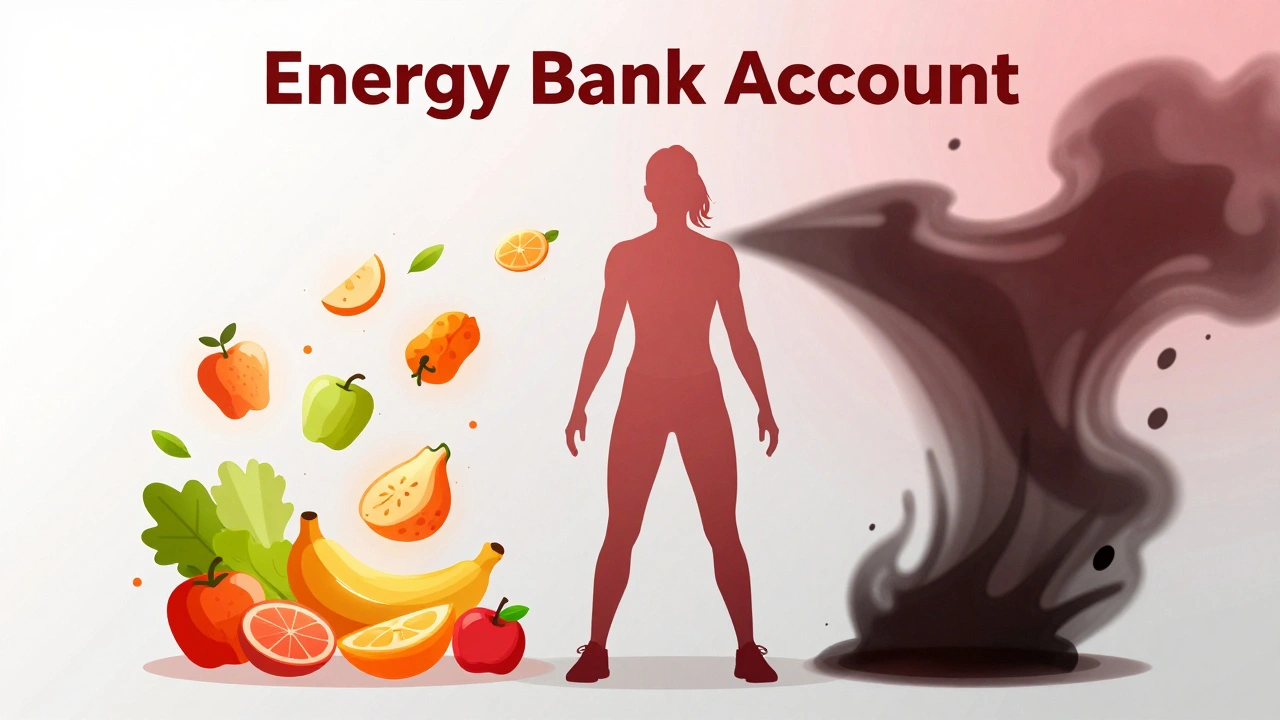
Think of your body as a bank account. Training is a withdrawal. Food is a deposit. If you keep withdrawing without depositing, you go into debt. With RED-S, that debt comes out of your bone density, immune system, and hormonal balance. Symptoms include chronic fatigue, increased injury rates (like stress fractures), mood changes, and irregular periods.
Project REDs, a toolkit for coaches and supporters, lists these as key warning signs. They urge adults working with athletes to be proactive. Ask about energy levels. Encourage open discussions about nutrition. If an athlete reports constant exhaustion or missed cycles, seek help immediately. Treating these symptoms as "normal training fatigue" delays recovery and increases the risk of serious injury.
| Myth | Scientific Fact | Implication for Athletes |
|---|---|---|
| Athletes cannot perform well during their period. | Objective performance is generally similar across all cycle phases; some cognitive tasks may even improve. | Don’t let self-doubt limit your effort. Trust your body’s capability. |
| You should avoid exercise during menstruation. | Exercise is safe and often reduces symptoms like cramps and mood swings for the majority of women. | Stay active, but modify intensity if symptoms are severe. Listen to your body. |
| Missing your period means you are fit and dedicated. | Amenorrhea is a sign of Functional Hypothalamic Amenorrhea (FHA) and potential RED-S. | Treat missed periods as a medical red flag. Seek evaluation to prevent bone and health issues. |
| All women respond to their cycle in the same way. | There is high inter-individual variability. One person’s "bad day" might be another’s peak. | Track your own cycle for several months to identify personal patterns, not generic rules. |
Why Individual Tracking Beats Generic Rules
So, if performance doesn’t drop universally during certain phases, why do some athletes still feel different? The answer lies in individual variability. While large-scale reviews show negligible average effects, individual responses can vary widely. One athlete might feel sluggish in the late luteal phase (the days before menstruation), while another feels strong.
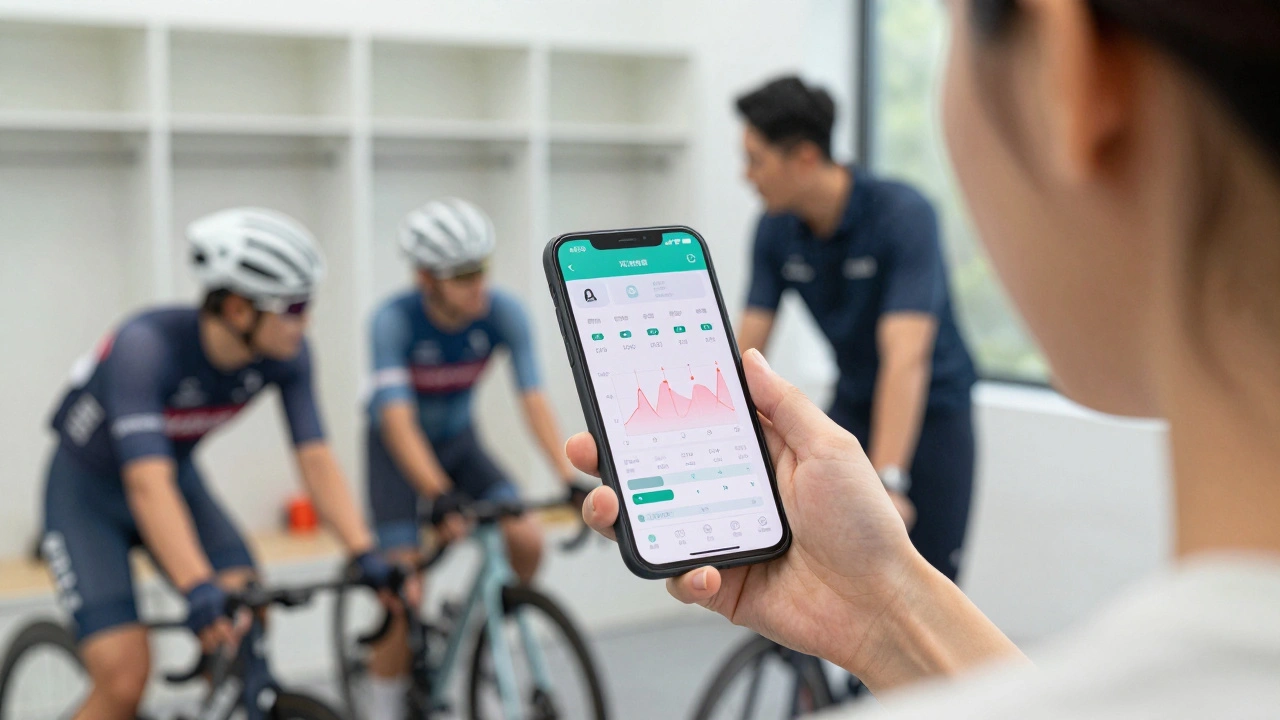
This is why modern coaching approaches are shifting away from rigid, phase-based prescriptions. Instead, teams like EF Pro Cycling use menstrual tracking to understand each rider’s unique pattern. By logging symptoms, mood, and performance over several cycles, athletes and coaches can spot trends. Maybe you consistently experience lower energy two days before your period. Knowing this allows you to plan easier sessions or adjust nutrition proactively, rather than being caught off guard.
The Sports Medicine review notes that many past studies failed because they relied on calendar counting rather than hormonal verification, and they mixed highly trained athletes with recreational participants. This makes broad generalizations difficult. The best approach is personalized. Use apps or journals to track your cycle alongside your training logs. Look for correlations between your symptoms and your performance metrics. Over time, you’ll build a map of your own body that is far more accurate than any textbook model.
Practical Steps for Athletes and Coaches
Debunking myths is only half the battle. We need actionable strategies to support menstrual health and optimize performance. Here is how you can apply this knowledge:
- Normalize the Conversation: Coaches and teammates should talk about periods openly. Stigma thrives in silence. When athletes feel comfortable discussing cramps or mood changes, they can get the support they need without shame.
- Prioritize Fueling: Ensure you are eating enough to cover your training load. If you are unsure, consult a sports dietitian. Under-fueling is the root cause of many menstrual disturbances.
- Track Your Cycle: Don’t guess your phase. Track it. Note not just the start date of your period, but also symptoms like bloating, sleep quality, and energy levels. This data helps you distinguish between normal cycle fluctuations and signs of RED-S.
- Listen to Your Body: If you feel terrible, it’s okay to rest or modify. But don’t assume you *must* rest just because you are bleeding. Differentiate between true fatigue and symptomatic discomfort.
- Seek Medical Help for Amenorrhea: If you miss three or more periods in a row, see a doctor. Do not wait. Early intervention for FHA can prevent long-term bone density loss and other health complications.
The shift in women’s sports is moving from avoidance to empowerment. By understanding the science behind our cycles, we can stop fearing them and start using that knowledge to train smarter. Your period is not a defect; it’s a vital sign. Treat it with the respect and attention it deserves, and your performance will follow.
Does my period affect my running speed or strength?
Research indicates that for most athletes, overall physical performance such as running speed, strength, and endurance remains consistent across all phases of the menstrual cycle. While some individuals may perceive themselves as slower or weaker during menstruation, objective testing often shows no significant difference. Any variations are usually small and highly individualized.
Is it safe to exercise heavily during my period?
Yes, it is generally safe to engage in heavy exercise during your period. In fact, many women find that moderate to vigorous activity helps reduce menstrual symptoms like cramps and bloating. However, if you experience severe pain or fatigue, it is reasonable to modify your workout intensity or choose lower-impact activities.
What is RED-S and how does it relate to my period?
RED-S stands for Relative Energy Deficiency in Sport. It occurs when an athlete does not consume enough calories to support their training and basic bodily functions. A common symptom of RED-S is the disruption of the menstrual cycle, including missed periods (amenorrhea). Other signs include chronic fatigue, frequent injuries, and mood changes.
Should I be worried if I miss my period while training?
Yes, missing your period is a significant health concern and should not be ignored. It is often a sign of Functional Hypalamic Amenorrhea (FHA) caused by stress, under-eating, or over-training. You should consult a healthcare provider to rule out other causes and address potential energy deficiency to protect your bone health and long-term well-being.
How can I tell if my poor performance is due to my cycle or something else?
Tracking your cycle alongside your training logs for several months can help identify patterns. If you consistently feel worse during specific phases, it may be a normal individual response. However, if you experience constant fatigue, declining performance regardless of the cycle phase, or missed periods, it could indicate RED-S or overtraining, requiring medical and nutritional assessment.