Ancient Burial Goods Explorer
| Material | Status | Durability |
|---|
Imagine opening a 4,000-year-old grave and finding not just jewelry or weapons, but a carved wooden phallus tucked against the deceased's thigh. For decades, archaeologists dismissed such finds as curiosities or even jokes. Today, we know better. These objects, known as burial goods items placed with the dead to assist them in the afterlife, ranging from tools to food to sexual implements, offer a raw, unfiltered window into how ancient people viewed sexuality, fertility, and the journey beyond death.
When we talk about the history of sex toys, we often think of modern materials like silicone or glass. But the roots go much deeper. From the Nile Valley to the Indus River, civilizations crafted intimate companions for their dead. Why? Was it for pleasure in the next life? A symbol of marital status? Or a ritualistic charm to ensure fertility? Let’s unpack what the dirt actually tells us.
The Egyptian Connection: Pleasure for the Afterlife
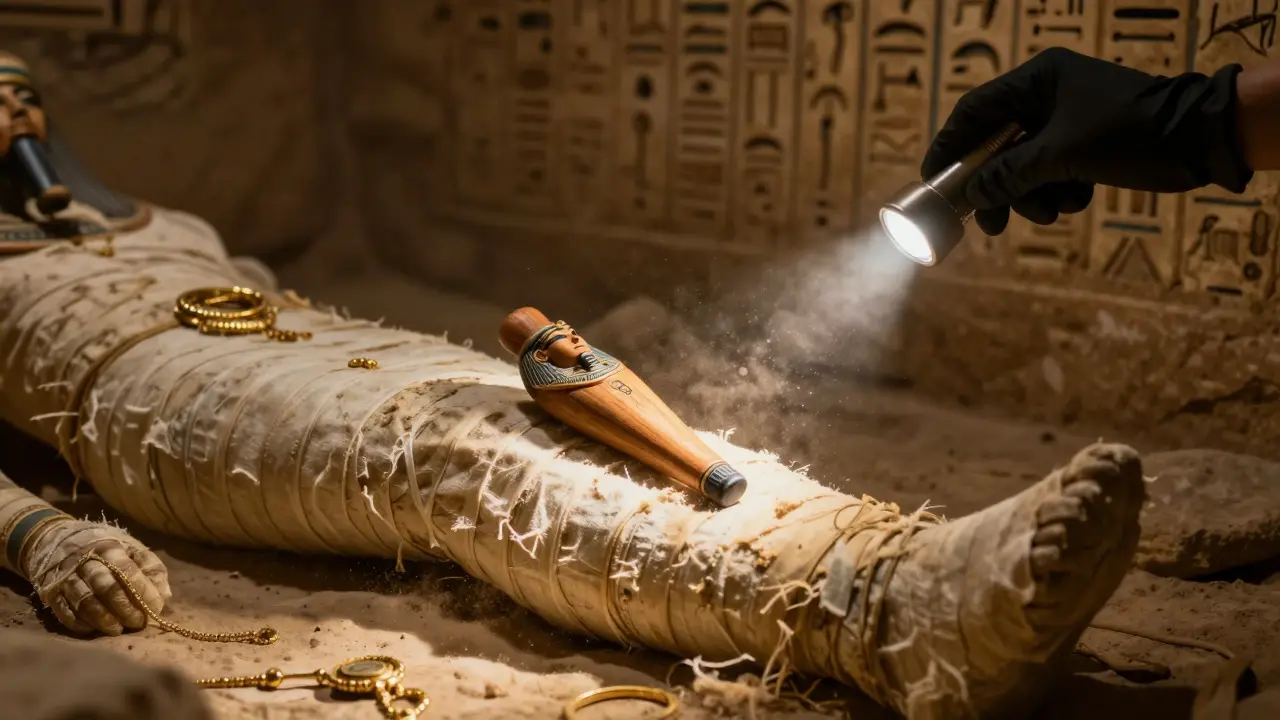
Egypt is arguably the most famous site for these discoveries. In the tomb of the priestess Hathor (dated around 1900 BCE), excavations revealed a small, carved wooden object resembling a penis. It wasn't unique. Similar finds have emerged from various New Kingdom tombs. The Egyptians believed the afterlife was a continuation of earthly existence. If you enjoyed intimacy on Earth, you’d want that comfort in the Duat (the underworld).
These objects weren't always explicitly anatomical. Some were stylized, while others were quite realistic. They were often made from wood, stone, or ivory. The material mattered. Ivory suggested wealth, while simple wood indicated a more common citizen. This distinction helps us understand social stratification in ancient Egypt. Richer individuals received more elaborate funerary offerings gifts given to the dead to aid their transition, including food, tools, and personal effects.
Beyond Egypt: Global Perspectives on Intimate Burials
It’s a mistake to think this was an exclusively Egyptian practice. Across the globe, cultures have left similar marks in the earth.
- Mesopotamia: In Sumerian graves, clay figurines depicting male and female genitalia have been found. These were likely apotropaic charms, meant to protect the soul and ensure continuity of lineage.
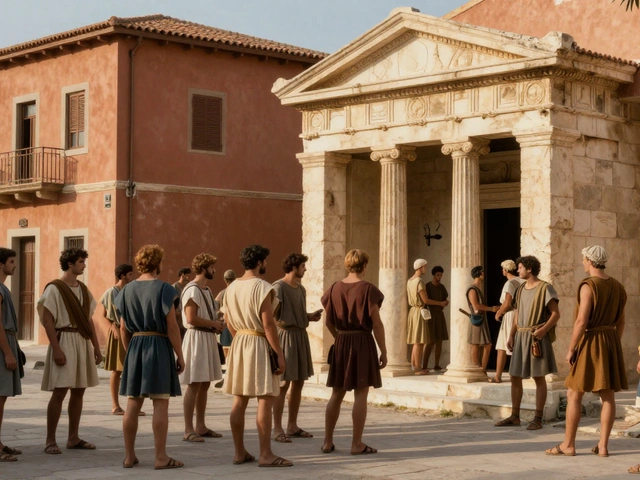
- Greece and Rome: While less common in high-status tombs, Roman mosaics and terracotta figures often featured explicit phallic symbols. In some rural Italian graves, small ceramic dildos have been unearthed, suggesting a blend of practical utility and symbolic protection.
- Indus Valley: Excavations at Mohenjo-daro revealed small stone carvings that many scholars interpret as early forms of intimate aids, highlighting a sophisticated understanding of human anatomy in 2500 BCE.
Each culture had its own context. In Mesopotamia, the focus was on protection and lineage. In Rome, it could be about humor or warding off evil spirits. In Egypt, it was deeply tied to the theology of eternal life. Understanding these nuances prevents us from projecting modern views onto ancient practices.
Why Bury Sex Toys? Decoding the Motives
Why would anyone bury a dildo? The answer isn't one-size-fits-all. Scholars generally point to three main reasons:
- Continuity of Life: The most straightforward explanation. If life includes sex, the afterlife should too. This mirrors how we bury phones, wallets, or favorite books today. We give the dead what they loved.
- Fertility Symbols: Many ancient societies equated sexual power with agricultural abundance. Placing a phallic object in a grave could be a prayer for the family’s continued prosperity and the land’s fertility.
- Ritual Protection: In many cultures, the dead are vulnerable. Sexual energy was seen as potent force. A phallic object might act as a shield against demons or restless spirits in the underworld.
These motives often overlapped. A single object could serve as both a comfort item and a protective charm. The ambiguity is part of the appeal. It forces us to consider that ancient people were complex, having desires, fears, and rituals that mirror our own.

Material Matters: What the Artifacts Tell Us
The construction of these items reveals a lot about craftsmanship and available resources. Let’s look at a comparison of common materials found in archaeological sites.
| Material | Region/Culture | Social Indicator | Durability |
|---|---|---|---|
| Wood | Egypt, Greece | Common to Middle Class | Low (often decays) |
| Ivory | Egypt, Mesopotamia | High Status/Ellite | Medium |
| Stone | Indus Valley, Rome | Varies | High |
| Ceramic | Rome, Greece | Common | Medium-High |
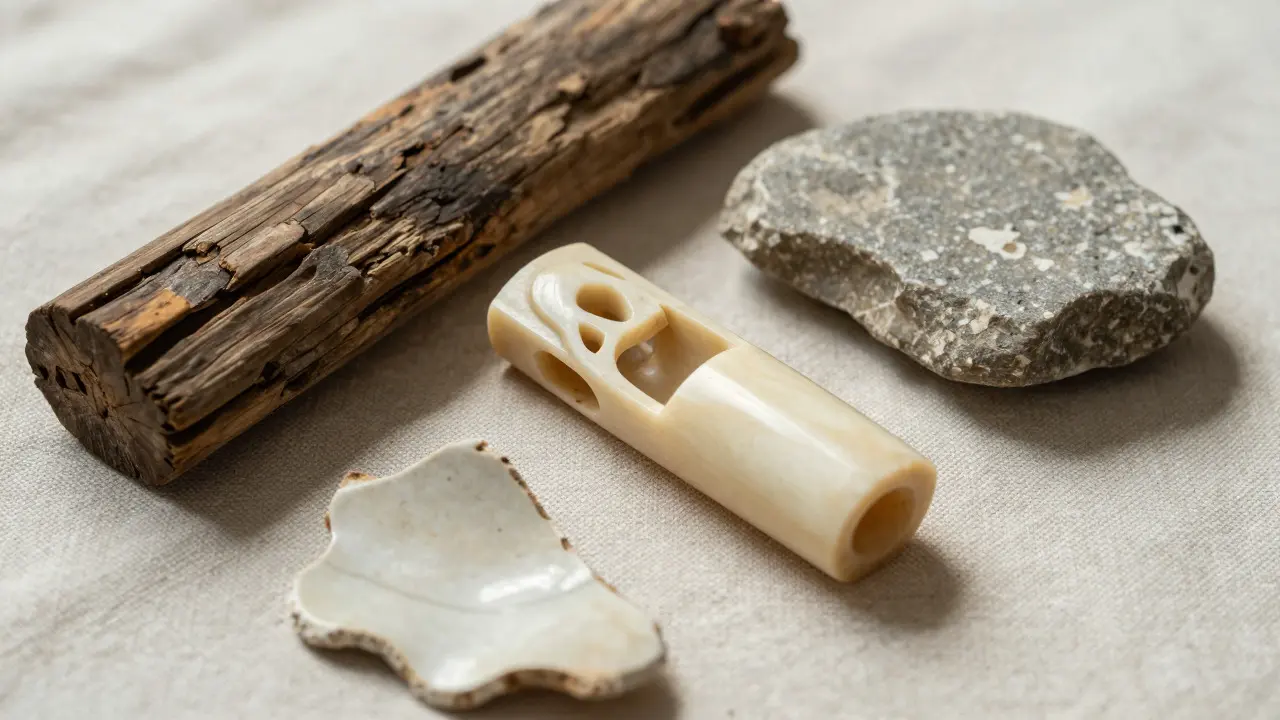
Notice how wood, while common, rarely survives. This means our sample size is biased toward durable materials like stone and ivory. When we find a wooden artifact, it’s a rare gem that gives us insight into everyday life rather than elite display. The preservation bias is a critical factor in interpreting the frequency of these items.
Modern Misconceptions vs. Archaeological Reality
A lot of pop culture gets this wrong. We often imagine ancient people as either prudish or wildly promiscuous. The truth is nuanced. These objects were not necessarily used for daily pleasure by the living. They were primarily funerary items. Their presence in graves doesn’t mean every ancient person owned one. It suggests that for certain classes, genders, or religious groups, intimacy was a recognized part of the afterlife package.
Also, gender plays a role. In Egypt, these items are frequently found in female graves. This challenges the idea that women were sexually repressed. Instead, it suggests that female sexuality was acknowledged and provided for in the afterlife. In contrast, male graves might contain different types of amulets, perhaps focusing on strength or authority rather than intimate comfort.
Preserving the Past: Challenges for Archaeologists
Handling these delicate artifacts is tricky. Wood rots, ivory cracks, and ceramics shatter. Once removed from the ground, they need careful conservation. Institutions like the British Museum and the Egyptian Museum in Cairo hold significant collections. However, many smaller finds end up in local museums or private collections, limiting public access.
Documentation is key. Early excavations sometimes lacked detailed records, making it hard to trace exactly where an item came from. Modern archaeology uses 3D scanning and DNA analysis to provide more context. This technology helps us link specific artifacts to specific individuals, revealing personal stories behind the objects.
What Can We Learn Today?
Studying erotic artifacts objects created for sexual purposes, whether for use or symbolism, across historical periods helps us understand human universality. Our desires haven’t changed. We still seek connection, comfort, and meaning. By looking at how ancients prepared for death, we reflect on our own values. Do we believe in an afterlife? How do we honor those we lose? These questions remain relevant, bridging millennia through simple, carved objects.
The next time you see a museum exhibit on ancient life, look closely at the smaller items. They might tell you more about human nature than the grand statues ever could.
Were ancient dildos used by the living or only buried?
Most evidence suggests they were primarily funerary items, placed in graves for the afterlife. However, some wear patterns on surviving artifacts hint that they may have also been used by the living before burial, though this is debated among scholars.
Which civilization has the most documented finds of burial phalli?
Ancient Egypt has the highest number of well-documented finds, particularly from the New Kingdom period. However, similar items have been found in Greece, Rome, and Mesopotamia, indicating a broader cultural phenomenon.
Do these objects indicate that ancient women were sexually active?
Yes, their presence in female graves suggests that female sexuality was recognized and valued in the afterlife. It counters the notion that ancient women were entirely sexually passive or repressed.
Are these items considered 'sex toys' in the modern sense?
Functionally, yes, if they were used for pleasure. Symbolically, they served as amulets or fertility charms. The line between practical use and ritual significance is often blurred in ancient contexts.
Where can I see these artifacts today?
Major museums like the British Museum, the Metropolitan Museum of Art, and the Egyptian Museum in Cairo house significant collections. Local archaeological museums in regions like Turkey, Italy, and India also display relevant finds.