History & Archaeology: Ancient Sex, Beauty, and Power Revealed
When we think about History & Archaeology, the study of human behavior through physical remains and cultural artifacts. Also known as ancient social history, it's not just about old bones and broken pots—it's about how people lived, loved, and claimed power in ways we’re only beginning to fully understand. This isn’t dry textbook stuff. It’s about the real, messy, fascinating ways humans have shaped sex, beauty, and gender roles for thousands of years—and how those patterns still shape us today.
Take mammalian reproduction, the evolutionary shift from laying eggs to giving live birth. Also known as viviparity, this change didn’t just affect biology—it rewired social bonds, parenting roles, and even group dynamics over 200 million years. Monotremes like the platypus still lay eggs, while marsupials and placentals developed internal nurturing systems that changed how young were raised. This biological shift laid the groundwork for the deep emotional ties we now associate with motherhood, fatherhood, and family. Meanwhile, in ancient Italy, Etruscan mirrors, bronze objects engraved with mythological scenes used by women for grooming and ritual. Also known as Etruscan vanity mirrors, they weren’t just tools—they were spiritual anchors, linking daily beauty rituals to identity beyond death. Women held these in their hands as they prepared for ceremonies, weddings, and funerals, turning personal care into a form of quiet power. And in Greece, the ideal of kalokagathia, the fusion of physical beauty, moral virtue, and intellectual strength in young men. Also known as the good and beautiful, it wasn’t just about looking strong—it was about being seen as worthy of public trust, leadership, and desire. Kouros statues weren’t just art; they were advertisements for the perfect citizen.
These aren’t isolated stories. They connect. The way Etruscan women reclined beside men at banquets—unlike the all-male symposia of Athens—shows a culture where gender roles were more fluid. That difference didn’t happen by accident. It reflected deeper beliefs about who held authority, who controlled space, and who got to define beauty. Meanwhile, the shift from egg-laying to live birth in mammals quietly redefined how care was distributed, who was seen as nurturing, and how attachment formed. These aren’t just ancient quirks. They’re the roots of how we still think about gender, attraction, and power today.
What you’ll find below isn’t a list of facts. It’s a window into real lives—from the women holding bronze mirrors in Etruria to the young Greek men training in the gymnasiums, from the first mammals nurturing their young inside their bodies to the banquet tables where power was served alongside wine. These stories aren’t buried. They’re waiting for you to see them clearly.
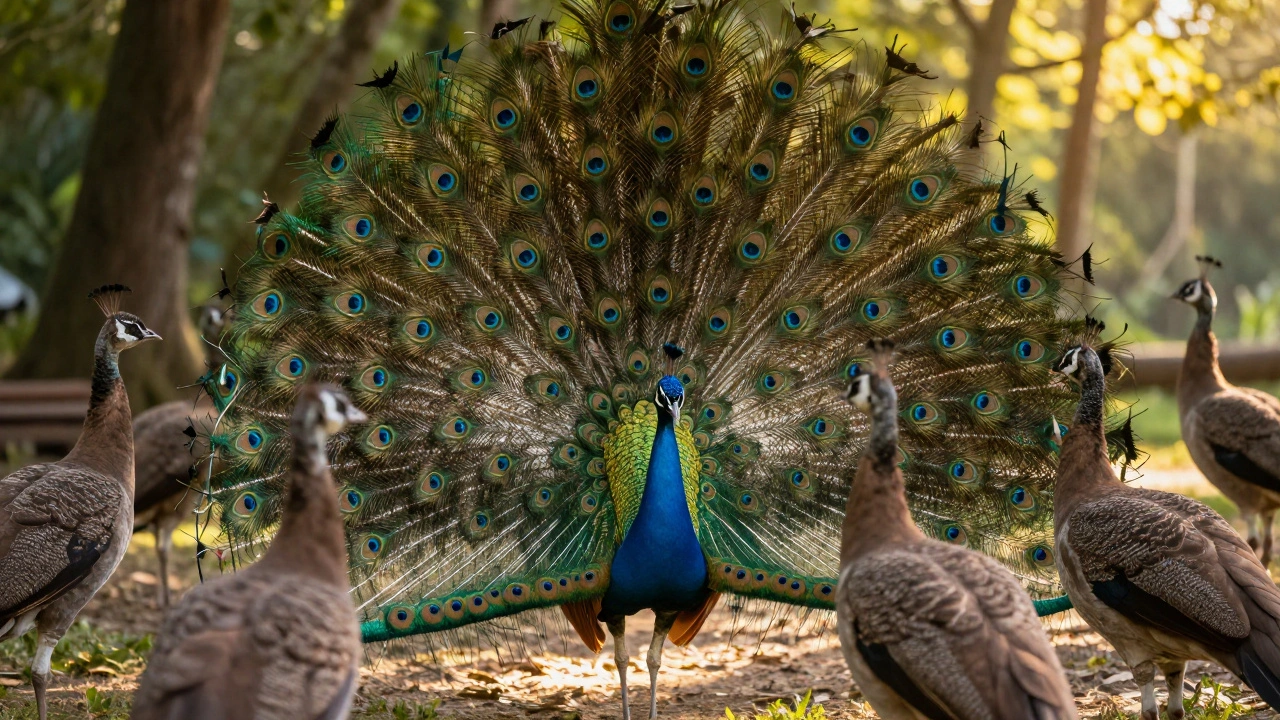
Sexual Selection in Early Animals: How Courtship, Competition, and Mate Choice Shaped Evolution
Mar 15 2026 / History & ArchaeologySexual selection shaped the most dramatic traits in early animals-from peacock tails to spider suicide-driven by competition and mate choice. Darwin's theory explains why beauty and risk go hand in hand in evolution.
VIEW MORE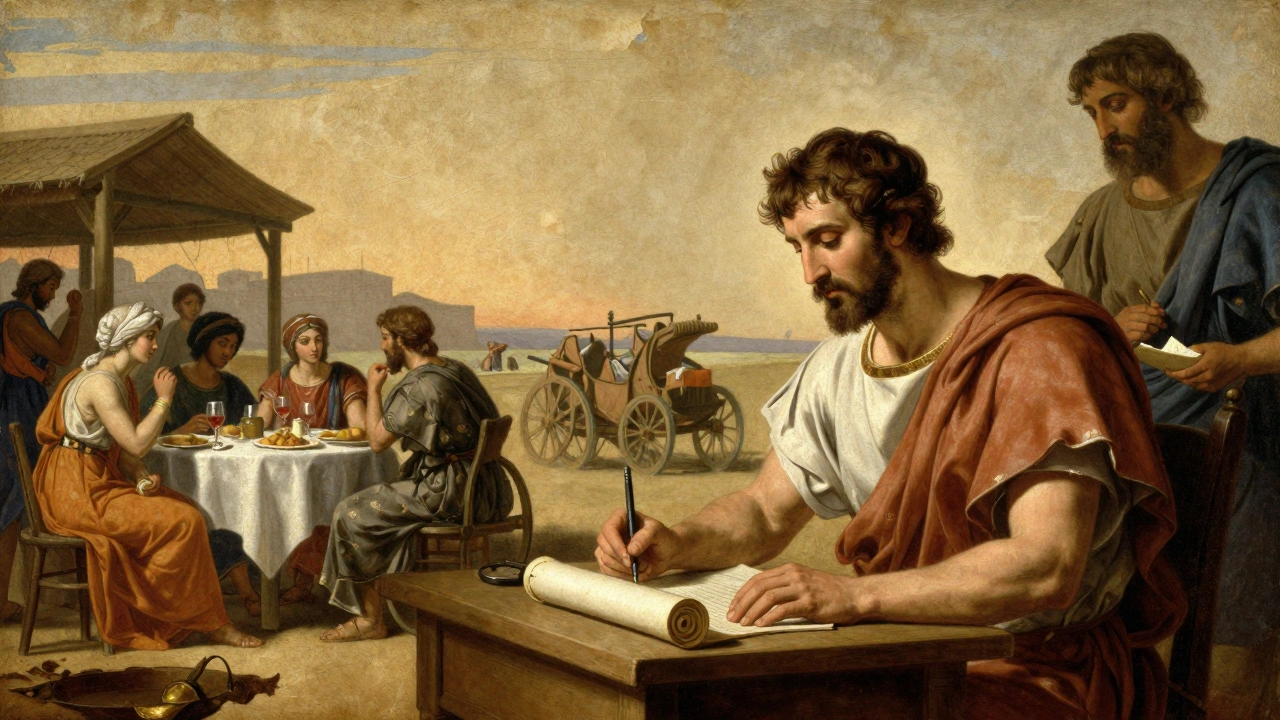
Etruscan Children's Sexual Education: Separating Fact from Myth
Feb 6 2026 / History & ArchaeologyDiscover the truth about Etruscan children and sexual education-debunking ancient myths with modern archaeological evidence. Learn how Greek biases shaped false narratives and what real artifacts reveal about Etruscan family life.
VIEW MORE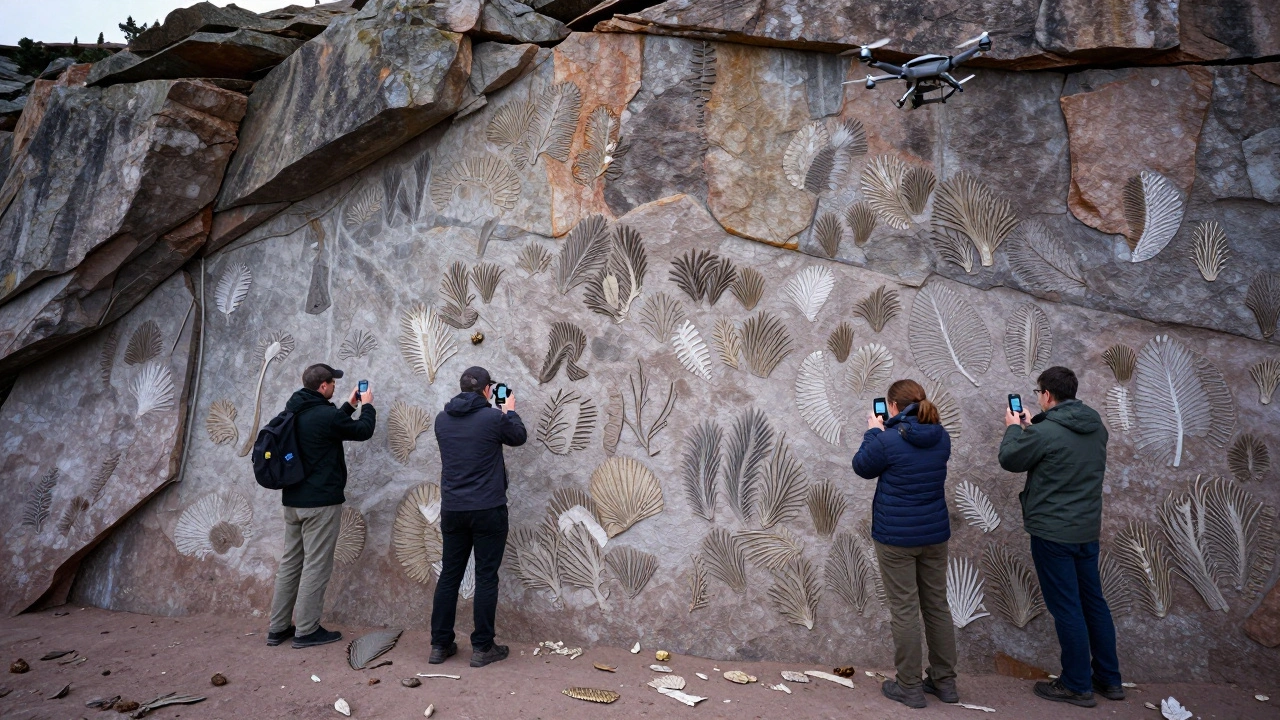
The Fossil Record of Sex: How Scientists Uncover Ancient Reproductive Strategies
Dec 7 2025 / History & ArchaeologyPaleontologists are uncovering how ancient life reproduced over 500 million years ago using spatial analysis, embryonic fossils, and advanced imaging. Discover how sex evolved long before dinosaurs-and why it changes everything we thought about early life.
VIEW MORE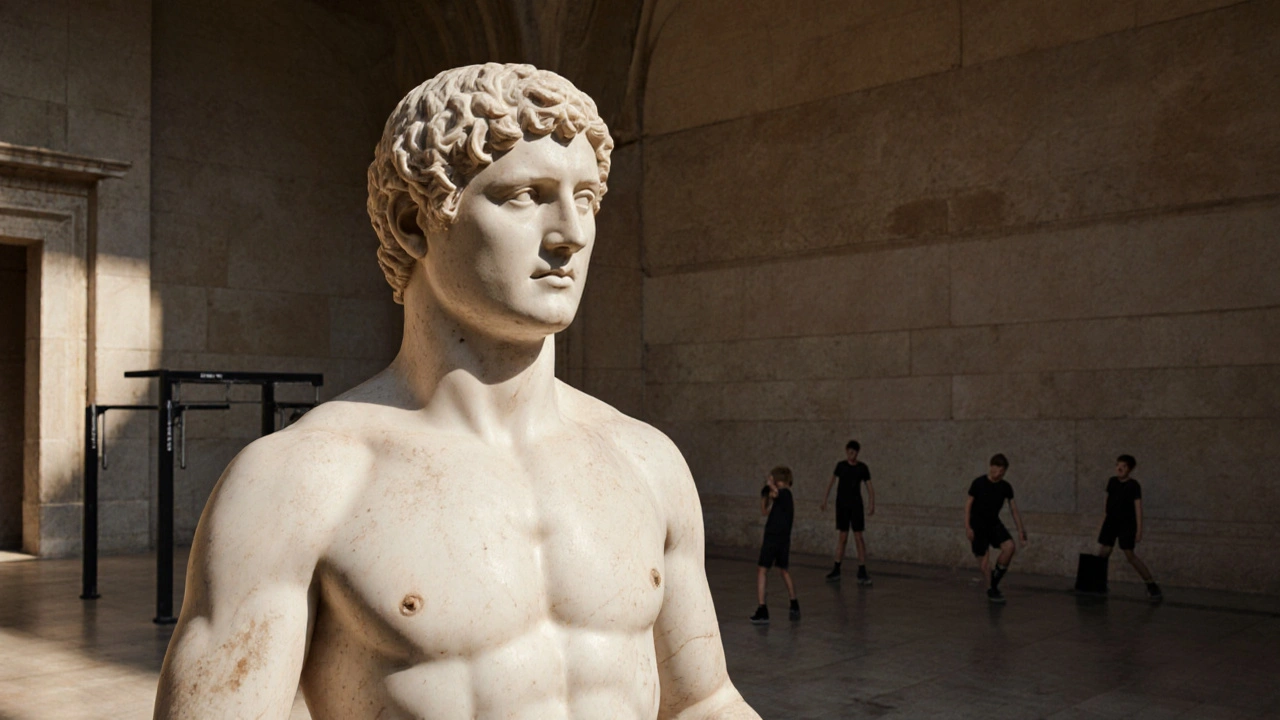
Male Beauty Ideals in Classical Greece: Youth, Kalokagathia, and Desire
Nov 15 2025 / History & ArchaeologyKalokagathia was the ancient Greek ideal that fused physical beauty, moral virtue, and intellectual strength in the male citizen. This article explores how youth, desire, and public training shaped Athenian identity-and why it still echoes today.
VIEW MORE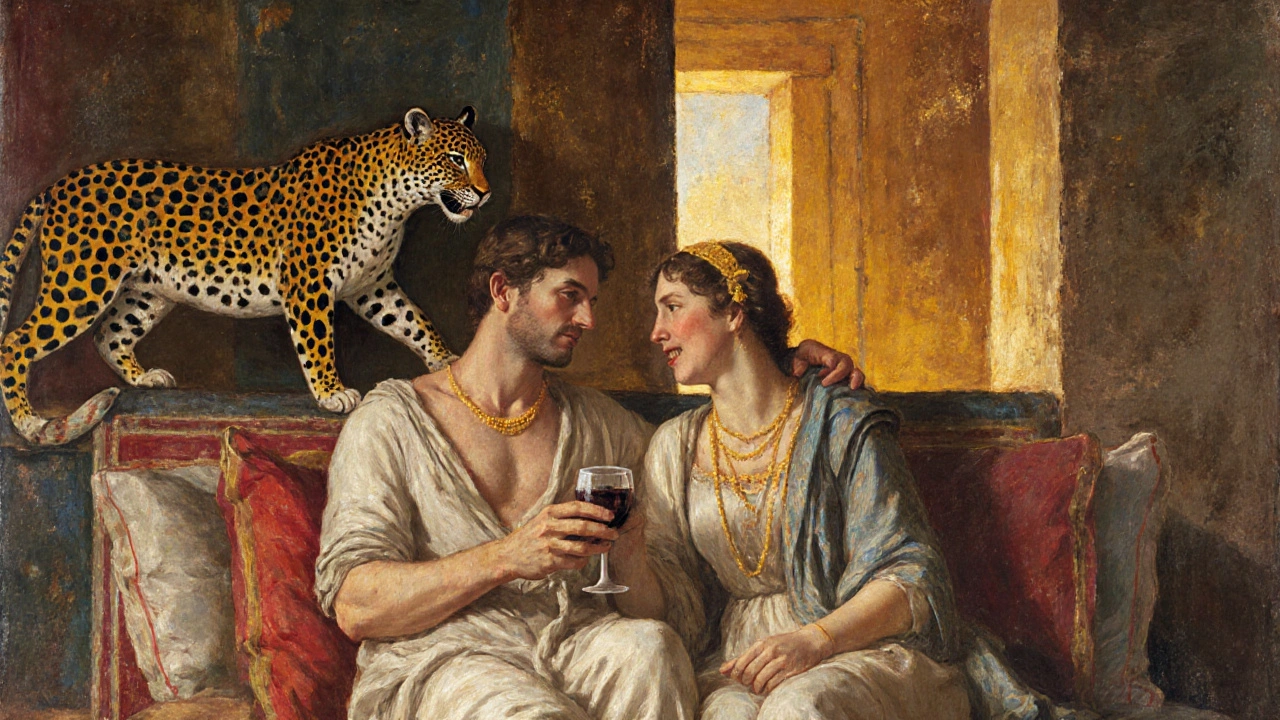
Banquet Scenes and Shared Reclining: How Etruscan Gender Relations Differed from Ancient Greece
Nov 4 2025 / History & ArchaeologyEtruscan banquet scenes reveal women reclining alongside men - a stark contrast to the male-only symposia of classical Athens. This difference reflects deeper cultural values around gender, power, and social equality in ancient Italy.
VIEW MORE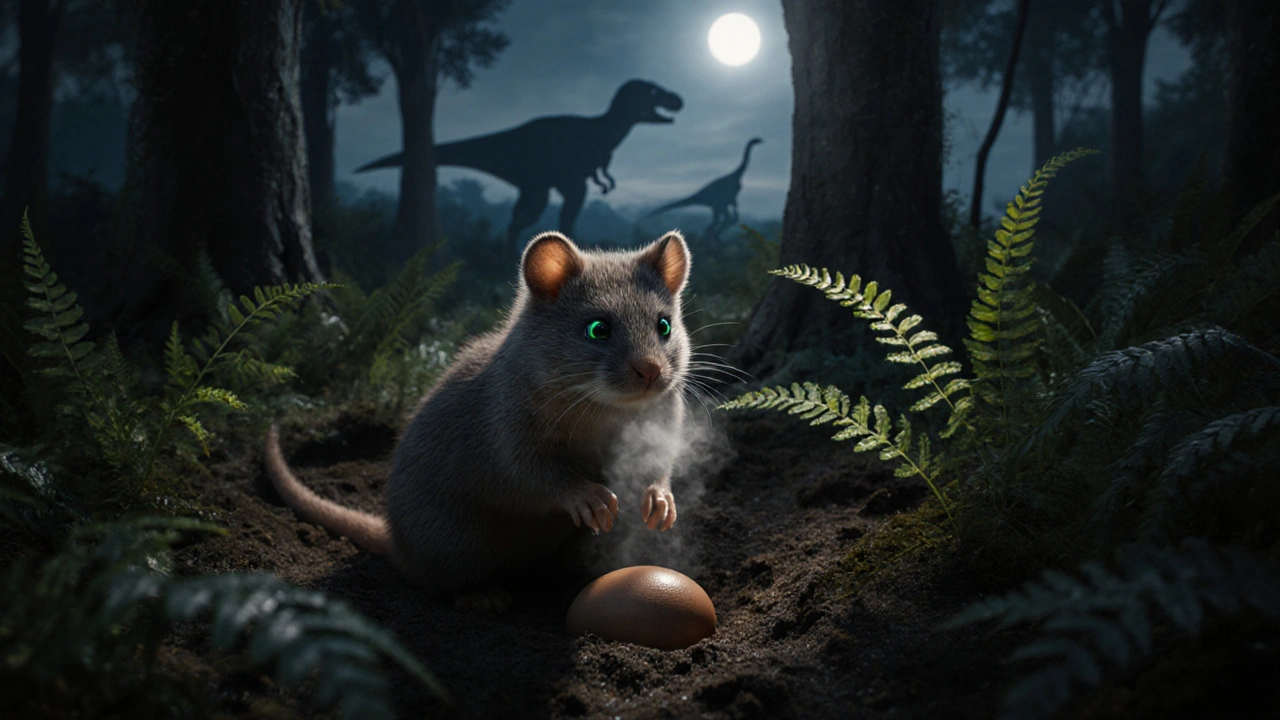
The Origins of Mammalian Reproduction: From Eggs to Live Birth
Oct 31 2025 / History & ArchaeologyMammalian reproduction began with egg-laying and evolved into live birth over 200 million years. Monotremes still lay eggs, while marsupials and placentals developed different ways to nurture young inside and after birth.
VIEW MORE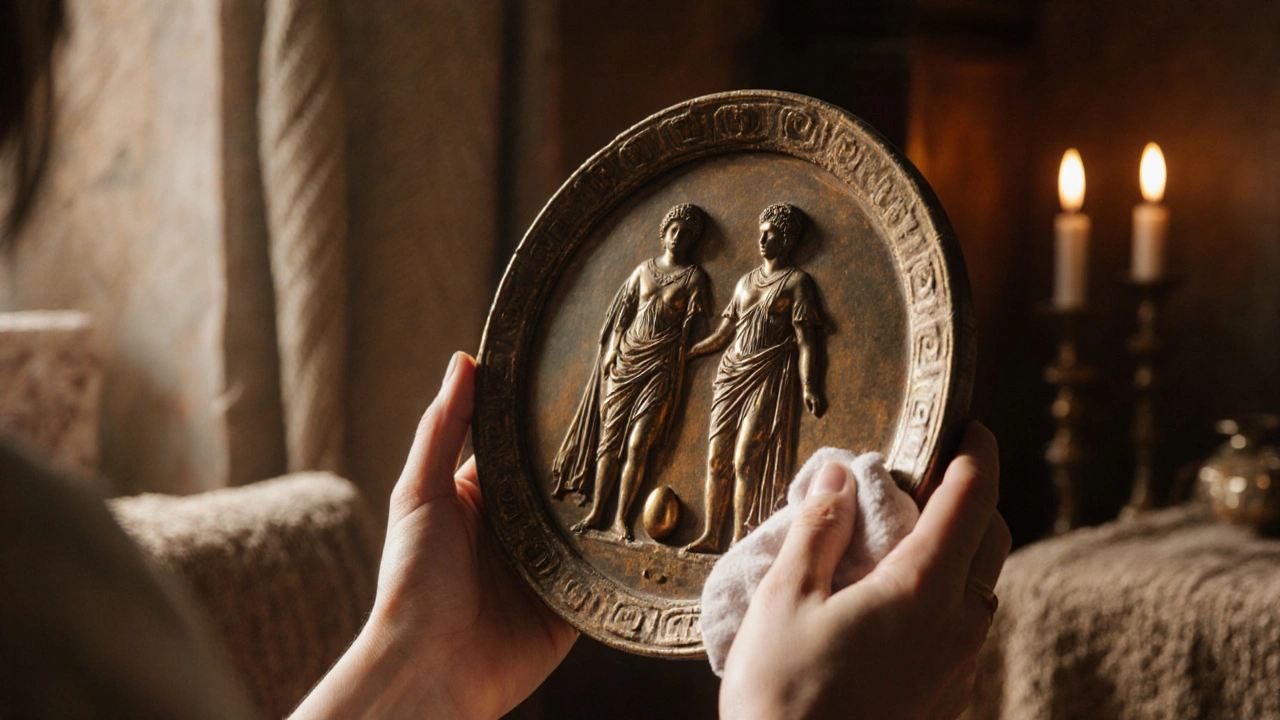
Etruscan Mirrors and Myth: Beauty, Sexuality, and Domestic Power
Oct 24 2025 / History & ArchaeologyEtruscan bronze mirrors reveal how ancient women used beauty, myth, and ritual to claim power in life and death. More than vanity objects, they were spiritual tools linking daily grooming to eternal identity.
VIEW MORE