Reproduction Strategy Simulator
Adjust the environmental parameters below to see which reproductive strategy offers the highest survival probability for a hypothetical population.
Asexual (Cloning)
Sexual Reproduction
Imagine a world where every organism is an exact copy of its parent. No variation, no surprises, just endless repetition. For many species, this isn't science fiction-it's daily life. Yet, for others, mixing genetic material from two parents is the only way to survive. This tension between copying and mixing defines the core of evolutionary origins and biological strategy. Why do some creatures clone themselves while others mate? The answer lies in how they handle environmental change, disease, and competition.
The Mechanics of Cloning: Asexual Reproduction
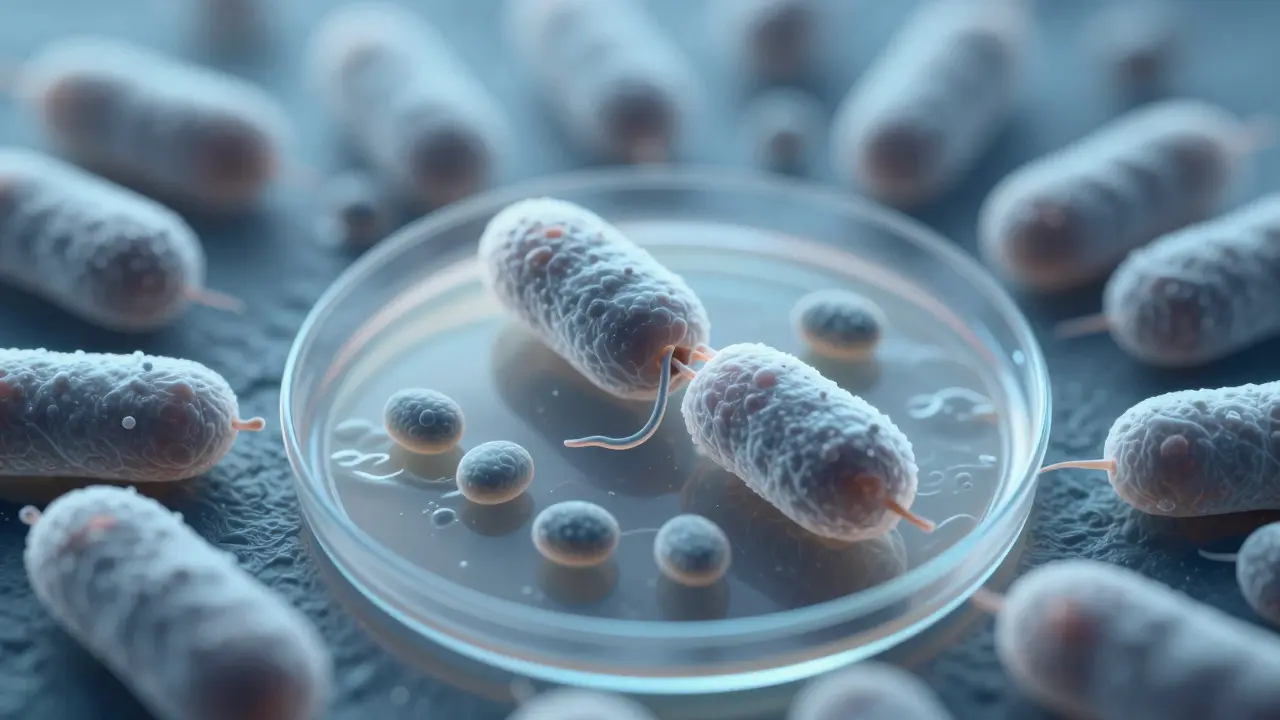
Asexual reproduction is a mode of reproduction where offspring arise from a single parent without the fusion of gametes. In this process, the parent cell divides to produce genetically identical daughters. The most common form is binary fission, seen in bacteria like E. coli. These microbes can double their population every 20 minutes under ideal conditions. Speed is the primary advantage here. If resources are abundant and the environment is stable, cloning allows a population to explode rapidly.
Another method is budding, observed in Hydra and yeast. A new individual grows out of the side of the parent, eventually detaching. This strategy requires less energy than finding a mate or producing complex reproductive structures. However, the trade-off is significant: if one individual is susceptible to a specific pathogen, all clones are too. There is no genetic backup plan. A single viral strain could wipe out an entire clonal lineage instantly.
Mixing Genes: The Logic of Sexual Reproduction
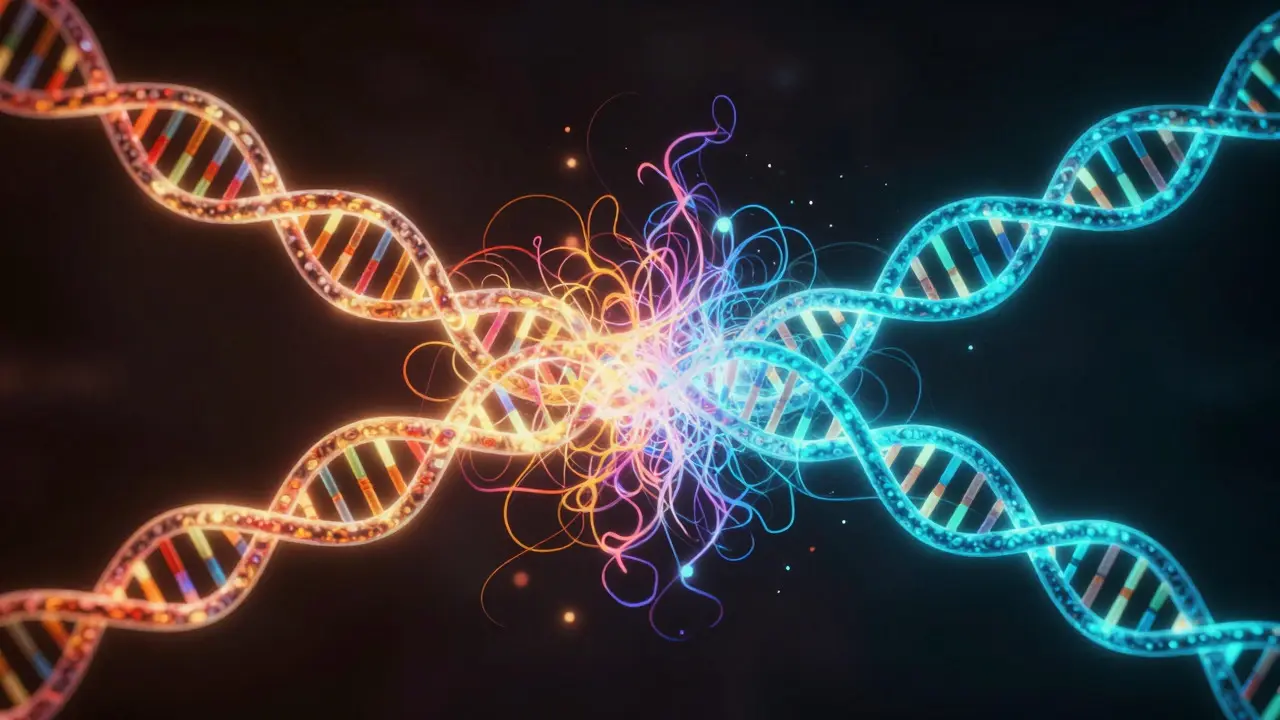
Sexual reproduction is a biological process involving the combination of genetic material from two parents to create genetically unique offspring. This mechanism introduces genetic recombination, shuffling alleles during meiosis. While slower and more energetically costly, it creates variety. This variety is crucial for long-term survival. When environments shift-whether due to climate change, new predators, or evolving parasites-some individuals in a sexually reproducing population will likely possess traits that allow them to adapt. This is often referred to as the "Red Queen" hypothesis, named after Lewis Carroll’s character who must keep running just to stay in place.
Consider the human immune system. It relies on genetic diversity to recognize a vast array of pathogens. If humans reproduced by cloning, a single novel virus could potentially infect everyone with equal ease. Sexual reproduction ensures that at least some individuals have resistance genes that protect the group. This collective resilience is a key driver behind why sex evolved and persisted despite its high costs.
Comparative Analysis: Cost vs. Benefit
To understand why both strategies persist, we need to look at the specific trade-offs involved. The table below highlights the core differences between these two fundamental biological approaches.
| Feature | Asexual (Cloning) | Sexual |
|---|---|---|
| Parental Requirement | One parent | Two parents |
| Genetic Outcome | Identical to parent | Unique combination |
| Speed of Population Growth | Rapid | Slower |
| Energy Cost | Low | High (mate searching, courtship) |
| Adaptability to Change | Low | High |
The data shows a clear dichotomy. Asexual reproduction wins in stable, resource-rich environments where speed matters most. Sexual reproduction dominates in dynamic, competitive environments where adaptation is key. Most organisms don’t strictly adhere to one or the other; many use a mixed strategy called cyclical parthenogenesis. Aphids, for example, reproduce asexually during the summer when conditions are good, switching to sexual reproduction in the fall to produce eggs that can survive winter.
Evolutionary Origins and Historical Context
Why did sex evolve in the first place? Early life forms were almost certainly asexual. The transition to sexual reproduction was a massive leap in complexity. Scientists believe this shift occurred around 1.5 billion years ago in eukaryotic cells. One leading theory suggests that sex evolved primarily to combat parasitic infections. As parasites evolve to attack the most common host genotype, rare genotypes gain an advantage. Sexual reproduction generates these rare combinations, keeping hosts one step ahead of their parasites.
This evolutionary pressure has shaped the mating behaviors we see today. From the elaborate dances of birds to the chemical signals of insects, these rituals ensure that genetic material is exchanged efficiently. They also serve as filters, allowing organisms to choose mates with desirable traits, further enhancing the fitness of offspring. The cost of maintaining two sexes-the "two-fold cost of males"-is high, but the benefit of genetic innovation appears to outweigh it in most complex ecosystems.
Modern Applications: Biotechnology and Conservation
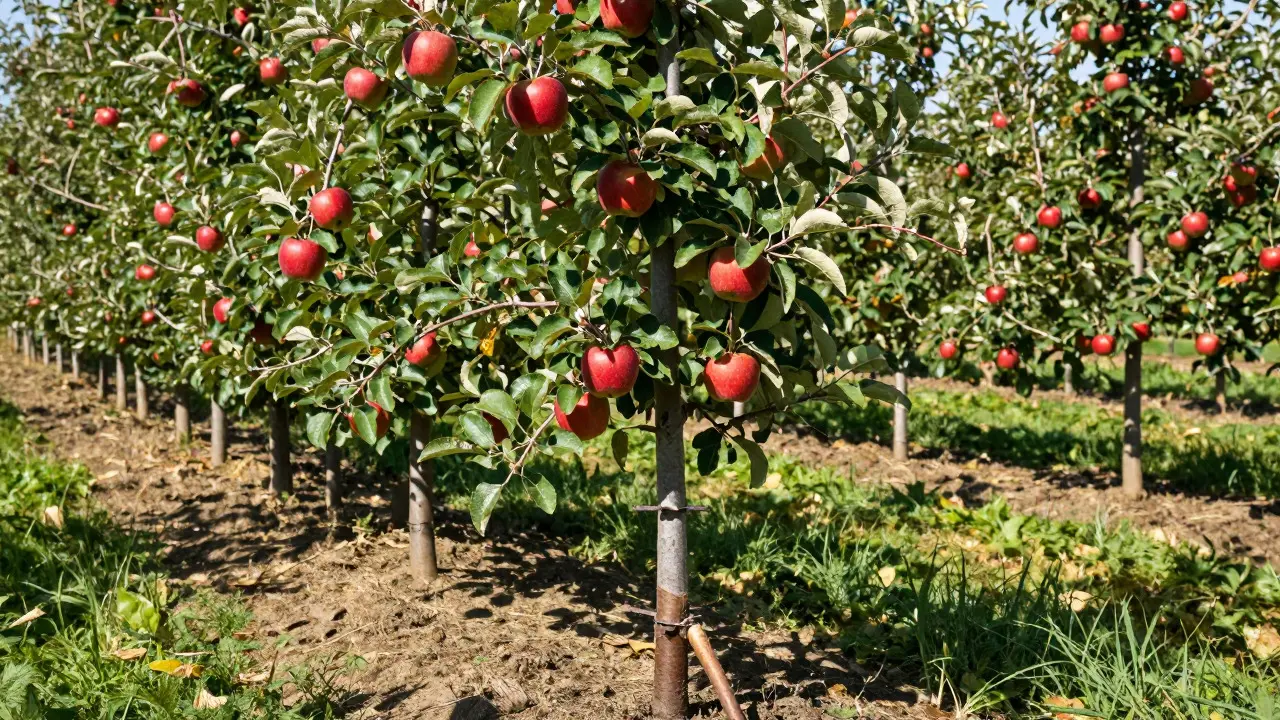
Understanding these natural strategies has profound implications for modern science. In agriculture, farmers rely on asexual techniques like grafting and cuttings to propagate crops with consistent quality. Apple trees, for instance, are rarely grown from seed because seeds result in unpredictable fruit varieties. Instead, orchards are filled with clones of proven cultivars. This guarantees uniformity but increases vulnerability to diseases like fire blight, which can devastate a monoculture.
In conservation biology, the debate over cloning endangered species is intense. Techniques like somatic cell nuclear transfer (SCNT) have successfully cloned animals such as the black-footed ferret. However, critics argue that cloning does not address the root causes of extinction, such as habitat loss. Moreover, cloned animals may lack the genetic diversity necessary for a healthy, self-sustaining population. While cloning offers a tool for rescue, it is not a substitute for preserving the natural processes of sexual reproduction and genetic flow.
Frequently Asked Questions
Is cloning always asexual reproduction?
In a biological context, yes. Natural cloning refers to asexual reproduction where offspring are genetically identical to the parent. In biotechnology, cloning can refer to gene cloning or whole-organism cloning, but the underlying principle of creating genetic copies remains the same.
Why don't all organisms reproduce sexually?
Sexual reproduction is expensive. It requires finding a mate, expending energy on courtship, and dividing resources between two parents. In simple or stable environments, the speed and efficiency of asexual reproduction provide a greater survival advantage.
Can asexual populations evolve?
Yes, through mutation. However, evolution is much slower in asexual populations because there is no recombination to shuffle beneficial mutations together. This limits their ability to adapt to rapid environmental changes compared to sexual populations.
What is the Red Queen Hypothesis?
It is a theory stating that organisms must constantly adapt, evolve, and proliferate not just to gain advantage, but simply to survive against ever-evolving opposing organisms (like parasites). Sexual reproduction facilitates this constant adaptation by generating genetic diversity.
How does hybridization fit into these strategies?
Hybridization is a form of sexual reproduction between different species or subspecies. It can introduce new genetic combinations, sometimes resulting in sterile hybrids (like mules) or, rarely, new fertile species. It represents another layer of complexity in how nature mixes genetic material.