Enlightenment Sexual Morality Quiz
Test Your Knowledge
How much do you know about the Enlightenment's impact on sexual morality? Answer these questions based on the article.
1. Before the Enlightenment, what was the primary framework for understanding sexual morality?
2. What was a key shift in legal treatment of sexual behavior during the Enlightenment?
3. What was Denis Diderot's primary contribution to the discussion of sexual morality?
4. How did Marquis de Sade's ideas differ from mainstream Enlightenment thought?
5. What was a key legacy of Enlightenment thinking for modern sexual rights?
Results
Your Score:
For centuries, sex was treated as a sin-something dirty, dangerous, and subject to the Church’s judgment. If you had sex outside marriage, used birth control, or even enjoyed sex too much, you weren’t just breaking a rule. You were offending God. That changed. Not because people suddenly became more tolerant. But because a group of thinkers in the 1700s asked a simple, dangerous question: Who gave them the right to decide what happens in the bedroom?
The Old Rule: Sex as Sin
Before the Enlightenment, sexual morality wasn’t about people. It was about doctrine. The Catholic Church, drawing from St. Augustine and later St. Thomas Aquinas, had laid down strict rules: sex was only moral if it happened inside marriage, and only if the goal was having children. Pleasure? That was the problem. Augustine called sexual desire a punishment for Adam’s sin. Even married couples were told to have sex with guilt, not joy. Anything else-masturbation, homosexuality, premarital sex, contraception-was sin. And sin meant punishment. Not just in the afterlife. In this life too. Public shaming, fines, imprisonment. Sometimes death.The Shift: Reason Over Revelation
Then came the Enlightenment. Thinkers like Voltaire, Diderot, and Rousseau didn’t just question kings and priests. They questioned the whole idea that morality came from heaven. They said: if you want to know what’s right, look at people. Use your mind. Test ideas. Don’t take orders from a book written a thousand years ago. This wasn’t just about government or science. It was about the body. For the first time, sex stopped being a religious crime and started being a human matter. Not because people suddenly liked sex more. But because they started asking: why should the Church decide what two adults do in private? If the point of morality is to reduce suffering and increase freedom, then forcing people to live by ancient rules doesn’t make sense. It just causes pain.From Public Shame to Private Choice
This shift wasn’t just philosophical. It changed the law. In medieval Europe, adultery could get you whipped or burned. By the late 1700s, in places like France and England, those punishments were fading. Police forces began focusing on real crimes-theft, violence-not what people did behind closed doors. Prostitution wasn’t legal, but it was no longer treated like a sin requiring confession. Mistresses were common among the wealthy. Premarital sex happened more openly. The state stopped trying to police private behavior. The Church lost its grip. Denis Diderot, editor of the Encyclopédie, didn’t write about sex to shock. He wrote about it to normalize. He argued that morality should come from human experience, not scripture. He didn’t say all sex was good. He said: let people decide for themselves. Let reason, not fear, guide them.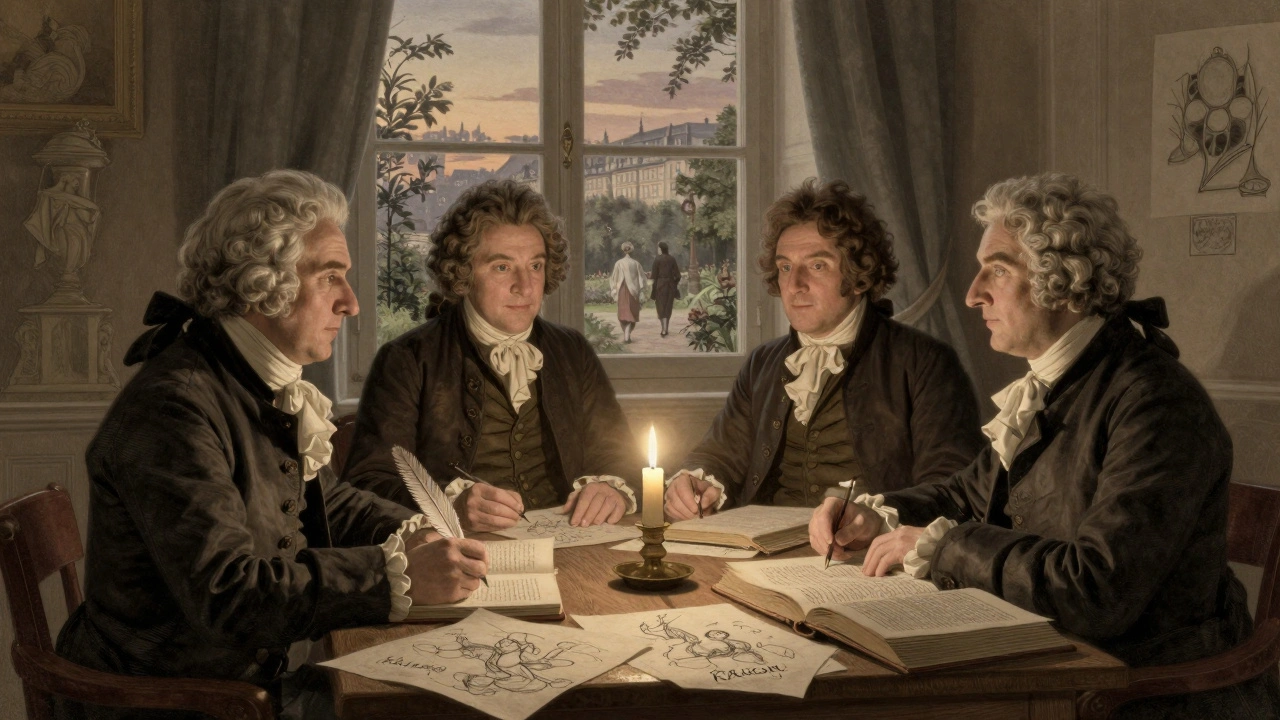
The Radical Edge: Sade and the Limits of Freedom
Not everyone agreed on where this new freedom should lead. The Marquis de Sade took Enlightenment ideas to their most extreme point. He didn’t just say sex should be private. He said it should be free-no rules, no guilt, no limits. He argued that women had been trapped by the idea that their only purpose was reproduction. He wanted them free-not just from marriage, but from the very definition of womanhood tied to motherhood. Sade’s writings were banned. He was locked away. But his ideas weren’t ignored. He forced people to ask: if we’re free to choose, how far does that freedom go? Is consent enough? What if one person’s freedom harms another? These questions didn’t end with Sade. They live on in today’s debates about power, consent, and equality.From Philosophy to Practice: Birth Control and Women’s Rights
The Enlightenment didn’t change things overnight. But it planted the seeds. By the 1800s, those seeds were sprouting. Margaret Sanger didn’t just want women to have sex. She wanted them to control when-and if-they had children. She fought to make birth control legal. Not because she wanted promiscuity. Because she wanted women to be free from the constant risk of pregnancy. That was the real breakthrough: linking sexual freedom to bodily autonomy. This was the next step in the Enlightenment project. If sex is a private matter, then the body is your own. No priest, no husband, no law should decide whether you can use contraception, have an abortion, or choose your partner. This idea didn’t come from the 1960s. It came from Voltaire and Diderot. It was just waiting for science to catch up.