Dual Prevention Strategy Builder
Select the methods you are currently using or considering to see your overall protection level. Remember: Dual Prevention means addressing both pregnancy and STIs simultaneously.
Pregnancy Prevention
STI Prevention
Current Protection Analysis
Think about the last time you discussed birth control. Most people focus on one thing: avoiding an unplanned pregnancy. But there is a massive gap in that conversation. While a pill or an IUD might be nearly perfect at stopping a pregnancy, they do absolutely nothing to stop an infection. This is where the concept of dual protection is the simultaneous prevention of both unintended pregnancy and sexually transmitted infections (STIs) comes in. It is the realization that sexual health isn't a single goal, but two distinct battles fought with different tools.
The Tension Between Prevention Goals
Here is the frustrating part: the methods that are best at stopping pregnancy are often the worst at stopping STIs, and vice versa. If you rely solely on a highly effective contraceptive, you are essentially leaving the door wide open for infections. Conversely, the methods that block bacteria and viruses aren't always the most reliable way to prevent a baby.
For a long time, public health experts talked about "dual use," which just meant using two things at once. Later, it shifted to "dual protection," which focused on the outcomes. Today, many prefer the term "dual prevention." Why the change? Because "dual prevention" moves the focus away from just "using a condom" and toward the actual goal: making sure you don't end up with an unplanned pregnancy or a lifelong infection. It's about the outcome, not just the tool.
Comparing the Tools of the Trade
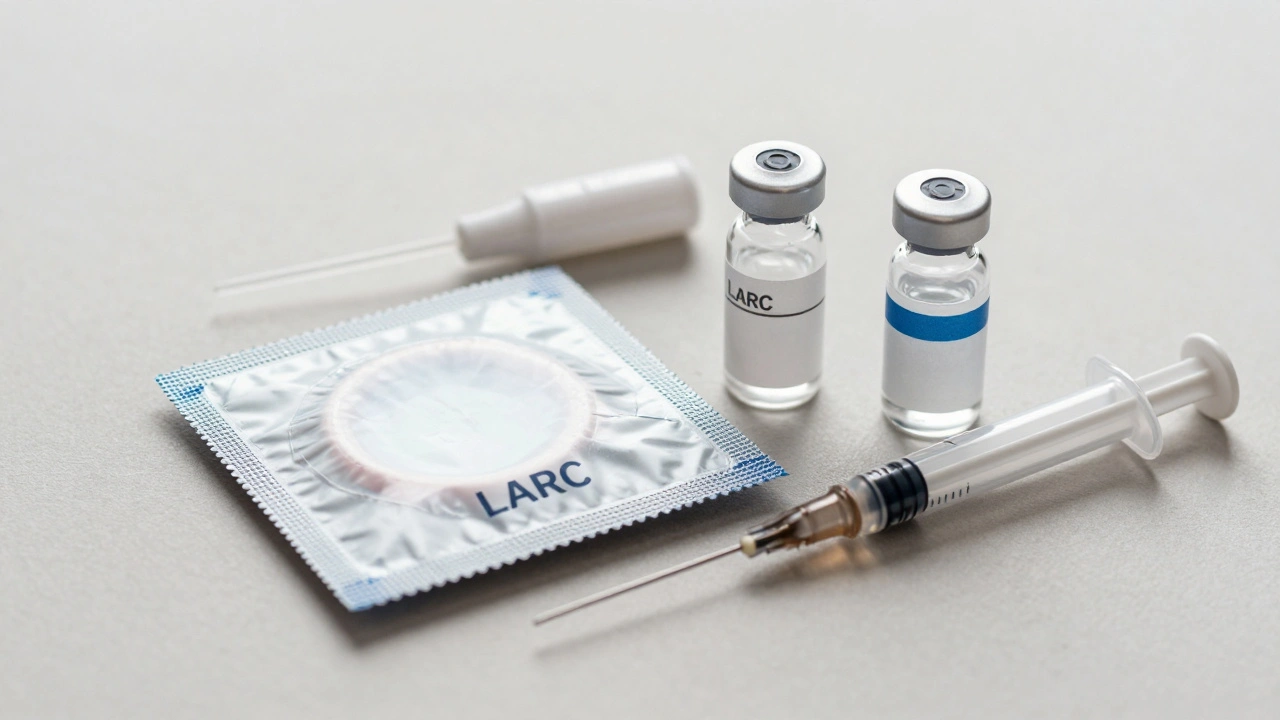
To get this right, you have to understand what each tool actually does. A Long-Acting Reversible Contraception (LARC), such as an IUD or an implant, is a powerhouse for pregnancy prevention. However, these devices provide zero barrier against pathogens. On the other hand, Condoms serve as a physical wall. While they are the only contraceptive that addresses both goals, they have a higher "typical use" failure rate than hormonal methods.
| Method | Pregnancy Prevention | STI Prevention | Reliability (Typical Use) |
|---|---|---|---|
| LARC (IUD/Implant) | Extremely High | None | Very High |
| Condoms | Moderate | High | Moderate (13% failure rate/year) |
| Oral Contraceptives | High | None | High |
| Abstinence | Absolute | Absolute | Absolute |
How to Actually Implement Dual Protection
Since no single method (besides abstinence) is perfect at both, the smartest strategy is to layer your defenses. Think of it like wearing a seatbelt and having an airbag; you want both for maximum safety. If you aren't in a mutually monogamous relationship, relying on just one method is a gamble.
A gold-standard approach for dual prevention usually looks like this:
- Primary Pregnancy Shield: Use a highly effective method like an IUD, a hormonal implant, or the Depo-Provera injection.
- Primary STI Shield: Use external or internal condoms every single time.
- Additional Biological Shields: Get vaccinated. The HPV vaccine and Hepatitis B vaccine provide long-term protection that condoms can't fully guarantee.
- Medical Intervention: For those at high risk for HIV, PrEP (Pre-Exposure Prophylaxis) is a game-changer, providing a chemical barrier that supplements physical ones.
The Risks of Ignoring Dual Protection During Pregnancy
There is a dangerous myth that once you are pregnant, you no longer need to worry about sexual health because you've already "failed" at pregnancy prevention. This couldn't be further from the truth. Pregnancy does not protect the mother or the fetus from STIs. In fact, an untreated infection during pregnancy can lead to severe complications.
Bacterial infections like Chlamydia and Gonorrhea can cause premature labor-specifically before 37 weeks of gestation-which is a leading cause of infant death. While these are curable with antibiotics that are generally safe for the baby, they must be caught early. Viral infections are more complex. HIV and genital herpes have no cure. However, antiviral medications can reduce the risk of transmitting HIV to a baby to less than 1%. In some cases, a cesarean section is necessary to avoid neonatal infection if the mother has active herpes at the time of labor.
Moving Toward the Future of Prevention
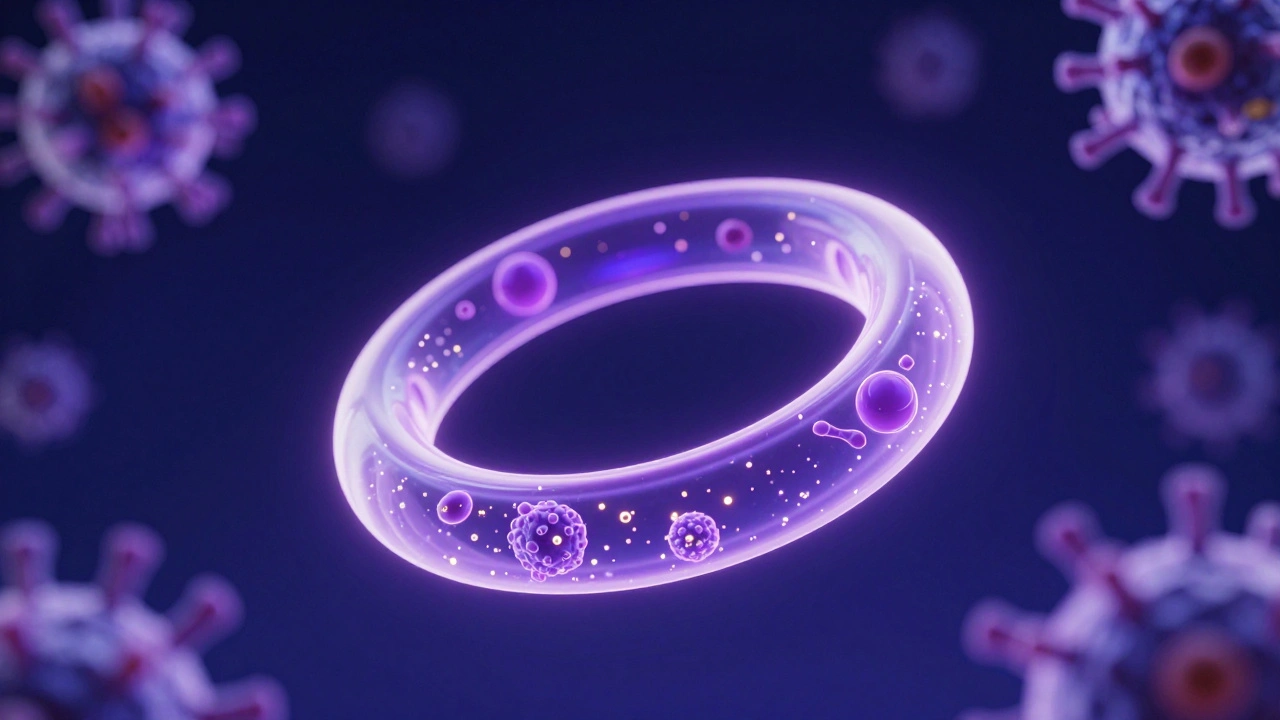
The medical community knows that asking people to juggle three or four different methods is a big ask. That is why researchers are working on multipurpose prevention technologies. Imagine a single vaginal ring that contains both the hormones needed to prevent pregnancy and the medication (like PrEP) needed to block HIV. These are still in the development stages, but they represent the ultimate goal of dual prevention: one tool that handles everything.
Until those technologies hit the market, the responsibility falls on the individual to be proactive. Don't assume your partner is "clean," and don't assume your birth control pill is a shield against everything. The most effective way to stay healthy is to combine a high-efficacy contraceptive with a consistent barrier method and regular testing.
Can I rely on condoms alone for dual protection?
While condoms are the only method that prevents both pregnancy and STIs, they have a higher failure rate with "typical use" (about 13% in the first year) compared to hormonal methods. For the best protection, it is recommended to use a condom in combination with another highly effective contraceptive like an IUD or the pill.
Do IUDs or implants protect me from STIs?
No. IUDs and implants are incredibly effective at preventing pregnancy, but they provide no barrier against bacteria or viruses. In some cases, some hormonal contraceptives may even be associated with an increased risk of acquiring certain infections because they don't provide the protection that a condom does.
Why should pregnant women get tested for STIs?
Pregnancy does not offer any protection against STIs. Untreated infections can lead to premature birth, uterine infections after delivery, and transmission of the infection to the newborn. Since many STIs are asymptomatic, the CDC recommends that pregnant women actively request testing from their healthcare providers.
What is PrEP and how does it fit into dual protection?
PrEP stands for Pre-Exposure Prophylaxis. It is a daily medication that significantly reduces the risk of contracting HIV. While it doesn't prevent other STIs or pregnancy, it is a critical part of a comprehensive dual prevention strategy for those at higher risk of HIV exposure.
What is the difference between "dual protection" and "dual prevention"?
"Dual protection" often focuses on the use of specific methods (like condoms). "Dual prevention" is a broader, goal-oriented term. It emphasizes the objective of preventing two different health outcomes-unintended pregnancy and STIs-using whatever combination of vaccines, tests, and contraceptives are most appropriate for the person.