Prosecution Risk Calculator
How likely are you to face prosecution?
Based on data from over 400 cases since Roe v. Wade was overturned, this calculator estimates the probability of criminal charges based on key factors.
Your Risk Assessment
- Income Level Low income: 35% higher risk
- Substance Use Substance use: 25% higher risk
- State Alabama/Oklahoma: 30% higher risk
- Pregnancy Outcome Miscarriage: 20% higher risk
Since the Supreme Court overturned Roe v. Wade in June 2022, something unexpected has happened in courthouses across the U.S. Prosecutors aren’t just going after doctors who perform abortions. They’re going after pregnant people - mothers, women, and others carrying pregnancies - for actions that were never crimes before. And the targets? Almost always low-income women of color.
Two years after Dobbs v. Jackson Women’s Health Organization, more than 412 people have been criminally charged in 16 states for pregnancy-related conduct. That’s more than four times the number of cases seen in the decade before Roe was overturned. And it’s not about abortion clinics. It’s about women who used drugs, had miscarriages, or ordered pills online. They’re being charged with child abuse, neglect, even homicide - all under laws meant to protect children, not punish pregnancy.
Who’s Being Prosecuted? The Numbers Don’t Lie
Alabama and Oklahoma are leading the charge. Together, they account for 304 of the 412 documented cases - nearly three out of every four. Alabama alone has filed 192 charges. Oklahoma, 112. Meanwhile, states like California and New Mexico, where abortion remains legal, have seen almost no prosecutions. This isn’t about enforcing laws. It’s about enforcing political beliefs.
Over 75% of those charged are low-income. Most rely on public defenders or Medicaid. They don’t have the money to hire lawyers who can fight these charges. They don’t have access to private healthcare that might protect them from suspicion. They’re the ones who go to community clinics, who can’t afford to travel to another state, who can’t hide their pregnancy from a system that’s now watching.
What Are They Being Charged With?
You won’t find many cases labeled "illegal abortion." In fact, only nine of the 412 cases involved direct abortion-related charges - like possessing abortion pills. The rest? Child abuse. Child endangerment. Neglect. Even homicide.
In Kentucky, a woman was charged with homicide after buying abortion pills online. The charges were later dropped, but she still faced two felony counts for endangering the fetus. Each carried up to five years in prison.
In Texas, a woman was charged with child neglect after her baby was born with traces of methamphetamine in its system. She had no prior criminal record. She’d never been in trouble before. But because she used drugs during pregnancy, prosecutors argued she endangered her child - even though the baby survived and is now healthy.
The legal trick here is simple: prosecutors don’t need to prove harm. In 378 of the 441 charges filed, there was no requirement to show the fetus or newborn was injured. Just the suspicion of substance use - even if the woman was in treatment - was enough to trigger prosecution.
Substance Use Is the New Crime
Two hundred sixty-eight of the 412 cases - more than two-thirds - were based solely on substance use during pregnancy. That’s not addiction treatment. That’s criminalization.
Women are being arrested for using alcohol, nicotine, or prescription painkillers - even when prescribed by a doctor. One woman in Wisconsin was charged after taking prescribed opioids for chronic pain. Her baby was born healthy. No harm. No injury. Still, prosecutors moved forward.
And it’s working. Prosecutors have secured convictions in over 85% of these cases without proving harm. Why? Because the laws don’t require it. They’re written to punish behavior, not outcomes. That’s dangerous. It turns pregnancy into a crime scene.
How Fetal Rights Laws Are Changing Everything
The Dobbs decision didn’t just take away abortion rights. It gave legal weight to the idea that a fetus is a person - from the moment of conception. This isn’t just theory. It’s now being used in courtrooms.
States like South Carolina are pushing bills that would define abortion as murder. If passed, a woman who has an abortion - even a self-managed one - could face life in prison. That’s not hypothetical. Lawmakers are drafting it as we speak.
Prosecutors are using this shift to justify actions they couldn’t have taken before. In Georgia, District Attorney Ryan Leonard told women to "prepare for the possibility" they could be prosecuted for having an abortion. He called it murder. That’s not a legal opinion. It’s a threat.
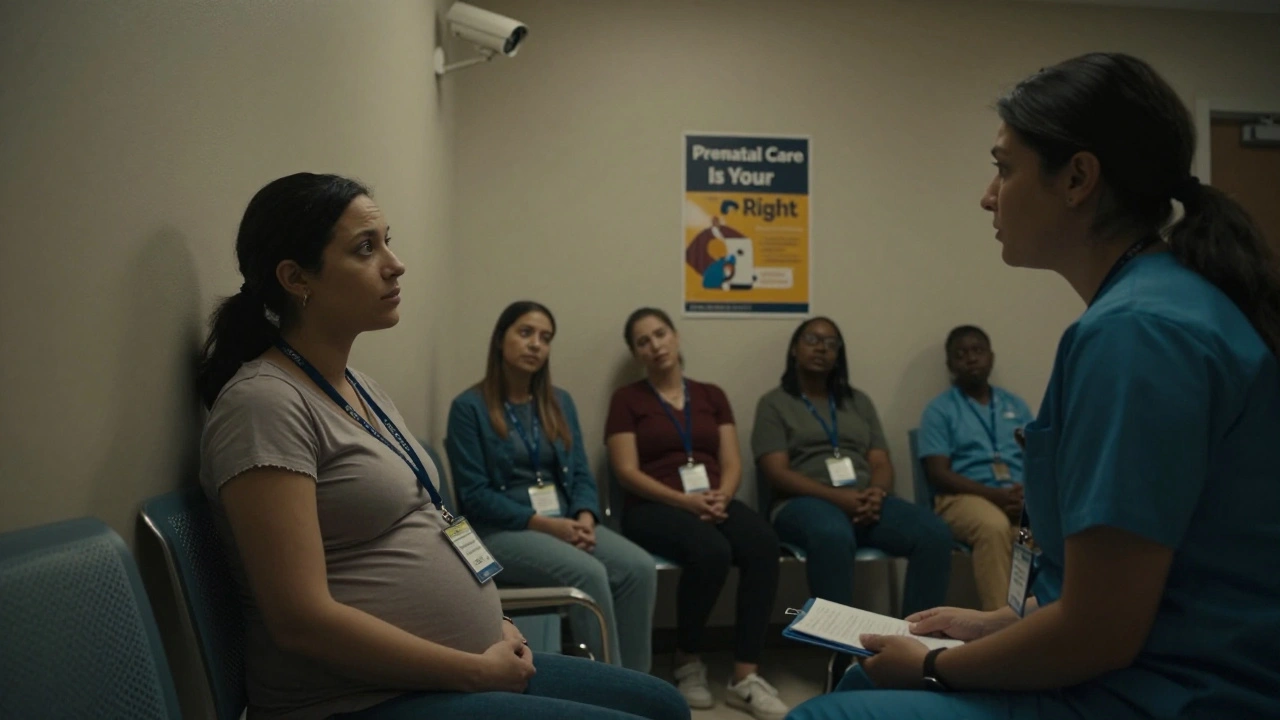
And it’s working. Women are avoiding doctors. Skipping prenatal care. Staying away from emergency rooms. Why? Because they’re scared. If you go to the hospital after a miscarriage, will they test your urine? Will they call the police? Will they assume you tried to end the pregnancy?
The Surveillance State Is Already Here
Prosecutors aren’t just relying on hospital reports. They’re using digital surveillance. Location data. Search history. Text messages. Phone records.
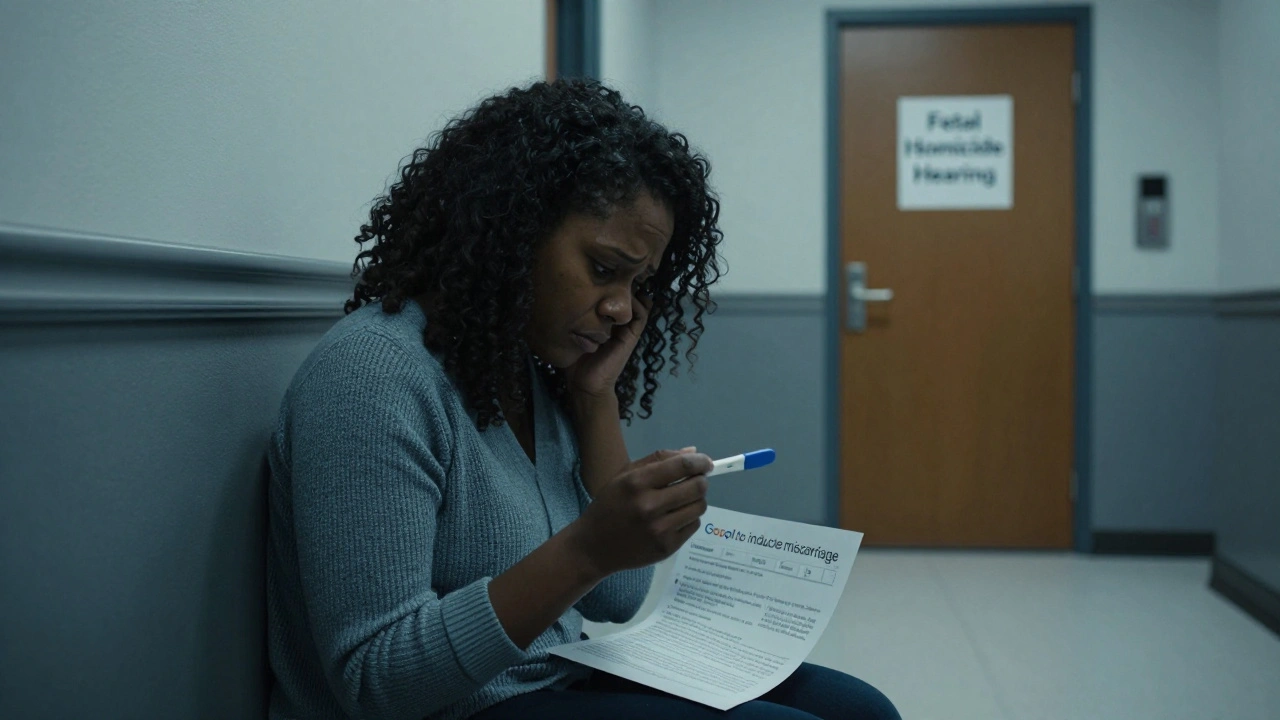
In one case in Mississippi, prosecutors subpoenaed a woman’s Google searches for "how to induce miscarriage." She had a miscarriage. She didn’t take anything. But her search history was enough to open a criminal case.
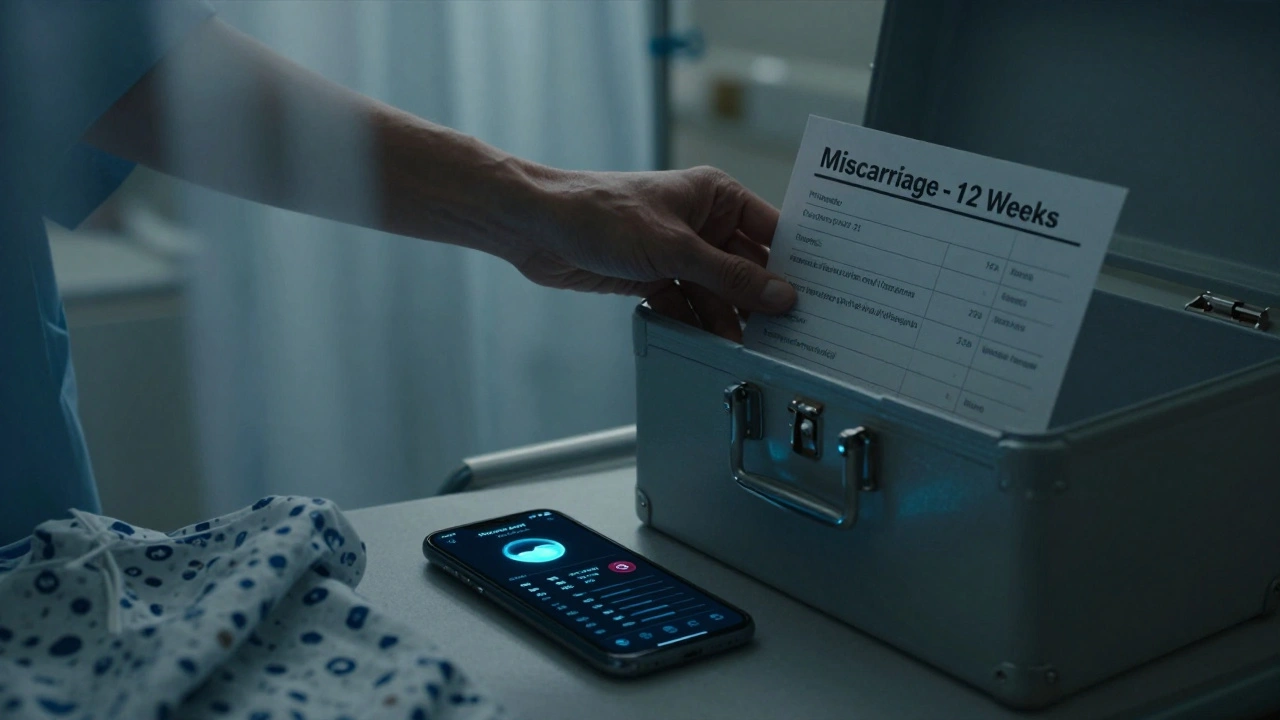
Health apps are now being used as evidence. A woman in Alabama was charged after her period tracker app showed she was pregnant - then later showed her period returned. Prosecutors used that data to argue she had an abortion.
This isn’t justice. It’s surveillance. And it’s targeting the most vulnerable.
Who’s Fighting Back?
Public opinion is turning. A survey by Pregnancy Justice and the National Women’s Law Center found that 77% of voters believe pregnant women should have their rights protected. Eighty-seven percent said women should get help for substance use - not jail.
Activists are pushing back. Lawyers are filing appeals. In Oklahoma, a judge dismissed a child endangerment case after ruling the state’s law was unconstitutionally vague. In Texas, a court blocked prosecutors from using pregnancy as evidence of neglect.
But the legal tide is still rising. More than 37 bills were introduced in 2025 alone to expand fetal rights. South Carolina’s new bill, introduced in early 2026, would make any abortion a first-degree murder charge - even if the woman didn’t know she was pregnant.
What’s Next?
Abortion pills are still being ordered. Women are still getting them. Mail-order networks, telehealth clinics, and underground networks are keeping access alive - even in states with total bans. But the risk is higher than ever. Every pill ordered online, every text message sent, every doctor’s visit - it’s all being watched.
And the punishment? It’s not just prison. It’s isolation. It’s fear. It’s a mother who won’t go to the hospital when her water breaks because she’s afraid they’ll call the cops.
This isn’t about protecting life. It’s about control. It’s about punishing women for choices they make in private. And it’s working - because the law doesn’t care if you’re guilty. It only cares if you’re poor.
Are women being prosecuted for having miscarriages?
Yes. In at least 31 of the 412 documented cases, women were charged after experiencing miscarriage, stillbirth, or neonatal death. Prosecutors claimed these outcomes resulted from substance use or attempts to end the pregnancy - even though medical experts say most miscarriages occur due to chromosomal abnormalities, not behavior. In Alabama and Texas, women have been charged with homicide or child endangerment after losing pregnancies they never intended to end.
Can you get arrested for buying abortion pills online?
Yes. While federal law allows mail-order mifepristone and misoprostol, state laws override that in places with abortion bans. In Kentucky, a woman was charged with homicide after ordering pills online. In Texas, a woman was charged with unlawful delivery of a controlled substance. Even though the pills are legal under federal law, prosecutors are using state laws to criminalize possession. No doctor’s involvement is needed - just the purchase and the pregnancy.
Why are low-income women targeted more often?
Low-income women are more likely to rely on public healthcare, which means their medical records are more easily accessed by law enforcement. They’re also more likely to be reported by hospital staff or social workers who fear liability. Private patients can pay to keep their care confidential. Those on Medicaid or without insurance don’t have that option. Plus, they can’t afford lawyers to fight charges. That makes them easy targets.
Do these prosecutions reduce abortion rates?
No. Abortion rates haven’t dropped because of prosecution - they’ve dropped because clinics closed. But women are still getting abortions, just through different channels. More are using pills ordered online or traveling to states where it’s legal. Prosecutions aren’t stopping abortion. They’re just making it more dangerous and more unequal.
Is this legal under the Constitution?
It’s being challenged in court. Legal experts argue that prosecuting pregnancy-related behavior violates the right to bodily autonomy, equal protection, and due process. Some courts have already dismissed cases, calling the laws too vague or overly broad. But until the Supreme Court or federal courts step in, state prosecutors are free to use these laws - and they are.