Ancient Sex Work Systems Comparison Tool
How Ancient Systems Differed
This comparison tool shows the differences between the actual historical evidence from Mesopotamia and Rome regarding sex work regulation based on the article content.
Note: This is based on current scholarly understanding from cuneiform tablets, legal codes, and archaeological evidence. It challenges common misconceptions about ancient sex work.
Ancient Mesopotamia
| Regulation & Taxation | |
|---|---|
| State-run brothels | × None documented |
| Special tax on sex work | × No evidence |
| Temple involvement | × No evidence for "sacred prostitution" |
| Legal codes mention | × Not mentioned in Code of Hammurabi |
| Social & Economic Impact | |
| Worker autonomy | ✓ Likely independent |
| Profit for third parties | × No evidence |
| Written records | × No documented transactions |
Ancient Rome
| Regulation & Taxation | |
|---|---|
| State-run brothels | ✓ Known as lupanaria |
| Special tax on sex work | ✓ Included in imperial tax system |
| Temple involvement | × None |
| Legal codes mention | ✓ Included in imperial laws |
| Social & Economic Impact | |
| Worker autonomy | × Limited (often slaves) |
| Profit for third parties | ✓ Brothel owners (lenones) profited |
| Written records | ✓ Prices, taxes, and regulations documented |
Why This Comparison Matters
The article explains that the concept of "sacred prostitution" in Mesopotamia is a myth created by later travelers and scholars. This comparison shows how easily historical misconceptions can develop when we project later systems onto earlier cultures. Rome had a formal brothel system with taxation, but Mesopotamia's economy was structured differently.
This tool helps visualize the key differences in historical evidence, showing why Mesopotamian sex work (if it existed) was likely a private, informal matter that left no economic traces—unlike the visible, regulated Roman system.
There were no state-run brothels in ancient Mesopotamia
Most people think ancient Near Eastern cities like Uruk or Babylon had organized brothels, temple prostitutes, and tax systems for sex work. That’s what you read in old books, hear in documentaries, and see in pop culture. But none of it’s true-at least not based on what the actual texts say. The idea of sacred prostitution, where women offered sexual services as part of religious rites, was never written into any Sumerian, Akkadian, or Babylonian law, temple record, or economic tablet. It was a myth created by Greek travelers centuries later and repeated by modern scholars who didn’t dig deep enough.
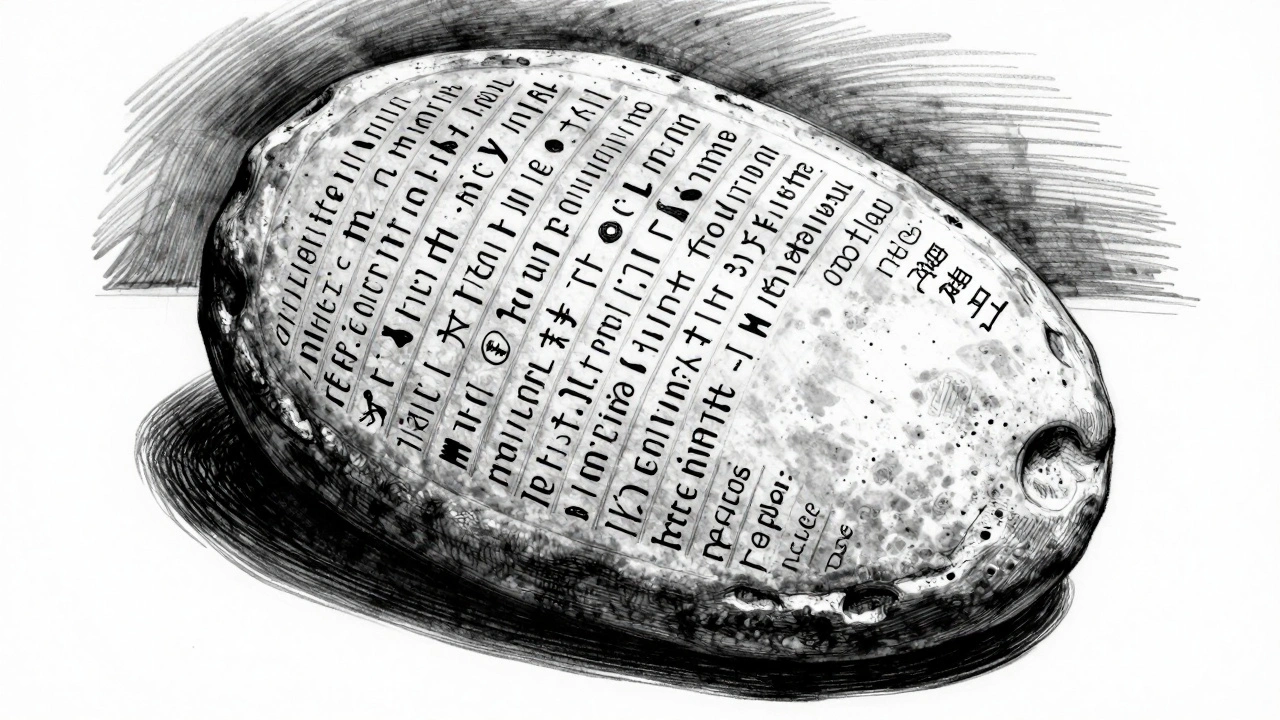
The truth? If sexual commerce existed in ancient Mesopotamia, it was quiet, informal, and treated like any other small business-no special laws, no temple permits, no taxes. No cuneiform tablet from 2500 BCE to 500 BCE mentions a brothel tax, a prostitution fee, or a regulated sex worker. Not one. Meanwhile, the same tablets record grain taxes, beer sales, wool prices, and slave trades in meticulous detail. If sex work had been a formal, taxable industry, we’d see it. We don’t.
What the texts actually say about temple women
The confusion started with the word qadishtu. In Sumerian and Akkadian texts, this term referred to women associated with temples-sometimes as priestesses, sometimes as servants, sometimes as independent women who lived near sacred spaces. For over a century, translators assumed qadishtu meant ‘sacred prostitute.’ But when Stephanie Budin analyzed over 2,000 years of Mesopotamian texts in the early 2000s, she found no evidence linking qadishtu to sexual activity. Not a single reference. No ritual descriptions. No payment logs. Just women who wore specific clothing, participated in festivals, or managed temple property.
The famous story from Herodotus about Babylonian women being required to sleep with a stranger once in their life? That’s pure fiction. Herodotus visited Babylon around 440 BCE and wrote what he heard-or what he wanted to believe. No Babylonian source ever mentions this practice. Not in royal decrees, not in temple accounts, not even in private letters. The same goes for the idea of three classes of temple women in Uruk. That structure was invented by 19th-century scholars who projected Greek and Roman models onto earlier cultures. The original cuneiform tablets don’t support it.
Sex work, if it existed, was invisible
That doesn’t mean people didn’t exchange sex for money. Of course they did. But in a society where every loaf of bread, every jar of oil, and every day of labor was recorded, silence speaks louder than speculation. If sex work had been a formal, taxed, or regulated trade, it would’ve appeared in the same legal codes that governed everything else. The Code of Hammurabi, with its 282 laws on everything from stolen oxen to broken teeth, says nothing about brothels, pimping, or sexual fees. Not a single clause. Compare that to Athens, where Solon set up state brothels in the 6th century BCE and taxed them. Mesopotamia didn’t. Why? Because it wasn’t necessary. It wasn’t seen as a public institution.
Think of it like street vendors selling fruit in a market today. No one needs a permit if they’re just setting up a mat on the corner. That’s probably how it worked in ancient Uruk or Nineveh. A woman, maybe widowed, maybe poor, maybe just looking for extra income, might have offered services privately. No sign. No landlord. No owner. No record. Just a transaction-cash, barter, or favor-done out of sight. No one bothered to write it down because it wasn’t considered economically significant.
Who made money from it? Probably no one
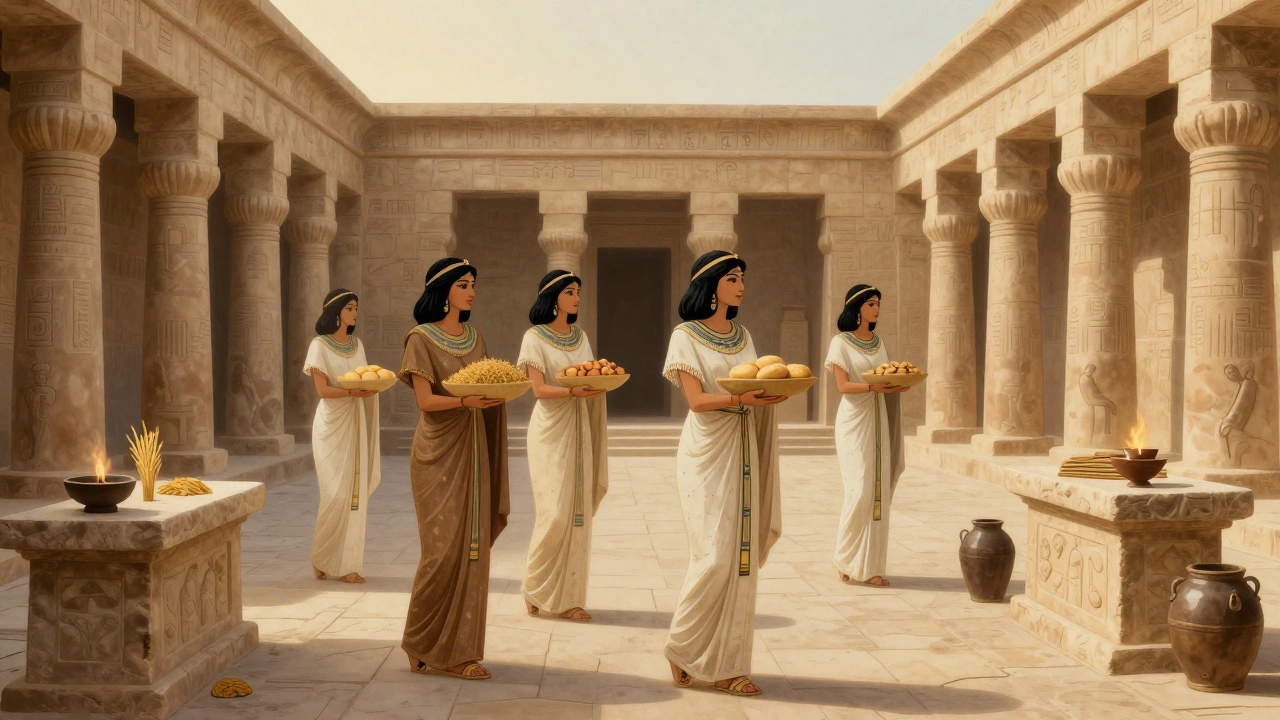
In Rome, brothel owners called lenones were wealthy entrepreneurs who bought slaves, set prices, and kept the profits. In Athens, state-run brothels funneled money into temple construction. But in Mesopotamia? There’s no evidence of anyone owning a brothel, managing a line of workers, or collecting a cut. No names of brothel keepers appear in economic texts. No property deeds for ‘sex work establishments.’ No loans taken out to buy ‘sex workers’ as assets. In a culture that documented slave sales down to the shekel, the absence of such records is telling.
Even if a woman did work as a sex worker, she likely kept her own earnings. No evidence suggests she was owned, controlled, or taxed by a third party. There’s no mention of a ‘prostitute’s fee’ paid to a temple, a guild, or a family. That’s different from other forms of labor in the ancient world, where guilds, temples, or rulers often took a share. In Mesopotamia, sex work-if it happened-wasn’t institutionalized. It was personal. And personal things don’t leave paper trails.
Why does the myth persist?
The idea of sacred prostitution is too convenient to let go. It fits a romantic, exoticized view of the ancient world-mysterious temples, divine rituals, sensual freedom. It makes for better stories than quiet, unrecorded transactions in alleyways. Early archaeologists and classicists wanted to believe Mesopotamia was more ‘exotic’ than Greece or Rome. So they read meaning into ambiguous words and filled gaps with imagination.
But modern scholarship has caught up. The same scholars who once taught that Ishtar’s temples were centers of ritual sex now admit: there’s no proof. The World History Encyclopedia, the Cambridge University Press, the Brynmawr Classical Review-all now state clearly that the concept of sacred prostitution in Mesopotamia is a modern invention. The texts don’t support it. The laws don’t mention it. The taxes don’t record it. And if you look at the economic structure of the time, you realize: why would a temple need to tax sex? Temples already got grain, wool, and livestock as offerings. They didn’t need cash from sex workers.
What we can say for sure
We can say that Mesopotamian cities were complex, commercial, and highly regulated in most economic areas. We can say that women held positions of influence in temples, ran businesses, and owned property. We can say that poverty existed, and survival sometimes meant doing things that weren’t recorded.
But we cannot say that brothels were taxed. We cannot say that temple prostitutes were a formal class. We cannot say that anyone profited from regulating sex work. The economic reality was simpler: if someone exchanged sex for goods or money, it was a private act. No government cared enough to track it. No temple claimed it as divine duty. No law punished or protected it.
The ancient Near East didn’t have a brothel economy. It had people. And sometimes, people made choices that didn’t need to be written down.
What the Romans did differently
Fast forward a thousand years, and Rome had a very different system. Brothels-called lupanaria-were common, visible, and taxed. Owners were often former slaves or lower-class citizens who invested in sex work as a business. Prices were posted: one sestertius for a basic service, more for a favored worker. Prostitutes were required to register with the state and pay a tax, which went directly to the imperial treasury. Some brothels even had graffiti on the walls listing prices and services.
That’s the kind of system people imagine when they think of ancient sex work. But that’s Roman. Not Mesopotamian. And confusing the two is like assuming medieval European guilds operated the same way as ancient Sumerian markets. They didn’t. Time, culture, and governance changed everything.
Why this matters today
Getting this right isn’t just about fixing an old mistake. It’s about how we understand power, gender, and economy in the ancient world. If we assume sex work was always controlled, taxed, and institutionalized, we erase the possibility that women in Mesopotamia had more autonomy than we think-or that their economic choices were simply invisible to the state.
It also shows how easily myths become facts. The ‘sacred prostitution’ idea lasted over 150 years because it sounded plausible. But plausibility isn’t evidence. Real history comes from the tablets, not the stories.
Today, when we study ancient economies, we have to be willing to say: ‘We don’t know.’ And sometimes, the most honest answer is that something simply didn’t exist the way we imagined it did.