Interactive Primate Mating System Explorer
Select a species below to explore their unique reproductive strategies and social behaviors.
Gorillas
PolygynousChimpanzees
PromiscuousBonobos
Female-BondedHumans
Variable / Pair-BondedSelect a Species
Click on any species card above to learn about their social structure, fertility signaling, and competition strategies.
Social Structure
- ● Select a species to view details
Reproductive Strategy
- ● Select a species to view details
Key Evolutionary Features
Human testis size is intermediate between chimpanzees and gorillas, suggesting a mixed evolutionary history of both sperm competition and pair-bonding.
Why do we have sex? It seems like a simple question, but for billions of years, it was one of evolution’s biggest puzzles. Asexual reproduction is efficient. You just split in two or bud off a copy, and you’re done. No finding a partner, no risk of disease, no wasted energy. Yet, almost every complex life form on Earth-from the tiniest protist single-celled eukaryotes that represent some of the earliest forms of sexual life to humans-engages in sexual reproduction. This article traces that long, winding path from single cells dividing in ancient oceans to the complex social and biological landscape of human sexuality today.
Key Takeaways
- Sex is ancient: Sexual reproduction likely evolved over 1 billion years ago in early eukaryotes to repair DNA and fight parasites.
- Males and females are a later innovation: The split into sperm and eggs (anisogamy) happened hundreds of millions of years after sex itself began.
- Human sexuality is unique: Unlike most primates, humans have concealed ovulation, continuous receptivity, and menopause, which shape our social bonds.
- Biology meets culture: While our roots are biological, human mating systems are heavily influenced by culture, economics, and individual choice.
The Ancient Origins: Why Sex Evolved at All
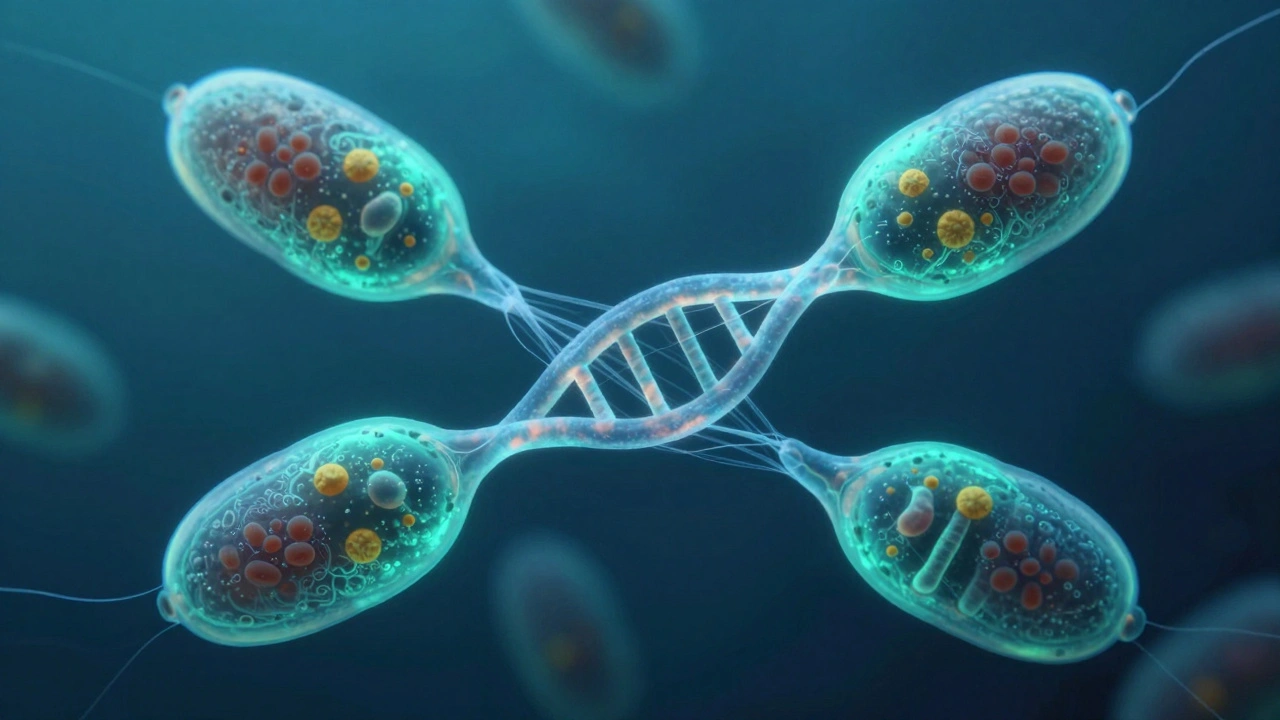
To understand human sexuality, we have to go back way before humans existed. We need to look at protists microscopic, single-celled organisms that were among the first to evolve sexual reproduction. These tiny creatures lived in the oceans roughly 1.2 to 2 billion years ago. They didn’t have mates in the way we think of them. Instead, they exchanged genetic material through a process called meiosis a type of cell division that reduces chromosome number by half, creating gametes for sexual reproduction.
So, why did this complicated process evolve? Biologists have proposed several theories. One leading idea is the Red Queen hypothesis an evolutionary theory suggesting species must constantly adapt to survive against co-evolving enemies like parasites, named after the character in Alice in Wonderland who says you have to run as fast as you can just to stay in place. In nature, hosts and parasites are locked in an arms race. Parasites evolve quickly to infect common host genotypes. By mixing genes through sex, hosts create new, rare genetic combinations that parasites haven’t figured out yet. It’s a survival strategy.
Another theory is the DNA repair hypothesis. Early life faced high levels of radiation and chemical damage. Sexual recombination allows cells to use a healthy strand of DNA from another cell to repair broken strands. Think of it like having a backup copy of a document. If your version gets corrupted, you can compare it with someone else’s to fix the errors. This mechanism persists in our cells today, long after the initial environmental pressures faded.
From Equal Gametes to Males and Females
In those early protists, there were no males or females. There was only isogamy a form of sexual reproduction where gametes are similar in size and morphology, lacking distinct male and female roles, where two cells of roughly equal size would fuse. The distinction between "male" and "female" came much later, during the transition to multicellular life.
This shift is known as the evolution of anisogamy the production of two different types of gametes, typically small mobile sperm and large nutrient-rich eggs. Evolutionary game theory suggests that once some cells started producing smaller, more numerous gametes to increase the chances of finding a partner, others responded by producing larger, nutrient-rich gametes to ensure the survival of the resulting zygote. This disruptive selection created a stable divide: sperm (small, many, mobile) and eggs (large, few, stationary).
This binary system became dominant in animals and plants, but it’s not universal. Some fungi have thousands of mating types, and many protists still switch between sexual and asexual phases depending on conditions. This diversity reminds us that the male/female binary is just one successful strategy among many, not a rigid biological default for all life.
The Primate Connection: How Our Ancestors Loved
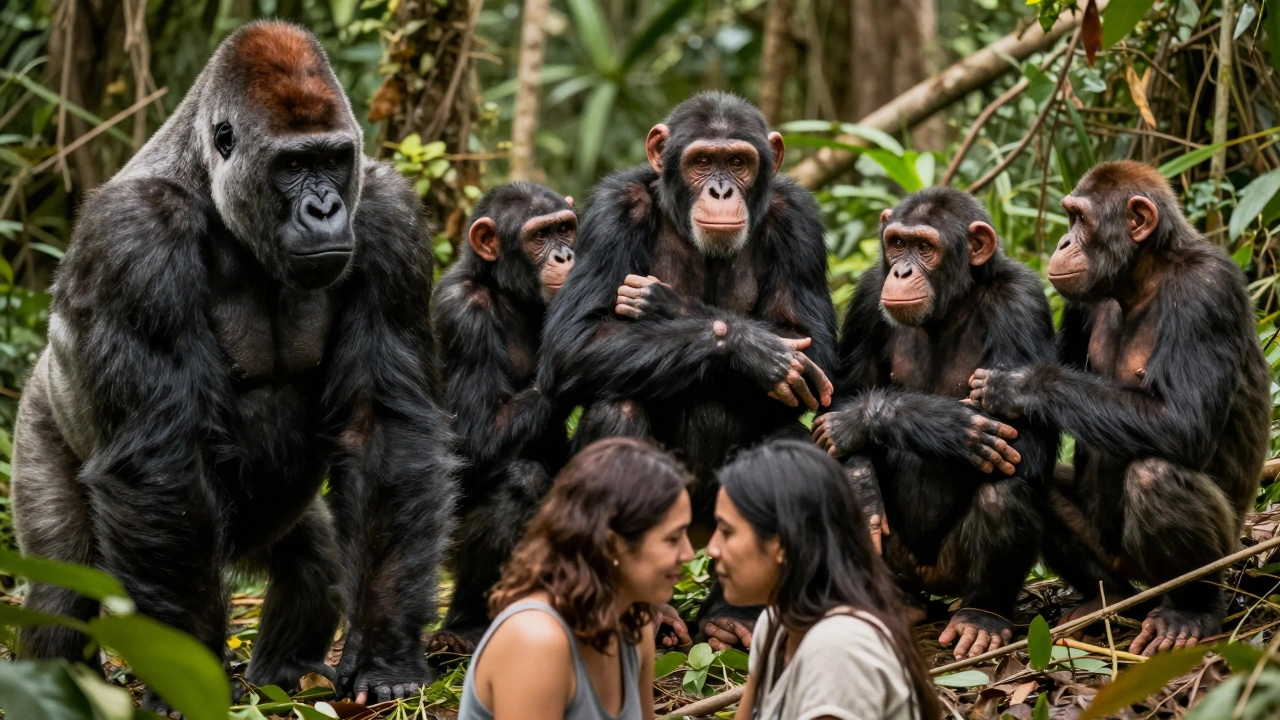
Fast forward to the primate lineage. Humans share a common ancestor with chimpanzees and bonobos about 6 to 7 million years ago. Understanding these close relatives helps us decode our own evolutionary history.
Chimpanzees live in multi-male, multi-female groups with promiscuous mating. Females display visible estrus swellings to signal fertility. Gorillas, on the other hand, practice polygyny, where one dominant male holds a harem of females. But then there are the bonobos. Bonobos are famous for their sociosexual behavior. They use sex not just for reproduction, but for greeting, conflict resolution, and bonding. Female bonobos often form strong alliances through genital rubbing, giving them significant power in their society.
Where do humans fit? We don’t fit neatly into either box. Our sexual dimorphism-the difference in size between males and females-is modest. We are much less dimorphic than gorillas (where males are twice the size of females) but slightly more so than bonobos. Our testis size is intermediate between chimps and gorillas, suggesting a history of both some sperm competition and pair-bonding. This points to a mixed mating strategy in our ancestors, involving both short-term and long-term partnerships.
| Species | Social Structure | Fertility Signaling | Male-Male Competition |
|---|---|---|---|
| Gorillas | Harems (Polygynous) | Subtle | High (Physical strength) |
| Chimpanzees | Promiscuous Groups | Visible Swellings | Medium (Sperm competition & alliances) |
| Bonobos | Female-Bonded Groups | Subtle | Low (Sex used for tension reduction) |
| Humans | Variable (Often Pair-Bonded) | Concealed Ovulation | Medium (Status, resources, sperm) |
Uniquely Human Traits: Concealment and Menopause
If you look closely at human reproductive biology, three features stand out as unusual among primates. First, we have concealed ovulation the lack of obvious physical signs of fertility in human females, unlike the visible swellings seen in many other primates. Most female primates advertise when they are fertile. Human women do not. We have subtle cues, like slight changes in body odor or facial attractiveness, but nothing obvious. Why?
One theory is the paternal investment hypothesis. If a man doesn’t know exactly when a woman is fertile, he might stick around longer to ensure paternity. This promotes long-term pair bonding and sustained male provisioning, which was crucial for raising highly dependent human infants. Another theory suggests that concealing ovulation reduces infanticide risk. If multiple men think they might be the father, they are less likely to kill an infant.
Second, humans have continuous sexual receptivity. We can have sex throughout the menstrual cycle, not just during ovulation. This fosters emotional bonding and social cohesion beyond mere reproduction.
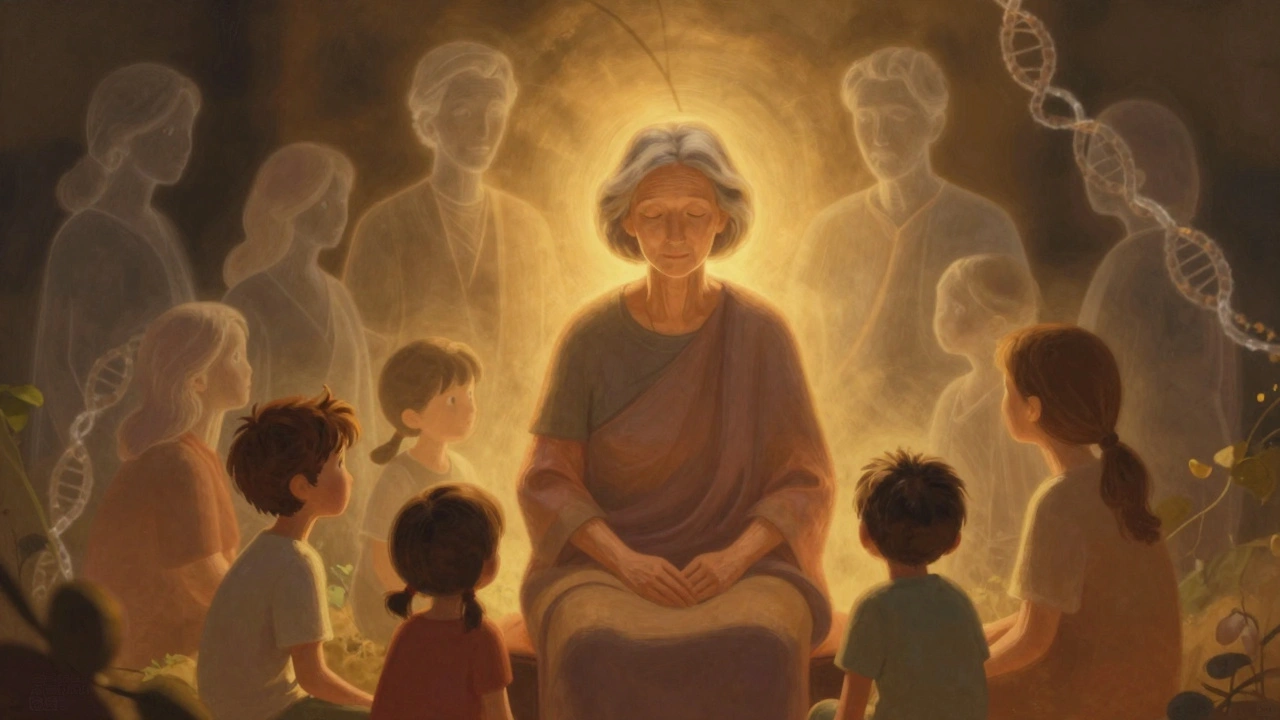
Third, we have menopause the natural cessation of menstruation and fertility in human females, typically occurring between ages 45-55. Very few mammals experience this. The "grandmother hypothesis" suggests that stopping reproduction allows older women to invest their energy in ensuring the survival of their existing grandchildren, rather than risking dangerous births late in life. Studies show that the presence of grandmothers significantly increases child survival rates in traditional societies.
Parental Investment and Social Structures
Robert Trivers’ theory of parental investment explains much of human sexual psychology. In humans, the minimum investment required from a female is huge: nine months of pregnancy, lactation for up to two or three years, and a childhood dependency period lasting over a decade. Because women invest so much, they tend to be choosier about mates. Men, whose minimum investment is lower, compete for access to women.
However, because human children require so much care to survive, fathers who provide food and protection give their offspring a massive advantage. This favors pair-bonding. Anthropological data shows that while many societies allow polygyny (one man, multiple wives), strict monogamy is common, and in many polygynous societies, only wealthy or high-status men actually have multiple wives. For the average man, monogamy is the norm.
This biological foundation is overlaid with immense cultural variation. Marriage structures range from monogamy to polyandry (one woman, multiple husbands) to group marriages. Gender roles are shaped by economics, religion, and history. Biology provides the hardware, but culture writes the software.
Genetics and Diversity
Modern genetics has debunked the idea of a single "gay gene" or a simple biological determinant for sexual orientation. Large-scale studies, such as those by Ganna et al. (2019), show that sexual behavior is influenced by thousands of genetic variants, each with a tiny effect. Environment, development, and epigenetics play huge roles.
Furthermore, human genetic diversity is low compared to other species. About 85-90% of genetic variation exists within populations, not between them. This means that biological differences between groups are minor. Attempts to use biology to justify racial or gender hierarchies are scientifically unsound. Our shared ancestry is far more significant than our differences.
Conclusion: A Complex Tapestry
Tracing the roots of human sexuality from protists to people reveals a story of adaptation, complexity, and diversity. Sex evolved to repair DNA and fight parasites. Anisogamy created the male/female divide. Primate heritage gave us social bonding and pair-bonding tendencies. Unique human traits like concealed ovulation and menopause shaped our family structures. But ultimately, human sexuality is not determined by biology alone. It is a dynamic interplay between our ancient instincts and our modern cultures. Understanding this helps us appreciate the full spectrum of human relationships without reducing them to simplistic biological imperatives.
When did sexual reproduction first evolve?
Sexual reproduction likely evolved between 1.2 and 2 billion years ago in early eukaryotic protists. Evidence comes from the presence of conserved meiotic genes across diverse modern lineages.
Why is sex better than asexual reproduction?
While asexual reproduction is faster, sex creates genetic diversity. This helps populations adapt to changing environments, repair DNA damage, and resist evolving parasites and diseases (the Red Queen hypothesis).
Are humans naturally monogamous?
Humans are socially flexible. Biologically, we show traits of both pair-bonding and mild polygyny. Cultural norms largely determine whether a society practices strict monogamy, polygyny, or other structures.
What is concealed ovulation?
Concealed ovulation is the lack of obvious physical signs of fertility in human females. It may have evolved to promote long-term pair bonding and reduce infanticide risk by confusing paternity.
Does biology determine sexual orientation?
No single gene determines sexual orientation. It is a complex trait influenced by many genetic variants, hormonal factors during development, and environmental interactions.