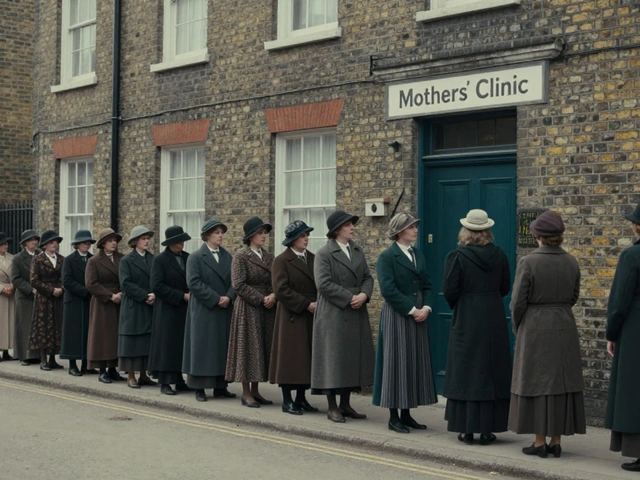
For decades, women were told that masturbation was unnatural, dirty, or even dangerous. Men? They were left alone with it. This isn’t just an old-fashioned idea-it’s a system. A system built on control, silence, and double standards that still shapes how women experience their own bodies today.
What Was Taught, and What Was Hidden
In the 1970s, Shere Hite surveyed over 3,000 women and found something shocking to the medical establishment: 70% needed direct clitoral stimulation to orgasm. Not vaginal penetration. Not intercourse. Clitoral touch. Yet, Freudian theory had spent decades claiming that vaginal orgasms were the only sign of a "mature" woman. That wasn’t science-it was control. Women’s pleasure was redefined as something broken, incomplete, or immature unless it matched male-centered norms. This wasn’t just in textbooks. It was in doctors’ offices, in church sermons, in TV shows. Women were taught that wanting pleasure was selfish. That touching themselves was a sign of instability or moral failure. Meanwhile, boys were told masturbation was normal, even healthy-something they’d grow out of or do in private. The message was clear: men’s sexuality was natural. Women’s was a problem to fix.The Shame That Still Lingers
A 2019 Canadian survey of 2,000 people showed women reported shame about masturbation at 6.2 out of 10. Men? 3.8. That gap hasn’t closed. It’s still there in the way women whisper about it. In the way they Google "how to orgasm" instead of asking a partner. In the way they apologize after saying "I need to touch myself"-as if it’s an inconvenience. Reddit threads tell the story. On r/TwoXChromosomes, thousands of women describe learning about their bodies through porn made for men. They mimicked positions they saw, thought penetration was the goal, and blamed themselves when they couldn’t climax. One woman wrote: "I didn’t know my clit was supposed to be touched until I was 25. I thought something was wrong with me." That’s not an anomaly. A 2022 survey by OMGYes found 63% of women first learned about clitoral stimulation by experimenting alone-not from school, not from parents, not from doctors. Just by trial, error, and guilt.The Orgasm Gap Isn’t Biological. It’s Cultural.
Here’s the hard truth: in heterosexual sex, 95% of men regularly orgasm. Only 65% of women do. That’s not because women’s bodies are harder to please. It’s because sex is still structured around male pleasure. Dr. Emily Nagoski’s dual control model explains it simply: women’s arousal is more sensitive to context. Stress. Shame. Feeling rushed. Worrying about being judged. All of those are "brakes"-and they’re turned up higher for women in partnered settings. But when women are alone? Those brakes ease. That’s why 32.7% more women reach orgasm through masturbation than with a partner. Dr. Kristen Mark calls it the "orgasm gap"-and she’s right. It’s not biology. It’s culture. It’s the expectation that women should be passive. That their pleasure is secondary. That their body’s response should serve someone else’s.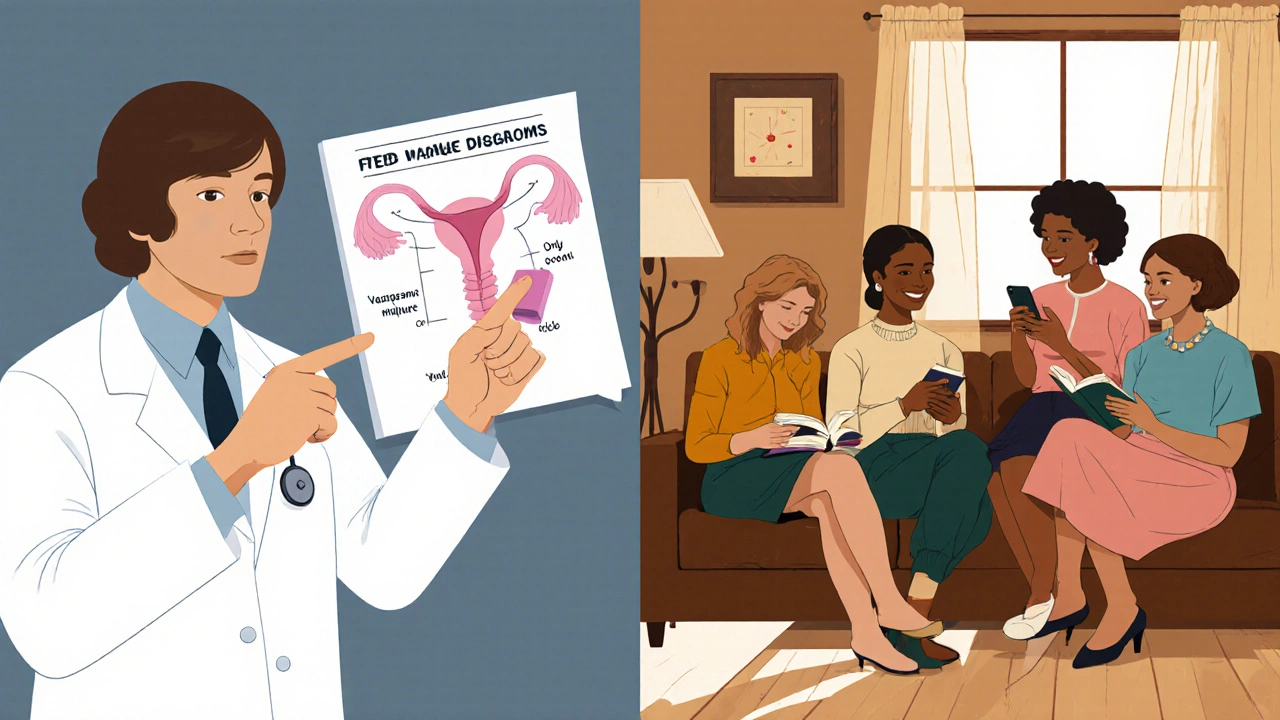
Who Gets to Talk About It?
Even in research, the conversation is narrow. A 2022 analysis of 85 studies found 89.4% focused on White women. 94.1% on cisgender women. 87.1% on heterosexual women. 92.9% on able-bodied women. 80% on women under 30. That means Black women, disabled women, queer women, trans women, older women-most of their experiences are invisible in the literature. And in real life? Black women in one study were 2.3 times more likely to feel shame about masturbation than White women. Bisexual women were 3.7 times more likely to be shamed by both straight and gay communities. The silence isn’t accidental. It’s selective. Only certain women’s voices are allowed to be heard. The rest? They’re told to stay quiet.What’s Changing-and What’s Still Blocked
Change is happening. Slowly. In the Netherlands, a national sex education reform in 2021 made masturbation part of the curriculum. Within two years, girls’ comfort talking about it jumped from 28% to 61%. In Sweden and the Netherlands, sexual wellbeing is now seen as a human right. WHO data shows a 32% drop in sexual dysfunction among young women there since 2017. In the U.S., things are patchy. Only 19% of medical schools teach anything meaningful about female sexual response. 76% of public schools still exclude masturbation from sex ed. Twelve states still have laws banning the sale of sex toys under 1873-era "obscenity" rules. And social media? Instagram banned the word "masturbate" until 2021. Even now, 37% of educational posts about female self-pleasure get removed. Meanwhile, TikTok’s #SexEd hashtag has over 4.2 billion views-mostly from women sharing what they learned on their own.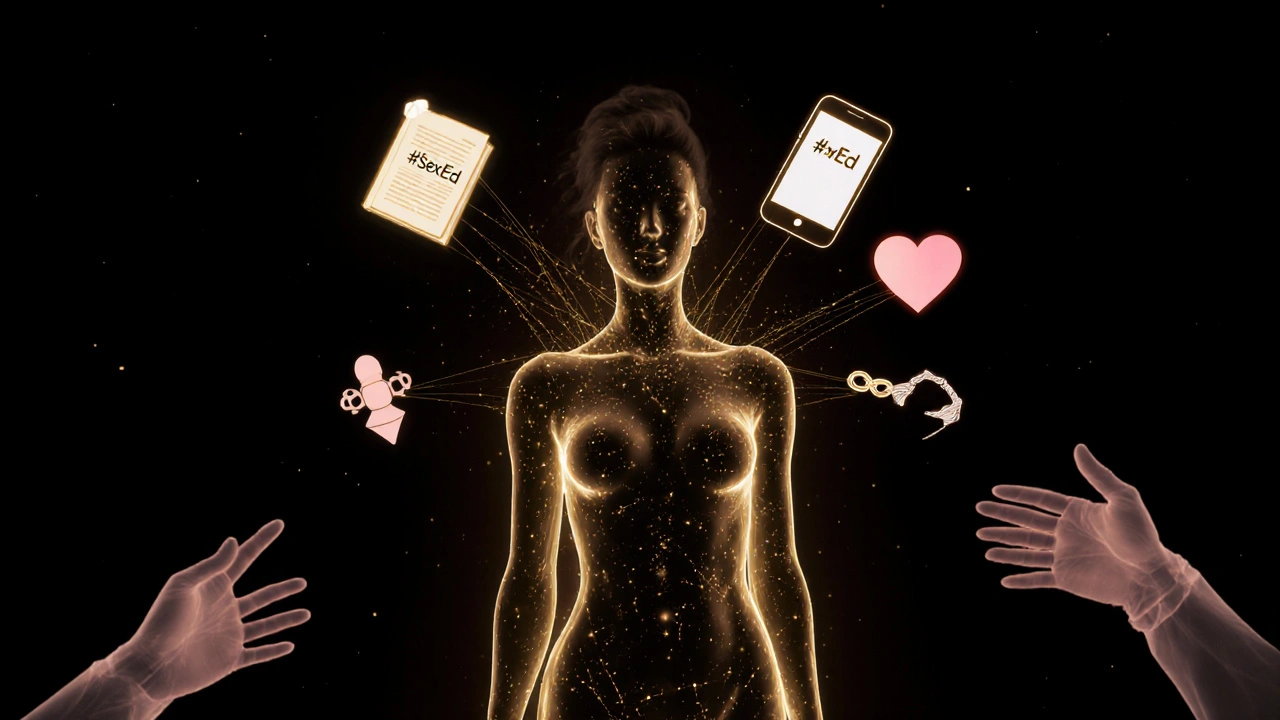
Tools of Autonomy
Vibrators aren’t just toys. For many women, they’re tools of liberation. The "Clit Health" Instagram community, with 147,000 followers, found that 82% of users who used vibrators became better at telling partners what they needed. One woman wrote: "I finally knew what felt good. I stopped apologizing for it." The global intimate wellness market is now worth $33 billion-and growing. But here’s the catch: only 2.3% of venture funding in this space goes to women of color, even though they make up 38% of U.S. women. The products are out there. The access isn’t. In 2024, the FDA approved the first device specifically designed for clitoral stimulation. Not for erectile dysfunction. Not for men. For women. That’s a milestone. But it took over 50 years of activism, research, and silence to get here.What Needs to Happen Next
Real change doesn’t come from individual empowerment alone. It comes from systems. Schools need to teach masturbation as part of sexual health-not as a taboo, but as a normal, healthy behavior. Doctors need training. Insurance needs to cover sex therapy. Laws need to be updated. Media needs to show women’s pleasure without shame. The "masturbation homework" prescribed by sex therapists increases women’s orgasm frequency by 44% in six months. That’s not magic. That’s data. It proves that when women are given permission, space, and knowledge, their bodies respond. And the #MyPleasureMyChoice campaign? It reached 187 million people in a year. 44% of participants said they felt more comfortable talking about masturbation after seeing others speak up. This isn’t about sex. It’s about power. Who gets to define pleasure? Who gets to feel safe in their own body? Who gets to say, "This is mine."It’s Not Just About Masturbation
When we talk about gendered narratives around self-pleasure, we’re really talking about who gets to be seen. Who gets to be heard. Who gets to feel whole. Women aren’t broken. They’ve just been taught to believe they are. The shift is happening. More women are naming their pleasure. More therapists are listening. More schools are teaching. More laws are changing. But the work isn’t done. Until every woman-regardless of race, class, ability, or identity-can touch herself without shame, without fear, without apology-we’re still living in the old story. The new one? It’s already being written. By women. Alone. In silence. Then out loud.Why is masturbation still stigmatized for women but not men?
Historically, women’s sexuality was controlled to maintain patriarchal structures-keeping women focused on reproduction, not pleasure. Masturbation was labeled as dangerous or immoral for women, while men’s was seen as natural or even necessary. Even today, cultural double standards persist: men are praised for sexual exploration, while women are shamed for it. Studies show women report nearly twice the shame and guilt compared to men, despite similar rates of behavior.
Is the orgasm gap real, and why does it exist?
Yes. In heterosexual sex, 95% of men regularly orgasm, but only 65% of women do. This gap isn’t biological-it’s cultural. Sex is often structured around male pleasure, with women expected to be passive. Women’s arousal is more sensitive to context: stress, shame, and performance pressure act as "brakes." When alone, those brakes lift, which is why 32.7% more women reach orgasm through masturbation than with a partner.
How does race affect women’s experiences with self-pleasure?
Women of color face compounded stigma. Black women in one study were 2.3 times more likely to report shame about masturbation than White women. This stems from historical stereotypes that pathologize Black female sexuality, lack of representation in sex education, and exclusion from mainstream sexual wellness marketing. Research on female masturbation has overwhelmingly focused on White, cisgender, heterosexual women-leaving others out of the conversation.
Why is masturbation education missing from schools?
76% of U.S. public schools exclude masturbation from sex ed curricula, often due to political pressure, religious objections, or discomfort among educators. Many states still enforce outdated laws from the 1873 Comstock Act that classify sex toys as obscene. Without education, women learn about their bodies through pornography-which is designed for men, not women-leading to confusion, shame, and unrealistic expectations.
Can therapy help women overcome shame around self-pleasure?
Yes. "Masturbation homework" prescribed by licensed sex therapists has been shown to increase women’s orgasm frequency by 44% in six months. Therapy helps women unlearn shame, explore their bodies safely, and reconnect with pleasure on their own terms. It also helps them communicate needs to partners, reducing the orgasm gap in partnered sex.
Are sex toys really helping women reclaim pleasure?
For many, yes. Vibrators and clitoral stimulators allow women to explore what feels good without pressure or judgment. One study found 82% of users became better at communicating sexual needs to partners after using them. But access isn’t equal-only 2.3% of funding in the sexual wellness industry goes to women of color founders, despite making up 38% of the U.S. female population.
What role do social media platforms play in changing these narratives?
Platforms like TikTok have become crucial spaces for education. The #SexEd hashtag has over 4.2 billion views, mostly from women sharing real experiences. But Instagram and other platforms still remove educational content about female masturbation, labeling it as "inappropriate." This censorship reinforces shame, while grassroots creators fight back by sharing anatomy, techniques, and stories that mainstream media ignores.
Is the U.S. making progress on gendered pleasure norms?
Slowly. The FDA’s 2024 approval of the first clitoral stimulation device marks a major shift-finally recognizing female pleasure as medically valid. States like Sweden and the Netherlands have integrated masturbation into national sex ed with measurable success. But 27 U.S. states introduced bills in 2023-2024 to restrict sex education further. Progress is real, but it’s uneven and under threat.