When you think of ancient Greek and Roman farming, you probably picture men plowing fields, women harvesting grain, and gods watching over it all. But beneath the surface of these simple scenes was a far deeper idea - one that tied the land’s fertility directly to the bodies and roles of women, especially wives. It wasn’t just about planting seeds. It was about sexuality, marriage, and the hidden power women held in keeping the harvest alive.
The Earth Was a Woman - And So Were the Gods
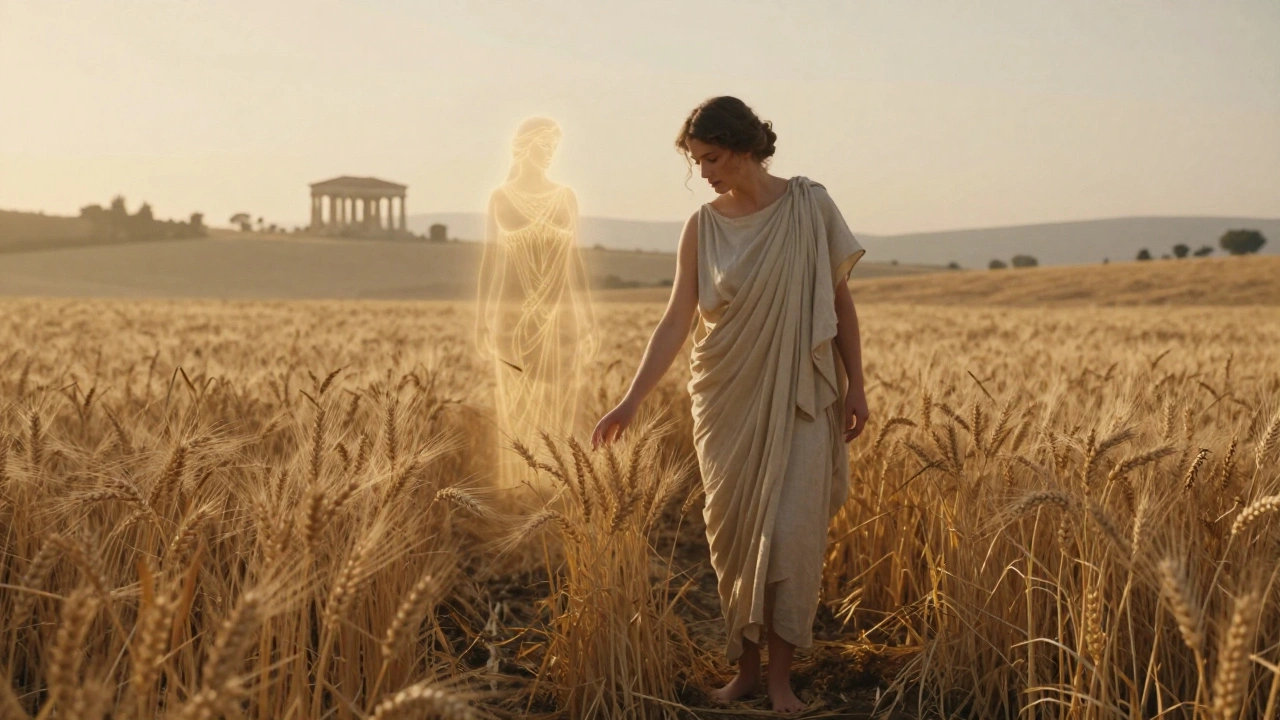
In both Greek and Roman worlds, the land didn’t just grow crops. It was alive. It breathed. It felt pain. And it was female. The goddess Demeter in Greece, and her Roman twin Ceres, weren’t just symbols of harvest. They were the living force behind every stalk of wheat, every ripe fig, every loaf of bread. Their power wasn’t distant or abstract. It was physical, bodily, and deeply tied to reproduction. Ceres’ name comes from the Latin word crescere - to grow. That’s not poetic. That’s literal. The goddess wasn’t just in charge of farming. She was growth. And when she grieved, the earth stopped growing. When she was happy, the fields overflowed. This wasn’t myth as metaphor. It was how people understood the world.The Story That Explained Everything
The most powerful story linking female sexuality to agriculture was the abduction of Persephone (Proserpine in Rome). She was Demeter’s daughter, a young goddess of spring. One day, Pluto, god of the underworld, took her as his bride. Demeter, heartbroken, stopped all growth. Crops withered. Famine spread. The world froze. Eventually, a deal was made: Persephone would spend part of the year with Pluto, part with her mother. When she returned to the surface, spring came. When she left, winter took over. This wasn’t just a story about seasons. It was about marriage. About loss. About a woman’s body becoming the pivot between life and death, abundance and scarcity. In this myth, Persephone didn’t just get taken. She ate pomegranate seeds in the underworld. One bite. That’s all it took to bind her forever. Eating = sexual union. Binding = fertility. The moment she consumed, she became part of another world - and her body became the reason the earth cycled.Wives as the Hidden Cultivators
No ancient text says, “Wives are the cultivators of the land.” But if you look at how society worked, the connection is impossible to ignore. Men owned the land. Men held the plow. But women - especially wives - were the ones who turned grain into bread, stored seed for next year, tended the hearth where food was cooked, and raised children who would farm the next generation. In Roman homes, the wife managed the domus - the household. That included grain storage, bread-making, and even the care of livestock. These weren’t chores. They were sacred acts. The goddess Hestia, who presided over the hearth, was always shown beside Demeter. The hearth wasn’t just a place to cook. It was the center of life. Bread was life. And bread came from grain - grain that women processed, ground, and baked. So while men worked the fields, women made the harvest usable. They turned raw fertility into daily survival. This is where the metaphor becomes real. A wife didn’t just support her husband’s farming. She completed it. Her body - through childbirth, breastfeeding, and domestic labor - mirrored the land’s cycles. Her menstrual cycle was linked to the seasons. Her pregnancy to the planting season. Her nursing to the harvest. The land didn’t grow because of the plow. It grew because of the woman who ensured the seed lived - in her body, in her home, in her hands.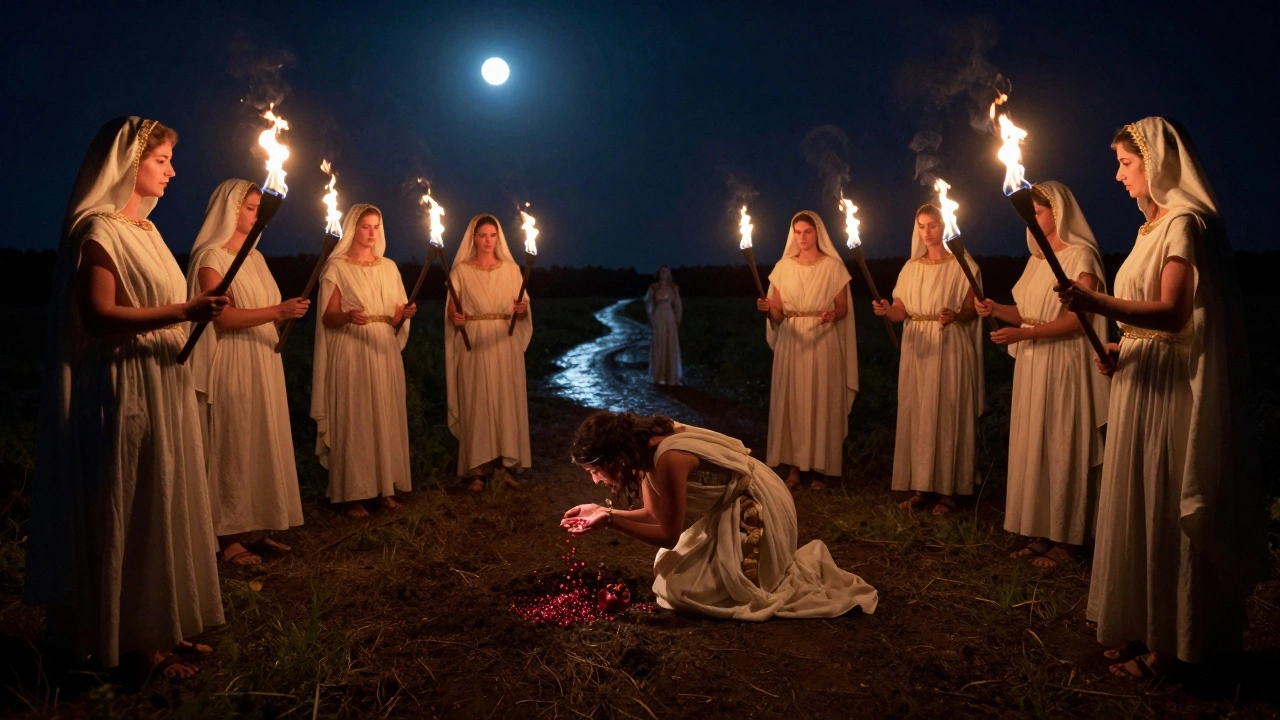
Festivals That Tied Sex to Soil
The Romans didn’t just tell stories. They acted them out. Every April, they celebrated the Cerealia - a festival for Ceres. Women lit torches, danced, and offered grain. In late May came the Ambarvalia, a ritual where farmers walked around their fields with sacrificial animals, asking the gods for fertility. These weren’t just prayers. They were performances of belief. At the heart of these rituals were women. Priestesses of Ceres were often married women. They carried sacred objects. They led processions. They chanted. They were the living bridge between the divine and the dirt. In some rites, women would symbolically “marry” the land - touching the soil with their bodies, whispering to it, blessing it with their presence. The Eleusinian Mysteries in Greece were even more intense. These secret rites, open only to initiates, involved reenactments of Demeter and Persephone’s story. Participants were promised rebirth - not just after death, but in this life. The secret? Fertility was sacred. And it was tied to female sexuality. Women didn’t just participate. They led. They held the knowledge. They were the keepers of the cycle.Empresses Wore Crowns of Grain
By the time of the Roman Empire, this metaphor had become political. Emperors and empresses were called “Augusta mater agrorum” - the august mother of the fields. Empresses wore the corona spicea, a crown made of wheat ears. This wasn’t decoration. It was a claim. The emperor ruled the empire. But the empress, through her femininity, ensured its survival. When famine struck, Rome didn’t just send grain ships. They built temples to Ceres. They gave her statues in the Forum. They made her the protector of the plebeians - the poor, the working class, the people who ate bread every day. And who fed them? Women. Wives. Mothers. The empire didn’t run on soldiers. It ran on women who ground grain, baked bread, and bore children to replace the farmers who died in war.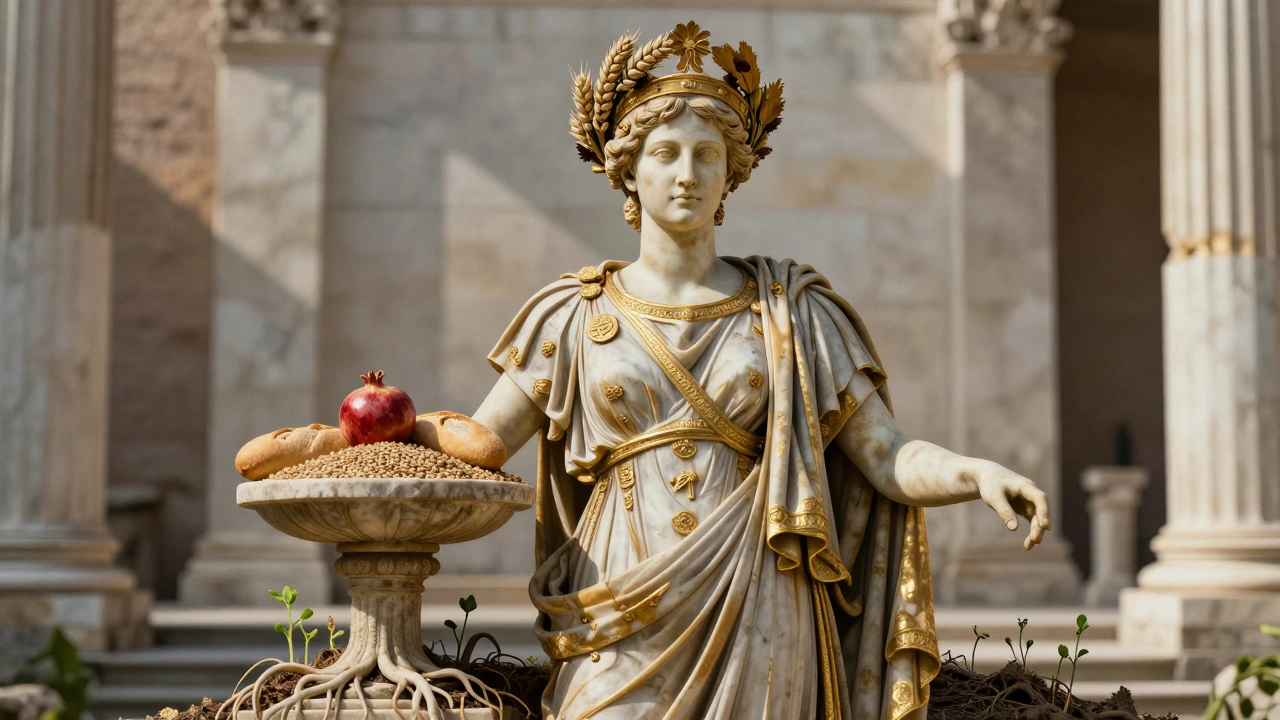
Why This Metaphor Mattered
This wasn’t just poetry. It was survival. In a world without refrigeration, without irrigation, without predictable weather, the next harvest was never guaranteed. If the land failed, people starved. So the Romans and Greeks had to believe that something deeper than luck kept the crops growing. They needed to believe that human behavior - especially female behavior - had cosmic power. A wife who was faithful, hardworking, and fertile was seen as a blessing. A wife who was neglected, rebellious, or barren? She was blamed for drought. Not because they were cruel. Because they had no other explanation. The land responded to the woman’s body. That was the rule. This metaphor gave women power - even if they had no legal rights. Their value wasn’t just in their labor. It was in their biology. Their cycles were the calendar. Their bodies were the soil. Their marriages were the harvest.The Legacy in Modern Thinking
We don’t talk about wives as cultivators anymore. But the roots are still there. When we say “mother nature,” we’re still echoing Demeter. When we link fertility to womanhood, we’re still using the same logic. When we romanticize farming as “tending the earth,” we’re still imagining a feminine force behind the growth. The difference today? We’ve separated the body from the land. We think of farming as technology, not ritual. But in ancient times, the two were inseparable. A woman’s womb and the soil were the same kind of space - hidden, sacred, and full of potential. If you want to understand ancient agriculture, don’t just look at the tools. Look at the women. Not as helpers. Not as assistants. But as the ones who made the land alive.Did ancient Greeks and Romans really see wives as cultivators?
They didn’t use the exact phrase, but the connection was everywhere. Wives managed grain storage, bread-making, and child-rearing - all essential to sustaining the harvest. Their bodies were seen as mirrors of the land’s cycles. When a wife was fertile, the land was fertile. When she was neglected, famine followed. This wasn’t just belief - it was social law.
What role did Persephone play in agricultural metaphors?
Persephone’s abduction by Pluto and her annual return explained the seasons. Her marriage to the god of the underworld symbolized the union between life and death. Her time underground meant no growth; her return meant spring. This myth made female sexuality - specifically marriage and reproductive cycles - the direct cause of agricultural abundance or failure.
Why were women involved in religious farming rituals?
Because they were the ones who turned the harvest into food. Women ground grain, baked bread, stored seed, and raised children who would farm next year. Their labor kept the system alive. So they were given sacred roles in rites like the Cerealia and Eleusinian Mysteries. They weren’t just participants - they were the ritual’s heart.
Was this metaphor unique to Greece and Rome?
No. Similar ideas existed in Egypt, Mesopotamia, and the Indus Valley. But in Greece and Rome, the connection became institutionalized through state religion, festivals, and imperial symbolism. The link between female fertility and agricultural success was more formalized here than in most other ancient cultures.
How did this affect women’s status in society?
It gave them invisible power. While women had few legal rights, their symbolic role as life-givers meant they couldn’t be ignored. A barren wife could be blamed for famine. A fertile one was honored. This made motherhood a political act. It also meant women’s domestic work was sacred - not just chores, but essential rituals for survival.