
Teen Birth Rate Comparison Calculator
Germany has the lowest teen birth rate in Western Europe at 11.7 births per 1,000 girls aged 15-19 (2006). Compare this with other countries to see the impact of comprehensive sex education.
Select a country and enter population size to see the comparison
When you think of countries leading in sex education, Germany might not be the first that comes to mind. But since 1970, it has built one of the most effective, evidence-based systems in the world - not by accident, but by learning from one of the darkest chapters in modern history.
A System Born from Destruction
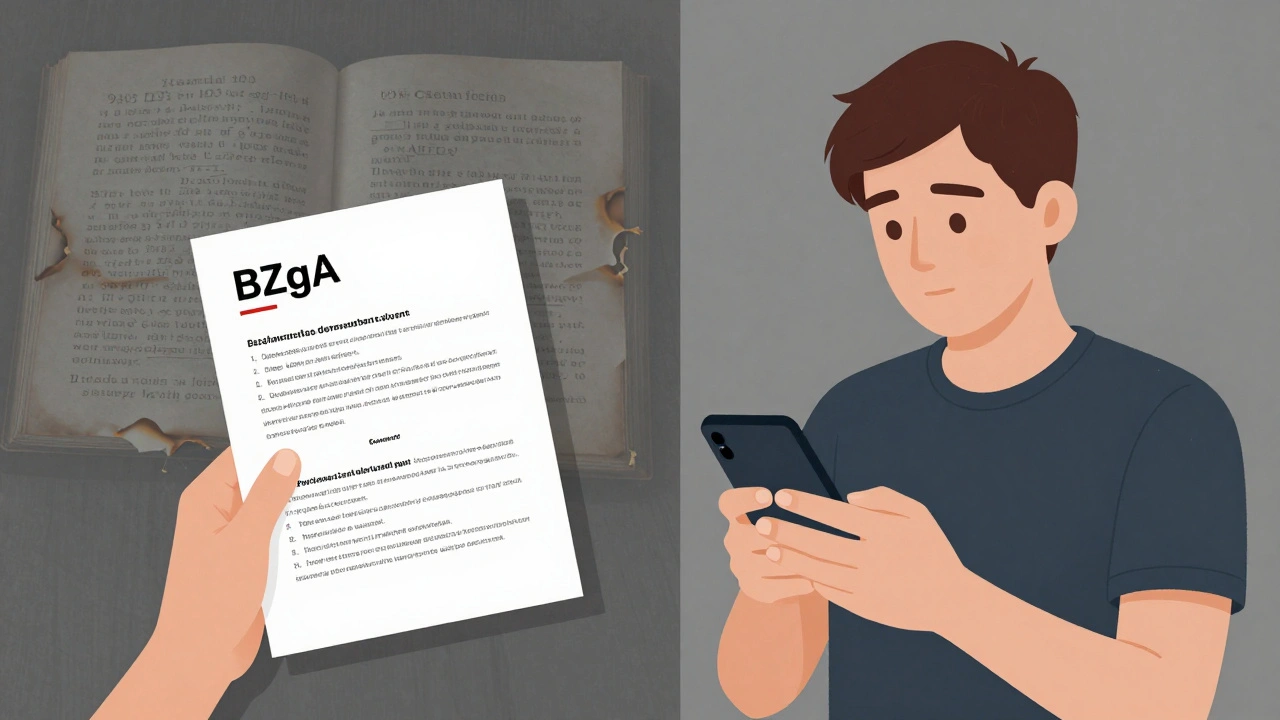
In 1933, Nazi forces stormed the Institut für Sexualwissenschaft a pioneering research and education center founded by Magnus Hirschfeld in Berlin in 1919 that offered the world’s first gender-affirming surgeries and distributed free contraception pamphlets and burned over 20,000 books, research papers, and educational materials. The institute’s work - including studies on homosexuality, contraception, and gender identity - was labeled “degenerate.” Its destruction wasn’t just an act of censorship. It was an attempt to erase science itself.After World War II, Germany didn’t ignore this loss. It faced it. By 1970, the country made a bold decision: sex education would become mandatory in all public schools. This wasn’t about morality. It was about public health. The goal was simple: give young people accurate information so they could make informed choices - and prevent the same mistakes from happening again.
Why 1970? The Turning Point
Before 1970, sex education in Germany was patchy. In East Germany (the GDR), schools started teaching it as early as the late 1950s. In the West, it was debated, delayed, and often resisted. But after the social upheavals of the 1960s - with rising youth activism, the feminist movement, and growing awareness of reproductive rights - pressure mounted. The government responded not with fear, but with structure.In 1970, the federal government formally integrated sexuality education into national school curricula. It wasn’t optional. It wasn’t left to individual teachers. It became part of biology, social studies, and health classes. The curriculum covered anatomy, contraception, consent, sexual orientation, gender roles, and even how to recognize and report abuse. And it was backed by data - not opinion.
The BZgA: The Engine Behind the System
The German Federal Centre for Health Education (BZgA) the government agency responsible for designing, funding, and evaluating nationwide sexuality education programs since 1970 became the backbone of this system. It didn’t just create materials - it tracked results.Since 1980, the BZgA has conducted the “Youth Sexuality” survey every five to seven years. The latest, in 2019, interviewed over 6,000 young people across all 16 federal states. That’s not a sample. That’s a national snapshot. The data shows what works - and what doesn’t.
For example, in 2006, the World Health Organization found that Germany had the lowest teen birth rate in Western Europe: 11.7 births per 1,000 girls aged 15-19. Compare that to the UK’s 27.8 and Bulgaria’s 39.0. The difference? Access to accurate information. Contraception was openly taught. Condoms were available in schools. And young people knew how to use them.

Legal Backing: When Courts Said “No” to Silence
In 2011, a group of Baptist parents sued the German government, arguing that mandatory sex education violated their religious freedom. They claimed schools were pushing “immoral” ideas. The case went all the way to the European Court of Human Rights the highest court in Europe, which ruled in favor of Germany’s right to provide comprehensive sex education without religious exemptions.The court didn’t just uphold the law. It affirmed a principle: young people have a right to know. The ruling set a precedent across Europe. Other countries, including Poland and Hungary, faced similar legal challenges - but Germany had already proven the model worked.
East vs. West: The Hidden Divide
Even today, there’s a gap. In 2021, the BZgA found that 96% of students in the former East Germany reported receiving sex education in school. In the West, it was 87%. Why?East Germany started earlier. By the 1960s, schools there were already teaching about contraception, abortion rights, and gender equality. The West was slower. Some states resisted. Some teachers refused. But after reunification, the East’s model became the standard. The result? A stronger, more consistent system.
Still, challenges remain. Rural areas, migrant communities, and schools with fewer resources struggle to deliver the full curriculum. The BZgA now trains teachers, provides free lesson plans, and works with local health departments to fill the gaps.
What’s Taught - And What’s Not
Germany’s curriculum doesn’t shy away from hard topics. It includes:- Contraception methods - including pills, IUDs, and emergency contraception
- Consent and sexual violence prevention
- Gender identity and sexual orientation - with explicit inclusion of LGBTQ+ identities
- How to navigate pornography and online sexual content
- The history of sexual repression - including the Nazi era
It doesn’t teach abstinence-only. It doesn’t avoid religion. But it doesn’t let religion dictate science. The focus is on facts, rights, and personal responsibility.
Global Influence - and Why It Matters
Germany didn’t stop at its borders. In 2018, the BZgA commissioned a major report - The Present Assessment on the State of Sexuality Education in Europe and Central Asia - to help other countries improve their programs. Countries from Poland to Georgia now use German materials as templates.Why? Because Germany’s system is built on data, not dogma. It’s not perfect. But it’s transparent. It adapts. And it saves lives.
The Digital Age: New Challenges, Same Principles
Today, young people get most of their sexual information online - from TikTok, YouTube, and dating apps. The BZgA’s 2019 survey found that while schools remain the most trusted source, digital platforms now compete fiercely.So Germany adapted. New lesson modules teach students how to spot misinformation, understand consent in digital spaces, and recognize the difference between porn and real relationships. Schools now partner with youth organizations to run workshops on online safety.
It’s not about blocking the internet. It’s about equipping kids to use it wisely.
The Real Measure of Success
You can’t measure a good sex education program by how quiet it keeps people. You measure it by how many teens avoid unplanned pregnancies. How many avoid STIs. How many speak up when something feels wrong.Germany’s teen birth rate has stayed low for over 40 years. Its rates of sexual violence reporting have risen - not because it’s getting worse, but because young people know they have the right to say no. And when they do, the system listens.
This isn’t magic. It’s policy. It’s funding. It’s accountability. And it’s built on the painful truth that silence kills.
Why did Germany start mandatory sex education in 1970?
Germany made sex education mandatory in 1970 as a direct response to the destruction of sexual science under the Nazis and the rising rates of teen pregnancy and unsafe abortions in the post-war decades. The goal was to replace misinformation with evidence-based knowledge, using schools as a trusted, universal platform to ensure every young person had access to accurate information about their bodies and rights.
How does Germany’s approach differ from the U.S.?
Unlike many U.S. states that allow abstinence-only programs or let parents opt out, Germany mandates comprehensive, science-based education for all students. It includes contraception, consent, LGBTQ+ identities, and online safety - and it’s backed by national data collection through the BZgA. There’s no religious exemption, and the curriculum is updated every few years based on real-world outcomes, not political pressure.
Is sex education in Germany religiously neutral?
Yes. While religious beliefs are respected, the curriculum is grounded in public health science and human rights, not theology. The 2011 European Court ruling confirmed that schools have the right to teach comprehensive sexuality education even if it conflicts with some religious views. The focus is on factual information, personal autonomy, and preventing harm.
What role does the BZgA play in Germany’s system?
The German Federal Centre for Health Education (BZgA) designs the national curriculum, trains teachers, distributes free educational materials, and conducts nationwide surveys every five to seven years to measure effectiveness. It’s the only agency in Germany with the legal authority and funding to ensure consistency across all 16 federal states.
Has Germany’s model reduced teen pregnancy?
Yes. In 2006, Germany’s teen birth rate was 11.7 per 1,000 girls aged 15-19 - the lowest in Western Europe. That’s less than half the rate in the UK and less than a third of Bulgaria’s. The consistent use of contraception, open discussions about sex, and easy access to reproductive health services are key reasons why.
How does Germany handle LGBTQ+ topics in sex education?
LGBTQ+ identities are fully integrated into the curriculum. Lessons cover sexual orientation, gender identity, and relationships in the same way as heterosexual relationships. Schools are required to use inclusive language, and teachers receive training to address bullying and discrimination. This is not optional - it’s part of the national standard.
Do students in Germany learn about abortion?
Yes. Abortion is taught as a medical procedure and a legal right under German law. The curriculum explains the conditions under which it’s permitted, the physical and emotional aspects, and the support systems available. It’s presented factually, without moral judgment, as part of reproductive health education.
Is sex education in Germany effective for migrant communities?
The BZgA defines migrants as individuals or parents born outside Germany, and it tailors materials for non-German speakers. Translations into Turkish, Arabic, and other languages are available. Schools also work with community organizations to reach families who may have cultural barriers. While challenges remain, the system actively works to include these groups.
What happens if a parent refuses to let their child attend sex education?
Parents can request exemptions for religious reasons, but these are rare and reviewed by school authorities. The 2011 European Court ruling made it clear that the state’s duty to protect children’s health outweighs individual objections. In practice, fewer than 2% of families opt out, and even then, students often receive the material independently.
How does Germany update its curriculum?
Every five to seven years, the BZgA conducts its nationwide “Youth Sexuality” survey, interviewing thousands of teens about their experiences, sources of information, and concerns. The results directly shape new curriculum updates. For example, after the 2019 survey showed rising exposure to online pornography, new lessons on digital consent and critical media literacy were added.
Germany didn’t become a leader in sex education because it was perfect. It became a leader because it refused to repeat its past. It chose science over silence. Facts over fear. And for over 50 years, that choice has saved lives.