
Impact of Menstrual Equity Campaigns
Youth-Led Advocacy
Focuses on peer education and shifting norms in schools.
Brand Activism
Leverages social media engagement for direct donations.
Policy & Institutional
Implements structural changes like tax exemptions and mandates.
Imagine walking into a school bathroom and realizing you have nowhere to dispose of a used pad because the bins are missing or overflowing. Now imagine feeling too ashamed to ask a teacher for help, fearing judgment or ridicule. This isn't a hypothetical nightmare; it is the daily reality for millions of people worldwide. For decades, menstruation has been shrouded in silence, shame, and secrecy. But something is shifting. A wave of cultural change campaigns aimed at destigmatizing menstruation is breaking that silence. These efforts are not just about talking more openly; they are about dismantling deep-rooted social taboos and addressing the material inequalities that keep people from managing their periods with dignity.
On any given day, an estimated 300 million people around the world are menstruating. Yet, approximately 500 million lack access to adequate products and facilities. The gap between these numbers highlights a crisis that is both physical and cultural. Stigma prevents open conversation, which in turn hides the scale of the problem, leading to underinvestment in infrastructure and education. To fix this, activists, brands, youth groups, and policymakers are launching coordinated campaigns. They are moving the needle from viewing periods as a private hygiene issue to recognizing them as a matter of human rights and equity.
The Roots of the Taboo: Why Silence Persists
To understand why these campaigns are necessary, we have to look at where the shame comes from. It wasn't always this way. Historically, many cultures viewed menstruation through various lenses, some sacred, some neutral. The modern stigma largely stems from two powerful forces: medical discourse and media advertising. For much of the 20th century, advertisements framed menstruation as a messy, embarrassing problem that needed to be hidden and managed discreetly. Products were marketed as solutions to an "inconvenience," reinforcing the idea that having a period was something to be apologized for.
This commercial messaging seeped into schools and homes. Girls were taught to whisper about their cycles, hide blood stains, and avoid drawing attention to their bodies. The result? A generation that grew up believing menstruation was dirty or shameful. Organizations like Period.org point out that this stigma is deeply intertwined with systemic issues like racism, sexism, and misogyny. When society views menstruation negatively, it also devalues the people who menstruate. Breaking this cycle requires more than just better ads; it demands a fundamental shift in how we talk about bodies and biology.
Youth-Led Movements: Changing Norms from the Ground Up
One of the most effective ways to change culture is to empower the next generation. Youth-led campaigns are proving that young people are ready to lead the conversation. Take Girl Up India’s collaboration with Empowered by Vee on the "We Care, Period" campaigna menstrual equity and education initiative focused on ending stigma among young people. This program doesn't just hand out products; it trains young leaders to educate their peers.
Why does this work? Because stigma often thrives in isolation. When students feel alone in their experience, shame takes root. By creating spaces for open discussion in schools and communities, these campaigns normalize the experience. Girl Up reports that students often miss class due to embarrassment or lack of supplies. When peers start talking openly, that absenteeism drops. The campaign uses language like "It’s time to end menstruation stigma-PERIOD!" to signal urgency and align with broader social justice movements. This approach treats menstruation not as a biological anomaly but as a normal part of life that deserves respect and resources.
- Peer Education: Young advocates teach their classmates, making the information relatable and less intimidating.
- Community Building: Creating safe spaces reduces feelings of isolation and shame.
- Leadership Development: Empowering girls to speak up builds confidence and challenges traditional gender roles.

Brand Activism: Turning Likes into Resources
While grassroots movements build community, corporate campaigns can amplify the message and provide tangible resources. Brands are increasingly using their platforms to challenge taboos, though this strategy comes with its own complexities. A notable example is the #StopThePeriodTaboo campaigna social media initiative by Marea and Saalt linking posts to donations, launched by menstrual health companies Marea and Saalt.
The mechanism is simple but effective. For every post using the hashtag #StopThePeriodTaboo, Marea donates $1 and Saalt donates one menstrual cup to the nonprofit I Support The Girls (ISTG). ISTG distributes bras, underwear, and menstrual products to people experiencing homelessness. This model bridges the gap between digital awareness and real-world impact. It acknowledges that stigma isn't just about words; it's about access. Low-income individuals and those unhoused face severe barriers to obtaining menstrual products, often resorting to unsafe alternatives like rags or paper towels.
Critics might argue that this is just marketing. And yes, brands benefit from positive association. However, when tied to credible nonprofits and concrete donations, these campaigns move beyond performative activism. They make participation easy for consumers while directly alleviating period poverty for marginalized groups. The key is transparency: donors need to know exactly where their engagement leads. In this case, each click translates to a cup and a dollar, providing immediate relief to someone in need.
Institutional Shifts: Policy and Public Spaces
Culture changes fastest when institutions back it up. We are seeing a shift in policy where governments and educational bodies explicitly recognize menstrual stigma as a barrier to health and education. A critical review published in public health journals notes that many recent policies aim to "break the silence" surrounding menstruation. However, the authors warn that if policies frame menstruation solely as a hygiene issue requiring discreet management, they may inadvertently reinforce the very stigma they seek to eliminate.
Effective policy goes deeper. It integrates menstrual health into broader discussions of bodily autonomy, rights, and social justice. Schools are starting to mandate comprehensive menstrual education, not just for girls but for all students, to foster empathy and understanding. Governments are exploring tax exemptions on menstrual products, removing the "tampon tax" that disproportionately affects low-income households. These structural changes signal that menstruation is a public health priority, not a private nuisance.
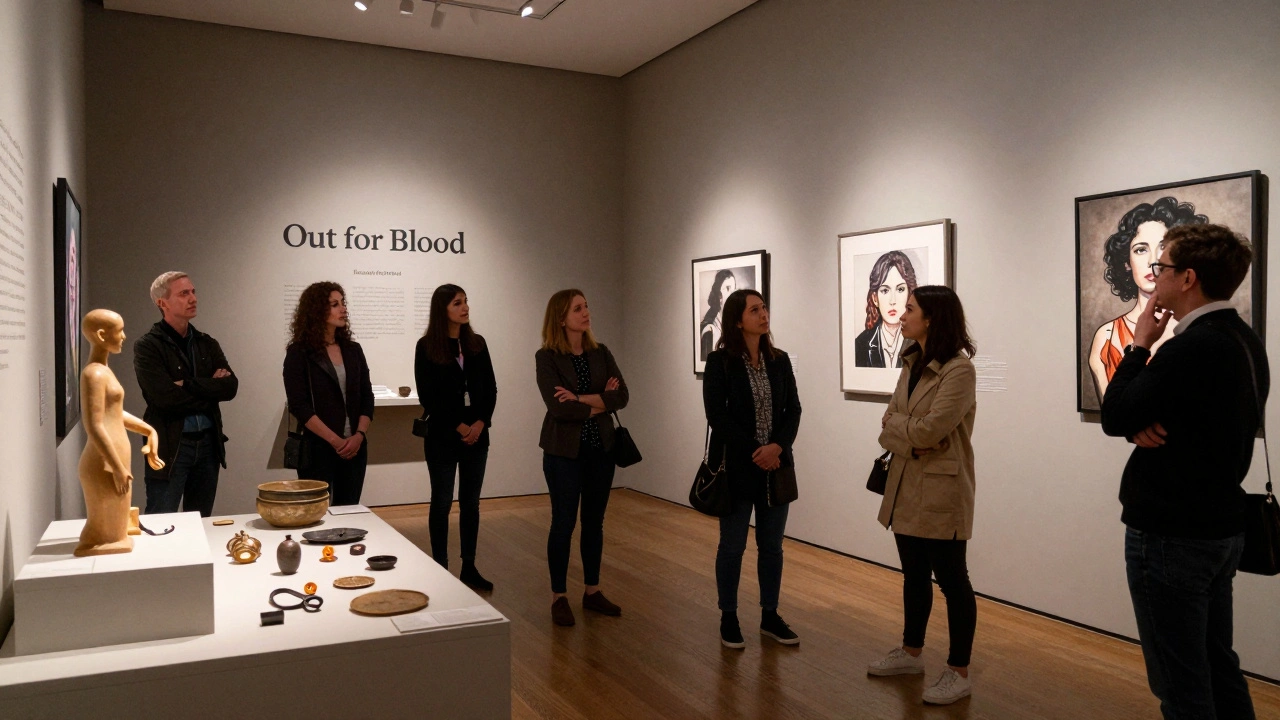
Cultural institutions are also playing a role. The Radcliffe Institute’s exhibition "Out for Blood: Feminine Hygiene to Menstrual Equity"an exhibition tracing the history of menstrual products and activism, held in Cambridge, Massachusetts, brought menstrual discourse into a scholarly and public space. By displaying historical artifacts and contemporary art related to menstruation, the exhibition challenged visitors to reflect on how marketing and medicine shaped current attitudes. Such exhibitions legitimize the topic, showing that it belongs in museums, libraries, and academic discussions, not just in bathroom stalls.
| Campaign Type | Primary Goal | Strengths | Limitations |
|---|---|---|---|
| Brand/Social Media (e.g., #StopThePeriodTaboo) | Rapid visibility & resource mobilization | High reach, tangible donations, easy participation | Dependent on brand cycles, potential for greenwashing |
| Youth-Led Advocacy (e.g., We Care, Period) | Shifting peer norms & education | Authentic messaging, long-term cultural shift, empowerment | Resource constraints, limited geographic scope |
| Policy & Institutional | Structural change & equity | Scale, durability, legal backing | Slow implementation, risk of reinforcing hygiene-only framing |
| Cultural Exhibitions (e.g., Out for Blood) | Historical context & legitimacy | Academic credibility, deep reflection, public engagement | Limited audience, high production costs |
The Intersection of Stigma and Poverty
You cannot separate the shame of menstruation from the cost of managing it. Period poverty-the inability to afford menstrual products-is both a cause and a consequence of stigma. When periods are taboo, funding for free product programs is harder to secure. When products are expensive, people feel forced to hide their needs, reinforcing the sense of shame.
Organizations like Period.org emphasize that period poverty is rooted in marginalization, racism, and sexism. It affects women in prisons, homeless shelters, and low-income households globally. Destigmatization campaigns must therefore address both the narrative and the material conditions. Providing free pads in schools is essential, but so is teaching boys that menstruation is normal. If we only give products without changing attitudes, recipients may still feel stigmatized when accessing them. Conversely, if we only change attitudes without ensuring access, the conversation remains theoretical for those struggling to survive.
Challenges and Future Directions
Despite progress, stigma remains persistent. Even well-intentioned programs can stumble if they rely on outdated framings. For instance, focusing only on "cleanliness" can imply that menstruation is inherently dirty. Successful campaigns reframe menstruation as a natural, healthy bodily process. They use inclusive language, acknowledging that not all women menstruate and not all menstruators are women, including transgender men and non-binary individuals.
Looking ahead, the most promising strategies are multi-pronged. Combining youth advocacy with policy reform creates a feedback loop: young people demand change, and policies institutionalize it. Corporate partnerships can fund these efforts, provided they remain accountable to frontline organizations. Continued research into the historical construction of stigma will help designers create more nuanced interventions. As we move forward, the goal is clear: a world where no one misses school, work, or life opportunities because of their period, and where discussing menstruation is as ordinary as discussing digestion or sleep.
What is period poverty?
Period poverty refers to the limited or inadequate access to menstrual products and health education due to financial constraints or negative socio-cultural stigmas. It forces individuals to use unsafe alternatives, miss school or work, and endure shame. It is driven by systemic issues like income inequality, lack of public funding, and cultural taboos surrounding menstruation.
How do cultural change campaigns help destigmatize menstruation?
These campaigns break the silence by encouraging open conversations, reframing menstruation as a normal biological process rather than a shameful secret, and linking awareness to material support. They use social media, education, and policy advocacy to shift public perception and ensure equitable access to products and facilities.
Why is youth leadership important in menstrual equity?
Young people are powerful agents of change because they influence peer norms. Youth-led campaigns make menstruation relatable and reduce embarrassment in school settings. By empowering young leaders, these initiatives foster a generation that views menstruation through a lens of rights and equality, rather than shame.
What is the role of brands in destigmatizing menstruation?
Brands can amplify messages and provide resources through campaigns like #StopThePeriodTaboo. By donating products and funds based on user engagement, they connect digital activism with real-world aid. However, their efforts must be transparent and aligned with genuine social goals to avoid being seen as mere marketing tactics.
How does policy contribute to ending menstrual stigma?
Policy can institutionalize change by mandating menstrual education in schools, removing taxes on menstrual products, and funding free distribution programs. Effective policies frame menstruation as a health and human rights issue, ensuring that destigmatization becomes part of routine public health practice rather than a temporary trend.