Shunga Era Explorer & Cultural Comparison
Explore the vibrant world of Edo-period erotic art. Select any year on the timeline to learn about key developments, or compare Japanese and European approaches to eroticism.
Start of the Edo Period
The Tokugawa shogunate is established. Political stability allows urban merchant classes to flourish, creating the economic foundation for mass-produced art like Shunga.
| Feature | Japanese Shunga | European Erotica |
|---|---|---|
| Availability | Openly sold in shops, theaters, and by street vendors across major cities. | Often clandestine, restricted to elite circles, or hidden from public view. |
| Primary Audience | Merchants, artisans, townspeople (Chonin), and commoners. | Aristocracy, clergy, intellectuals, and wealthy elites. |
| Artistic Style | Flat, decorative, focus on line, pattern, and harmony with nature. | Realistic, chiaroscuro lighting, focus on anatomical detail and drama. |
| Moral Context | Natural part of life, linked to fertility, commerce, and daily pleasure. | Often viewed as sinful, linked to temptation, vice, or moral decay. |
| Gender Representation | Female pleasure often depicted explicitly; mutual enjoyment emphasized. | Male dominance usually emphasized; female perspective less central. |
When you think of the Edo Period (1603-1868), images of rigid Confucian discipline often come to mind. But behind the scenes, a vibrant culture of pleasure was flourishing in the merchant districts of Edo (modern-day Tokyo). This era didn't just tolerate sexuality; it celebrated it through a unique blend of art, commerce, and social ritual. The centerpiece of this cultural explosion was Shunga, literally "pictures of spring," which were explicit erotic woodblock prints that sold millions of copies.
These weren't hidden underground artifacts. They were mass-produced consumer goods, bought by merchants, samurai, and even women, serving as both entertainment and decorative objects. To understand Edo-period sexuality, you have to look past the Western lens of shame and see how Japan integrated eroticism into daily life, business, and artistic expression without the moral panic that characterized Europe at the time.
The Rise of Shunga: Art for the Merchant Class
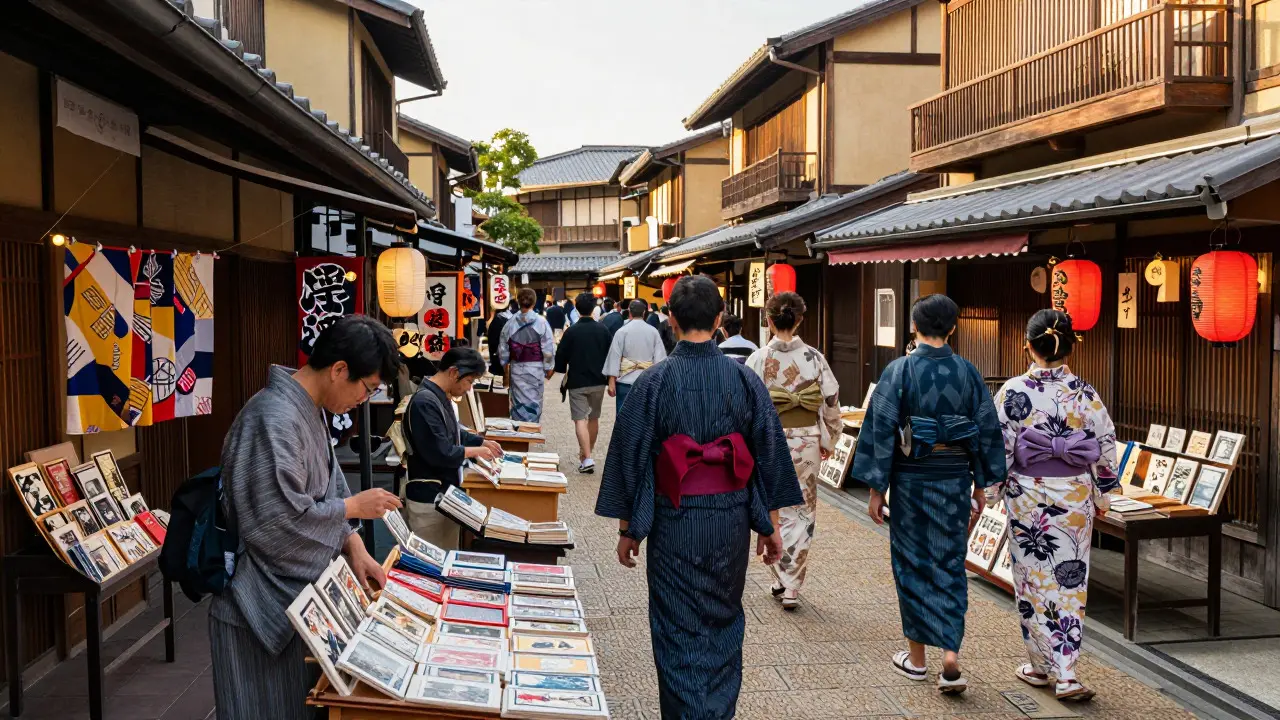
The popularity of Shunga is directly tied to the rise of the Chonin (townspeople) class. As the Tokugawa shogunate stabilized Japan, wealth shifted from the warrior aristocracy to urban merchants. These new elites had disposable income and a desire for leisure. They turned to Ukiyo-e ("floating world" pictures) as their primary form of visual culture.
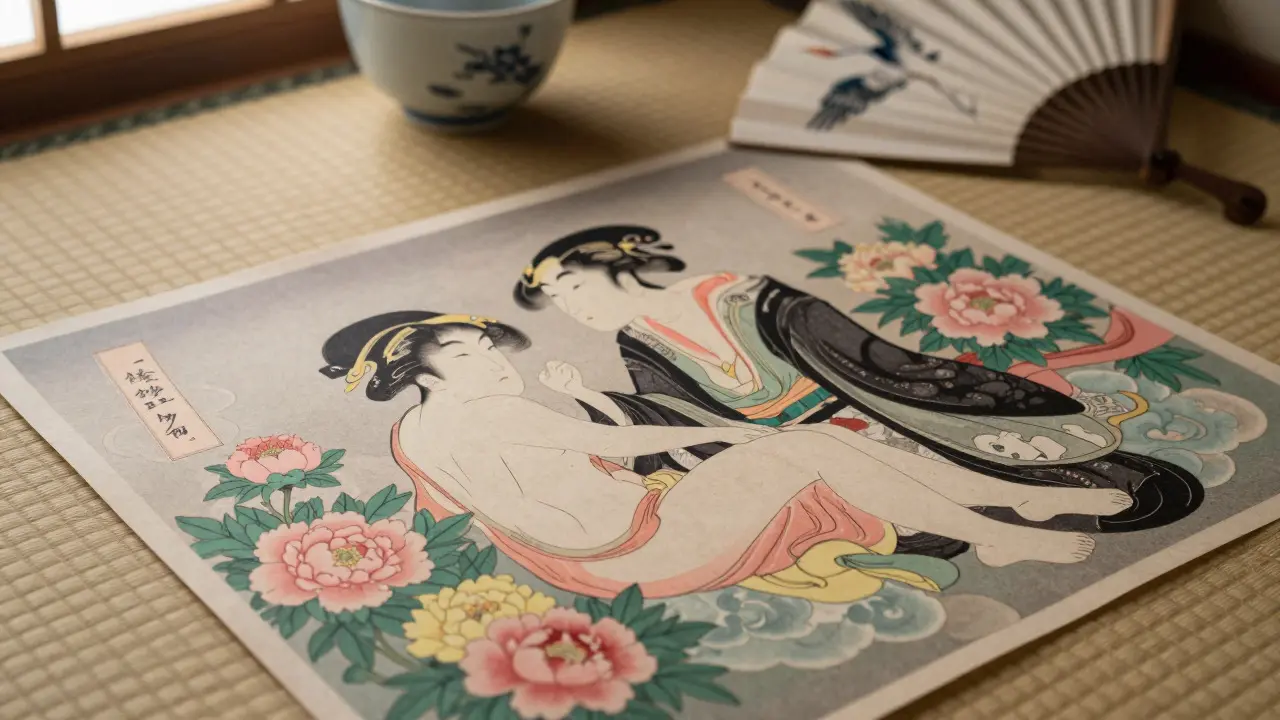
Shunga became the most popular genre within Ukiyo-e for decades. Artists like Hishikawa Moronobu and later Katsukawa Shunshō produced thousands of designs. Unlike European erotica, which was often clandestine, Shunga was openly displayed in shops and homes. A typical print might depict a couple in an intimate setting, surrounded by flowers or seasonal elements, emphasizing harmony rather than just physical act. The aesthetic was refined, focusing on beauty, composition, and the interplay between human forms and nature.
- Production Scale: Prints were made using woodblock printing, allowing for mass production at low cost.
- Accessibility: A single print could cost less than a bowl of rice, making it affordable for the average merchant.
- Distribution: Sold in bookshops, theaters, and street vendors across major cities like Edo, Osaka, and Kyoto.
Social Norms: Pleasure vs. Duty
How did a society governed by strict hierarchy accept such open displays of sexuality? The answer lies in the separation of public duty and private pleasure. While Confucian values emphasized family stability and social order, they didn't necessarily condemn sexual enjoyment itself. In fact, procreation was a civic duty, but beyond that, sex was viewed as a natural part of life.
In the merchant districts, Yoshiwara (the licensed red-light district) operated as a regulated space for sexual commerce. Here, courtesans known as Oiran and Komusubi provided not just sex, but high-level entertainment, conversation, and companionship. For many men, visiting Yoshiwara was a status symbol. The elaborate costumes, processions, and rituals associated with these visits were documented extensively in Shunga prints, turning the experience into a spectacle.
Women’s sexuality was more complex. While upper-class women were expected to be modest, lower-class women and courtesans had more agency over their bodies and finances. Some women even owned property and ran businesses. However, this freedom came with risks; if a woman was deemed "loose" outside the licensed districts, she faced social ostracization. Yet, the sheer volume of Shunga art suggests that sexual desire was a shared human experience, not just a male privilege.
Artistic Techniques and Symbolism
Shunga artists used specific visual codes to convey meaning. Censors rarely banned explicit imagery unless it mocked the ruling class or violated religious taboos. Instead, artists relied on symbolism. For example, peonies represented love, while cranes symbolized longevity and fidelity. The positioning of figures also mattered; intertwined limbs suggested deep emotional connection, while dynamic poses indicated passion.
One notable technique was the use of perspective. Influenced by Dutch imports (Rangaku), some late Edo artists experimented with linear perspective, giving the prints a more three-dimensional feel. This added realism to the scenes, making the viewer feel like a participant in the moment. The color palette was also significant; bright pinks, greens, and yellows evoked the vibrancy of the "floating world."
| Feature | Japanese Shunga (Edo Period) | European Erotica (17th-18th Century) |
|---|---|---|
| Availability | Openly sold in shops and streets | Often clandestine or restricted to elite circles |
| Primary Audience | Merchants, townspeople, commoners | Aristocracy, clergy, intellectuals |
| Artistic Style | Flat, decorative, focus on line and pattern | Realistic, chiaroscuro, focus on anatomy |
| Moral Context | Natural part of life, linked to fertility | Often sinful, linked to temptation |
| Gender Representation | Female pleasure often depicted explicitly | Male dominance usually emphasized |
The Role of Kabuki Theater
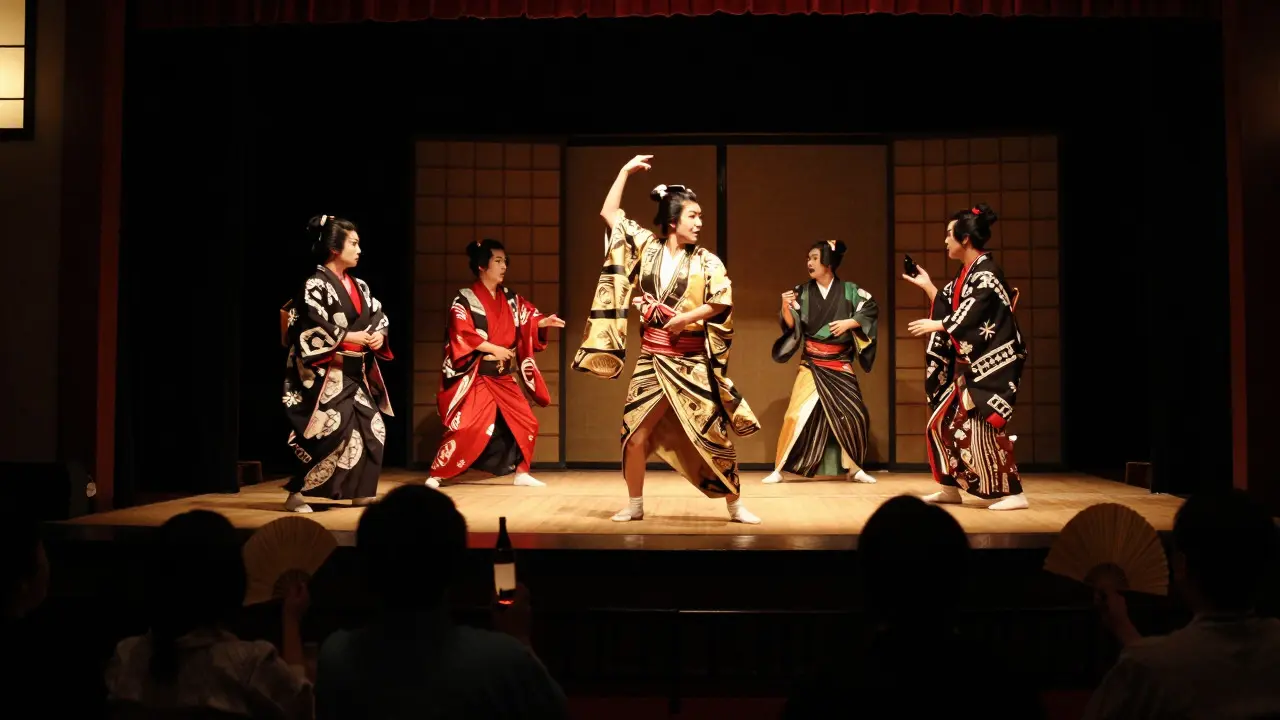
You can’t talk about Edo sexuality without mentioning Kabuki. This dramatic art form was born from folk dances and quickly evolved into a major industry. Kabuki plays frequently featured romantic subplots, same-sex relationships, and bawdy humor. Actors, initially all male, played both genders, creating a unique performance style that blurred lines between reality and illusion.
Kabuki theaters were hotbeds of social interaction. Men gathered to watch performances, drink sake, and discuss the latest plots. The stars of the theater, known as Yakusha, were celebrities whose likenesses were printed on fans, clothing, and yes, Shunga prints. Fans would buy prints of their favorite actors in various states of undress, merging celebrity worship with erotic interest. This created a feedback loop where theater promoted art, and art promoted theater.
Decline and Legacy
The end of the Edo Period brought rapid change. The Meiji Restoration (1868) opened Japan to Western influence, and with it, new moral standards. Christian missionaries and modernizing reformers viewed traditional Japanese customs, including Shunga, as backward. By the late 19th century, censorship tightened, and the production of explicit prints declined sharply.
However, Shunga didn’t disappear entirely. It influenced later movements in Japanese art and continues to be studied today as a window into pre-modern attitudes toward gender, class, and desire. For historians, these prints are invaluable documents. They show us how ordinary people lived, loved, and laughed in a society that valued aesthetics and social harmony above all else.
Today, collections of Shunga are housed in museums worldwide, from the Metropolitan Museum of Art in New York to the British Museum in London. They serve as reminders that sexuality has never been one-size-fits-all. In Edo Japan, it was a colorful, commercial, and deeply human aspect of daily life.
What does Shunga mean in Japanese?
Shunga translates to "pictures of spring" or "flowers of spring." The term uses a metaphorical reference to springtime, a season associated with blooming flowers and renewal, to describe erotic art. It is not a vulgar term but rather a poetic one used in classical literature and art criticism.
Were Shunga prints censored during the Edo Period?
Censorship existed but was inconsistent. The Tokugawa government focused on suppressing political dissent and social disorder rather than regulating private morality. Explicit content was generally allowed unless it depicted the emperor, shogun, or Buddhist figures in a disrespectful way. Later in the period, as Western influence grew, censorship became stricter.
Who bought Shunga prints?
The primary buyers were the Chonin (merchant and artisan classes). Because prints were inexpensive, they were accessible to a wide range of people. Samurai also purchased them, though sometimes discreetly. Women likely bought them too, especially those involved in the entertainment industry, though historical records on female consumers are less detailed.
How did Kabuki theater influence Shunga art?
Kabuki provided subject matter and celebrity appeal. Actors were famous, and their images were highly sought after. Many Shunga prints depicted scenes from Kabuki plays or featured actors in character. The theatricality of Kabuki, with its exaggerated gestures and costumes, influenced the dramatic poses and compositions found in erotic prints.
Is Shunga still produced in Japan today?
Traditional Shunga is rare today, but the legacy lives on in contemporary manga, anime, and modern ukiyo-e style art. Modern Japanese pop culture includes a wide range of erotic media, from tasteful illustrations to explicit adult works, showing that the appetite for visual storytelling remains strong, even if the formats have changed.