Mann & Page Act Timeline Explorer
Select Historical Era
Stated Goal vs. Reality
| Aspect | Public Claim | Actual Impact |
|---|
Quick Takeaways
- The Page Act of 1875 targeted Chinese women under false pretenses of stopping trafficking.
- The Mann Act of 1910 criminalized interstate transport for "immoral purposes," often enforcing racial and gender norms.
- Both laws evolved from moral policing tools into modern anti-trafficking statutes with ongoing civil liberties concerns.
- Prosecutors still use the Mann Act alongside newer laws like the Trafficking Victims Protection Act.
- Critics argue these historic acts laid a foundation for racial profiling that persists in immigration and criminal justice today.
The Roots of Moral Policing
When we talk about U.S. laws regarding sex trafficking, two names keep popping up in history books: the Page Act and the Mann Act. On the surface, they look like early attempts to stop crime. In reality, they were powerful tools for controlling movement, race, and sexuality during eras of intense social change. You might think these laws are ancient history, but they aren't fully gone. Understanding where they came from helps us see why certain police tactics still feel unfair today.
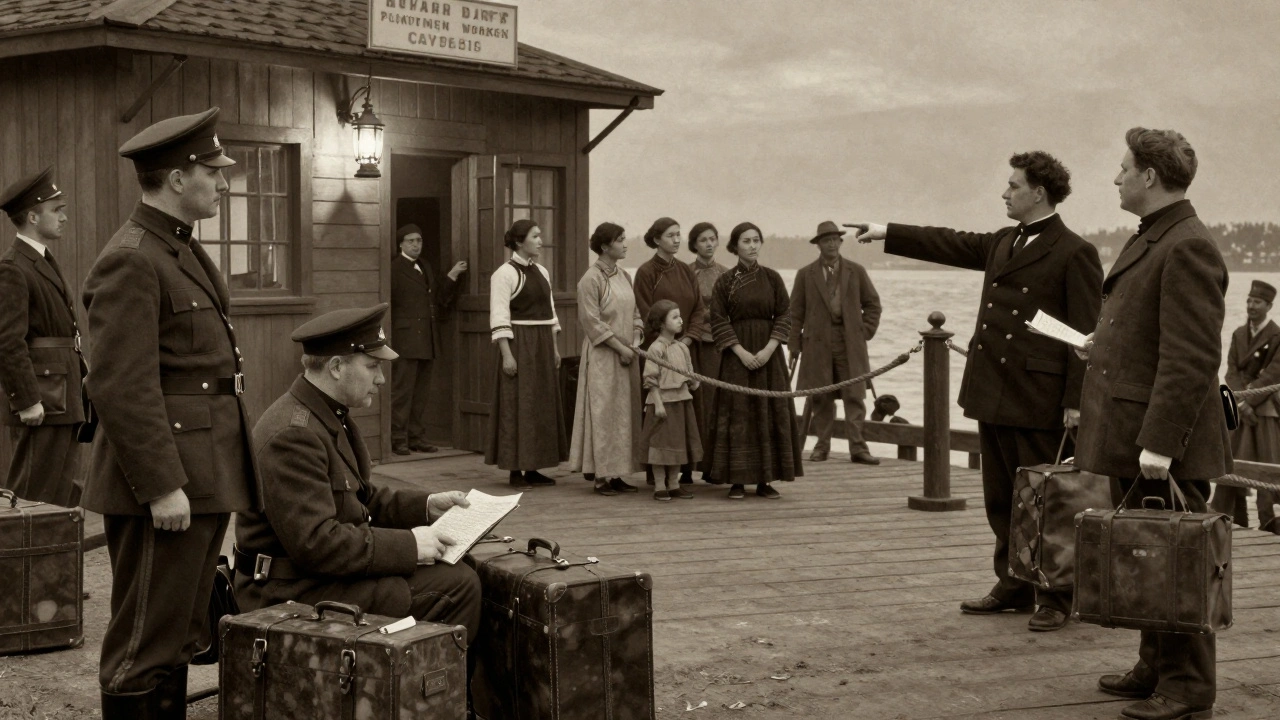
The Page Act is a federal statute passed in 1875. Officially titled "An Act to Prohibit the Coming of Chinese Women for the Purpose of Prostitution," it sounds specific enough. It stopped Chinese women from entering the country if officials suspected they were there to sell sex. But here is the catch: the evidence required was laughably thin. A mere rumor was enough to turn someone away. While it claimed to fight vice, it essentially barred Chinese families from reuniting in America. It set a precedent that government power could regulate morality by shutting borders to specific groups.
This wasn't just about public health. It was about maintaining white supremacy. By singling out Chinese women as inherently suspect, the law reinforced stereotypes that Asian communities brought moral corruption. The act paved the way for decades of exclusionary immigration policies. Even though the Chinese Exclusion Act followed later, the logic started right here in 1875. It taught lawmakers that restricting freedom of movement was an acceptable cost for "national purity."
How the Mann Act Went Viral
Fast forward to 1910. Society was changing rapidly, with industrialization and migration reshaping American cities. Enter Representative James Robert Mann and his bill, the White Slave Traffic Act. We usually call it the Mann Act now. Its original goal seemed noble: stop people from transporting women across state lines for prostitution or debauchery. But the language they chose was dangerously broad. It made it a felony to move "any woman or girl for... any other immoral purpose."
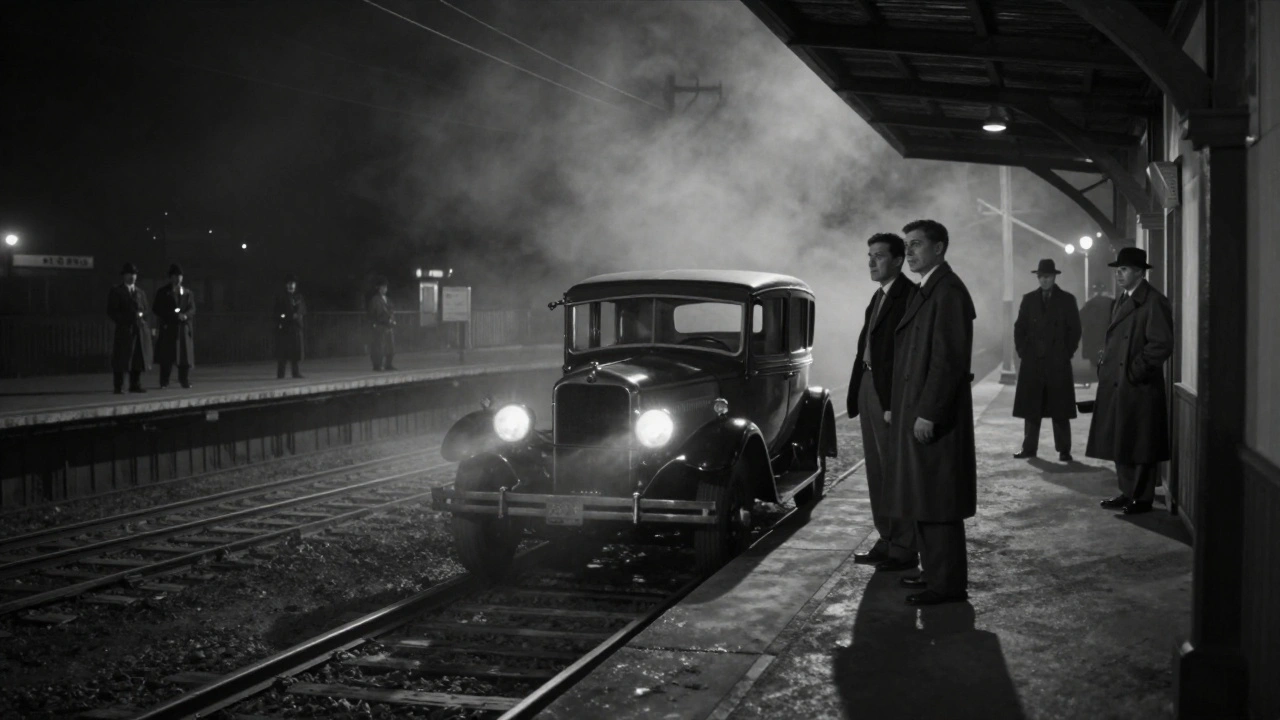
What counts as "immoral"? That vague phrase became a blank check for prosecutors. They didn't need to prove slavery or coercion happened. If a man took a woman he was seeing from New York to Chicago to live together, especially without marriage, he could face federal prison. Famous athletes like boxer Jack Johnson fell victim to this interpretation. The law wasn't really about protecting victims; it was about punishing consensual relationships that crossed racial or state boundaries.
Feature
Public Stated Goal
Historical Reality
Target Group
Traffic in human beings
Interracial couples & unmarried partners
Legal Basis
Morality & Safety
Interstate Commerce Clause
Burden of Proof
Proving Exploitation
Proving Movement + Relationship
Racial Impact
None stated
Enforced segregation and racism
Enforcement Then and Now
You might assume these old laws expired naturally. They didn't. Instead, they got patched and updated. The original Mann Act was heavily criticized by scholars like those at Cornell Law School, who noted it prevented female promiscuity rather than stopping trafficking rings. By the 1970s and 80s, Congress realized the wording was broken. The 1986 amendment finally removed gender specificity. It applied to "any person," not just women. Later amendments focused on minors to address child exploitation explicitly.
The shift was significant. In 1910, the Bureau of Investigation (precursor to the FBI) filed thousands of cases based on flimsy moral claims. By the 2017 reporting period, investigations involved far fewer adults and overwhelmingly targeted cases involving underage victims. Yet, the low bar for prosecution remains attractive to federal agencies. Unlike the Trafficking Victims Protection Act (TVPA), which requires proving a pattern of control or force, the Mann Act just needs proof of movement and intent. For a prosecutor, that difference can mean the difference between winning a conviction or losing in court.
FOSTA and the Digital Age
In April 2018, another major update happened. Congress passed FOSTA/SESTA, which tied directly into the Mann Act. The goal was to stop online facilitation of sex trafficking. It created a legal framework where platforms hosting ads for sex services could face liability. This expanded the reach of the Mann Act into cyberspace. Suddenly, running a website that allowed sex workers to advertise safety tips was viewed as facilitating crime.
This had massive unintended consequences. Services like Craigslist shut down entire sections of their personals pages. Activists argued this hurt harm reduction. Sex workers lost places to screen clients or post safety warnings. Legal experts questioned if the law went too far in criminalizing communication. The Electronic Frontier Foundation tracked thousands of comments showing public concern that privacy and free speech were colliding with aggressive anti-trafficking mandates. While the intent was to stop predators, the result silenced many marginalized voices trying to stay safe.

The Intersection of Race and Law
It is impossible to talk about these acts without addressing race. Professor Dorothy Roberts from UPenn points out that the language of "white slavery" was often code for protecting white family structures. The Page Act specifically targeted Asian women. The Mann Act was famously weaponized against Black men dating white women or even other Black women who traveled across state lines. These weren't random crimes; they were political statements enforced by federal agents.
Today, the legacy lingers. When immigration courts question visas for foreign nationals suspected of involvement in illicit trade, the logic traces back to the Page Act. When law enforcement scrutinizes cross-border movement, the Mann Act's shadow hangs over the investigation. Scholars like E. Tendayi Achiume note that this history shapes how Muslim-majority countries are treated regarding visa restrictions today. We haven't fully moved past the idea that some bodies require more policing than others.
Why This Matters Today
Sometimes we read history thinking it stays in the past. With these laws, that isn't true. They remain part of the U.S. Code. Every year, hundreds of prosecutions occur under the Mann Act. Most involve serious crimes, yes. But the broadness of the language allows flexibility that can sometimes be abused. The tension between fighting real trafficking and protecting individual liberties remains unresolved.
We see this tension in every new proposal about internet regulations. When lawmakers discuss banning ads for adult services, they are relying on the same logic that empowered the Mann Act. Knowing this history gives you the context to ask the right questions. Are we protecting vulnerable people, or are we regulating morality? The distinction matters when you're standing before a jury.