Medieval Punishment Comparison Tool
Select Punishment Criteria
Punishment Comparison
Punishment Details
Long before therapy sessions or anonymous support groups, medieval societies dealt with sin-especially sexual sin-not in private, but in the open square, in front of the whole town. Public penitence wasn’t just about guilt. It was a performance. A ritual. A spectacle designed to humiliate, correct, and control. And at its center was one of the most powerful tools ever invented: sexual shame.
The Ritual That Made Sin Public
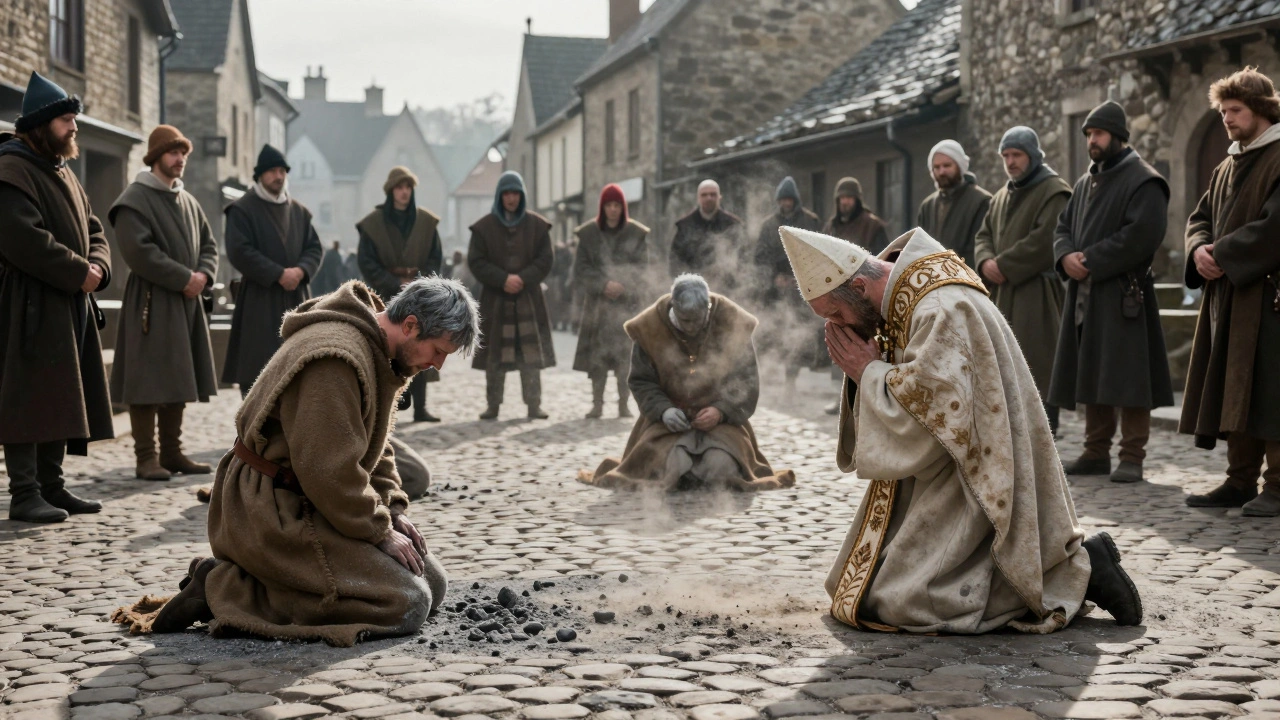
In medieval Europe, if you committed a sin that everyone already knew about-adultery, theft, public drunkenness-you didn’t get to whisper it to a priest behind a screen. You had to face the whole congregation. Public penance was mandatory. And it was brutal.On Ash Wednesday, penitents were called out. They knelt in the cold, weeping. Some lay flat on the ground, face down, groaning. They wore sackcloth, sometimes with ashes smeared on their skin. No privacy. No mercy. Just the eyes of the town watching as they begged for forgiveness.
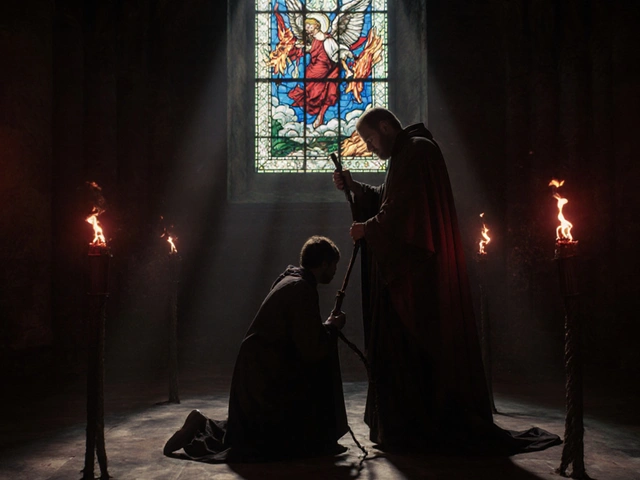
This wasn’t just punishment. It was theater. The bishop himself would join in. On Holy Thursday, he’d kneel beside the penitents, confess his own sins, and beg God for mercy. Not to show humility. But to remind everyone who held power. The clergy weren’t above sin. They were its enforcers. And they made sure everyone knew it.
Sexual Transgressions and the Penitentials
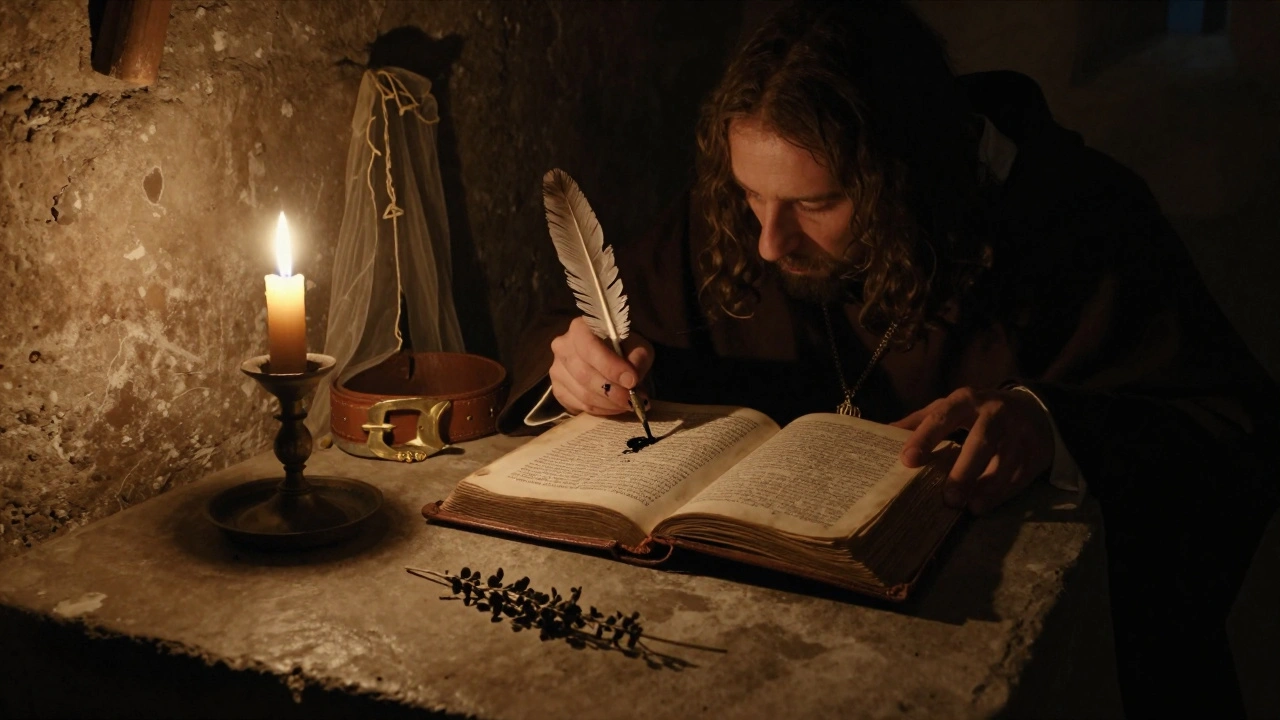
Medieval priests didn’t guess what sins people committed. They had manuals. Called penitentials. These were detailed handbooks-like cookbooks for sin-with exact punishments for exact acts.One man who had a nocturnal emission? He had to wake up, kneel, and chant nine psalms. After each one. Then eat only bread and water for a full day. If he refused to fast? He had to chant thirty psalms instead.
A woman who tasted her husband’s semen to make him love her more? Seven years of fasting on designated holy days. No exceptions.
These weren’t oddities. They were standard. The Church didn’t just condemn sex outside marriage. It cataloged every variation, every gesture, every thought. And each one had a price. The goal wasn’t redemption. It was control. By making sexual acts measurable, quantifiable, and publicly punishable, the Church turned desire into a crime.
The Ducking Stool: Shame as Water
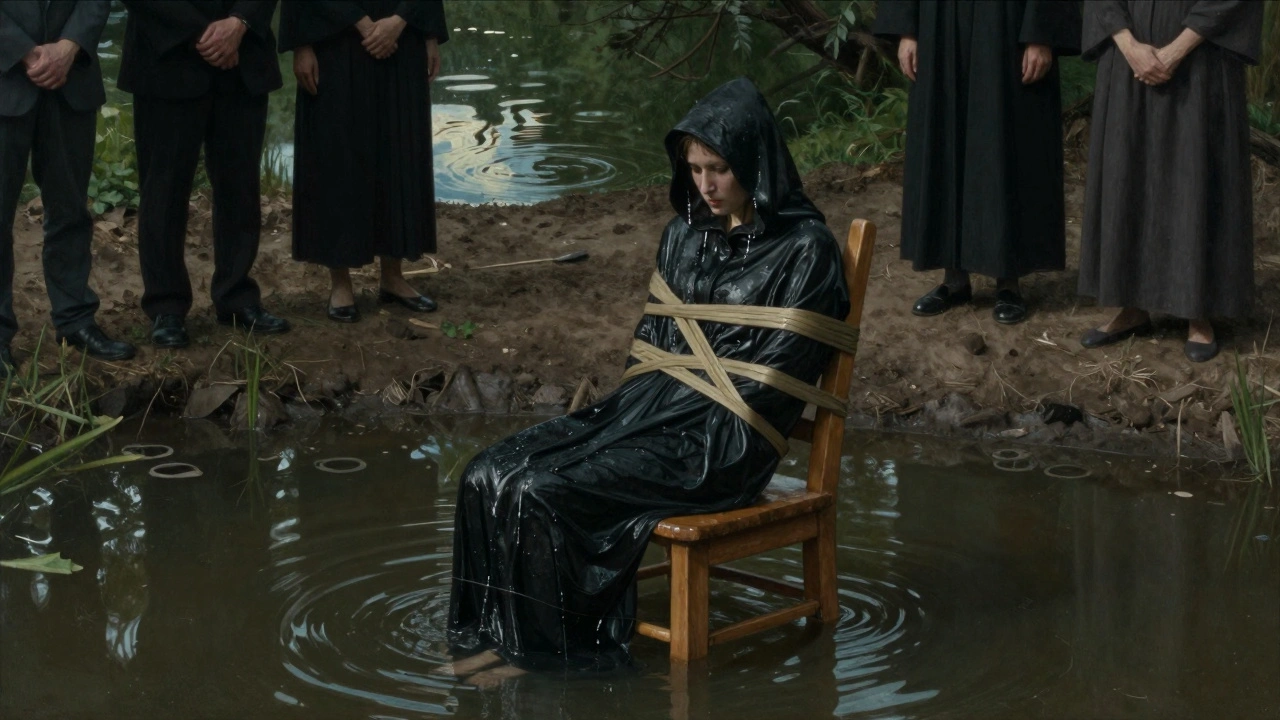
While men faced public kneeling and fasting, women faced something worse: the ducking stool.This wasn’t a joke. It was a legal tool. A wooden chair, strapped to a seesaw, lowered into a pond or river. Women labeled as “loud-mouths,” “gossips,” or “harlots” were strapped in and dunked-repeatedly. The water wasn’t meant to clean them. It was meant to cool their “intemperate heat.”
A 1780 poem captured the logic: “no brawling wives, no furious wenches / no fire so hot but water quenches.” The message was clear: women’s voices, women’s desires, women’s anger-all needed to be drowned.
And the symbolism? It was deliberate. The dunking looked like baptism. A rebirth. But instead of grace, it was punishment. A public washing that marked them as broken, dangerous, unfit.
In 1535, women in Smithfield, London, were sentenced to be “washed over the ears” at foul ponds. They weren’t criminals for theft or murder. They were punished for being too loud, too free, too sexual.
Who Got Punished-and Who Didn’t
The rules weren’t equal. The Code of Ur-Nammu, from 2100 BC, made it clear: a woman who committed adultery died. A man? He walked free. Why? Because male sexual behavior was seen as a threat to military strength. A man’s affair didn’t weaken the state. A woman’s did-because it threatened lineage, inheritance, and control over reproduction.Centuries later, the Malleus Maleficarum, the infamous witch-hunting manual from 1486, claimed: “All witchcraft comes from carnal lust.” That meant any woman who refused sex, who practiced herbal healing, who spoke too boldly-she was a witch. And witches were burned.
But men? Priests? Nobles? They rarely faced public penance. When they did, it was rare. When they were caught, the Church often covered it up. The system wasn’t about justice. It was about hierarchy. Women bore the weight of shame. Men held the power to assign it.
The Quiet Shift: From Public to Private
By the 13th century, something changed. Private confession began to replace public penance. Irish monks had started it earlier-whispering sins to a priest, not shouting them to a crowd. The Fourth Lateran Council in 1215 pushed this shift. But even then, public penance didn’t vanish. In some towns, it lasted another 200 years.Why did it fade? Because people hated it. The humiliation was too much. The power imbalance too clear. And as towns grew, as trade expanded, as literacy rose, people wanted control over their own sins. They wanted to confess without being paraded.
But the shame didn’t disappear. It just moved inside.
The Victorian Inheritance
The 19th century didn’t invent sexual repression. It perfected it.Victorians didn’t dunk women in ponds. They made them cover piano legs. They banned the word “leg” in polite company. They turned “whore” and “fornication” into unspoken curses. They didn’t need public rituals anymore. People had learned to punish themselves.
That’s the real legacy of medieval public penance. It didn’t end. It just got quieter. Today, we don’t kneel in the square. But we still blush at our own desires. We still feel guilty for pleasure. We still silence women who speak too loudly about sex.
Why This Still Matters
Public penance didn’t vanish because we became more moral. It vanished because we learned to shame ourselves.Modern recovery groups like Alcoholics Anonymous still use confession-but in private circles. No crowds. No kneeling. Just quiet rooms and shared stories. That’s progress. But it’s also a reminder: we still need to confess. We still need to be held accountable. The difference? Now, we do it on our own terms.
The medieval Church used shame to control bodies. Today, we use it to control thoughts. The ducking stool is gone. But the fear of being exposed? Still here.
Public penance was brutal. But it was honest. It said: sin is real. Shame is real. And power is always watching.
What we lost wasn’t just the ritual. We lost the courage to face our sins together. And maybe, just maybe, we need to find it again-not to punish, but to heal.