Long before humans wrote about love, before we even had words for attraction or beauty, animals were already making life-or-death decisions based on who they chose to mate with. It wasn’t about romance as we know it. It was about survival-but not in the way you’d expect. The most colorful birds, the largest antlers, the most elaborate dances-none of these traits helped an animal survive longer. In fact, many made them more likely to get eaten. So why did they evolve? The answer lies in a force Darwin called sexual selection.
What Sexual Selection Really Means
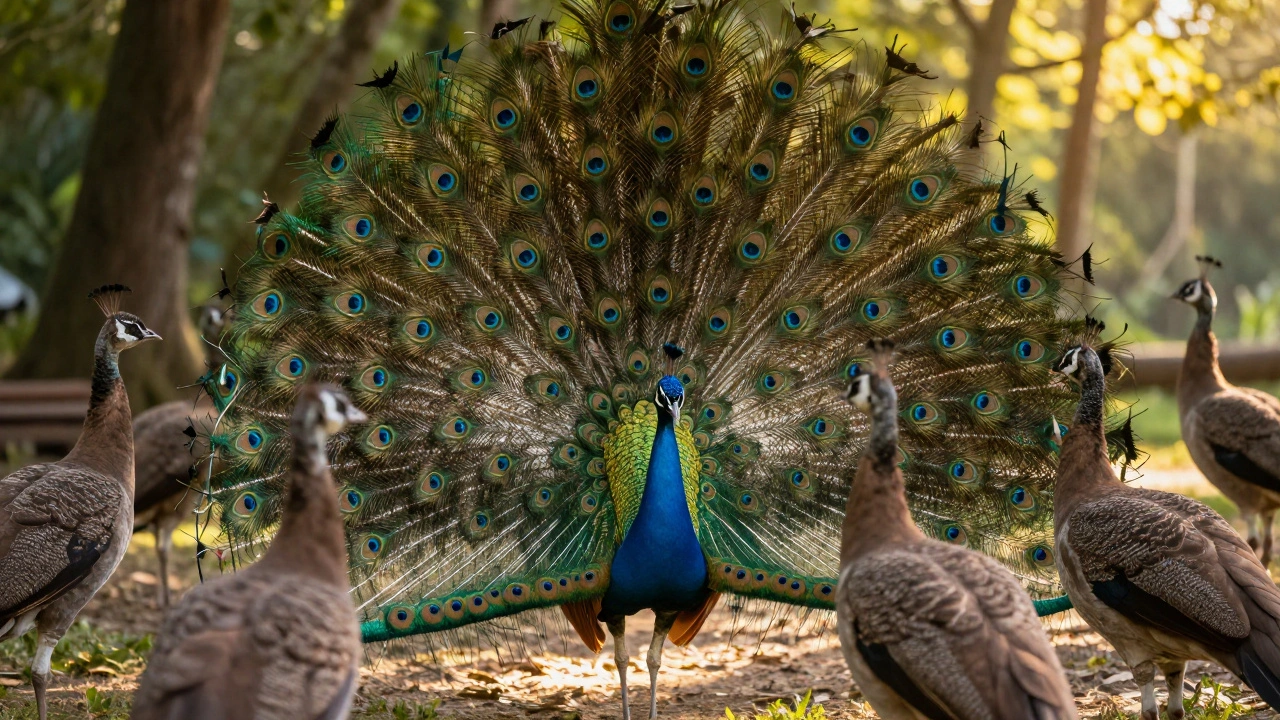
Natural selection is about surviving long enough to reproduce. Sexual selection is about getting the chance to reproduce at all. Darwin noticed this difference in the 1870s while studying birds, insects, and mammals. He saw males with tails too big to fly well, horns too heavy to run fast, and colors so bright they glowed under predators’ eyes. These traits didn’t make sense for survival. But they made perfect sense for mating. The core idea is simple: if you’re a male, your success isn’t just about living. It’s about winning access to females. If you’re a female, your success isn’t just about laying eggs. It’s about choosing the right male to father them. This isn’t random. It’s a battle-sometimes fought with claws, sometimes with feathers, sometimes with song. Darwin didn’t just guess this. He watched. He recorded. He compared. In peacocks, he saw males with tails that stretched over six feet long, covered in hundreds of iridescent eyespots. Females, dull and brown, walked past dozens of males before picking one. And they almost always picked the male with the most eyespots. That wasn’t luck. That was choice. And that choice changed the species over generations.The Two Sides of the Same Coin
Sexual selection works in two main ways: competition between males, and choice by females. Male-to-male competition is brutal. Think elephant seals. A single male can weigh over 4,000 pounds. He fights other males for hours, sometimes days, to hold a stretch of beach where females gather to give birth. The winner gets to mate with up to 50 females. The losers? They don’t mate at all. This creates a huge gap in reproductive success. One male can have more offspring than a hundred others combined. That’s evolution on steroids. Then there’s female choice. It’s quieter, but just as powerful. In birds like the satin bowerbird, males build elaborate bowers out of sticks and decorate them with blue objects-bottles, feathers, even plastic. Females visit multiple bowers, inspect them closely, and pick the one that looks best. The male with the most attractive bower gets the mate. No fighting. Just aesthetics. Even in tiny creatures like fruit flies, it’s the same. Males perform a dance-wing vibrations, leg taps, body sways. Females watch. If the rhythm’s off, they walk away. If it’s perfect, they let him mate. These behaviors aren’t random. They’re inherited. The males whose dances worked best passed on the genes for those dances. Over time, the dances got more complex.Why Females Get to Choose
You might wonder: why do females get to pick, and males have to compete? The answer starts with biology. Females produce one egg at a time. It takes energy. A lot of it. Males produce millions of sperm. Cheap. Fast. Easy. That’s called anisogamy. And it changes everything. Because females invest so much in each offspring, they can’t afford to make bad choices. A wrong mate means wasted time, energy, and future survival for their young. Males? They can afford to try again. And again. And again. This imbalance means females are selective. Males are desperate. And evolution responds. Males evolve traits that grab attention-bright colors, loud calls, big muscles. Females evolve the ability to spot quality. It’s not about beauty for beauty’s sake. It’s about quality signals. A peacock’s tail doesn’t just look pretty. It’s a health report. Growing it takes food, energy, and a strong immune system. A male with a damaged tail? He’s probably sick. A male with a flawless tail? He’s got genes worth passing on.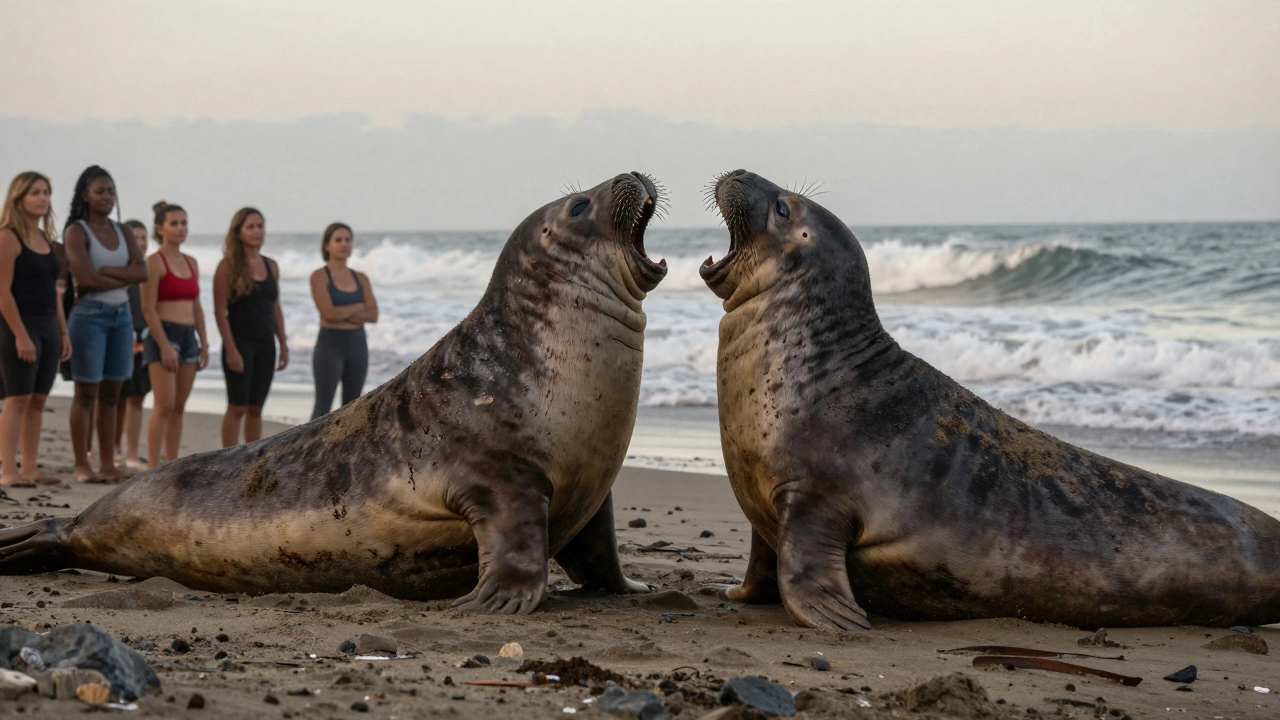
The Redback Spider: Love That Ends in Death
Some of the weirdest examples come from the smallest creatures. Male redback spiders are tiny. Females are twice their size. And during mating, the male does something shocking: he flips his body onto the female’s fangs. He lets her eat him. While he’s still inside her. At first, it seems insane. Why would any animal sacrifice itself like that? But here’s the twist: males that get eaten fertilize more eggs. Why? Because the female stops looking for other mates. She’s full. She’s satisfied. And the male’s body becomes a meal that fuels her eggs. Studies show these males father nearly twice as many offspring as those who escape. This isn’t suicide. It’s strategy. Evolution didn’t favor the ones who ran. It favored the ones who gave everything-even their lives-for one chance to pass on their genes.How Sexual Selection Changed the Animal World
Without sexual selection, the animal kingdom would look totally different. No peacocks. No deer antlers. No bird songs. No colorful fish. No intricate courtship dances. All of it-gone. Sexual selection doesn’t just make animals look interesting. It drives rapid change. Natural selection works slowly, favoring traits that help survival. Sexual selection works fast, favoring traits that win mates-even if they’re dangerous. That’s why you see extremes: male birds with wings that glow under UV light, frogs that call for hours without stopping, male damselflies that guard females for days after mating to prevent rivals from sneaking in. Even humans show traces of it. Men are, on average, larger and more muscular than women. Women tend to prefer partners who appear strong, confident, and resourceful. These patterns aren’t cultural. They’re biological. They’re older than language.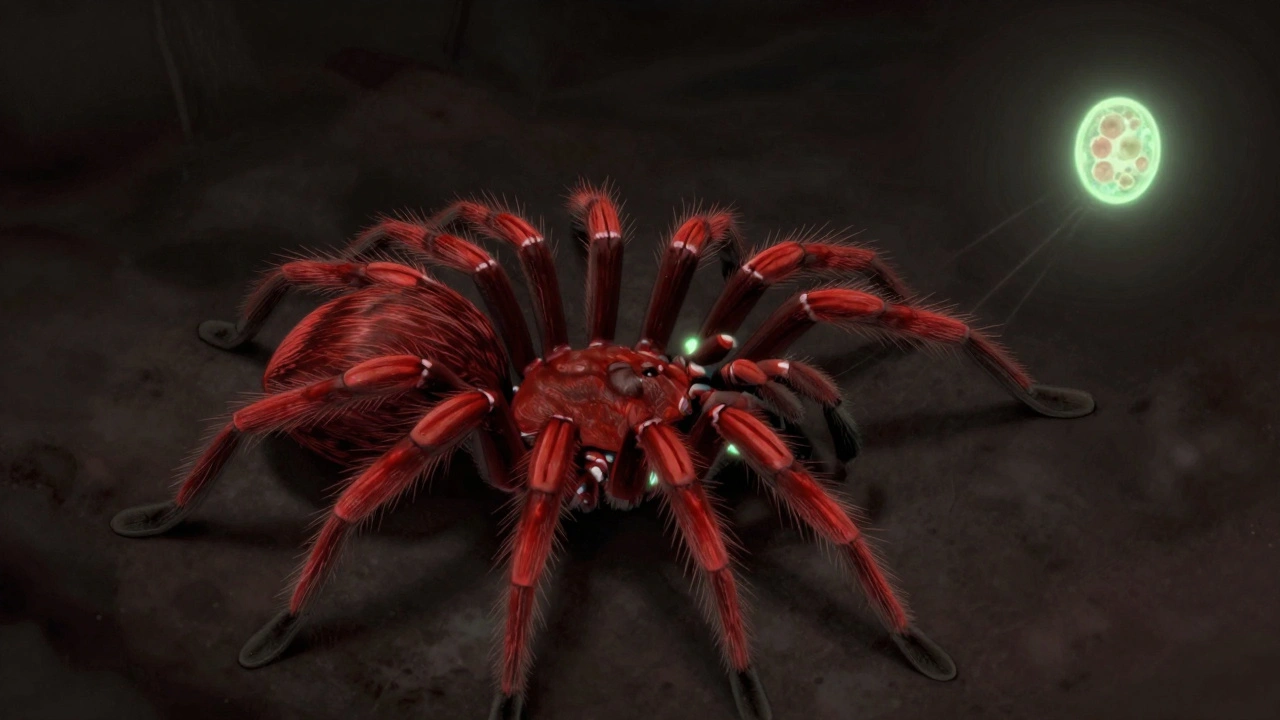
It’s Not Just About Looks
We often think sexual selection is about flashy colors or big horns. But it’s deeper than that. In some fish, males build nests. Females pick the best-built one. In others, males give food gifts. In still others, males sing complex songs that show off their memory and coordination. In every case, the trait isn’t just attractive. It’s honest. A male can’t fake a good nest. He can’t fake a long song without training. He can’t fake a nutrient-rich gift without eating well himself. So these traits are reliable signals. They say: “I’m healthy. I’m smart. I’m strong.” That’s why sexual selection is so powerful. It doesn’t just pick for looks. It picks for quality. And that quality gets passed on.Why This Matters Today
Understanding sexual selection isn’t just about ancient animals. It helps us understand behavior, biology, and even ourselves. It shows us that evolution isn’t always about survival. Sometimes, it’s about love. Or at least, about the biological drive to reproduce. It also reminds us that nature doesn’t care about fairness. It doesn’t care about beauty for its own sake. It cares about genes. And if a trait-no matter how strange or risky-helps those genes get passed on, it will spread. From the peacock’s tail to the spider’s death, sexual selection is one of evolution’s most powerful, most beautiful, and most bizarre forces. It shaped the world we see today. And it’s still shaping it.How is sexual selection different from natural selection?
Natural selection favors traits that help an animal survive-like camouflage, speed, or strong immune systems. Sexual selection favors traits that help an animal attract mates or win fights over mates, even if those traits make survival harder. A peacock’s tail doesn’t help it escape predators, but it helps it win females. That’s sexual selection. Natural selection would eliminate it. Sexual selection keeps it alive.
Do only males compete for mates?
No. While males often compete more visibly, females compete too-in quieter ways. In some bird species, females fight over nesting sites. In others, females compete for access to high-quality males. In species where males provide care, like seahorses, females are the ones who chase males and display brighter colors. The pattern depends on who invests more in offspring.
Can sexual selection lead to extinction?
Yes, in rare cases. If a trait becomes too extreme-like a tail so large it prevents flight-it can make a species vulnerable. If predators catch on, or the environment changes fast, the species might not adapt in time. The Irish elk, with antlers over 12 feet wide, may have gone extinct partly because its antlers became too heavy to escape predators or move through forests. Sexual selection can push traits beyond survival limits.
Why do females choose mates based on appearance?
Appearance often signals health. Bright colors can mean a strong immune system. Symmetrical features suggest good genes. A loud, complex song shows brainpower and stamina. These traits are hard to fake. So females evolved to use them as shortcuts to find the best mates. It’s not about beauty-it’s about reliability.
Is sexual selection still happening in humans?
Yes. While culture plays a big role, biological patterns remain. Men tend to be taller and more muscular than women, a pattern seen in many mammals where males compete. Women, across cultures, often prefer partners who appear confident, healthy, and able to provide-traits linked to genetic fitness. These preferences aren’t random. They’re rooted in millions of years of sexual selection.