The 1960s Swing Revolution Timeline
Drag the slider to explore how a quiet suburban movement reshaped intimacy, marriage, and freedom in America.
The oral contraceptive pill is approved in 1960, allowing women to separate sex from reproduction for the first time. This single development unleashes a wave of sexual energy that had previously been channeled solely toward procreation, setting the stage for everything to come.
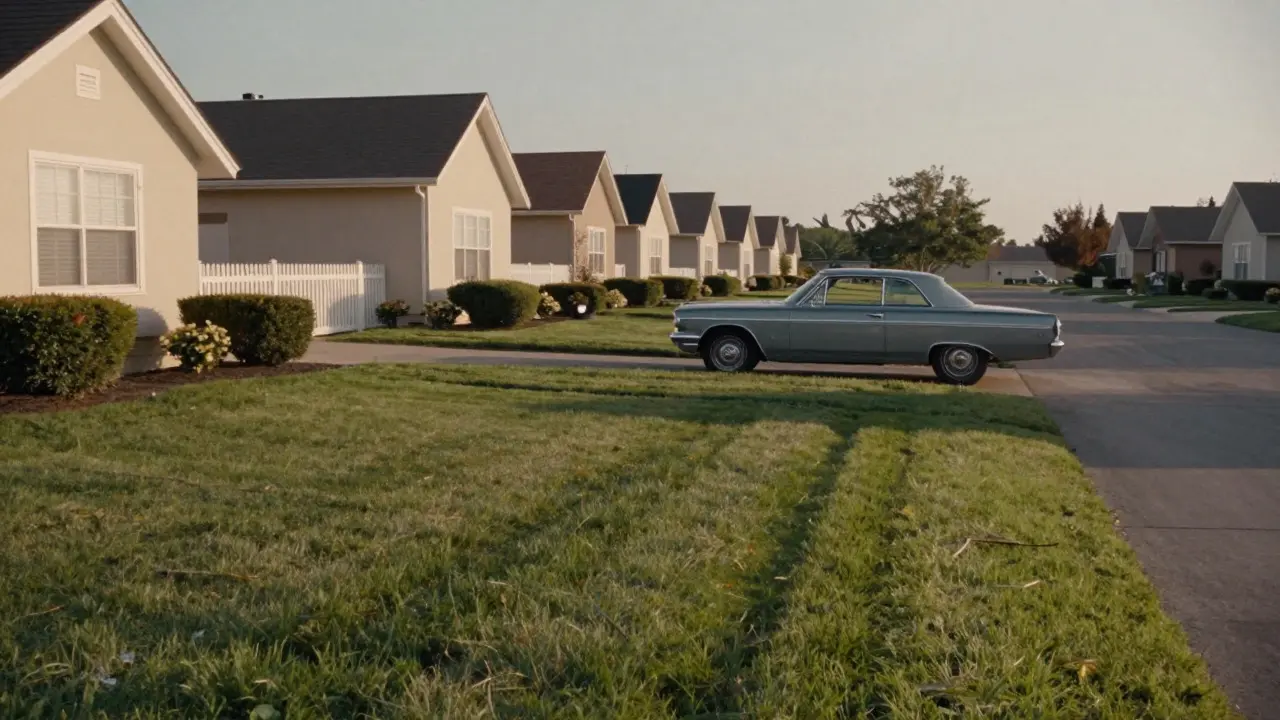
Imagine it is 1964. You live in a quiet neighborhood where every house looks exactly like the next. Your lawn is manicured, your car is parked neatly in the driveway, and your neighbors know exactly what you had for dinner last night. Yet, behind the closed doors of these identical homes, a quiet but seismic shift was happening. This wasn't just about changing fashion or music; it was a fundamental restructuring of how Americans viewed marriage, intimacy, and freedom. At the heart of this transformation were two distinct but connected phenomena: key parties and the rise of swinger culture. These movements didn't just challenge social norms; they dismantled the rigid post-war expectations that had held society together for decades.
The 1960s are often remembered for civil rights marches and rock and roll, but the bedroom revolution was equally impactful. It started not in the gritty streets of New York or the free-spirited communes of California, but in the comfortable suburbs of the Midwest and East Coast. For many couples, the pressure to maintain a perfect image was suffocating. They wanted to explore their sexuality without the stigma of being "deviants." This led to the creation of secret societies, coded language, and new social rituals that allowed them to experiment safely within the confines of respectability.
The Rise of Key Parties: A Secret Social Ritual
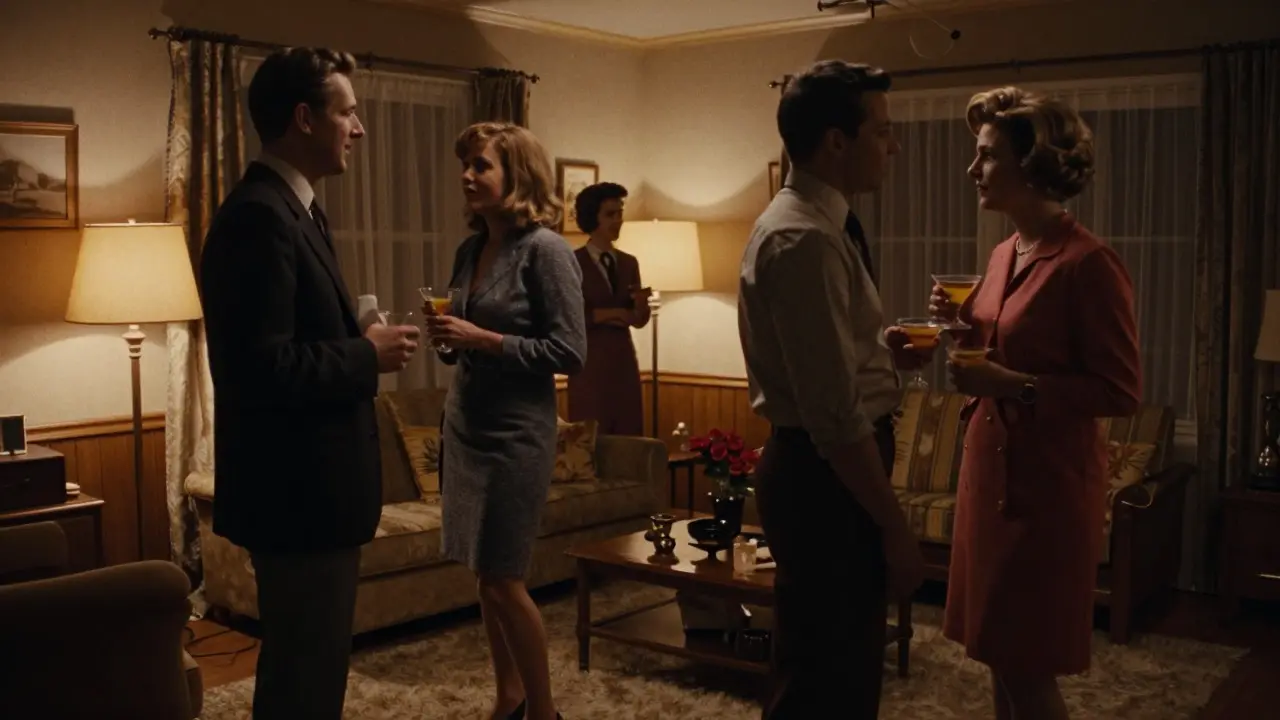
Key parties, also known as "party with keys" or "open door" gatherings, emerged in the early 1960s as a way for married couples to meet other like-minded partners. Unlike wild one-night stands, these events were highly structured. Couples would invite other couples to their home, often locking the front door after entry. Inside, guests were free to mingle, flirt, and engage in sexual activity with any partner present, provided both original partners consented. The term "key" referred to the literal key handed over to the host, symbolizing trust and access.
This format appealed to middle-class professionals who valued discretion. A doctor in Chicago or an engineer in Detroit could attend a key party on a Friday night, enjoy an evening of uninhibited connection, and return home by midnight to sleep in their own bed. The structure provided a safety net. Because everyone knew each other's spouses, the risk of public scandal was low. If word got out, it stayed within the circle. This sense of security was crucial. It allowed people to step outside their roles as "good wives" and "responsible husbands" without losing their social standing.
The logistics of these parties were precise. Hosts usually vetted guests carefully, ensuring they were reliable, clean, and respectful. Conversation flowed easily because shared interests and similar backgrounds created instant rapport. Food and drink were central, serving as icebreakers before the physical aspect took over. By the time the lights dimmed, the social barriers had already been lowered. This blend of socializing and sex made key parties unique. They weren't just about hooking up; they were about community building among those who felt isolated in their conventional lives.
From Key Parties to Swingers: Evolving Terminology
As these gatherings became more common, the terminology shifted. By the mid-1960s, the term swinger began to replace "key party attendee." The word "swinger" carried connotations of energy, movement, and breaking free from stagnation. It suggested that participants were actively choosing a different lifestyle, rather than just attending a specific type of party. This linguistic shift marked a broader cultural change. What started as a secretive ritual for a few became a recognizable subculture with its own identity.
The transition wasn't instantaneous. Many purists argued that true swingers lived a full-time alternative lifestyle, while key party attendees were merely "experimenters." However, in practice, the line blurred. Many couples started with occasional key parties and gradually increased their frequency. Some moved into dedicated swinger clubs or organized regular weekends at resorts. Others remained casual, preferring the privacy of their homes. Regardless of frequency, the core principle remained the same: consensual non-monogamy within a framework of mutual agreement and respect.
This evolution reflects a larger trend in the 1960s: the move from hidden deviance to visible identity. Just as gay men began forming organizations like the Mattachine Society, swingers began creating networks. They exchanged phone numbers, recommended hosts, and developed codes of conduct. This networking turned isolated incidents into a sustained social movement. It gave participants a sense of belonging and validation. They realized they weren't alone in their desires; they were part of a growing community challenging the status quo.
Suburban Context: Why the Middle Class Led the Charge
It might seem counterintuitive that the sexual revolution was driven so heavily by suburbanites. After all, the counterculture is often associated with urban hippies and anti-establishment youth. But the reality was different. Suburban life in the 1950s and early 1960s was characterized by extreme conformity. Women were expected to be homemakers, men were breadwinners, and children were raised according to strict religious and social guidelines. There was little room for individual expression, especially in the private sphere.
This rigidity created a pressure cooker. As the economy boomed and material comfort increased, people began asking deeper questions about meaning and fulfillment. The availability of the birth control pill, approved in 1960, played a critical role. For the first time, women could separate sex from reproduction. This freed up a massive amount of sexual energy that had previously been channeled solely toward procreation. In suburban households, this meant more frequent sex, but also a desire for variety and excitement. Key parties and swinging offered a way to satisfy this demand without threatening the stability of the nuclear family.
Furthermore, the isolation of suburban living made these groups essential. Unlike city dwellers who could encounter diverse lifestyles daily, suburban residents often lived in homogeneous bubbles. Meeting someone from a different background or with different values was rare. Therefore, when a couple discovered another pair who shared their interests, the connection felt profound. These relationships often lasted for years, forming tight-knit friend groups that extended beyond sex. They shared vacations, helped each other during crises, and supported each other through the ups and downs of marriage. In this sense, swinging was as much about emotional support as it was about physical pleasure.
Social Impact and Cultural Shifts
The impact of suburban sexual experimentation extended far beyond the bedroom. It contributed to the broader feminist movement by challenging traditional gender roles. When women participated in key parties, they asserted control over their bodies and desires. They negotiated terms, set boundaries, and took equal initiative in finding partners. This agency was radical in a society that still viewed women primarily as caregivers and dependents. While not all swingers were feminists, many found that exploring their sexuality empowered them in other areas of life, including careers and personal independence.
Simultaneously, these practices eroded the stigma around divorce and infidelity. If multiple partners were acceptable within a consensual framework, then the idea of exclusive monogamy as the only moral standard began to weaken. This paved the way for later debates about open marriages, polyamory, and no-fault divorce laws. The legal system eventually caught up, reflecting the changing social attitudes that had been brewing in suburban living rooms for over a decade.
| Aspect | Traditional Post-War Norms (1950s) | Swing Culture & Key Parties (1960s) |
|---|---|---|
| Sexual Frequency | Regulated by religious/social expectations | Frequent, driven by personal desire |
| Partner Selection | Lifetime commitment to one spouse | Consensual multiple partners within trusted circles |
| Gender Roles | Strict separation: male provider, female homemaker | Negotiated roles; women often initiated or co-led |
| Privacy | High secrecy; sex was a taboo subject | Open discussion within peer groups; normalized talk |
| Contraception | Risky methods; high pregnancy rates | Pill usage; planned sex separated from birth |
The Role of Media and Pop Culture
Pop culture both reflected and accelerated these changes. Movies like Who's Afraid of Virginia Woolf? (1966) exposed the cracks in the facade of suburban happiness, showing audiences that marriage could be messy, competitive, and emotionally raw. Books like The Joy of Sex (1972, though rooted in earlier trends) brought sexual education into mainstream libraries. While not directly about swinging, these works validated the idea that sex should be pleasurable and explored, not just functional.
Music also played a part. Folk and rock songs increasingly referenced love, longing, and freedom. Lyrics that would have been considered indecent in the 1950s became commonplace. This cultural backdrop made it easier for suburban couples to justify their experiments. They weren't rebelling against everything; they were aligning themselves with a new, emerging definition of maturity and honesty. The media helped normalize the conversation, making it less likely that a neighbor would judge a couple for having friends over on a Friday night.

Legacy and Modern Echoes
Today, the legacy of 1960s suburban experimentation is visible in modern dating apps, open relationship discussions, and the general acceptance of non-traditional family structures. The idea that marriage doesn't have to mean total exclusivity is now a recognized option for many adults. While the specific format of key parties has evolved into online communities and dedicated clubs, the core spirit remains. People still seek connection, variety, and authenticity in their intimate lives.
However, the context has changed. Technology has made discovery easier but also more anonymous. The tight-knit, vetted nature of 1960s swing groups is harder to replicate in an age of swipe-right culture. Yet, the fundamental human drive to explore and connect persists. The 1960s revolution taught us that intimacy is complex, fluid, and deeply personal. It showed that even in the most conservative corners of society, change can start quietly, behind closed doors, and reshape the world.
Frequently Asked Questions
What exactly was a key party in the 1960s?
A key party was a social gathering hosted by a married couple where other couples were invited to exchange partners sexually. The term "key" referred to the host providing a key to the home, symbolizing trust and access. These events were typically discreet, taking place in suburban homes, and focused on consensual non-monogamy among trusted peers.
How did the birth control pill influence swing culture?
The approval of the oral contraceptive pill in 1960 allowed women to separate sex from pregnancy. This reduced the fear of unintended consequences from extra-marital encounters, making it safer and more appealing for couples to experiment with multiple partners. It empowered women to take control of their reproductive choices, which was a key factor in the growth of swing culture.
Why did suburbanites lead the sexual revolution?
Suburban life in the 1950s was highly conformist and isolating. The pressure to maintain a perfect image created a need for private outlets for expression. With higher incomes and greater comfort, suburban couples had the resources and leisure time to explore new social dynamics. Additionally, the lack of diverse social exposure in homogeneous neighborhoods made these secret groups feel like vital connections.
What is the difference between a key party and a swinger club?
A key party is a private, home-based event with a limited number of pre-vetted guests, emphasizing personal trust and discretion. A swinger club is a commercial venue open to members, often with a larger crowd and less personal vetting. Key parties were more intimate and community-focused, while clubs offered anonymity and a wider pool of potential partners.
Did swing culture affect marriage stability?
For many participants, swing culture strengthened their marriages by introducing novelty and communication. However, it required strong boundaries and mutual consent. If these conditions were met, couples often reported higher satisfaction. If not, it could lead to conflict. The success of the arrangement depended heavily on the quality of the primary relationship and the level of trust between partners.