Evolutionary Biology and Human Sexuality: How Our Past Shapes Desire, Gender, and Reproduction
When we talk about evolutionary biology, the scientific study of how species change over time through natural selection and genetic variation. Also known as Darwinian biology, it doesn’t just explain why giraffes have long necks—it explains why humans feel shame around masturbation, why men and women are often treated differently from birth, and why some cultures see sex as sacred while others treat it as sinful. This isn’t abstract science. It’s the hidden code behind every sexual norm, gender expectation, and reproductive choice you’ve ever seen.
Take mammalian reproduction, the biological process by which mammals give birth to live young, ranging from egg-laying platypuses to placental humans. It didn’t happen overnight. Over 200 million years, mammals evolved from laying eggs to carrying babies inside, then nursing them after birth. That shift changed everything: it forced mothers into longer, more vulnerable caregiving roles, which in turn shaped how societies divided labor between men and women. That’s why gender socialization, the process by which families and cultures teach children what behaviors are "male" or "female". starts the day a baby is born—with pink or blue blankets, toy trucks or dolls. Evolution didn’t design gender roles, but it created the biological conditions that made them stick.
And then there’s sexual selection, the evolutionary pressure that favors traits that increase mating success, even if they’re costly or dangerous. Think peacock tails. In humans, it shows up in how we judge attractiveness, why some cultures value virginity while others don’t, and why men and women often have different approaches to sex and relationships. This isn’t about morality—it’s about survival. The Victorian idea that women shouldn’t enjoy sex? That wasn’t religion. That was a misunderstanding of biology, twisted by power. The same goes for the myth that vaginal orgasms are "more mature" than clitoral ones. Anne Koedt debunked that in 1968, and evolutionary biology backs her up: the clitoris exists for pleasure, full stop.
Modern medicine still struggles with this. IVF timing, HCG triggers, even HIV treatments—they all rest on the same biological truths evolutionary biology uncovered. But culture lags behind. We still punish women for masturbating, erase bisexuality, silence lesbian history, and treat prostitution as a moral failure instead of a survival strategy that’s existed since ancient temples. Evolutionary biology doesn’t excuse these behaviors—it explains why they exist, and why they’re changing.
What you’ll find here aren’t just stories about sex. They’re stories about survival. How medieval families used marriage like stock swaps. How Victorian doctors sold steam-powered vibrators to cure "hysteria." How Etruscans painted sex on tombs because they believed pleasure led to the afterlife. How AIDS killed optimism but forced a new kind of honesty. These aren’t random facts. They’re all branches of the same tree: evolutionary biology. And every post here shows how we’re still living with its consequences—trying to rewrite the rules, one consent, one orgasm, one law at a time.
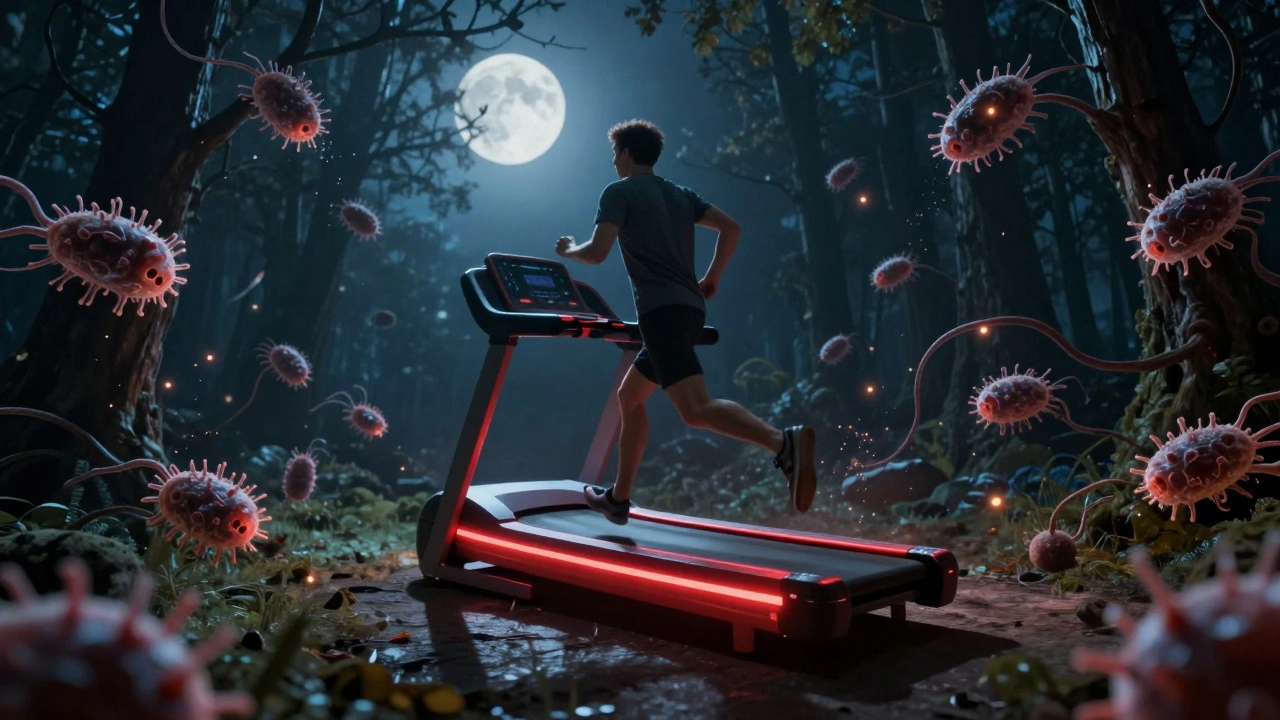
The Red Queen Hypothesis: Why Sex Persists in a World of Ever-Changing Parasites
Feb 25 2026 / History & CultureThe Red Queen hypothesis explains why sexual reproduction persists despite its costs: parasites drive constant evolutionary change, making genetic diversity through sex a survival necessity.
VIEW MORE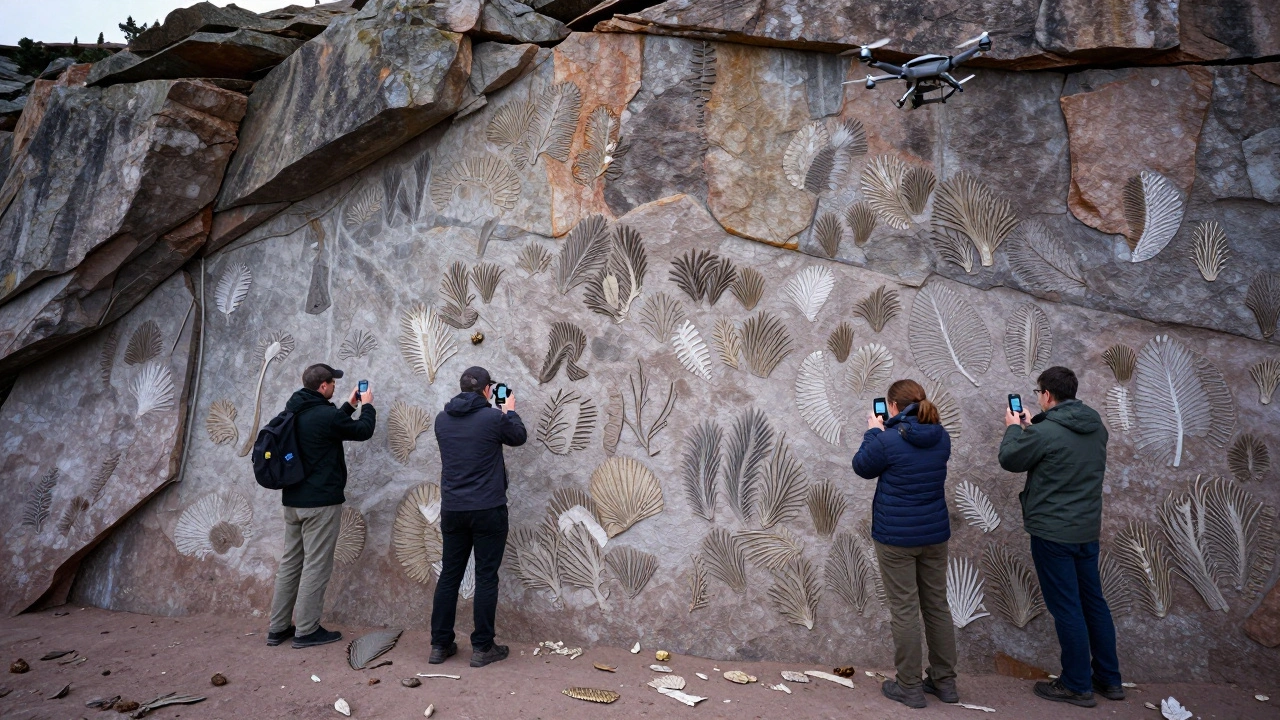
The Fossil Record of Sex: How Scientists Uncover Ancient Reproductive Strategies
Dec 7 2025 / History & ArchaeologyPaleontologists are uncovering how ancient life reproduced over 500 million years ago using spatial analysis, embryonic fossils, and advanced imaging. Discover how sex evolved long before dinosaurs-and why it changes everything we thought about early life.
VIEW MORE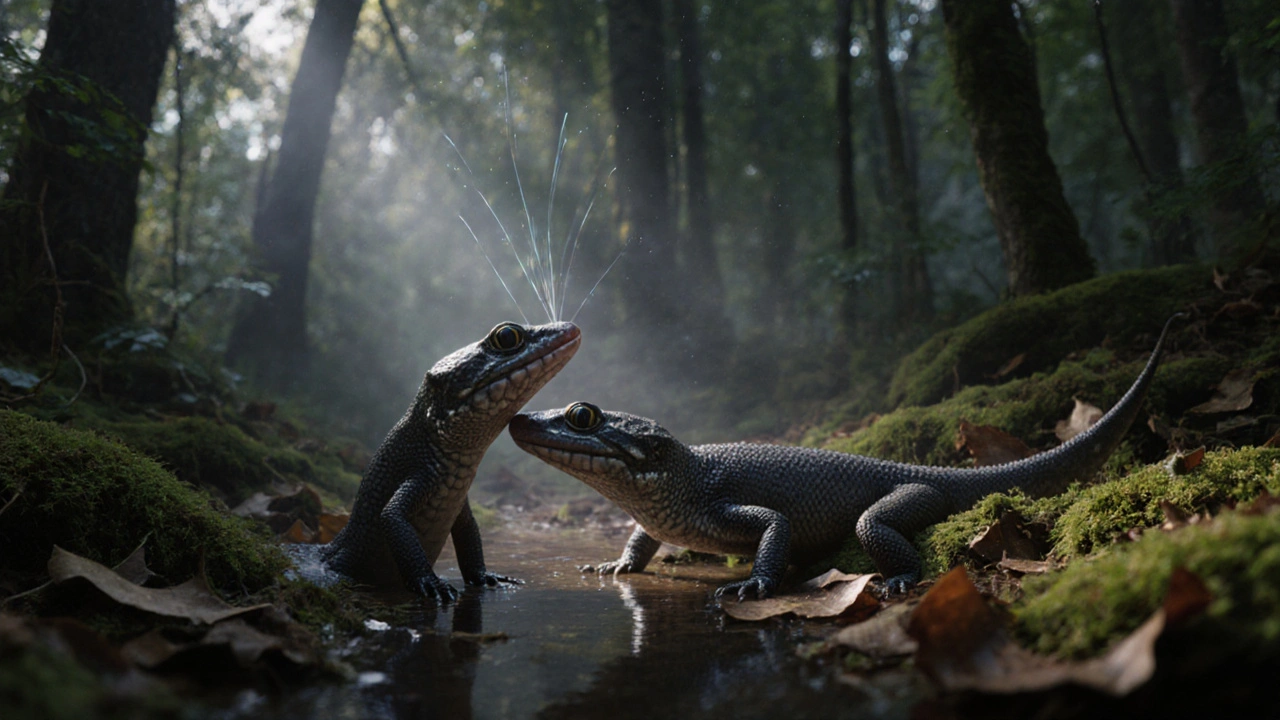
How Sexual Signals Evolved: From Pheromones to Bird Dances
Nov 14 2025 / History & CultureFrom pheromones to bird dances, sexual signals are ancient, complex, and essential for reproduction. Explore how evolution shaped courtship across species-and why these rituals are now under threat.
VIEW MORE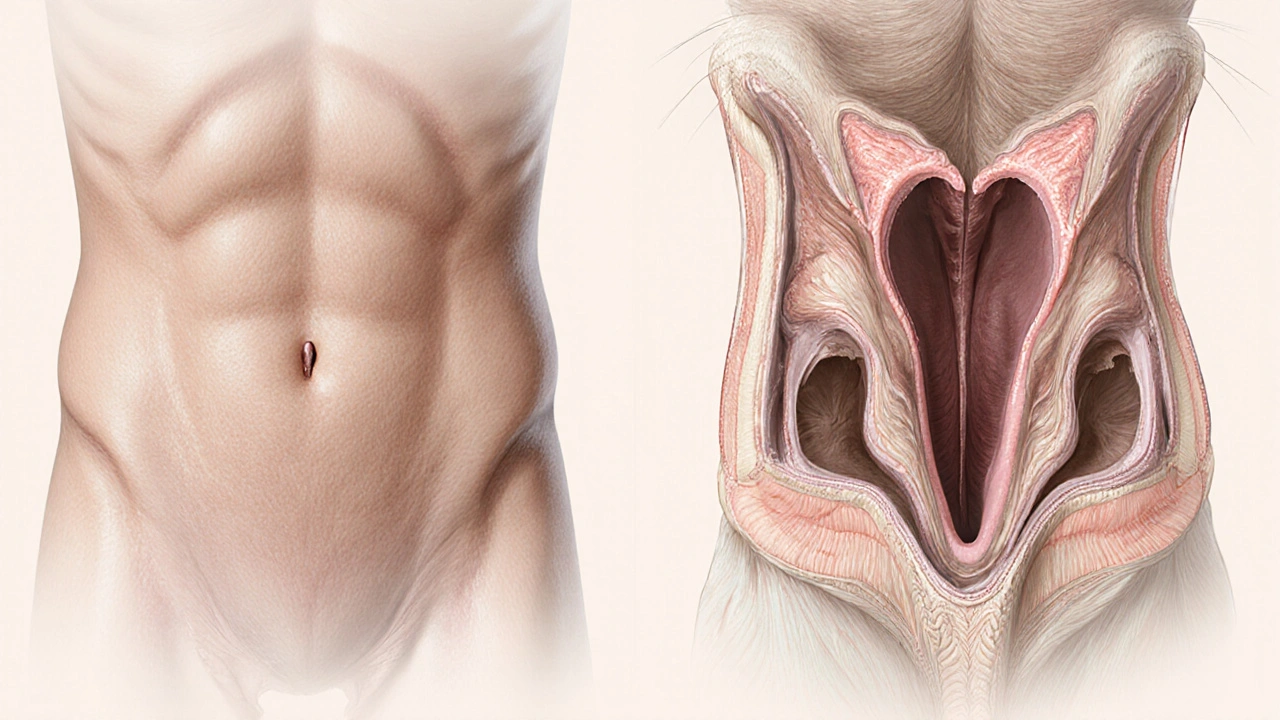
Why Does the Female Orgasm Exist If It’s Not Needed for Reproduction?
Nov 10 2025 / Health & WellnessThe female orgasm isn't needed for reproduction-but it exists because our ancestors needed it to ovulate. Evolution kept the pleasure system even after it lost its job, explaining why most women need clitoral stimulation to climax.
VIEW MORE
The Cost of Sex in Evolution: Why Sexual Reproduction Persists Despite Its Big Downside
Nov 9 2025 / History & CultureSexual reproduction carries a two-fold cost compared to asexual reproduction, yet it dominates complex life. This article explains why the long-term genetic benefits - from fighting parasites to cleaning mutations - outweigh the short-term disadvantage.
VIEW MORE