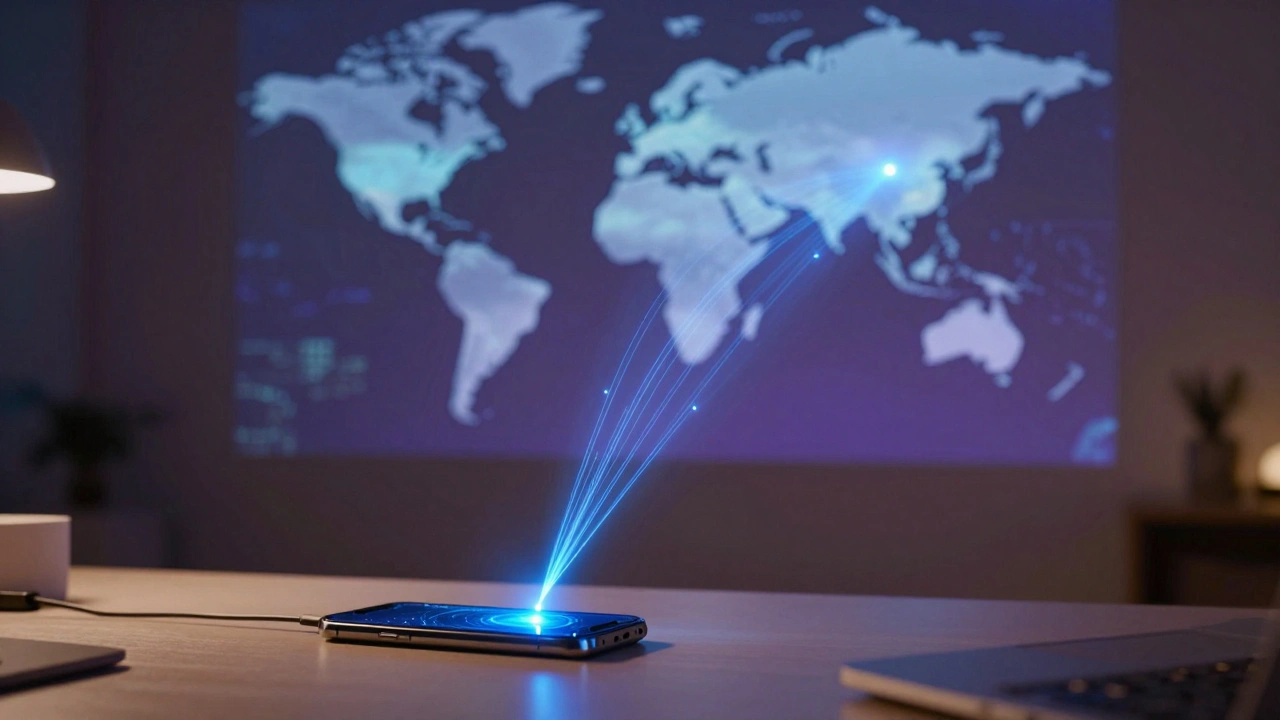
Connection Quality & Latency Simulator
Configuration
Simulation Output
Transmission Time
-
Verdict
Ready
Imagine sending a physical touch across thousands of miles of empty space. That was the futuristic promise made decades ago, and today, it’s a reality available on app stores worldwide. We often think of long-distance relationships as limited to video calls and texts, but technology has closed the physical gap. By 2026, the industry has evolved from crude prototypes to sophisticated devices that sync perfectly over high-speed internet. This isn't just about remote buttons; it involves complex data transmission, security protocols, and a legal history that actually stopped progress for years.
The Definition of Teledildonics
To understand where we are, we need to look at where the term came from. Teledildonics is a system of virtual sexual encounters that uses networked electronic sex toys to replicate human interaction. The phrase itself sounds awkward, but it holds specific meaning. Technology writer Howard Rheingold coined the term in his 1991 book titled Virtual Reality. He wasn't describing a product you could buy at a store; he was theorizing about future possibilities. He predicted that technology would eventually let people have tactile intimacy despite physical separation.
This concept separates the technology from standard vibrating toys. A simple toy vibrates when you press a button. A teledildonic device communicates. If one person touches their device, the signal travels through the cloud to a partner's device somewhere else in the world, triggering a vibration or motion exactly when the input happened. It creates a loop of cause and effect. This real-time feedback is what defines the category, distinguishing it from pre-programmed settings or manual remotes.
The Patent Monopoly
You might expect a booming market to start developing steadily after 1991. In reality, innovation stalled because of legal barriers. A major hurdle appeared in 1998 with the granting of U.S. Patent 6,368,268. This patent covered interactive remote-controlled sex technology. It essentially gave the holder a monopoly on any system allowing two people to have sex remotely via a computer connection.
For many years, companies couldn't release competing products without risking lawsuits. This created a bottleneck. While the internet was getting faster and smartphones were arriving, few companies dared to build compatible toys. They feared being sued for infringing on the broad language of the patent. It took over a decade before the landscape shifted enough for competitors to enter the market safely. This delay explains why, despite the concept existing since the early 90s, consumer products really only exploded onto the scene around 2003 and later.
| Technology | Range | Use Case | Latency |
|---|---|---|---|
| Bluetooth | Up to 30 meters | Solo play, nearby partners | Near zero |
| WiFi / 5G | Global | Long-distance couples, cam sites | Varies by ISP |
| Dedicated Radio | Line of sight | Legacy devices | Low interference |
How the Hardware Works
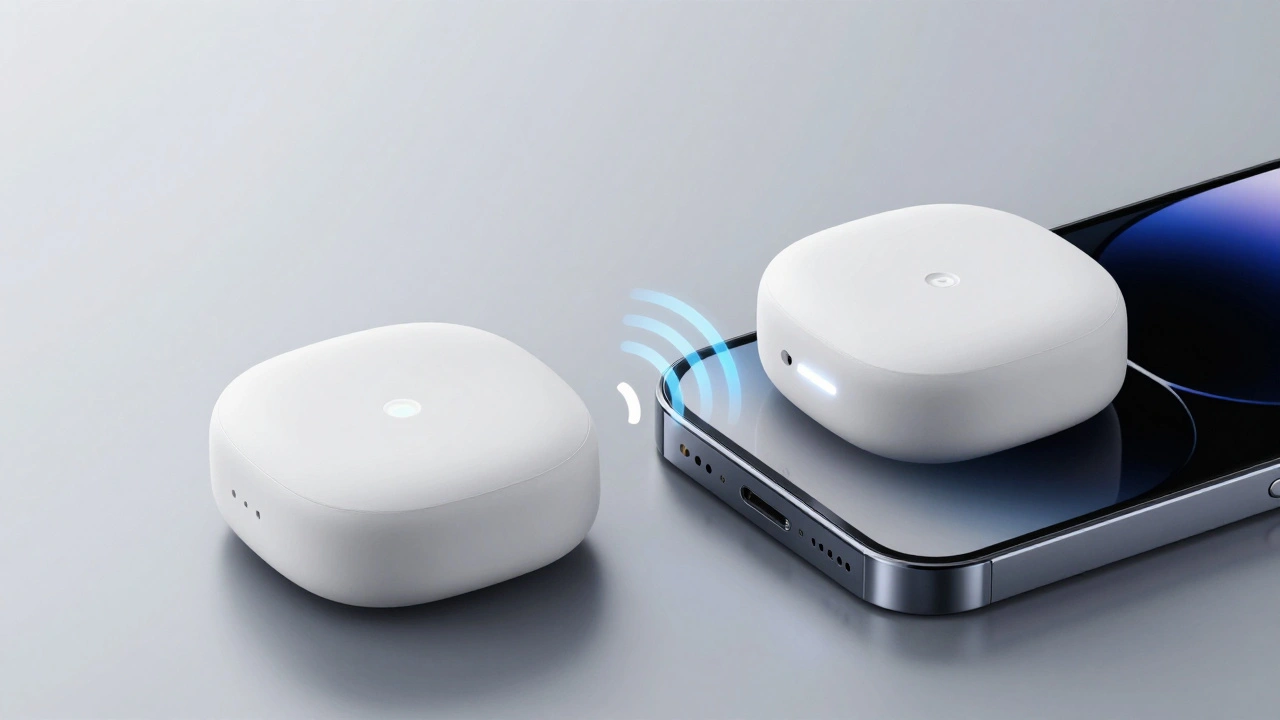
The magic happens thanks to Haptic Technology is technology that recreates the sensation of touch through force, vibration, and motion. Think about how a Nintendo Switch controller shakes when your character takes damage in a game. That is basic haptic feedback. Teledildonics take this further by mapping movement to sensation. One side sends data about pressure or speed, and the receiver converts that digital data into physical motor action.
Most devices rely on Bluetooth for short-range connection. This works great if you are in the same room or bedroom. However, for true distance, you need the internet. This requires a smartphone app acting as a bridge. The phone connects to the toy via Bluetooth, then sends instructions out over WiFi or mobile data. You cannot do long-distance play without the app. It acts as the translator between the local hardware and the distant server.
Latency is the enemy here. If you touch your device and your partner feels it five seconds later, the illusion breaks. Engineers work hard to keep delays under 100 milliseconds. High-speed internet is required. Using public WiFi in a hotel often fails because of firewalls blocking port connections. Many modern apps now use peer-to-peer encryption to bypass some of these bottlenecks, ensuring the signal gets through without passing through too many relay servers.
Major Players and Devices
As the legal threats eased, several brands carved out space in the market. Two names dominate the conversation regarding connectivity and quality. Kiiroo gained attention by focusing on premium materials and robust software. Their Onyx+ sleeve and Pearl 2 vibrator are designed to pair with each other. Unlike older models where you had to hold the phone, newer versions allow the toys to communicate directly once paired. You move one, the other responds automatically. It frees up your hands.
Another major manufacturer is Lovense. They popularized the "couple mode" feature found in devices like the Nora series. These units often integrate with adult webcam sites. Performers can wear the device, and paying subscribers can trigger specific patterns remotely. While this commercial use is common, domestic couples use it to feel closer during dinner dates or late-night chats.
We also see Artificial Intelligence is software that learns from user preferences to adjust performance automatically. creeping into this space. Some newer toys record your reaction times and preferred intensities. After a few sessions, the device adjusts its default settings to match your sensitivity. It moves away from random patterns toward personalized curves. As of 2026, this AI integration is becoming standard on mid-range devices rather than exclusive luxury items.

Security and Privacy Concerns
While the technology offers connection, it also introduces vulnerability. Because these toys connect to the internet, they are technically IoT devices (Internet of Things). Like any smart device, they require software updates to patch security holes. There have been instances where hackers accessed weak passwords and turned on devices unexpectedly. Imagine waking up to vibrations controlled by someone who shouldn't be in your account.
App developers have implemented safeguards. Most platforms require you to invite others to your session via a unique code. You revoke access instantly with a tap. However, users must remain vigilant. Using strong passwords and enabling two-factor authentication on the app account is essential. You should treat the credentials for these apps with the same care as your banking login. If a company suffers a data breach, your privacy settings could be compromised, so checking for regular security updates on the app is a necessary habit.
The Road Ahead
We are moving past the initial stage of adoption. The next wave focuses on sensory fidelity. Current devices mostly vibrate or rotate. Research labs are exploring heating elements, skin temperature simulation, and more complex textures. Virtual reality headsets are beginning to sync with these toys to immerse users visually while maintaining the physical link. With 5G networks expanding globally, latency will drop even lower. This makes real-time interaction smoother, almost indistinguishable from being in the same room.
The legal landscape remains fluid. Patents expire, but new ones form around AI algorithms and specific sensor arrangements. Regulation is also catching up. Health authorities are starting to review electrical safety standards more closely to ensure batteries do not pose a risk. For now, the market continues to grow, driven by a demand for connection in an increasingly digital world.
Can I use teledildonics without an app?
No. Almost all modern devices require a smartphone application to manage Bluetooth pairing and transmit signals over the internet. The app acts as the bridge for remote control.
Is my activity private?
Reputable manufacturers use encryption to protect your data. However, you should always check the app's privacy policy and use strong passwords to prevent unauthorized access.
Do I need 5G for remote play?
Not necessarily. A stable 4G or high-speed Wi-Fi connection is sufficient. However, 5G reduces lag significantly, improving the responsiveness for long-distance interactions.
When did the patent monopoly end?
The constraints began loosening gradually after 2010, allowing more companies like Kiiroo and Lovense to manufacture competitive products without fear of immediate litigation.
What is the role of Bluetooth versus Internet?
Bluetooth handles the direct link between your phone and the toy locally. The Internet allows that signal to travel to another device anywhere in the world.