The Marketing Decoder: Period Edition
For decades, the feminine hygiene industry used specific "coded" language to sell products by manufacturing insecurity. Click on the highlighted marketing terms below to decode what they were actually selling you.
Imagine you are reading a typical ad from the 20th century. Notice the phrases that sound helpful but are designed to create shame:
"Our new product ensures you stay discreet throughout your day. Don't let your hygienic handicap slow you down. Our solution is designed to be virtually undetectable, so you can simply act normal. Why suffer in silence when you can achieve total invisibility?"
Ever wonder why you feel the need to hide a tampon up your sleeve like a secret agent when heading to the restroom? Or why, for decades, commercials used blue liquid instead of red to show how a pad works? It isn't just a social quirk. You're experiencing the result of a century-long marketing campaign designed to make you feel embarrassed by a basic biological function. For decades, the feminine hygiene industry is a commercial sector specializing in the production and sale of menstrual products like pads, tampons, and cups hasn't just been selling cotton and plastic; it's been selling the idea that menstruation is a problem that needs to be hidden.
| Era | Core Message | Marketing Tactic | Goal |
|---|---|---|---|
| 1920s - 1950s | Hygienic Handicap | Brown paper packaging, silent coupons | Total Concealment |
| 1960s - 1980s | The Silent Burden | Avoiding the word "period," focusing on "discretion" | Social Invisibility |
| 1990s - 2010s | Empowered Secrecy | "Act normal" while remaining undetectable | Controlled Normalization |
| 2020s - Present | Period Positivity | Educational content, "end the stigma" campaigns | Brand Alignment/Awareness |
The 1920s: Engineering the "Hygienic Handicap"
The blueprint for period shame was drawn up in the 1920s. When the first commercial menstrual products hit the market, advertisers didn't frame them as tools for health. Instead, they framed menstruation as a "woman's greatest hygienic handicap." By calling a natural cycle a handicap or a "disease of the pelvic organs," brands created a problem that only their products could solve. If you're told your body is malfunctioning or "unclean," you're much more likely to buy a solution to fix it.
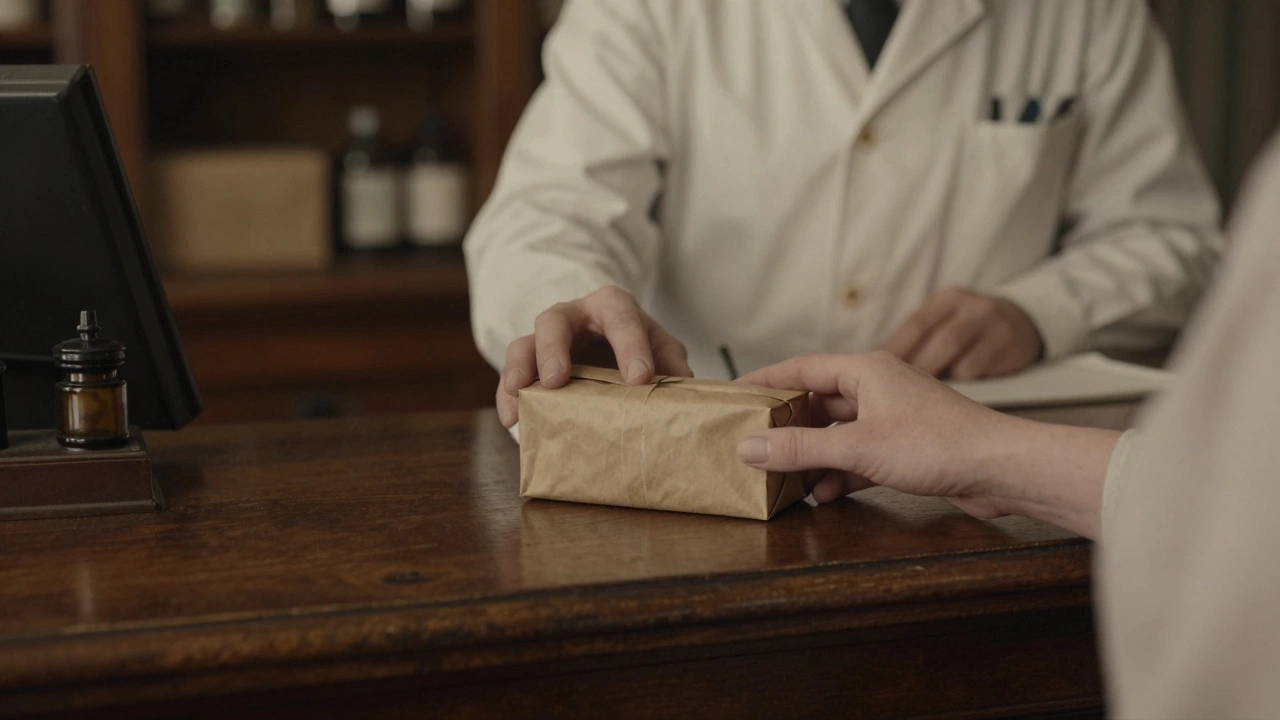
The tactics used by Johnson & Johnson during this era are a masterclass in psychological manipulation. They ran magazine ads with coupons that women could cut out and hand to a pharmacist. Why? So they wouldn't have to say the words "menstrual products" out loud. By designing a system that removed the need for verbal communication, the company didn't just provide a convenience-they validated the idea that asking for these products was inherently embarrassing. This institutionalized the silence that would last for generations.
A Boys' Club Running the Show
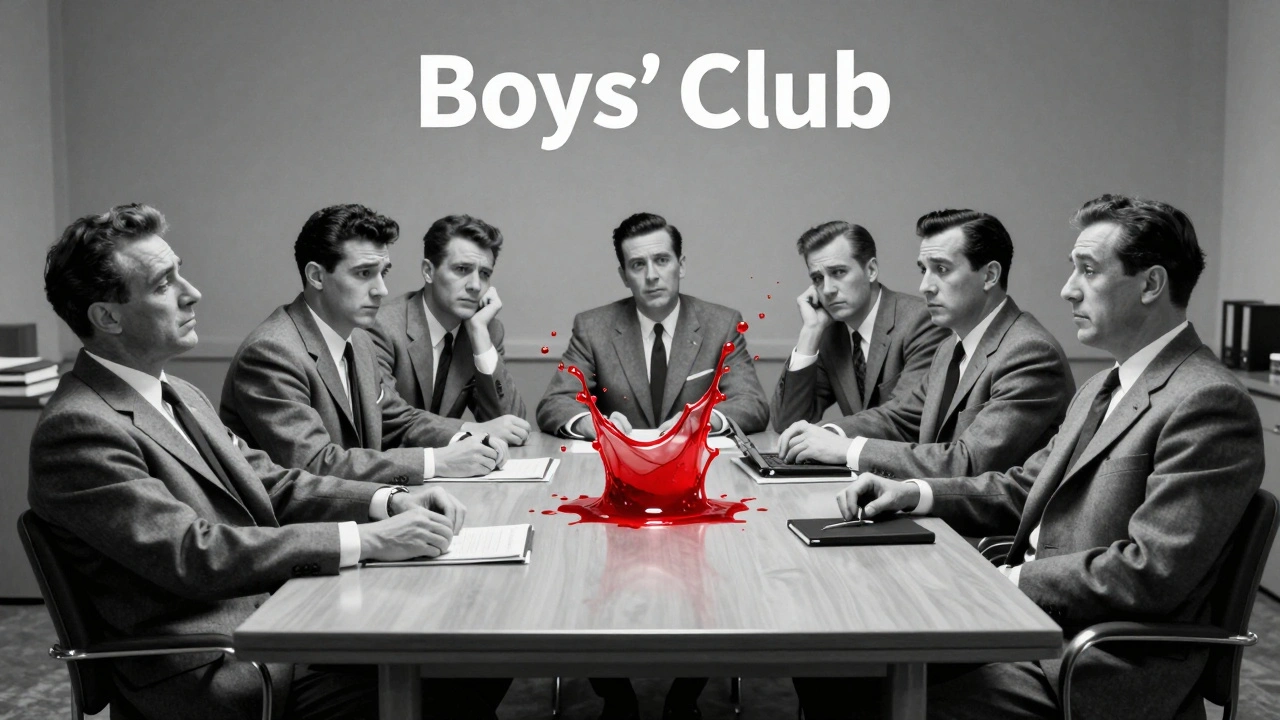
To understand why period ads feel so disconnected from reality, you have to look at who was writing them. For most of the 20th century, the advertising industry was a male-dominated fortress. Many male executives found the topic of menstruation repulsive or confusing, and some even refused to take on accounts for menstrual products. When they did, they approached the task with a mix of ignorance and misogyny.
Because the people in charge didn't understand the lived experience of menstruating, they relied on stereotypes. They portrayed periods as a mysterious, inconvenient burden that made women fragile or irritable. This disconnect led to a style of advertising that treated the period as a taboo to be managed rather than a biological reality. The result was a cycle where men marketed a product to women by telling those women that their own bodies were shameful.
The Language of Discretion
Have you noticed how often the word "discreet" appears on a box of tampons or pads? In the world of marketing, "discreet" is code for "invisible." For years, the industry pushed the idea that the ultimate goal of a period product was to ensure the world never knew you were menstruating. Products came in plain brown paper boxes to hide the contents from public view, and ads promised that the products were "virtually undetectable."
The level of censorship was staggering. The word "period" wasn't even spoken in a television commercial until 1985. Imagine that-over sixty years of advertising a product without ever naming the thing it was designed for. This linguistic erasure sent a powerful message: the act of menstruation is so taboo that the word itself is forbidden from the airwaves. Even after the ban on period ads on TV and radio was lifted in 1972, strict regulations remained, ensuring that the conversation stayed whispered and vague.
The Psychological Cost of "Acting Normal"
The industry has long played a double game. On one hand, they tell young girls to "act normal" and be confident. On the other, they provide a suite of products designed to ensure that their periods remain a total secret. This creates a psychological paradox: you are told you are normal, but you are instructed to hide the very thing that makes you normal.
This manufactured shame has real-world consequences. When we are taught that our bodies are "gross" or "messy," it affects our mental health. A poll of 2,000 people in the U.S. revealed that over 58% of women felt embarrassed simply because they were on their periods. This isn't a natural feeling; it's a learned response. This shame leads to people missing school or work, avoiding seeking medical help for painful cycles, and feeling a deep sense of isolation. When marketing portrays menstrual blood as more repulsive than the gore in a horror movie, it detaches us from our own physical health.
The Profitability of Insecurity
Let's be honest: shame is profitable. If menstruation were viewed as a sign of a healthy, functioning body, the industry wouldn't be able to sell "solutions" to a "problem." By framing the period as an illness or an undesirable condition, companies create a perceived need for constant management. This was evident in the 1972 Femfresh campaign, which sold vaginal deodorants by playing on women's fears of being undesirable or "smelling" during their cycles.
This is a classic predatory marketing loop: the industry helps create the taboo, makes you feel insecure about it, and then sells you the only way to "escape" that insecurity. By positioning concealment as the primary benefit, they ensure that the customer remains dependent on the product to maintain their social standing and dignity.

The Modern Shift: Progress or Pivot?
Recently, there's been a visible change. We're seeing a global movement against period shaming. Brands like Kotex have launched initiatives to challenge stigma, and social media is full of creators calling for an end to euphemisms like "aunt flow." There is a growing push to use the correct terminology and to normalize menstruation as a standard part of human health.
But we have to ask: is this a genuine shift in values or just a new marketing strategy? While the surface-level imagery is becoming more inclusive and "empowered," the underlying rhetoric of many products still focuses on concealment. Many brands are now "selling" empowerment, but they're still selling the same plastic tools designed to hide the blood. The challenge for the modern menstruator is to unlearn a century of programmed shame and realize that the "problem" was never the biology-it was the business model.
Why did period ads use blue liquid instead of red?
The use of blue liquid was a strategic choice by advertisers to avoid the perceived "grossness" of blood. By replacing red with blue, the industry could demonstrate the absorbency of a product without triggering the visceral revulsion that male executives and focus groups associated with menstrual blood, further reinforcing the idea that actual blood is something to be ashamed of.
When did the word "period" first appear in TV commercials?
Surprisingly, the word "period" was not spoken in a television commercial until 1985. Before this, advertisers relied on vague terms and euphemisms to avoid the taboo associated with the word itself.
How does period shaming affect health?
Period shaming can lead to a decrease in health literacy. When people are taught to be ashamed of their cycles, they are less likely to track their symptoms or speak openly with doctors about issues like endometriosis or PCOS, often dismissing severe pain as something they just have to "quietly endure."
What is the "discreet" marketing tactic?
The "discreet" tactic involves emphasizing a product's ability to be hidden. By focusing on how a pad or tampon is "undetectable," brands implicitly tell the consumer that being noticed while menstruating is a social failure, thereby reinforcing the need for the product to maintain a facade of "normalcy."
Are modern "period positive" ads actually helpful?
They are a step in the right direction by normalizing the conversation and reducing the stigma for younger generations. However, critics argue that if the products still primarily market concealment and the companies don't address the systemic issues of period poverty or health access, it may be more of a branding exercise than a social revolution.
Next Steps for Breaking the Cycle
If you're looking to push back against a century of marketed shame, start with the language. Stop using euphemisms; call it a period, call it menstruation, call it blood. When you see a product that promises to be "invisible," ask yourself why that's being sold as a feature. By consciously recognizing that your embarrassment was an engineered product, you can start to reclaim your bodily autonomy from the marketing departments of the world.