Dalkon Shield History Quiz
How well do you know the story of one of America's most infamous medical device failures? Test your knowledge below.
Loading question...
Imagine trusting a medical device with your body, only to find out years later that the very thing meant to protect you was silently causing damage. For hundreds of thousands of women in the early 1970s, this wasn't a hypothetical nightmare-it was their reality. The Dalkon Shield, an intrauterine device (IUD) marketed as a safe and effective form of birth control, became one of the most infamous medical disasters in American history. It wasn't just a product failure; it was a systemic breakdown in how we test, approve, and monitor medical devices.
The Promise of the Dalkon Shield
In the late 1960s, contraception was a landscape of limited options. The pill was popular but came with side effects many women found intolerable. Diaphragms were cumbersome, and condoms weren't always reliable. Enter the Dalkon Shield. Developed by A.H. Robins Company and designed by Hugh Davis, it promised something revolutionary: long-term, reversible protection without daily maintenance or hormonal interference.
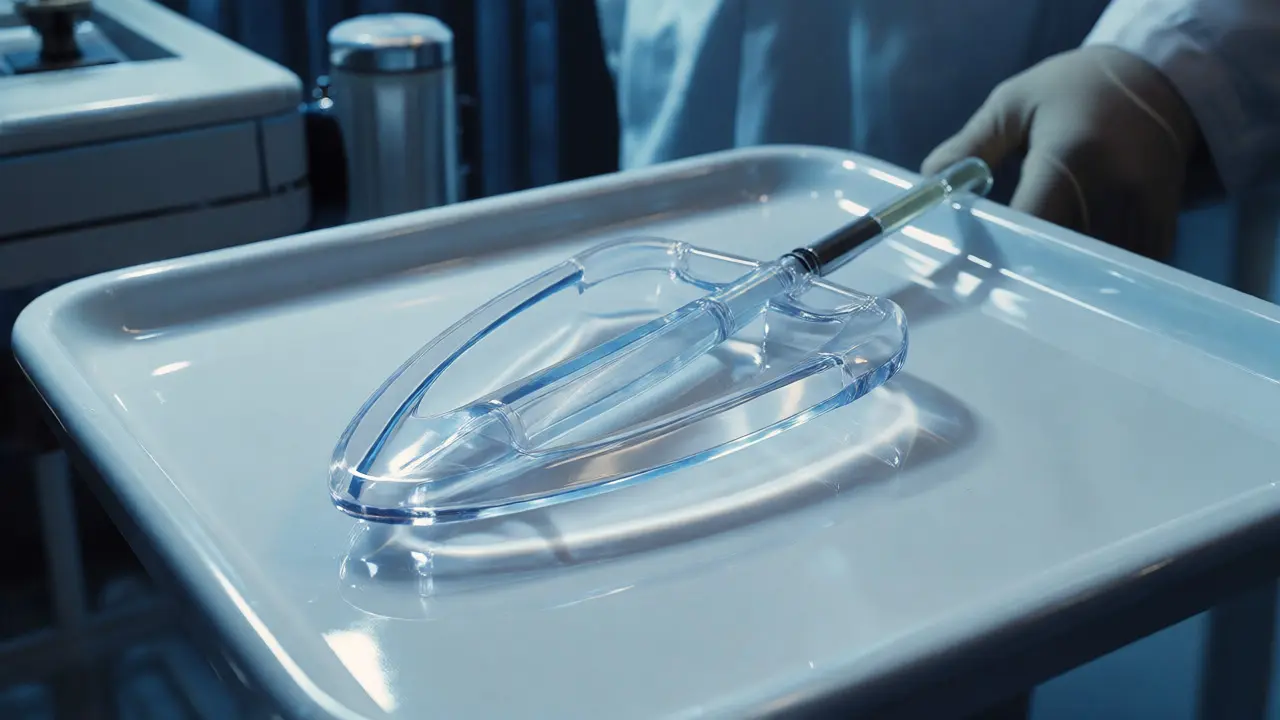
The device looked sleek. It was smaller than previous IUDs, shaped like a shield, and advertised as having fewer side effects. Doctors were eager to prescribe it because it offered a "set it and forget it" solution for family planning. Patients were thrilled. Here was freedom from the pill’s nausea and mood swings, without the hassle of remembering to take a medication every day. By 1973, over 2.5 million women had inserted the Dalkon Shield. But beneath that sleek plastic exterior lay a design flaw that would change medical regulation forever.
The Design Flaw Nobody Caught
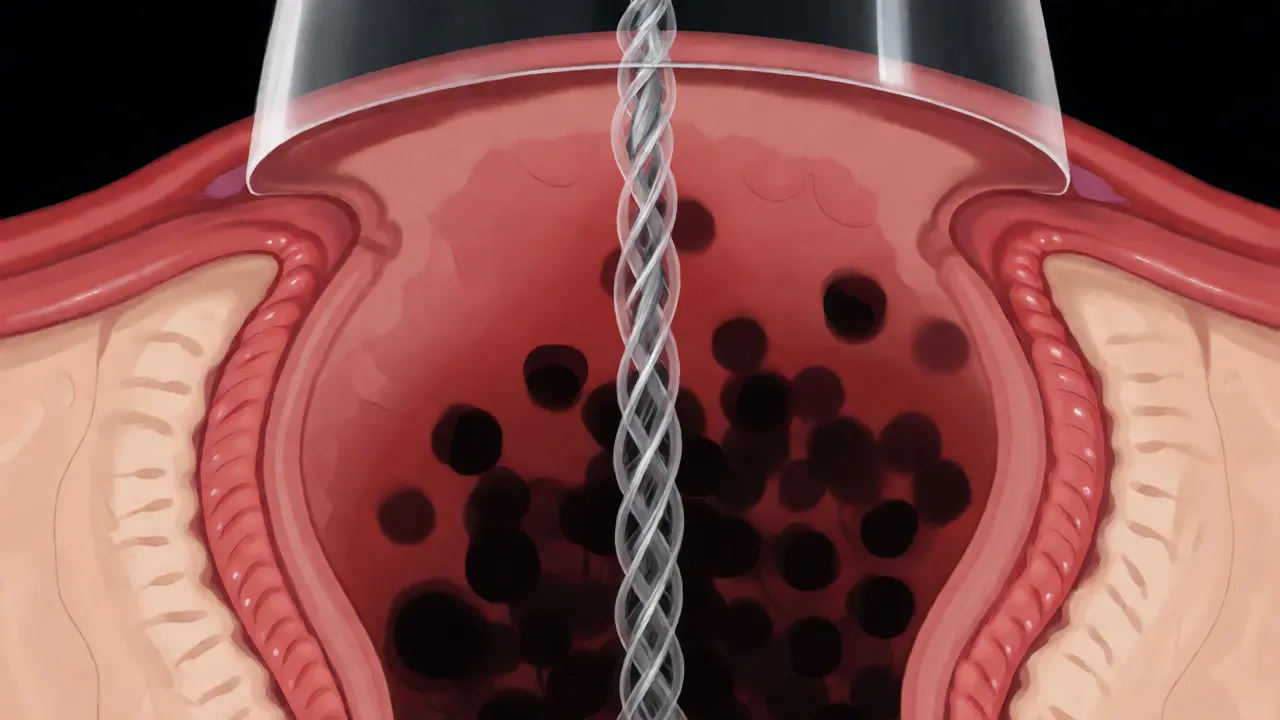
What made the Dalkon Shield different-and dangerous-was its tail. Most IUDs used a monofilament thread, a single strand of material that didn’t absorb fluids. The Dalkon Shield, however, used a multifilament string made of twisted nylon fibers. Think of it like a shoelace versus a fishing line. When exposed to bodily fluids, the twisted fibers acted like a wick, drawing bacteria from the vagina up into the uterus.
This capillary action allowed pathogens to travel directly into the sterile environment of the womb. The result? Severe infections, septic miscarriages, and infertility. Many women experienced intense pain, fever, and bleeding shortly after insertion. Others suffered silent damage, only discovering issues when they tried to conceive years later. The irony is painful: a device designed to prevent pregnancy often left women unable to get pregnant at all.
| Feature | Dalkon Shield | Copper T (Paragard) | Lippes Loop |
|---|---|---|---|
| Material | Plastic with multifilament tail | Plastic with copper wire | Plastic with monofilament tail |
| Infection Risk | High (due to wicking effect) | Low | Moderate |
| Target User | General population | Long-term users | Historical use |
The Regulatory Gap
Why did this happen? In 1970, the United States had virtually no federal oversight for medical devices. Unlike drugs, which underwent rigorous testing before hitting the market, devices could be sold based on manufacturer claims alone. The Food and Drug Administration (FDA) had limited authority to recall unsafe products.
A.H. Robins knew about the risks. Internal memos revealed that company executives were aware of higher-than-expected complication rates. Yet, they pushed forward, prioritizing sales figures over patient safety. They even manipulated data to downplay infection rates in studies submitted to doctors. This wasn't just incompetence; it was a culture of profit over prudence.
The Human Cost
The statistics are staggering. Over 18 deaths were directly linked to the Dalkon Shield, primarily due to septic abortions. Thousands more suffered from pelvic inflammatory disease (PID), chronic pain, and tubal factor infertility. For many women, the emotional toll was heavier than the physical one. Imagine being told your fertility was compromised by a device you trusted to help you plan your life.
Legal battles ensued. Class-action lawsuits piled up, eventually leading to a massive settlement. A.H. Robins filed for bankruptcy under Chapter 11 specifically to handle these liabilities-a first for a major corporation driven by tort litigation. The legal precedent set here reshaped how personal injury cases involving medical devices were handled.

Legacy and Lessons Learned
The Dalkon Shield disaster didn't just hurt patients; it changed the law. In response, Congress passed the Medical Device Amendments of 1976. This legislation gave the FDA the power to classify devices by risk level and require pre-market approval for high-risk items. Today, any new IUD must undergo stringent clinical trials before reaching consumers.
Modern IUDs, like the Copper T and hormonal Mirena, are far safer. They use monofilament strings and have undergone decades of refinement. But the shadow of the Dalkon Shield still lingers. It serves as a reminder that "new" doesn't always mean "safe," and that regulatory vigilance is essential for public health.
Frequently Asked Questions
Was the Dalkon Shield banned?
Yes, the Dalkon Shield was withdrawn from the market in 1974 after reports of severe complications emerged. It is no longer manufactured or distributed.
How many women were affected by the Dalkon Shield?
Approximately 2.5 million women had the Dalkon Shield inserted between 1971 and 1974. Estimates suggest that tens of thousands suffered serious injuries, including infections and infertility.
Did the Dalkon Shield cause cancer?
No, the primary issues associated with the Dalkon Shield were infections, septic miscarriages, and infertility. There is no strong evidence linking it directly to increased cancer rates.
Are modern IUDs safer than the Dalkon Shield?
Yes, modern IUDs use monofilament threads that do not wick bacteria into the uterus. They also benefit from stricter regulatory oversight and extensive clinical testing.
What legal changes resulted from the Dalkon Shield scandal?
The scandal led to the Medical Device Amendments of 1976, which empowered the FDA to regulate medical devices more strictly, requiring pre-market approval for high-risk devices.