Quick Look
- The Lupanar is the only universally recognized purpose-built brothel found in the entire Roman world.
- Buried by Mount Vesuvius in 79 A.D., its stone walls preserved erotic murals and graffiti.
- It featured ten individual stone beds in windowless rooms, acting more like a multi-service spa than a modern brothel.
- Pottery and tiles reveal a literal "menu" of sexual services, complete with prices and descriptions.
- Graffiti scratched into walls by clients offers rare insight into ancient consumer feedback and workplace violence.
You might imagine ancient Rome filled with marble palaces and silent temples, but walk through the streets of Pompeii and you find something far more visceral. The Lupanar stands out among the ruins not for grandeur, but for honesty. It is a stone record of everyday life before the disaster. When we visit ruins today, we often focus on politics or gods. Here, the history comes down to human desire, commerce, and survival. The building is gone, but the footprint remains perfectly preserved under the ash that crushed it. It tells us that sex work was a regulated, visible, and integrated part of the city economy.
This wasn't just a hidden backroom deal. It was a licensed business with its own marketing strategy. You could find it easily if you knew the symbols. And those symbols were everywhere. But what exactly made this place unique compared to the other taverns in town? Let's peel back the layers of the rubble to see how people lived, paid, and argued centuries ago.
A Unique Architectural Design
The physical structure of the Lupanar of Pompeii The only purpose-built Roman brothel identified in the ancient world. is its most telling feature. Unlike other sex establishments found in the region, this one was built specifically for the job. Most other locations discovered during excavations were just upper floors above bars or houses. Those were makeshift arrangements. This building was planned from the ground up. It sat right at a busy intersection on Via dell'Abbondanza, a main street leading toward the forum. Location was everything.
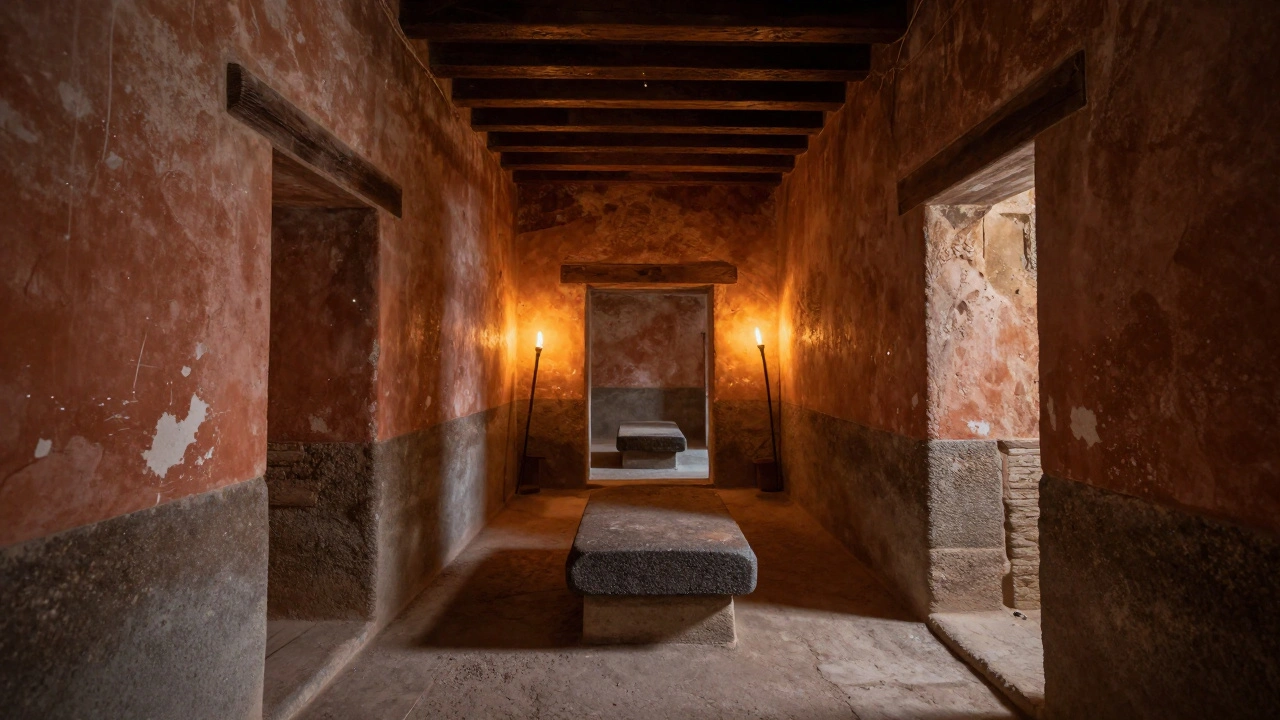
Inside, the layout is efficient, almost like a hotel hallway. There are ten small rooms. Each room measures roughly 7 by 9 feet. They aren't big lounges; they are functional boxes. Every single room had a permanent stone bed embedded into the floor. These weren't soft couches. They were heavy basalt blocks designed for durability. Originally, they would have been covered in mattresses made of wool or hay. The volcanic heat turned those fabrics to dust, leaving only the hard stone frames we see now.
The building also had two levels. Five rooms were on the ground floor, accessible directly from the street entrance. The other five were upstairs, reachable via a wooden staircase. However, there was also a separate exit on the back alley, Vicolo del Lupanare. This allowed staff or guests to come and go without being seen from the main road. It suggests a level of operational privacy that modern businesses still value. The design accommodated different tiers of service or perhaps separated daytime drinkers from evening guests.
The First Sexual Menus in History
Imagine walking into a restaurant today. You pick up a paper menu. Now imagine walking into this brothel. On the narrow hallway walls, visitors found rows of painted tiles. These were effectively product listings. They didn't hide what they offered. Some of the tiles survive well enough to read the descriptions of specific sexual acts. Others are faded, but the intent is clear. They described the service and likely indicated the price.
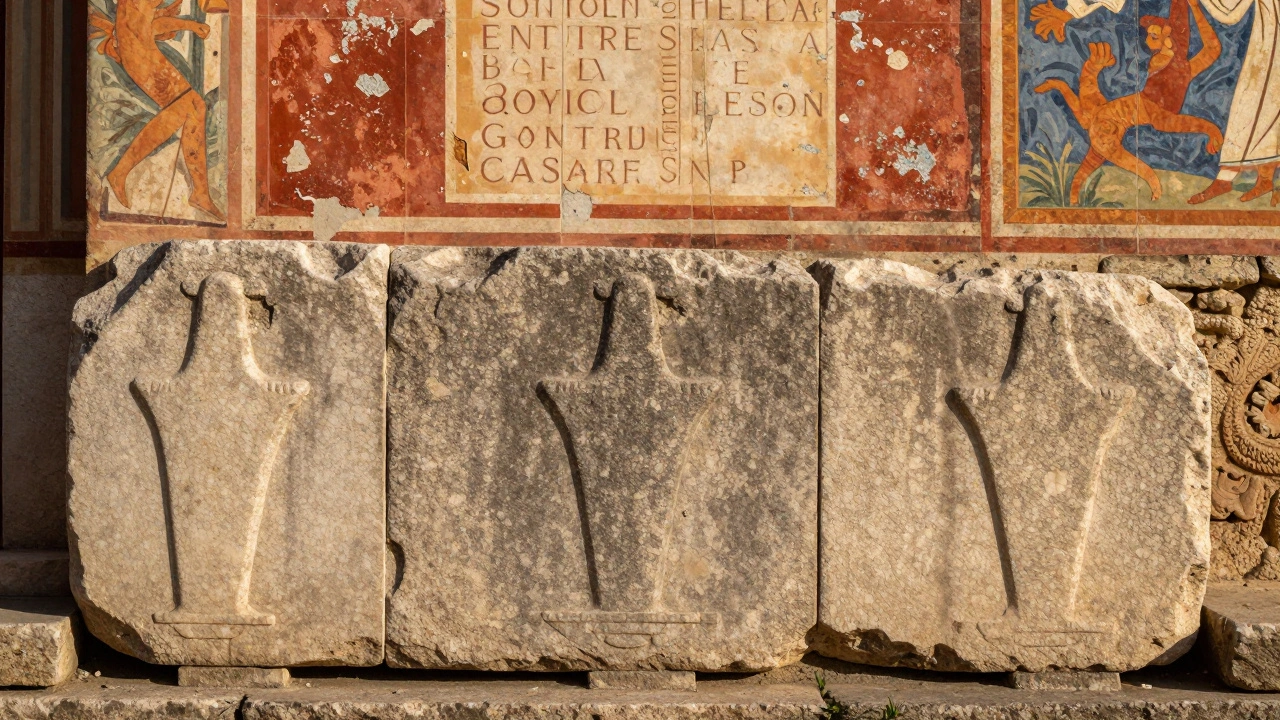
This visual advertising extends beyond the front door. If you look at the basalt pavement outside, you see carvings. Engraved phalluses are set into the stones. This isn't vandalism in the modern sense. It was wayfinding signage. In an era before standardized letters were always understood by every passerby, a carving of a penis told a traveler exactly what was inside. It functioned like a neon sign saying "Open." Similar symbols were carved onto nearby house facades, creating a district marker.
Why did they do this? It reduced friction. Customers knew what to expect before they stepped inside. It also signaled legitimacy. Hiding illicit goods attracts trouble; advertising legal trade builds trust. The Roman state taxed prostitution heavily, so open advertising was a necessity for compliance. The owners wanted foot traffic. Being transparent meant more customers.
| Type | Main Purpose | Sexual Services | Location Strategy |
|---|---|---|---|
| Lupanar | Dedicated sex work | Primary Business | High visibility, street corner |
| Tavern Brothels | Drinking/Eating | Incidental/Side Service | Hidden in residential upper floors |
| Residential Homes | Living | Rare/Private | Dispersed throughout city |
More Than Just Intimacy
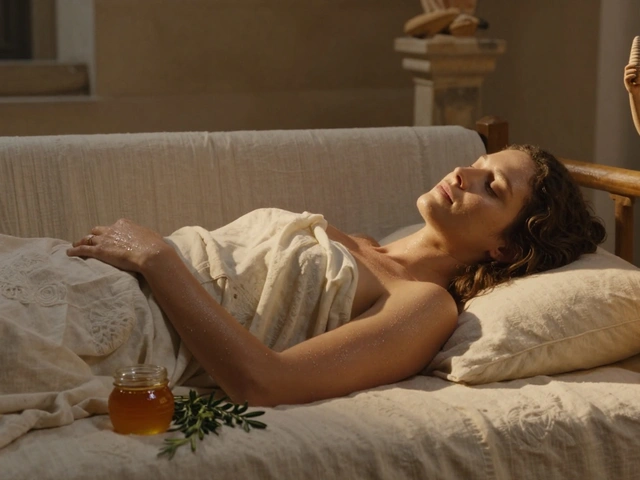
We need to understand that the Lupanar functioned as a leisure center, not just a sex factory. People went there to drink wine and relax. Prostitutes often sold drinks and snacks alongside their bodies. The profits came from the whole experience. A client might spend hours sitting around with friends before paying for private time. This made it a social hub similar to a modern bar or club.
Social stratification existed, even here. Upper-class citizens mixed with laborers and slaves in the same doorway, but they likely occupied different spaces. Wealthier patrons probably got preferential treatment or access to the better-maintained upstairs rooms. Laborers, who had less money but plenty of downtime, filled the cheaper spots. Despite their differences, everyone was subject to the same gritty reality inside those stone rooms. It served as a melting pot where the usual class barriers of Roman society temporarily dissolved.
The clientele included local residents and traders from surrounding towns. Pompeii was a port city, full of movement. Merchants stopped by, tired from travel, needing comfort. The proximity to the Stabian Baths is significant. Visitors would bath to clean off sweat, then walk a few minutes to the brothel. The sequence of hygiene followed by intimacy was a standard routine.
Voices in Stone: Graffiti as Feedback
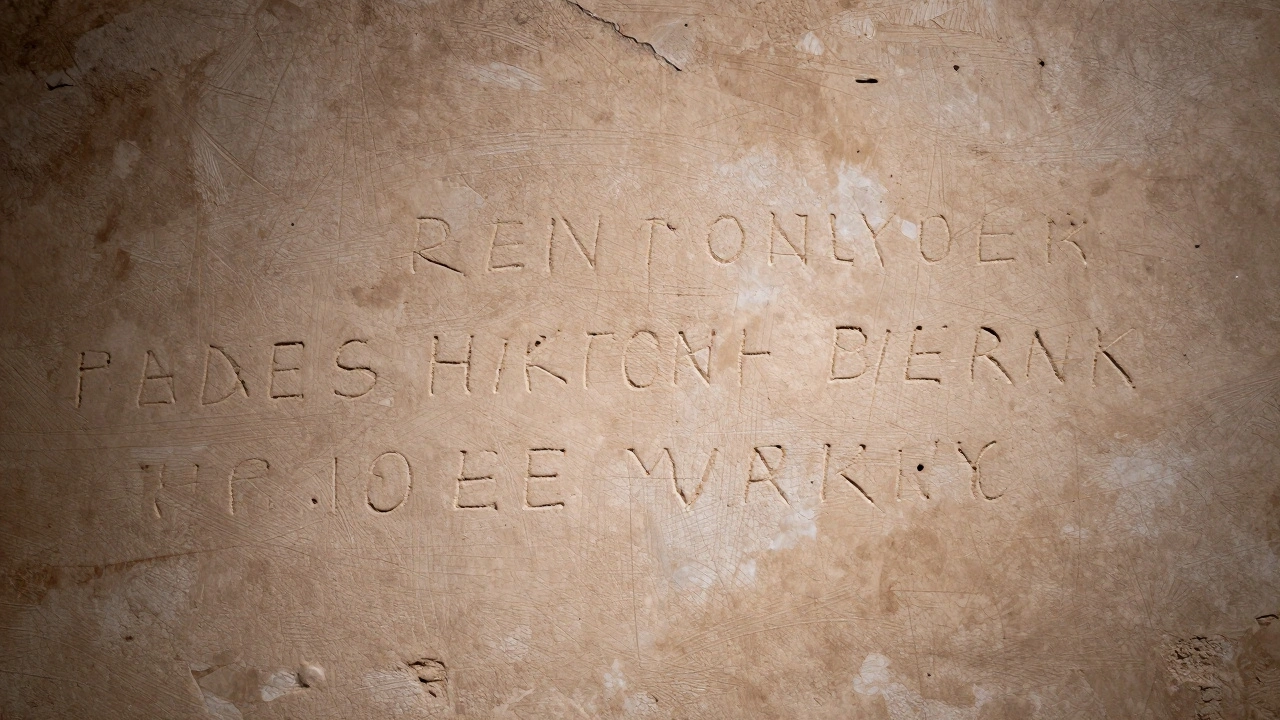
One of the most haunting aspects of the site is the sheer volume of graffiti. There are over 120 examples of scratch marks left on the plaster. These aren't random tags. They are reviews. Men scratched the names of the women they slept with. Some wrote complimentary notes praising beauty or skill. Others criticized performance. One man famously wrote that he had sex with a specific worker and enjoyed it.
This is essentially a digital review platform made of stone and charcoal. It gives us direct data on customer satisfaction mechanisms in antiquity. We know men competed for attention and recorded their conquests publicly. For archaeologists, this is a goldmine of sociological data. It proves that commercial relationships were documented, remembered, and discussed openly.
However, another side of this graffiti reveals a darker truth. Some inscriptions suggest fear or anger. More importantly, the physical evidence suggests conditions were harsh. The women working there faced physical risks. Evidence indicates that the prostitutes drank alcohol during work. Researchers believe this was not for enjoyment but as a coping mechanism to numb pain or endure violence. There was no security. If a customer became abusive, there was little recourse. The law protected property rights more fiercely than personal safety for women in this sector.
Bias and Interpretation of the Ruins
Our understanding of these buildings has shifted over centuries. When nineteenth-century archaeologists first dug through Pompeii, they operated with Victorian-era values of modesty. Any painting depicting naked figures triggered a knee-jerk classification. They labeled anything with erotic art as a brothel. This led to inflated estimates of how many lupanares existed.
In the early 20th century, estimates suggested there were about 35 brothels in the city. Later analysis corrected this number. Using stricter architectural criteria, modern historians identify only nine confirmed single-room establishments plus the main Lupanar. Why the difference? Cultural bias of the excavators. They assumed art equals vice. Today, we know that nude imagery appeared in baths and homes too.
With a population of around 10,000 people in first-century Pompeii, the old ratio suggested one brothel per 286 people. That is demographically unrealistic. The revised count suggests a much tighter market, meaning these places were high-turnover hubs rather than ubiquitous corners stores. It changes how we view the scale of the industry. It wasn't omnipresent; it was concentrated in specific zones.
Religious and Cultural Context
You can't talk about sex in Rome without mentioning religion. The city of Pompeii itself was deeply associated with Venus. She was the goddess of love and fertility. Statues of her were common, but she also protected prostitution. This wasn't a contradiction in their worldview. Commercial sexuality was woven into the religious fabric of the state. It was viewed as a necessary release valve for male citizens, a civic function almost.
The preservation of the Lupanar allows us to study this relationship. The pigments on the wall murals show artistic techniques used to depict carnal activities. These weren't crude drawings; they were skilled artworks. The fact that such explicit art remained accepted in public commercial spaces speaks to a culture comfortable with nudity. We tend to project modern shame onto ancient behaviors, but the Romans had a different relationship with the body. It was natural, not hidden.
The volcanic event of 79 A.D. acted as a freezer, trapping the city in time. Without the 20 feet of ash, the organic materials-the clothes, the wood, the mattresses-would have rotted away instantly. We only have the bones and the stone. Yet, through careful reading of those traces, we reconstruct the sounds of the laughter, the clinking of cups, and the shouting of prices that once filled the air.
Next Steps for Visitors and Researchers
If you visit the site today, you stand in that narrow corridor. You look at the ten empty rooms. Modern tours try to recreate the atmosphere, sometimes using lighting to mimic torchlight. Remember, you are standing in a space designed for profit, not reverence. It challenges the modern tendency to sanitize history.
For researchers, the site remains a testing ground. New scanning technologies allow scientists to map the microscopic scratches in the graffiti without touching the fragile plaster. These methods protect the heritage while yielding new linguistic insights. We are learning more about dialects and slang from the graffiti every year.
Is the Lupanar open to the public today?
Yes, the building is accessible to tourists visiting the archaeological park of Pompeii. It is located within the city center zone.
How many bedrooms were there originally?
There were ten rooms in total. Five were located on the ground floor, and five larger ones were situated on the upper story.
What happened to the mattresses?
The mattresses were made of organic materials like hay and straw. The intense heat from the volcano burned them away, leaving only the stone bases.
Why were there carvings outside the building?
Carved phalluses served as directional signage, helping potential customers locate the establishment from the street.
Was prostitution illegal in Pompeii?
No, it was legal and heavily taxed by the state. The existence of official menus and government-regulated brothels confirms its legality.
Walking through these streets, we touch the past in a way few artifacts allow. It reminds us that beneath the grand history of emperors and wars, daily life continued. People drank, loved, argued, and survived. The ash preserved this slice of humanity. When you leave Pompeii, you don't just carry memories of a tragedy. You carry evidence of how complex human social structures have always been.