Medieval Marriage Court Simulator
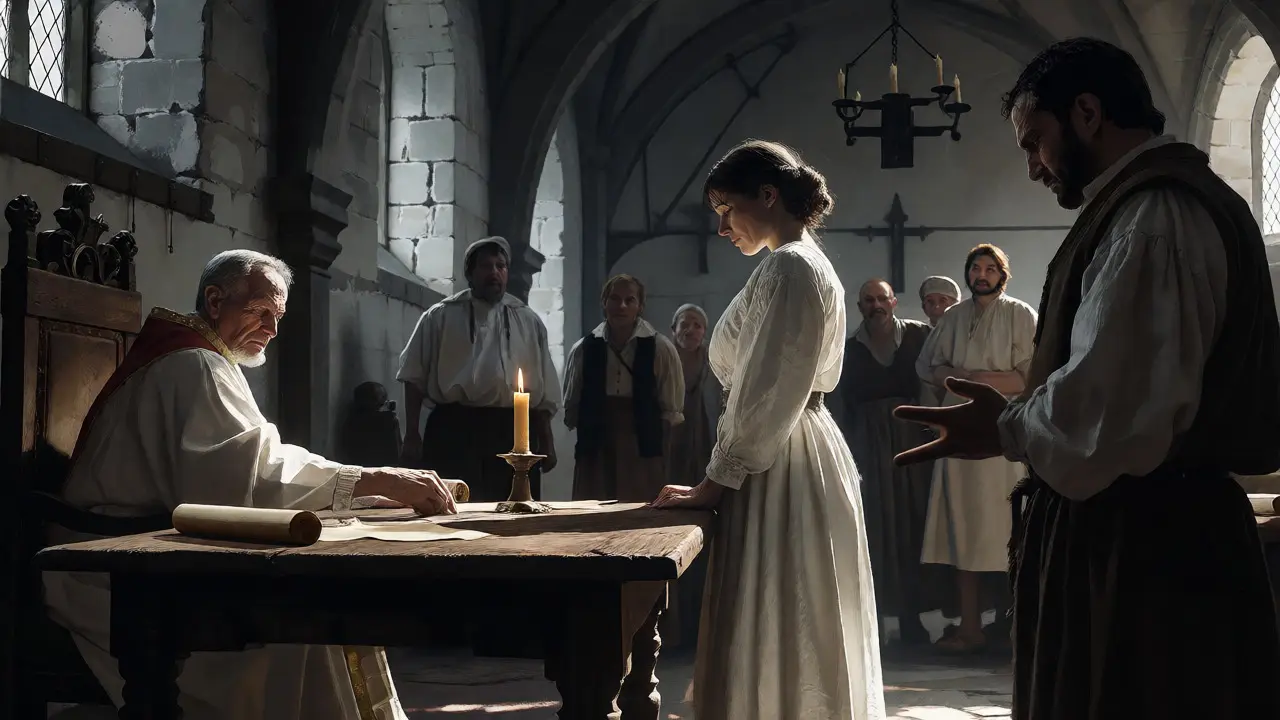
Step into the shoes of a 14th-century ecclesiastical judge. A couple is before you claiming they are married, but no priest witnessed it. Based on Canon Law (per verba de praesenti) and witness testimony, decide their fate.
Case Evidence
Awaiting Judgment
Submit the evidence to see how the Ecclesiastical Court rules.
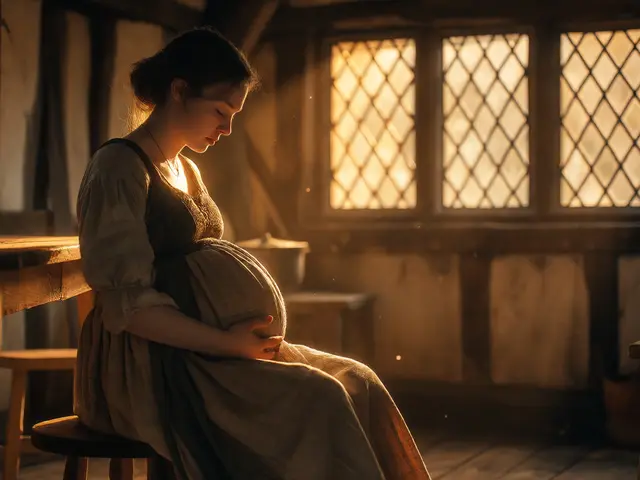
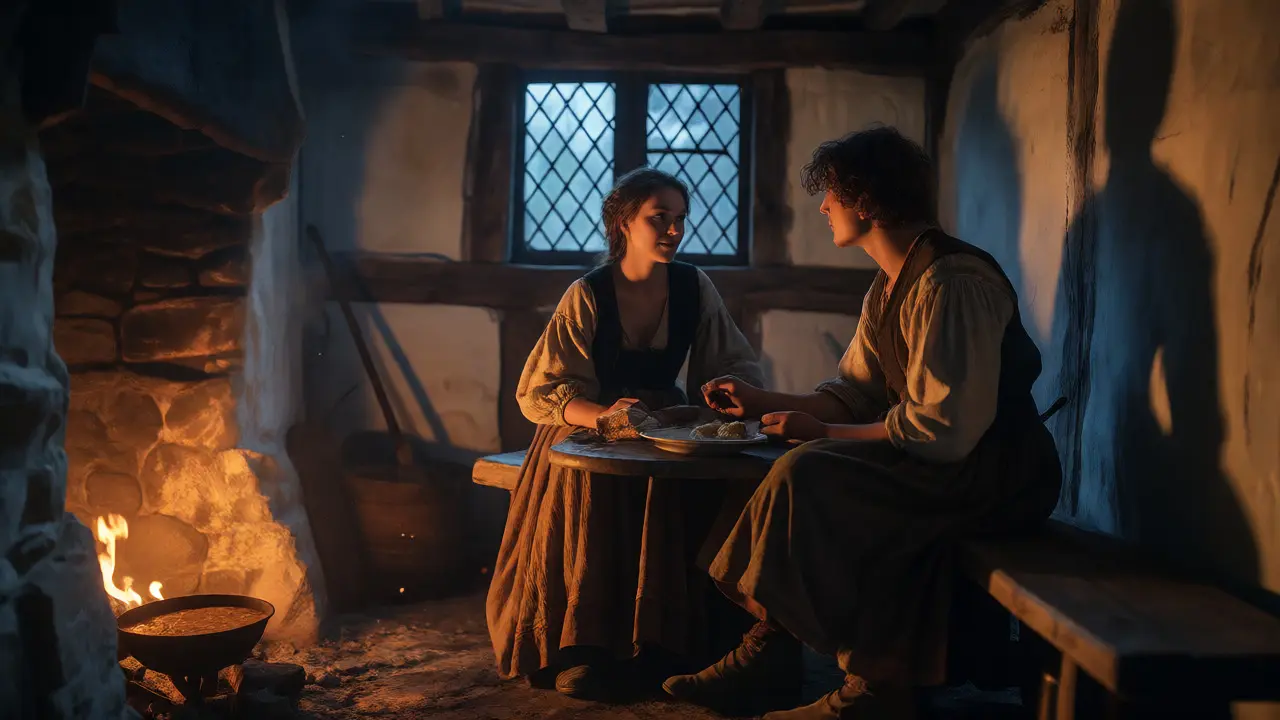
Imagine waking up in a 14th-century English village. You’ve been living with your partner for two years. You share a bed, you eat at the same table, and neighbors treat you as a married couple. But when the local priest asks if you’ve exchanged vows in front of the altar, you hesitate. Were you actually married? Or were you just "trying it out"?
This wasn’t just a modern dilemma. For centuries, the line between trial marriage and simple cohabitation was blurry, messy, and fiercely debated in courtrooms across Europe. If you think dating apps have made relationships complicated, try navigating a society where a private promise to marry could legally bind you forever, but public opinion might still see you as sinners.
The Legal Loophole: Consent Was Everything
Before we judge our ancestors, we need to understand how their legal system worked. It wasn’t like today’s marriage licenses. In much of medieval Europe, particularly under Canon Law (church law), marriage didn’t require a priest, a witness, or even a ceremony. It required one thing: mutual consent.
If a man and a woman said "I take you" to each other in private, they were technically married. This concept is known as per verba de praesenti (words in the present tense). No paperwork. No ring. Just words. This created a massive gray area. Did those words mean a binding contract? Or was it just flirting gone too far?
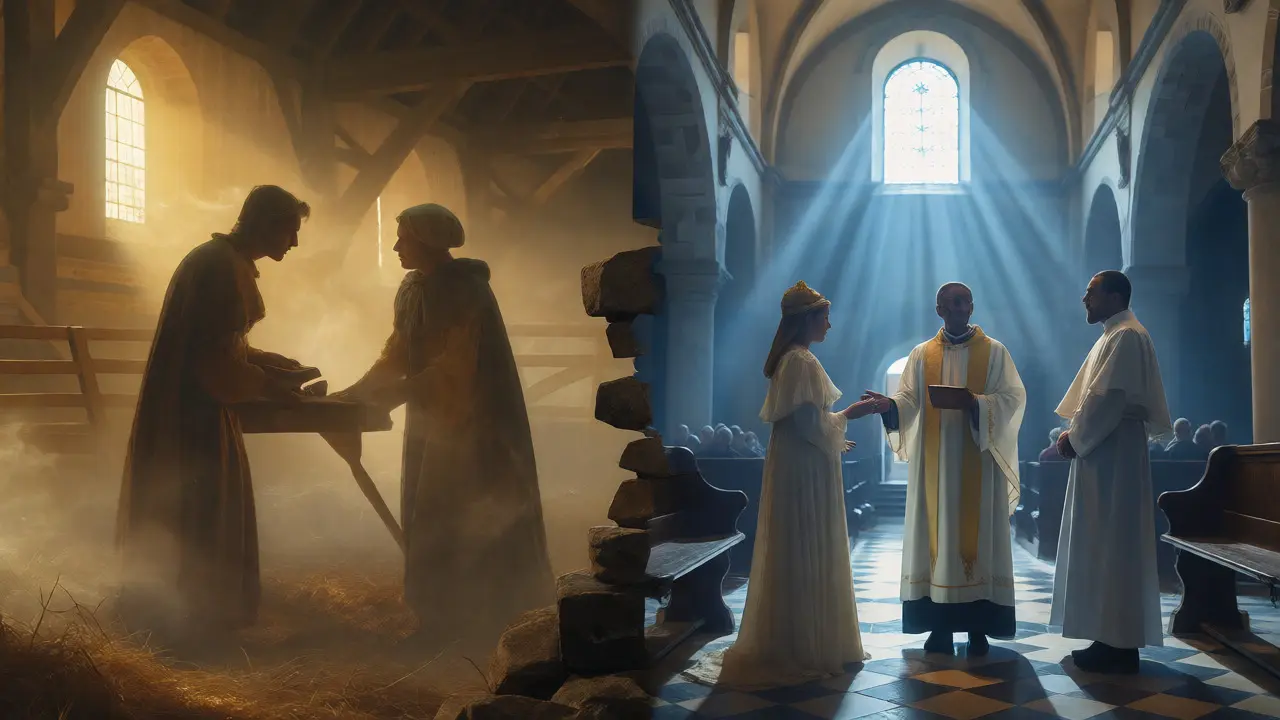
Canon Law defined marriage as a sacrament based on free will. The Church taught that God saw the heart, not the paperwork. So, if you promised to marry someone in a barn after harvest, you were husband and wife in the eyes of God-even if your parents hated them and the town gossip called you illegitimate.
Trial Marriage: A Real Practice or a Myth?
Historians often argue about whether "trial marriage" existed as a formal institution. It wasn’t a standardized legal category like "common-law marriage" in the US today. Instead, it was a social reality born from economic necessity and religious confusion.
Many couples couldn’t afford the dowry or the wedding feast immediately. They needed time to build a household, secure land, or wait for parental approval. During this waiting period, they lived together. Some communities accepted this as a legitimate step toward marriage. Others saw it as open fornication.
The difference often came down to intent. If the couple intended to marry eventually, many local customs treated them as engaged or secretly married. If they were just having fun, they were risking excommunication. How did courts tell the difference? By looking at the evidence of their lives.
What the Court Records Actually Say
We know what happened because people sued each other. When things went wrong-when a man refused to commit, or a woman got pregnant and the father denied responsibility-they dragged each other before the ecclesiastical courts. These records are gold mines for historians.
In these cases, witnesses weren’t asked about love letters. They were asked about behavior:
- Did they sleep in the same bed?
- Did he give her money or gifts?
- Did he introduce her as his wife to friends?
- Did they have sexual relations?
A famous pattern emerges in English and French court rolls from the 1300s to 1500s. Men often claimed, "We had sex, but I never promised marriage." Women countered, "He promised me marriage, so the sex was lawful." The court’s job was to determine which story fit the community norm.
| Claimant | Typical Argument | Court’s Likely View |
|---|---|---|
| The Man | "It was just a fling. We had sex, but no vow was spoken." | Suspicious. If pregnancy occurred, presumption of promise increased. |
| The Woman | "He spoke vows in private. We acted as husband and wife." | Stronger case if witnesses confirm public recognition. |
| The Parents | "They lived together without our blessing. It’s scandalous." | Irrelevant to validity, but relevant to inheritance disputes. |
Community Norms vs. Church Doctrine
Here’s the friction point: The Church said, "No sex before valid marriage." The community often said, "Well, they’re clearly together, so let’s treat them as married." This gap caused endless trouble.
In rural villages, reputation mattered more than theology. If a couple lived together openly, raised children, and shared resources, neighbors rarely shunned them. They might grumble, but they helped with the harvest. However, if the man left the woman for another, the community turned on him. He hadn’t just broken a heart; he’d broken a social contract.
Urban areas were stricter. Cities had tighter moral policing and more anonymity. A trial marriage in London might face harsher judgment than one in a small Yorkshire hamlet where everyone knew everyone else’s business anyway.
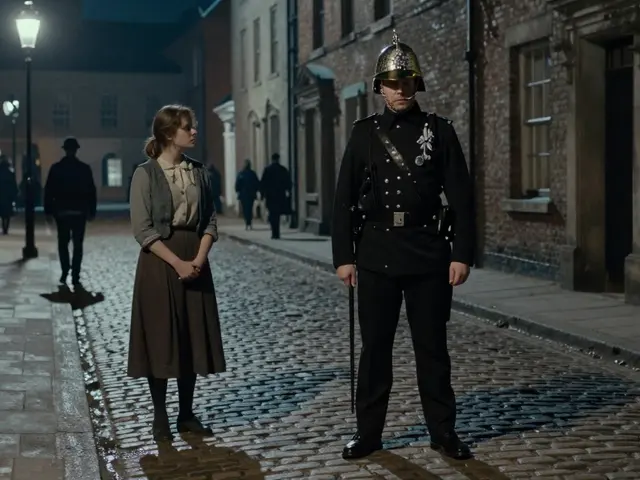
Ecclesiastical Courts handled these disputes. Unlike secular courts, they focused on morality and spiritual health. Punishments included public penance (standing in church in underwear!), fines, or forced marriage. The goal wasn’t always justice-it was getting the sinner back into the flock.
Premarital Sex: Sin, Proof, or Both?
Premarital sex wasn’t rare. It was common enough that courts dealt with it daily. But the legal consequences depended entirely on whether a marriage was deemed to have happened.
If the court found a secret marriage existed, the sex was fine. The children were legitimate. The woman kept her honor. If the court found no marriage, the sex was fornication. The woman faced stigma. The man might be fined. Any children became bastards, losing inheritance rights.
This high-stakes gamble explains why "trial marriages" were risky. You weren’t just testing compatibility; you were betting your social standing and your children’s future on a whispered promise.
Why Did People Take the Risk?
Why not just wait? Economic pressure. Land ownership was rigid. Many young men couldn’t inherit until their fathers died. Without land, they couldn’t afford a proper wedding. Living together allowed them to pool labor and survive. Waiting five or ten years for a parent to die meant starving or working as a servant indefinitely.
Also, romance played a role. Literature from the period, like Chaucer’s tales, shows characters falling in love quickly. Impulse drove many unions. The idea of "courtship" as a long, chaste process is largely a Victorian invention. Medieval folks moved fast.
The End of the Gray Area
By the 16th century, things started changing. The Council of Trent (1563) mandated that marriages must be witnessed by a priest and two others to be valid. This killed the "secret marriage" loophole. Suddenly, you couldn’t just whisper vows in a barn. You needed a public record.
This shift ended the era of ambiguous trial marriages. Cohabitation without a church wedding became clearly illegal and socially unacceptable in Catholic regions. In Protestant areas, rules varied, but the trend was toward stricter documentation.
So, next time you worry about defining a relationship, remember: at least you don’t have to prove your love to a bishop in a drafty stone room while half the village watches.
Was trial marriage legal in the Middle Ages?
It wasn't a formal legal status, but it was a recognized social practice. Legally, if a couple exchanged private vows (per verba de praesenti), they were considered married regardless of whether they held a ceremony. If they lived together without vows, it was technically fornication, though often tolerated locally.
How did medieval courts prove a secret marriage?
Courts relied on witness testimony. Neighbors and friends testified about the couple's behavior: sharing a bed, introducing each other as spouses, exchanging gifts, and acknowledging paternity. Circumstantial evidence like pregnancy strongly supported claims of a prior marital promise.
What were the punishments for premarital sex?
Punishments varied by region and severity. Common penalties included public penance (such as wearing white sheets in church), monetary fines paid to the church, or mandatory marriage. In severe cases, repeat offenders could face excommunication.
Did children from trial marriages have inheritance rights?
If the court validated the marriage as valid despite lack of ceremony, yes, the children were legitimate and could inherit. If the union was deemed merely cohabitation without vows, the children were considered illegitimate (bastards) and generally excluded from inheritance.
Why did the Church dislike trial marriages?
The Church disliked the secrecy and the potential for bigamy. Without public witnesses, a person could make multiple secret promises to different partners. The Council of Trent later banned secret marriages to ensure clarity, legitimacy, and public accountability.