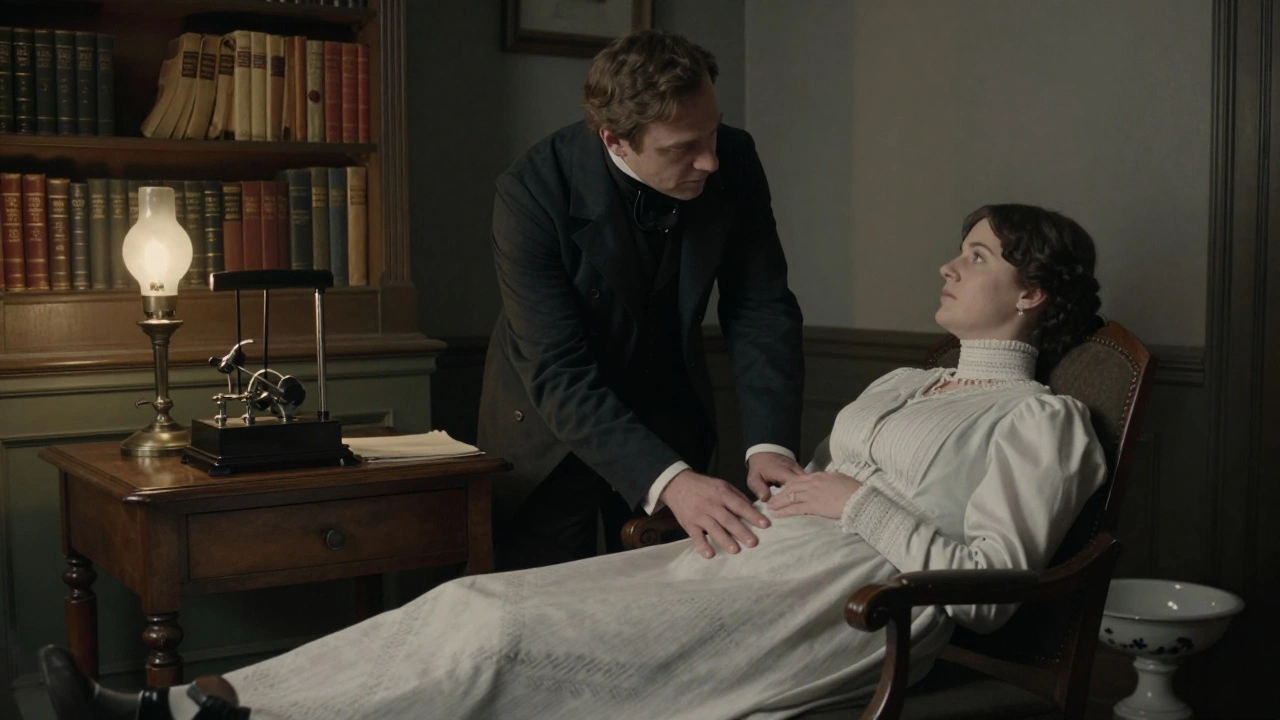
For over two decades, a single story dominated how people thought about women’s sexuality in the 1800s: Victorian doctors, frustrated by the physical strain of manually stimulating women to relieve "hysteria," invented the vibrator to do the job faster. It was a tale of medical innovation disguised as liberation - a story that made headlines in Vice, Mother Jones, and Psychology Today. But this story? It’s not true. Not because it’s unpleasant, but because there’s no evidence it ever happened.
The Myth That Refused to Die
The idea that vibrators were invented as medical tools to induce female orgasms comes mostly from Rachel Maines’ 1999 book, The Technology of Orgasm. She painted a picture of doctors in white coats massaging women’s genitals for hours, their hands aching, until a mechanical solution appeared. It sounded plausible. It sounded empowering. And it spread like wildfire. But historians since then - especially those at Georgia Tech like Lieberman and Eric Schatzberg - have dug into the actual medical records. And what they found? Silence. Not the kind you’d expect from a repressed society. The kind that comes from absence. There are no clinical notes describing clitoral stimulation. No patient logs mentioning "paroxysms" as orgasms. No doctor’s journal saying, "Today I cured Mrs. Thompson with the vibrator. She had three." Maines herself didn’t cite a single primary source that even hinted at orgasm as the goal. Not one.What Did "Hysterical Paroxysm" Actually Mean?
The word "paroxysm" is key here. Maines assumed it meant orgasm. Victorian doctors didn’t. When Dr. William Rowley of Oxford described "passio hysterica," he wrote of women screaming, weeping, trembling, speaking incoherently - symptoms that sound more like epileptic seizures than sexual release. Dr. John Bacon Walsh noted a "copious secretion of pale urine" during episodes. George Bacon Wood linked the condition to menstrual irregularities. These aren’t descriptions of pleasure. They’re descriptions of neurological distress, physical collapse, or hormonal chaos - all things doctors of the time believed stemmed from a "wandering womb." The belief that female health was tied to the uterus wasn’t unique to Victorians. It went back to ancient Greece. But what changed in the 1800s was how medical science tried to "fix" it. Treatments included bed rest, cold baths, dietary restrictions, and yes - pelvic massage. But again, the goal wasn’t orgasm. It was to relieve "uterine congestion," a vague term that meant everything from blocked periods to "excess nervous energy."They Knew About Orgasms. They Just Hated Them.
One of the biggest misunderstandings is that Victorian doctors were ignorant about female sexuality. They weren’t. They knew exactly what orgasm was - and they wrote about it constantly. Not to cure it. To stop it. Medical texts from the period are full of warnings. Masturbation, they claimed, led to insanity, tuberculosis, blindness, and even death. Dr. Bloch of New Orleans called female masturbation a "moral leprosy." Clitoridectomies - the surgical removal of the clitoris - were performed as a "cure." Dr. Isaac Brown, a respected surgeon, published case studies in top medical journals describing how he removed the clitoris from young women to prevent "self-abuse." He didn’t hide it. He bragged about it. And it wasn’t just fringe doctors. Admission forms for British and American lunatic asylums listed "masturbation" as a reason for commitment. Women were institutionalized not for being "hysterical," but for being sexually active - even if only in their own minds.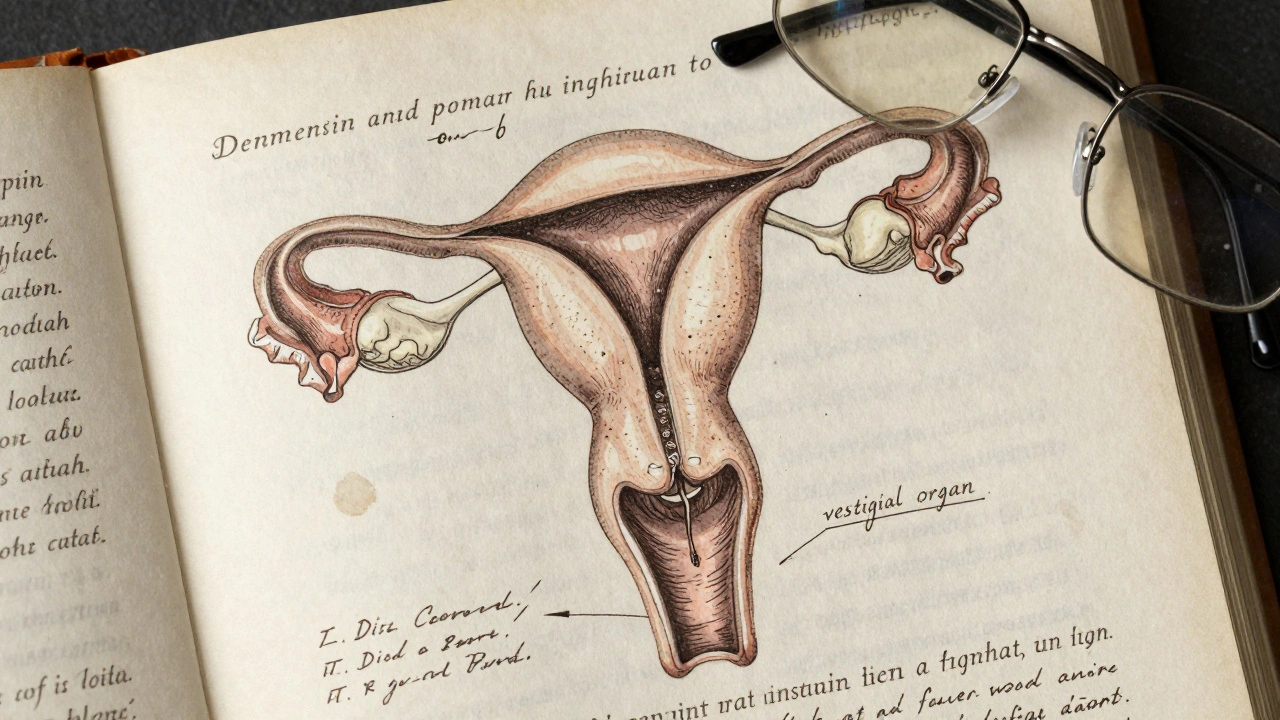
Pelvic Massage Happened. But Not for Pleasure.
Yes, doctors did manipulate women’s pelvic areas. Yes, they used their hands. Yes, some used early mechanical devices - not vibrators as we know them, but hand-cranked massagers designed to apply pressure to the abdomen or lower back. These weren’t designed for the clitoris. They were meant to stimulate the uterus, to "move" the womb, to restore "balance." Historian Kate Lister puts it bluntly: "Victorian doctors may have been manipulating, sedating, institutionalising and pummelling the pussies of their poor farting female patients." But she adds: "That doesn’t mean they were trying to give them orgasms. They were trying to fix what they saw as a broken system." The difference matters. One is a myth of liberation. The other is a record of control.The Clitoris Wasn’t Hidden - It Was Ignored
Another myth? That Victorian doctors erased the clitoris. They didn’t. It was well-documented in anatomy books. But they didn’t link it to pleasure. Instead, they focused on the vagina as the center of female reproduction - and therefore, the center of female pathology. Alison M. Moore’s research across French, German, British, American, and Italian medical texts shows something surprising: the idea that clitoral and vaginal pleasure were separate - the "clitoral-vaginal dichotomy" - didn’t emerge until the early 1900s. That’s after the Victorian era. Before that, medical thinking was messy, inconsistent, and often contradictory. Some doctors thought the clitoris was central. Others thought it was irrelevant. But none of them treated it as a source of legitimate pleasure. The real suppression wasn’t ignorance. It was moral judgment dressed as science.
Why Does This Myth Still Stick?
Because it’s comforting. It lets us believe that once, doctors were just clumsy, and technology fixed everything. That the vibrator was a tool of liberation, not a symptom of control. But the truth is more disturbing: the vibrator didn’t liberate women. It was one of many tools used to manage them. The myth persists because it fits a modern narrative - that sexual repression was a mistake, and science eventually corrected it. But Victorian medicine didn’t "get it wrong." It got it right according to its own values: women’s sexuality was dangerous, uncontrollable, and needed to be suppressed. The real history isn’t about a device. It’s about power. About who gets to define pleasure. About who gets to decide what’s healthy.What We Should Remember
- Victorian doctors didn’t invent vibrators to give women orgasms. They didn’t even mention orgasm as a goal in medical texts. - "Hysteria" was treated with pelvic manipulation - but to relieve congestion, not induce pleasure. - Female orgasm was well understood - and considered dangerous. Masturbation was a medical emergency. - Clitoridectomies were performed and published in respected journals. This wasn’t fringe medicine. It was mainstream. - The idea that clitoral and vaginal pleasure are different? That came later. In the 1900s. The silence in Victorian medical texts isn’t about ignorance. It’s about denial. The denial that women had a right to pleasure. The denial that their bodies were their own. Understanding this isn’t about debunking a myth. It’s about seeing how medicine has been used - and still is - to control women’s bodies under the guise of care.Did Victorian doctors really use vibrators to treat hysteria?
No. Despite popular belief, there is no documentary evidence that Victorian doctors used vibrators to induce orgasm in women. The devices that existed were used for pelvic or abdominal massage to relieve "uterine congestion," not for clitoral stimulation. None of the primary medical texts from the period describe orgasm as the intended outcome.
What was "hysteria," really?
Hysteria was a catch-all diagnosis for women who exhibited emotional distress, seizures, fainting, or irregular menstruation. Doctors believed it stemmed from a "wandering womb" or blocked menstrual flow. Symptoms included screaming, weeping, tremors, and incoherent speech - not sexual arousal. Modern scholars now see it as a misdiagnosis of neurological, hormonal, or psychological conditions.
Did Victorian doctors know about female orgasm?
Yes. They knew exactly what it was - and they feared it. Medical texts from the time describe orgasm in detail, often linking it to moral decay, insanity, and physical decline. Masturbation was considered a serious medical threat, and clitoridectomies were performed as a treatment.
Why did doctors perform clitoridectomies?
Doctors believed female masturbation caused insanity, epilepsy, and other diseases. Dr. Isaac Brown, a respected surgeon, performed clitoridectomies on young women and published his results in medical journals. He wasn’t an outlier - his work reflected mainstream medical opinion at the time.
Was the clitoris hidden in Victorian medicine?
No. The clitoris was well-documented in anatomy books. But doctors didn’t connect it to pleasure. Instead, they focused on the uterus and vagina as the centers of female health - and pathology. The idea that clitoral and vaginal pleasure were separate only emerged in the early 1900s, after the Victorian era.