Social Policy: How Laws Shape Sex, Consent, and Survival
When we talk about social policy, the set of laws and government actions that regulate how people live, love, and survive. Also known as public policy, it’s not just about taxes or highways—it’s about who can get an abortion, who can rent an apartment without being kicked out for being gay, and who gets arrested for selling sex. These aren’t abstract debates. They’re the difference between safety and danger, between dignity and despair.
Consent, the clear, voluntary agreement to engage in sexual activity. Also known as affirmative consent, it’s supposed to be simple—but social policy turns it into a minefield. Courts and lawmakers don’t just define what consent is—they decide what counts as coercion, who gets believed, and who gets blamed. When a sex worker says "yes," is that real consent under threat of deportation? When a teenager says "yes" after years of abstinence-only education, was she ever given the tools to say no? Social policy doesn’t just reflect culture—it builds it, one law at a time.
Look at how abortion rights, the legal ability to end a pregnancy without criminal penalty. Also known as reproductive autonomy, it’s been torn apart and stitched back together by the Supreme Court. Roe v. Wade didn’t just give people a right—it gave them control over their bodies, their futures, their careers. When that was taken away, it didn’t stop abortions. It just made them riskier, more expensive, and more unequal. The same goes for LGBTQ+ rights, legal protections against discrimination in housing, jobs, and public spaces. Also known as anti-discrimination law, they’re still patchwork across states. Marriage equality didn’t fix everything. You can be married to the person you love and still get fired for it.
And then there’s sex work laws, how governments choose to criminalize, decriminalize, or regulate selling sex. Also known as prostitution legislation, they’re not about morality—they’re about power. The Nordic model criminalizes buyers but not sellers. New Zealand decriminalizes everyone. The U.S. mostly criminalizes sellers. The data doesn’t lie: when sex workers are treated like criminals, they’re more likely to be assaulted, less likely to call police, and more likely to die. Social policy doesn’t just shape behavior—it shapes survival.
These aren’t separate issues. They’re all connected. Cut funding for teen pregnancy programs? You’re not stopping teens from having sex—you’re stopping them from knowing how to stay safe. Silence survivors through stigma? You’re letting predators hide behind silence. Let landlords evict queer tenants? You’re forcing people into homelessness because of who they love. Social policy doesn’t just react to life—it decides who gets to live it without fear.
What follows isn’t just history or opinion. It’s the real, documented impact of decisions made in courtrooms, state houses, and city councils. You’ll find how activists forced drug prices down during the AIDS crisis. How no-fault divorce changed family structures in ways no one predicted. How digital movements like #MeToo broke decades of silence. And how the line between trafficking and migration gets blurred when poverty is the only thing people have left to sell. These stories aren’t abstract. They’re lived. And they’re still unfolding.

State and National Laws Protecting Intersex Children: Emerging Models
Mar 20 2026 / Social PolicyAs of 2026, U.S. states are failing to protect intersex children from nonconsensual surgeries. While some hospitals are changing course, laws in Nebraska, Texas, and California reveal deep gaps in bodily autonomy. Real progress starts with consent - not conformity.
VIEW MORE
Youth, Schools, and LGBTQ+ Rights: How Speech, Safety, and Inclusive Policies Shape Student Outcomes
Mar 19 2026 / Social PolicyLGBTQ+ students in the U.S. are dropping out of high school at twice the national rate due to unsafe schools, discriminatory laws, and erased histories. Over 650,000 students are at risk-costing the economy billions. Inclusive policies save lives and futures.
VIEW MORE
Germany’s Leadership in Sex Education Since 1970: How a Broken Past Built the World’s Most Effective Model
Mar 9 2026 / Social PolicyGermany’s mandatory, evidence-based sex education system since 1970 has led to Europe’s lowest teen pregnancy rates. Built on lessons from Nazi-era suppression, it combines human rights, data, and legal backing to ensure every student receives accurate, inclusive sexual health education.
VIEW MORE
Modern Asian Pornography Laws: Censorship, Technology, and Change
Feb 27 2026 / Social PolicyChina's 2026 pornography laws now criminalize private digital sharing of intimate content, using AI surveillance and harsh penalties to enforce censorship. LGBTQ+ creators, live-streamers, and film producers are disproportionately targeted under this expanding digital control framework.
VIEW MORE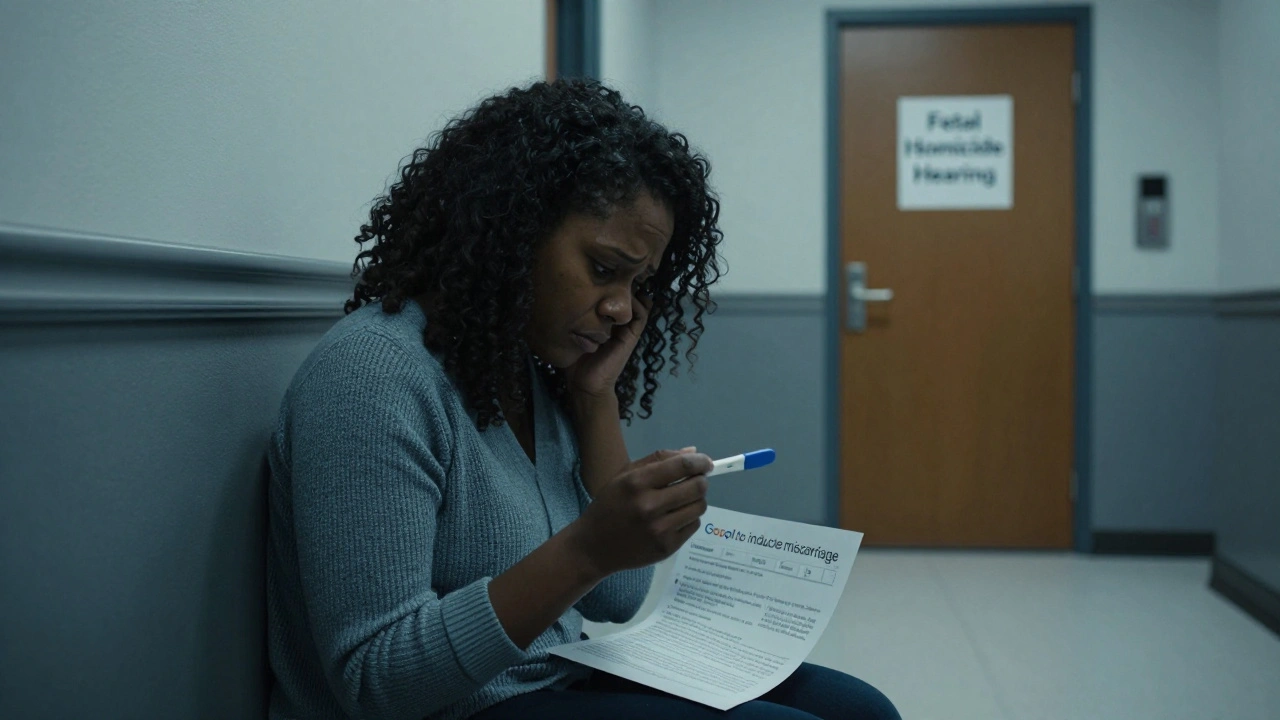
Enforcement of Abortion Laws: Who Gets Prosecuted and Why?
Feb 15 2026 / Social PolicySince Roe v. Wade was overturned, prosecutors are charging pregnant people with child abuse, neglect, and even homicide - not for getting abortions, but for using drugs, having miscarriages, or ordering pills. The targets? Almost always poor women.
VIEW MORE
Gender Inequality and Dominance Hierarchies: How Structural Systems Keep Power in Male Hands
Feb 14 2026 / Social PolicyGender inequality isn't about personal bias-it's built into institutions, economics, and social norms that favor male dominance. This article explains how structural systems maintain power imbalances and why real change requires rewriting the rules.
VIEW MORE
Workplaces and Menstruation: How New Policies Are Changing Office Culture
Jan 22 2026 / Social PolicyNew workplace policies in Philadelphia and global standards like ISO 45010 are breaking taboos around menstruation and menopause. Learn how accommodations for period pain, hot flashes, and fatigue are becoming legal rights-and why companies that embrace them see better retention and productivity.
VIEW MORE
UN Disability Convention and the Right to Comprehensive Sex Education
Dec 12 2025 / Social PolicyThe UN Disability Convention guarantees people with disabilities the right to comprehensive sex education - yet most still receive none. This is how legal rights, real programs, and systemic change are making a difference.
VIEW MORE
Teen Pregnancy Prevention Program: How Federal Cuts Undermined Evidence-Based Sex Education
Nov 24 2025 / Social PolicyFederal cuts to the Teen Pregnancy Prevention Program in 2017 dismantled evidence-based sex education, ending proven programs and losing years of research. The consequences still ripple through teen health today.
VIEW MORE
Coercion and Consent: Understanding the Spectrum of Pressure
Nov 21 2025 / Social PolicyCoercion isn't always violent - it's often quiet, emotional, and hidden in relationships. Understanding the spectrum of pressure helps us recognize when 'yes' isn't really yes - and how to build true consent.
VIEW MORE
No-Fault Divorce, Delayed Marriage, and the Quiet Revolution in American Families After 1970
Nov 11 2025 / Social PolicyNo-fault divorce, introduced in California in 1970, transformed American families by making divorce easier and marriage less permanent. It led to delayed marriages, rising single-parent households, and hidden costs for children-changes still shaping society today.
VIEW MORE
Nordic vs New Zealand vs Full Criminalization: How Different Laws Impact Sex Workers
Nov 10 2025 / Social PolicyHow do Nordic, New Zealand, and full criminalization laws affect sex workers? Data shows decriminalization improves safety and access to healthcare, while criminalizing buyers increases isolation and violence.
VIEW MORE